Tirana, the capital of Albania, stands as a fascinating blend of history and modernity. Founded in 1614, this dynamic city gained prominence in the 20th century when it became Albania’s capital in 1920. The Skanderbeg Square, named after the national hero Gjergj Kastrioti Skanderbeg, lies at the heart of Tirana, proudly displaying an equestrian statue of the leader, a symbol of the nation’s resilience and strength.
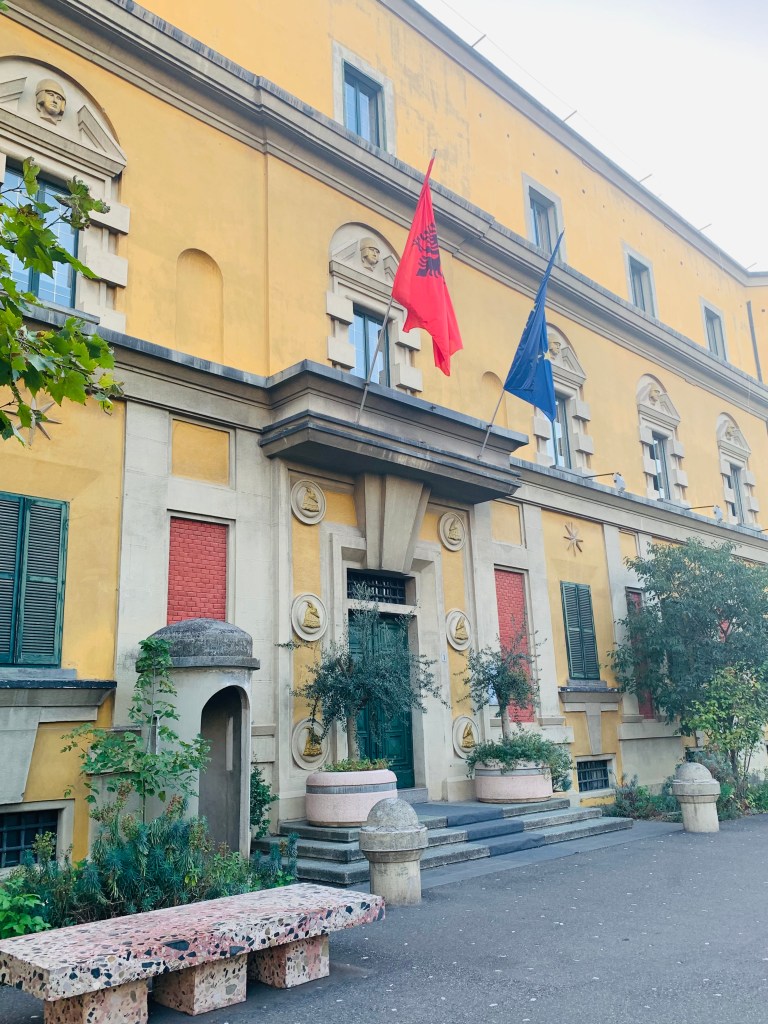
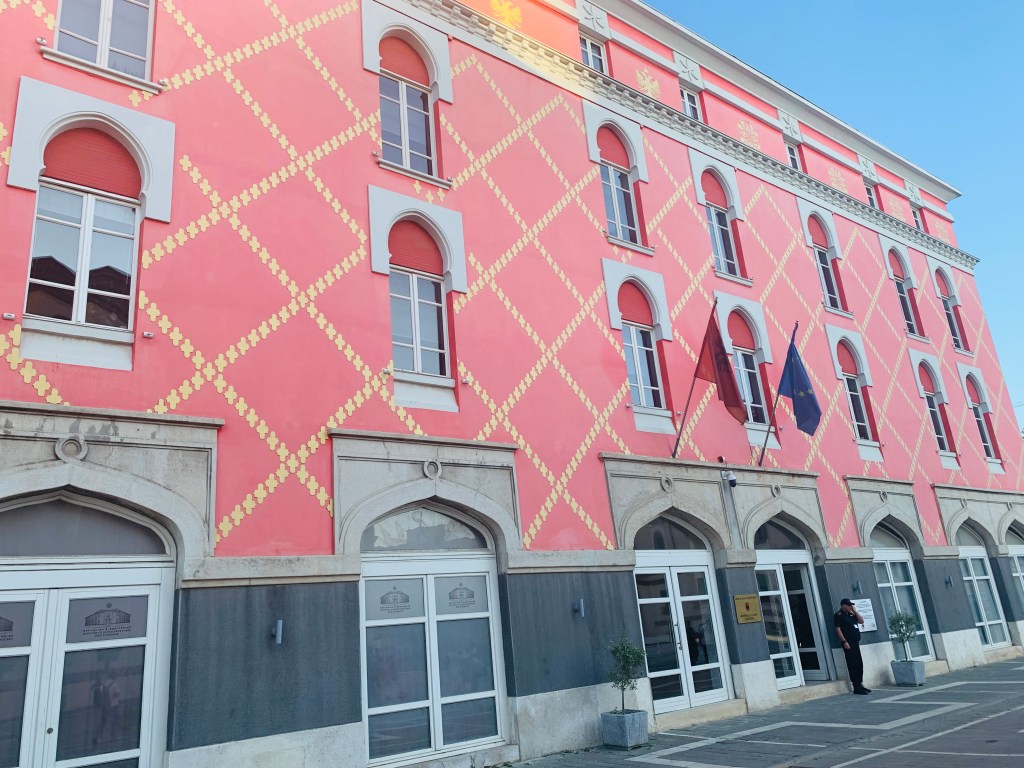
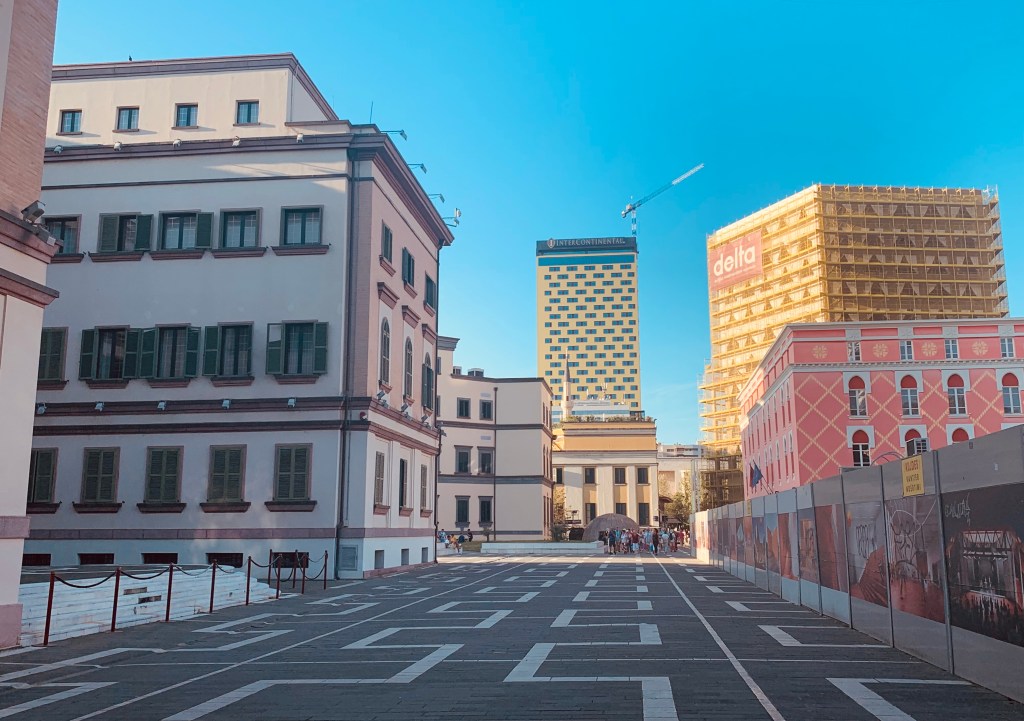
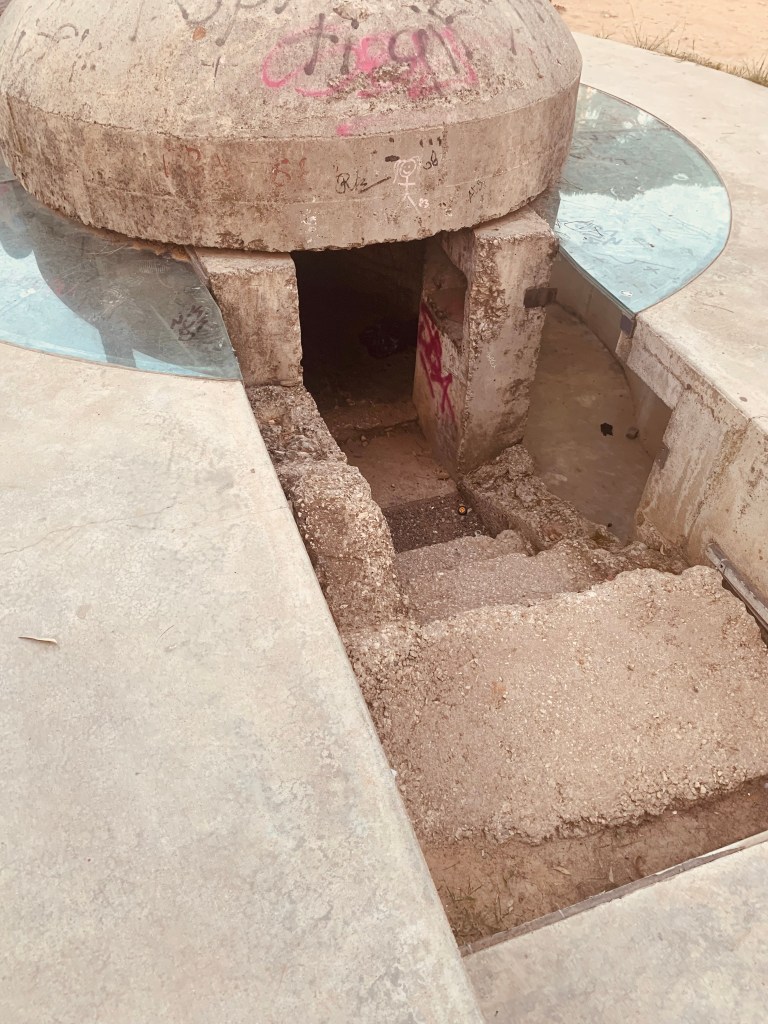
As I navigated through the city’s streets, I was drawn to the eclectic mix of architecture — from Italian and Ottoman influences to stark communist-era structures. The colorfully painted buildings, an initiative from the early 2000s to bring a touch of cheerfulness to the city, added a distinct character to the urban landscape. Beyond the structures, the soul of Tirana could be felt in its open-air cafes, bustling markets, and the hum of conversations echoing in the squares. Here, in the shadows of the Dajti Mountain, the past and present of Albania converge, offering a unique perspective on a nation continually forging its path forward.










 yimga.blog
Leave a comment