
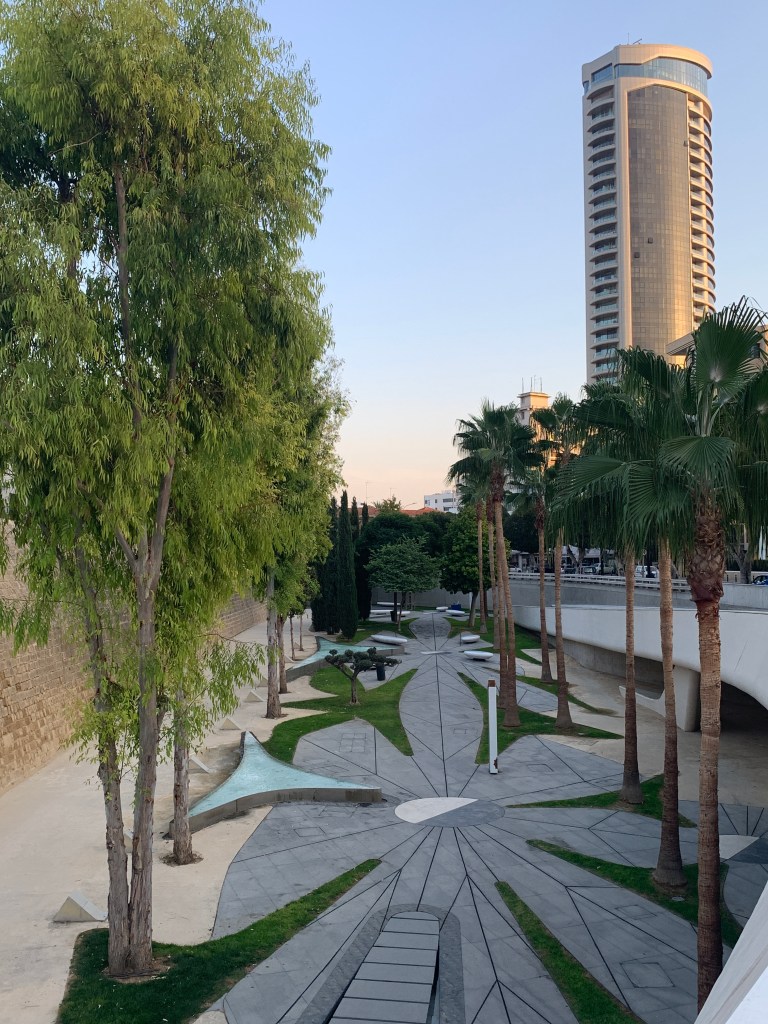
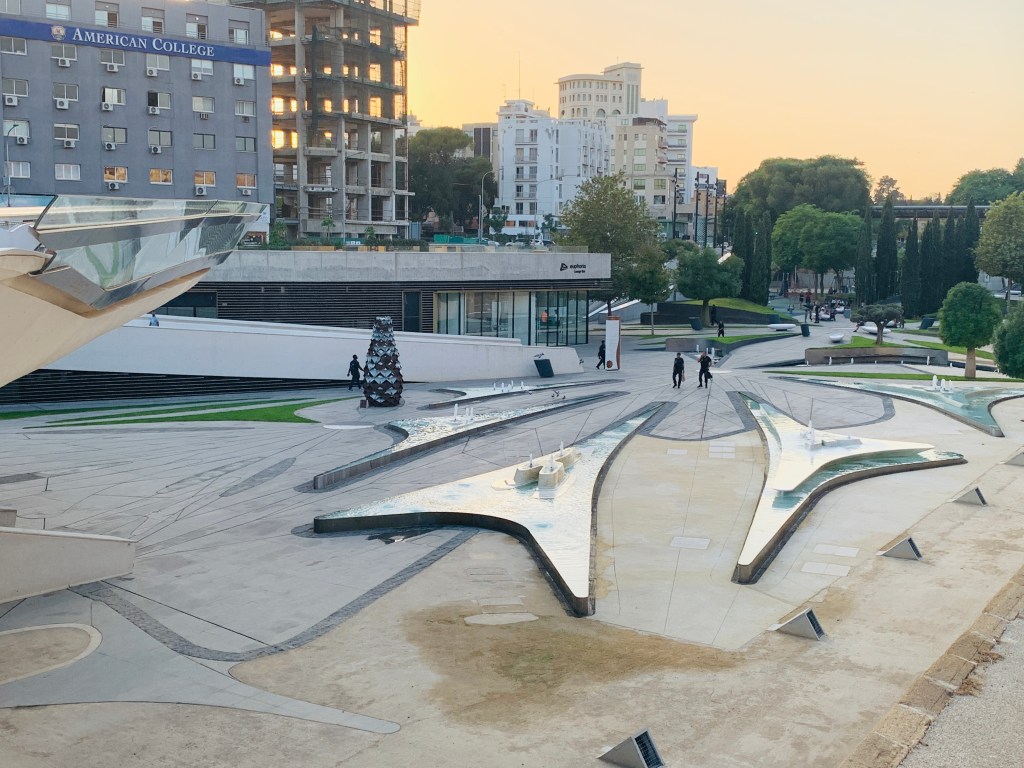
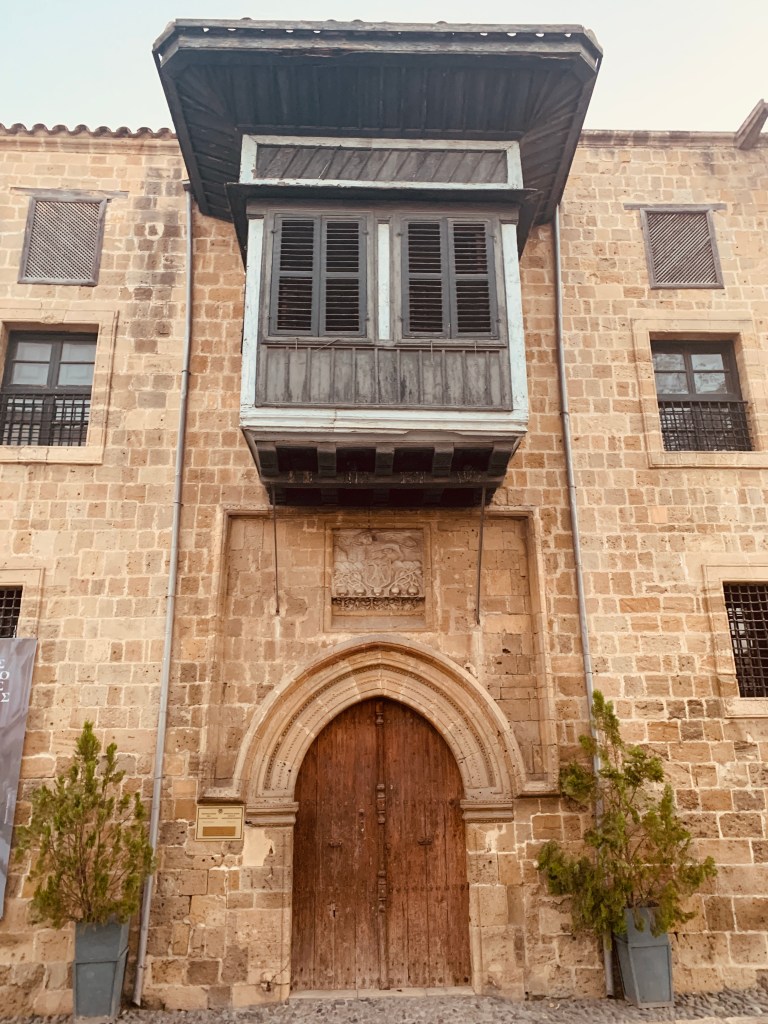
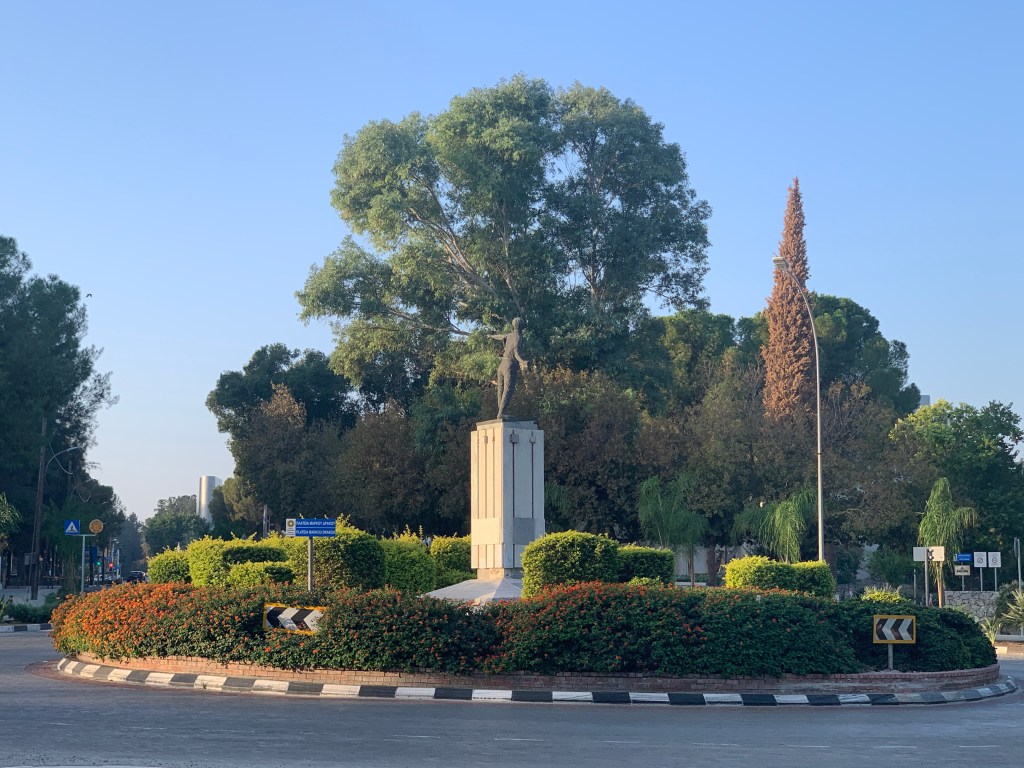
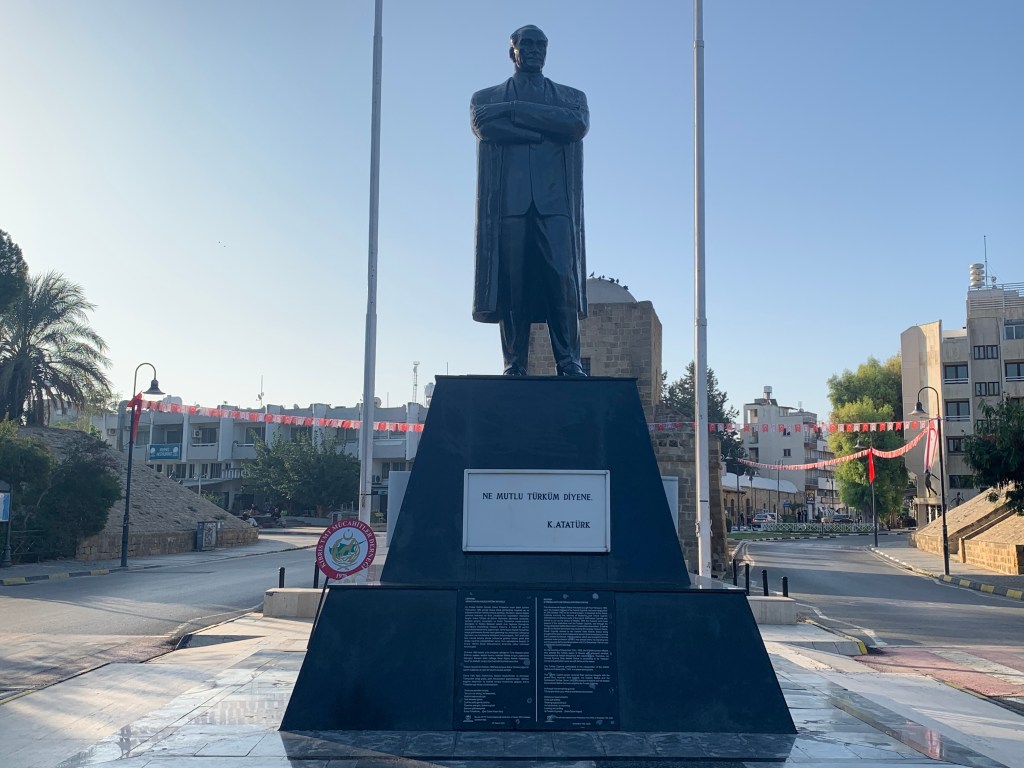
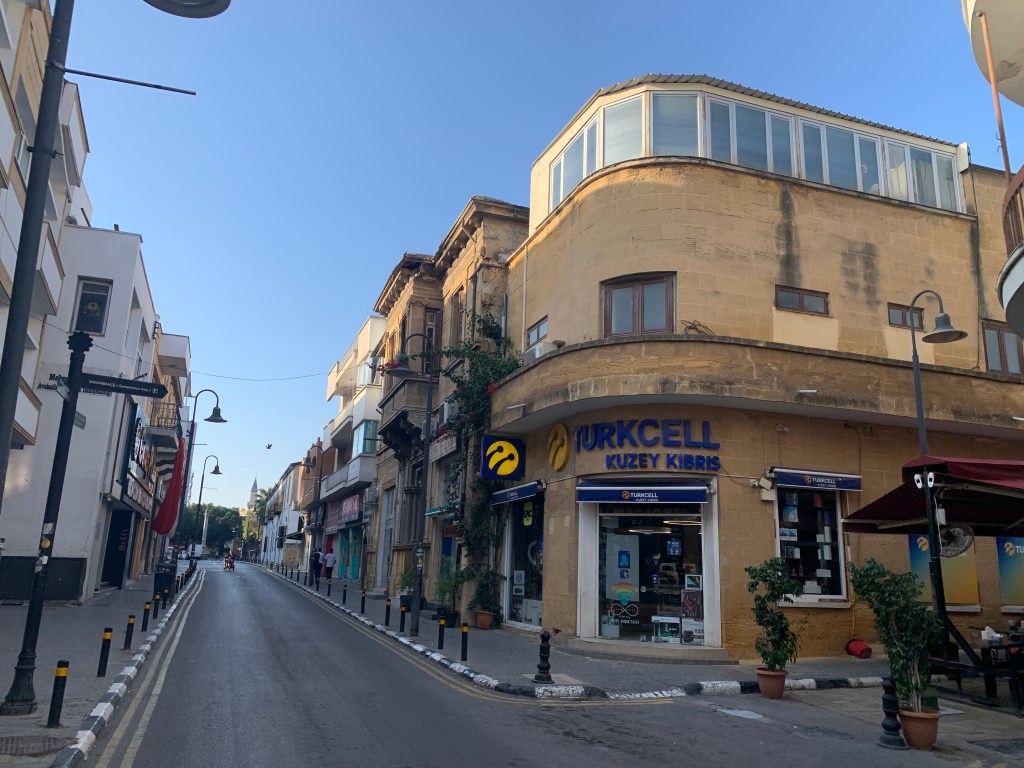
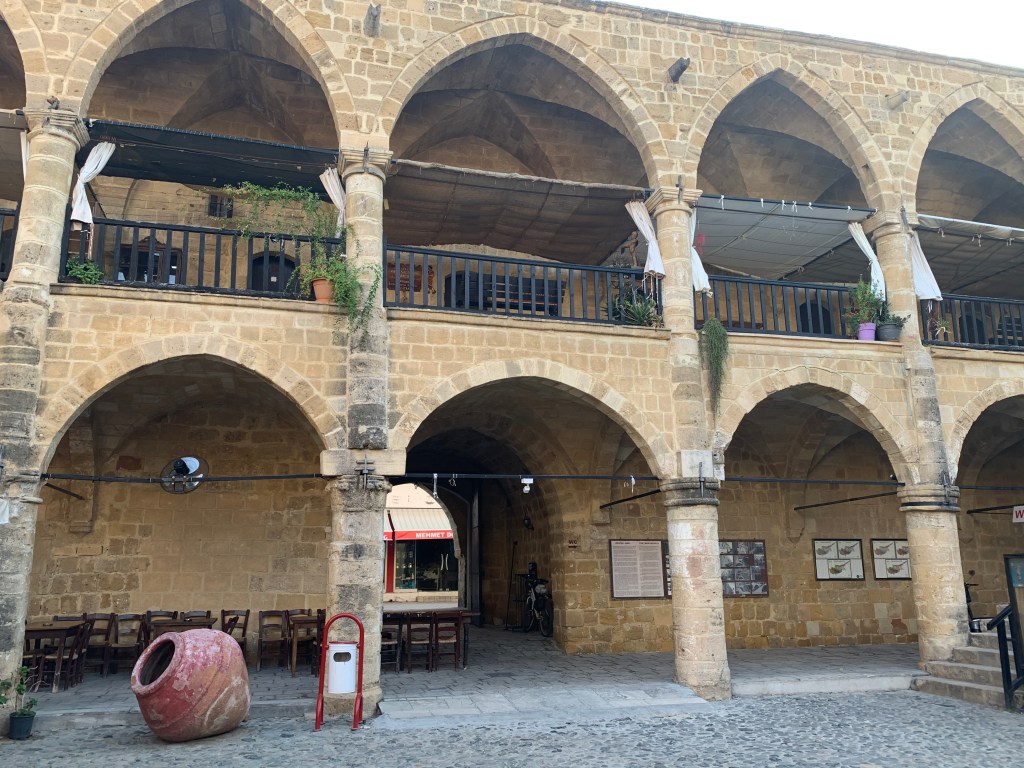
My trip to Nicosia, the capital city of Cyprus, was an unforgettable journey into the island nation’s rich past and dynamic present. The city, divided into a Greek Cypriot south and a Turkish Cypriot north, encapsulates the historical and political complexities that have shaped the country. Walking through the narrow streets of the Old City, encased within the formidable Venetian walls, felt like a stroll through time. The blend of different architectural styles, from medieval to Ottoman, spoke volumes about Nicosia’s long and varied history.
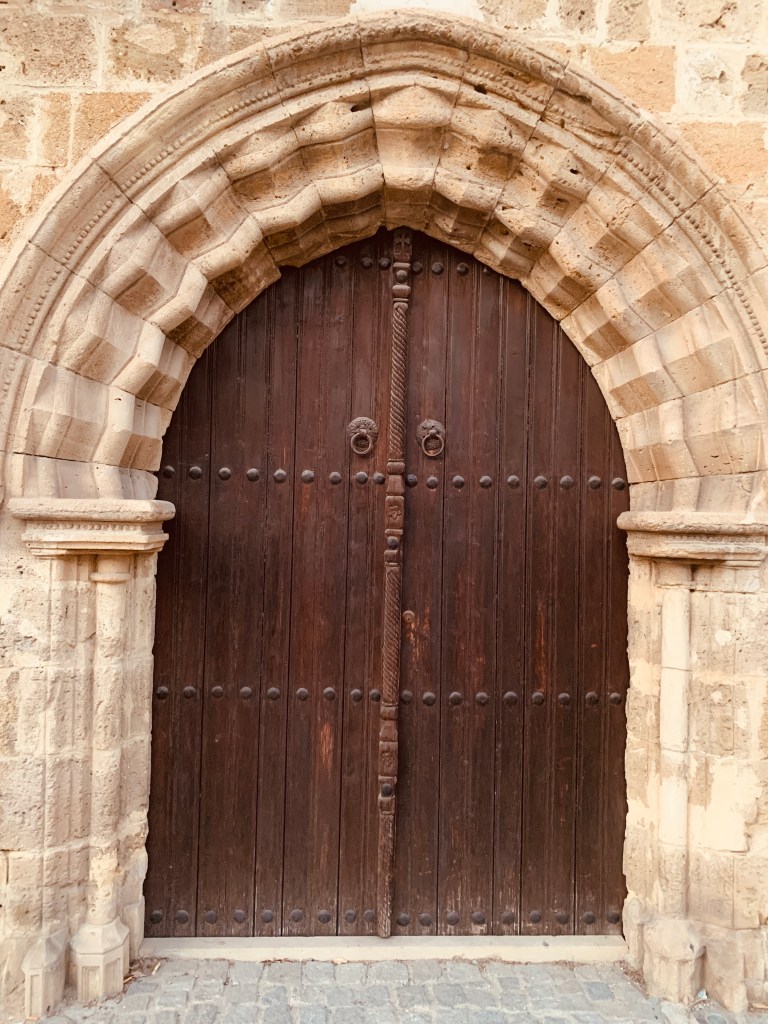
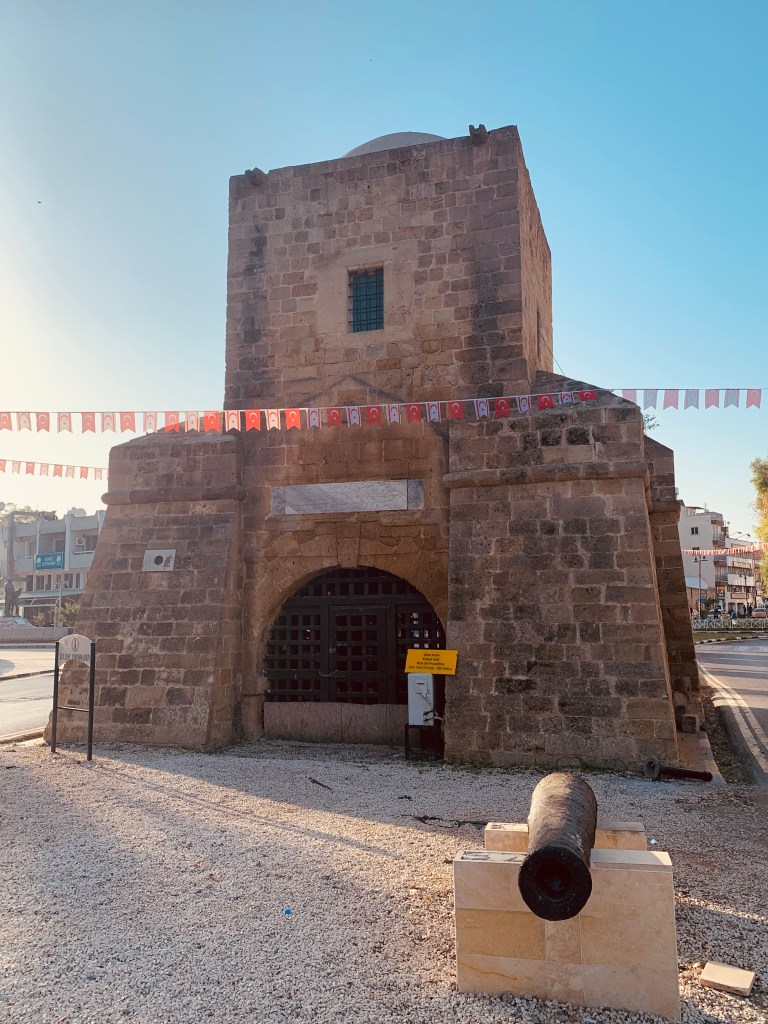
One of the highlights of my visit was exploring the Famagusta Gate, one of the three original gates in the Venetian walls. This gate, a testament to Nicosia’s fortifications built in the 16th century, has been remarkably preserved and stands as a symbol of the city’s resilience and historical significance. The arched gateway and the well-maintained walls were a tangible link to the past, transporting me to a time when these fortifications were a vital defense mechanism for the city.
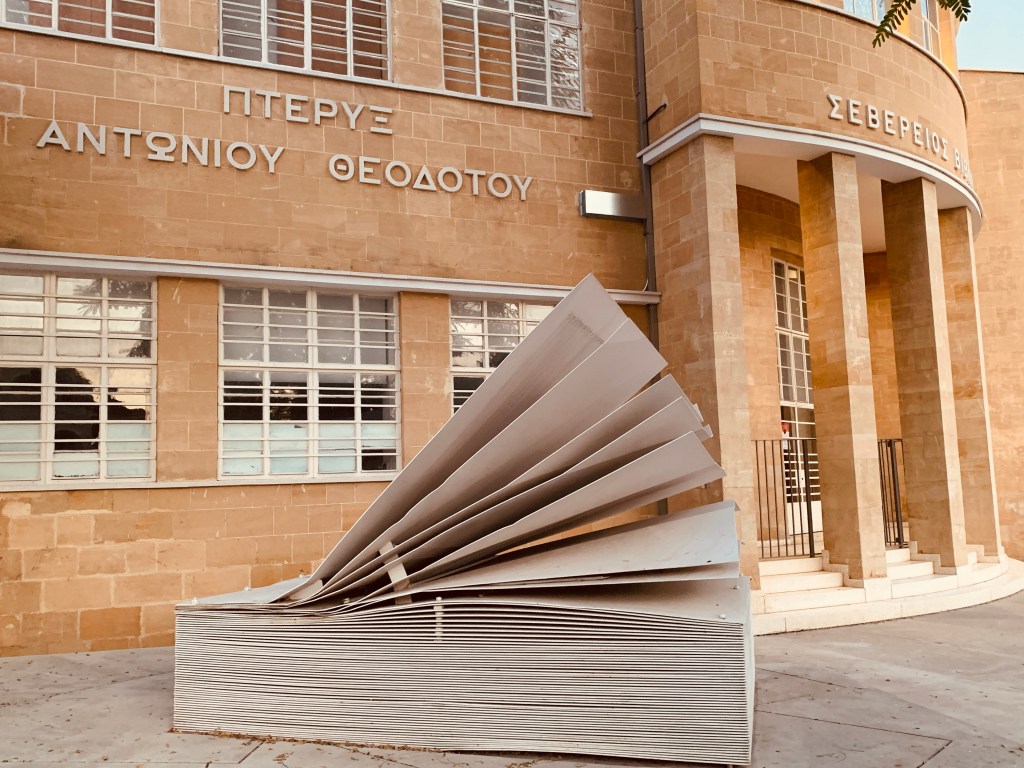
My journey through Nicosia was enriched by visits to the iconic Ledra Street, the bustling hub of the city, the impressive Cyprus Museum, and the beautiful Selimiye Mosque. Each landmark offered a unique perspective on the city’s diverse cultural influences and historical events that have shaped its identity. As I left Nicosia, I felt a profound connection to the city’s past and a deep appreciation for the way it has embraced its history while forging a distinct and harmonious identity in the present.











 yimga.blog
Leave a comment