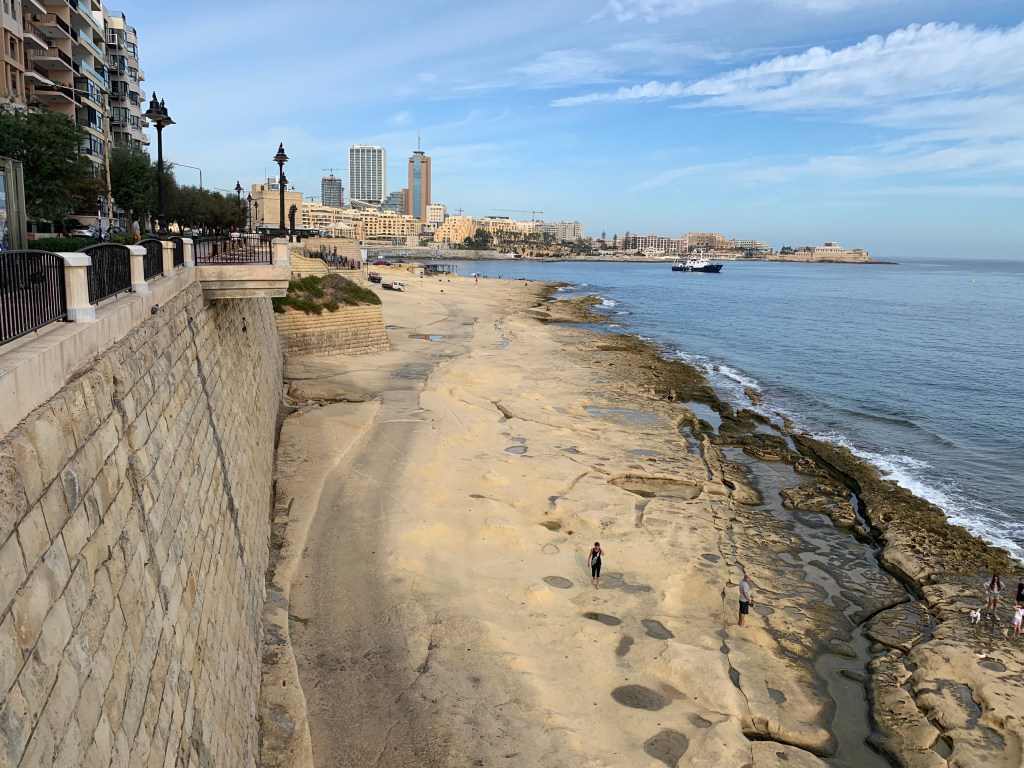
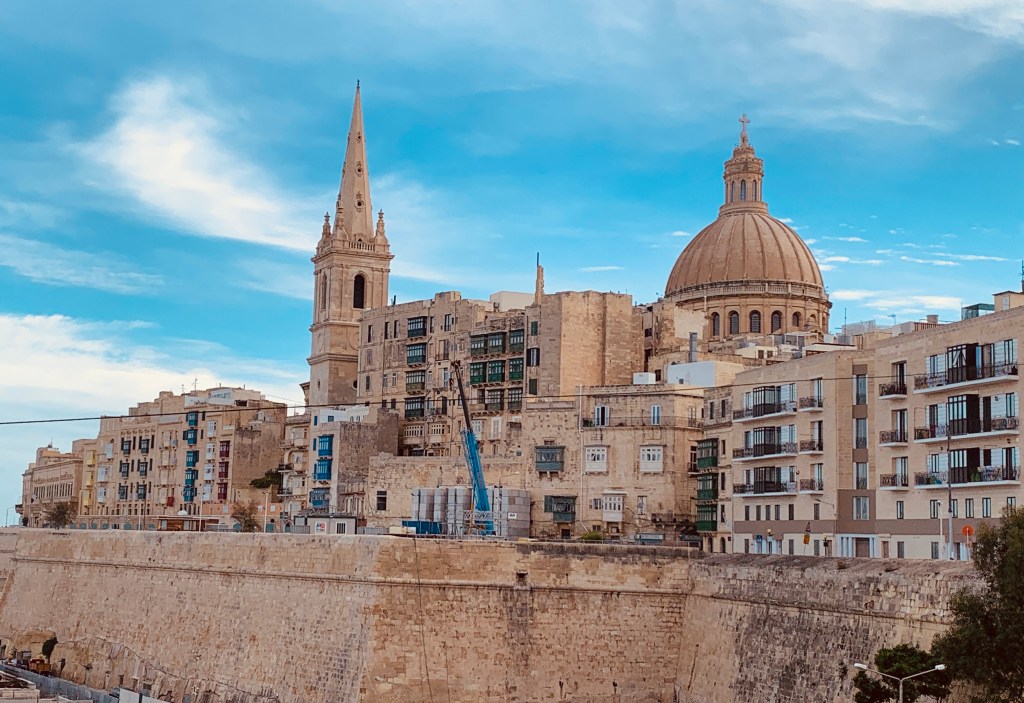
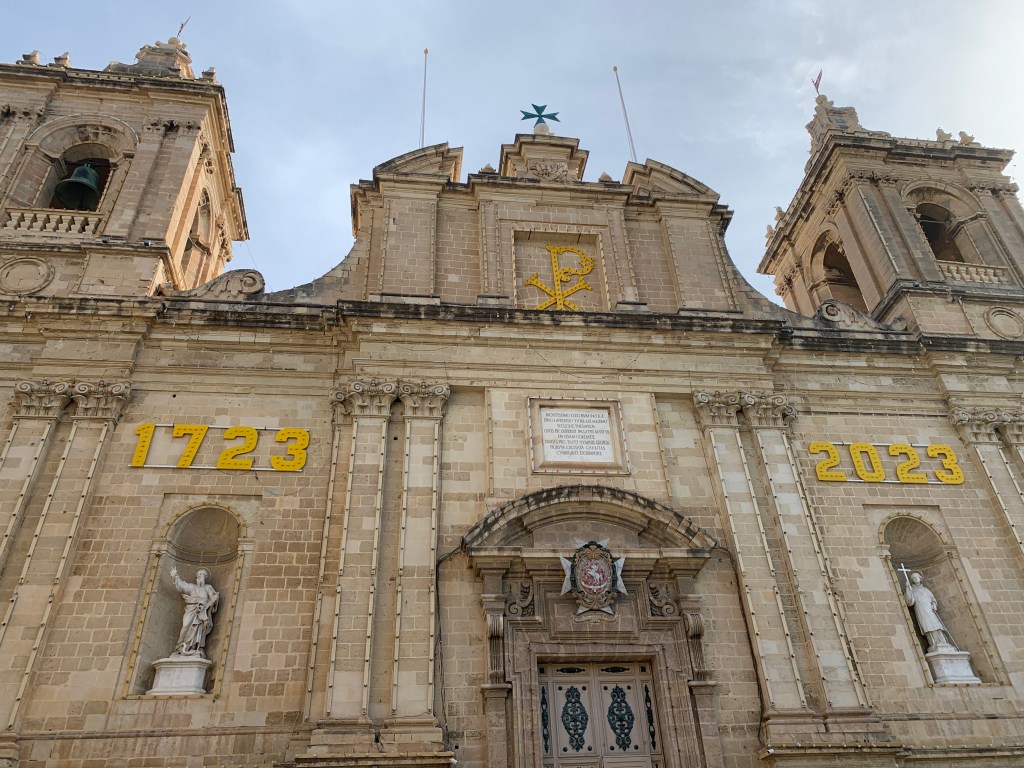
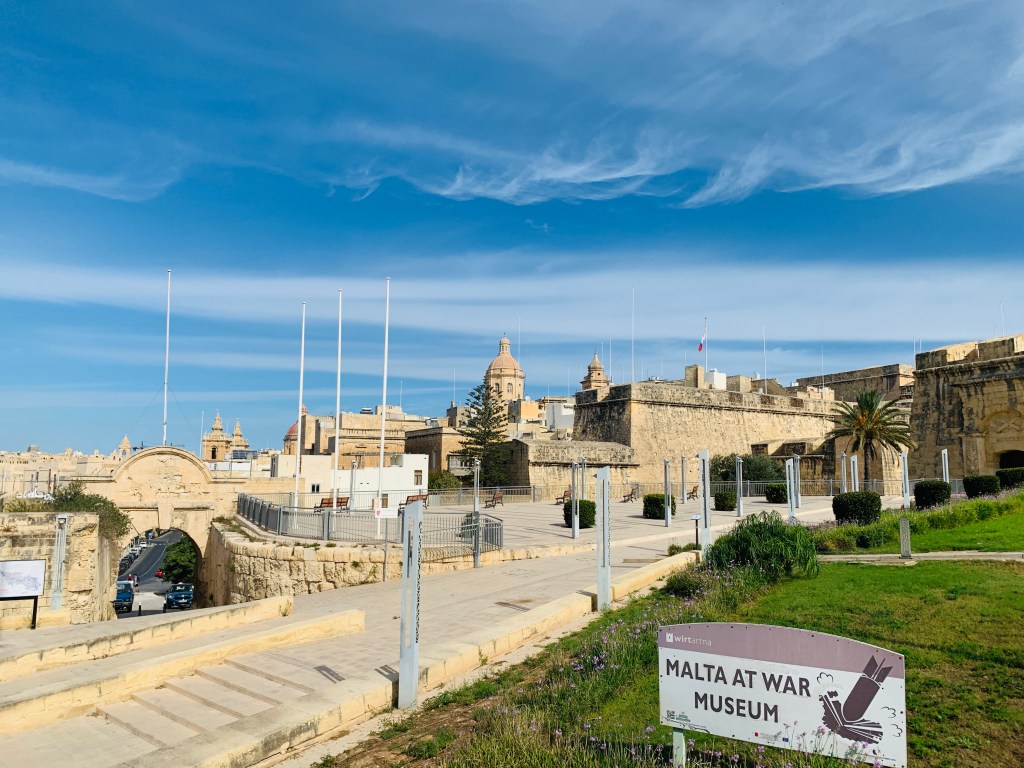
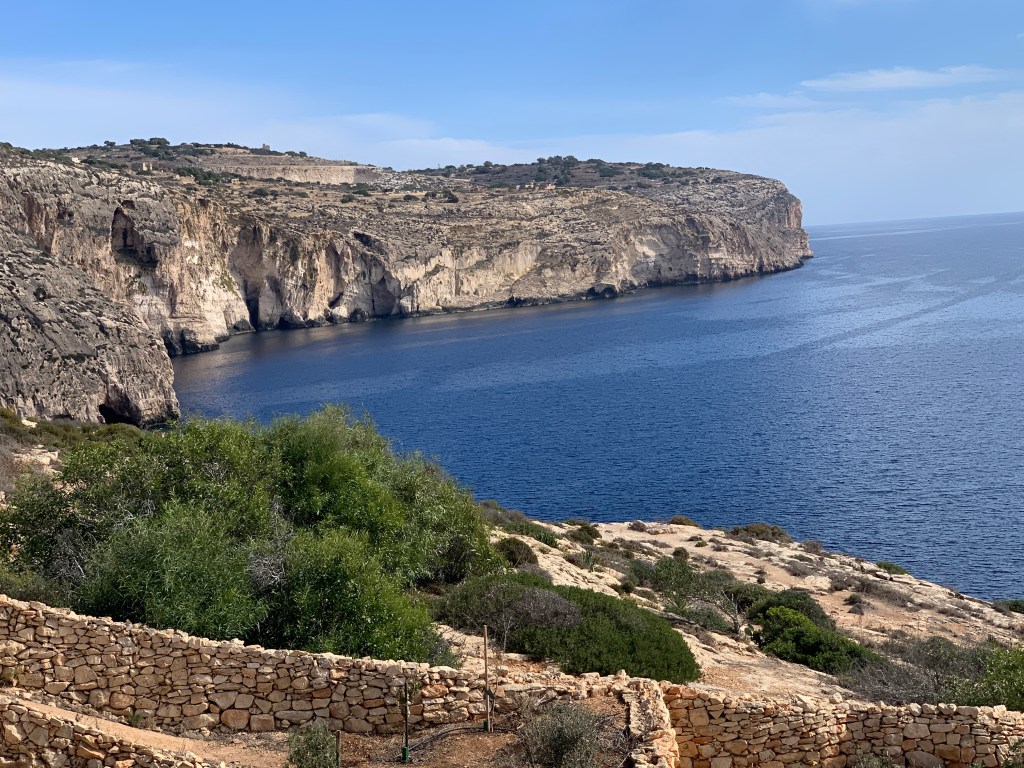
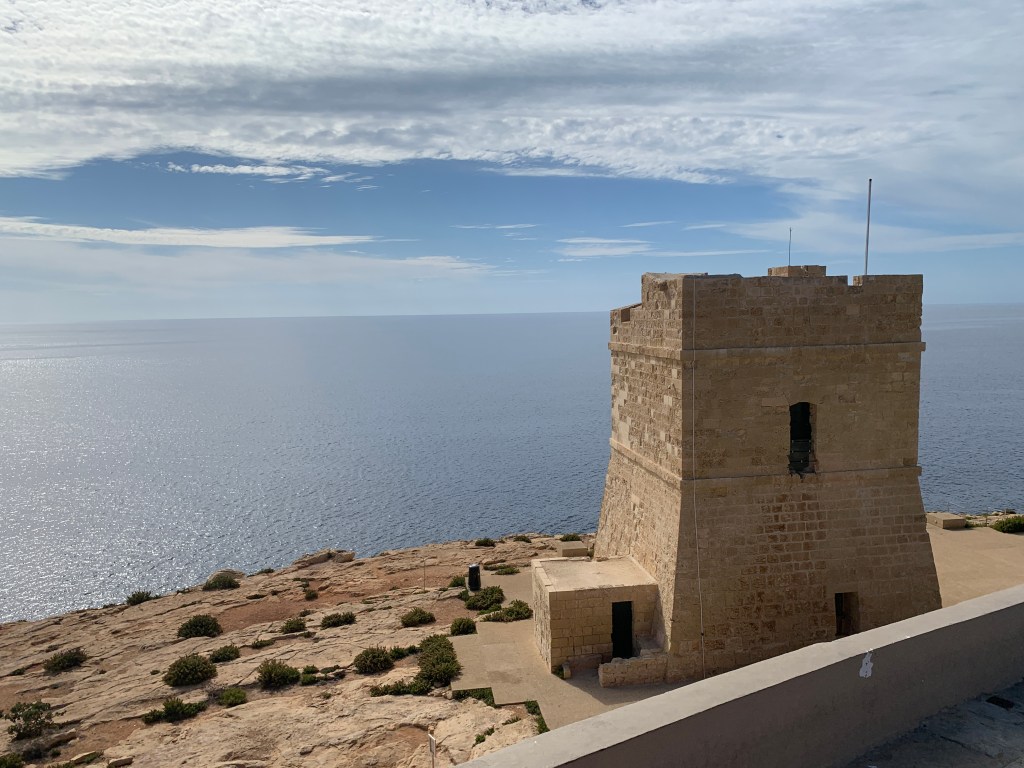
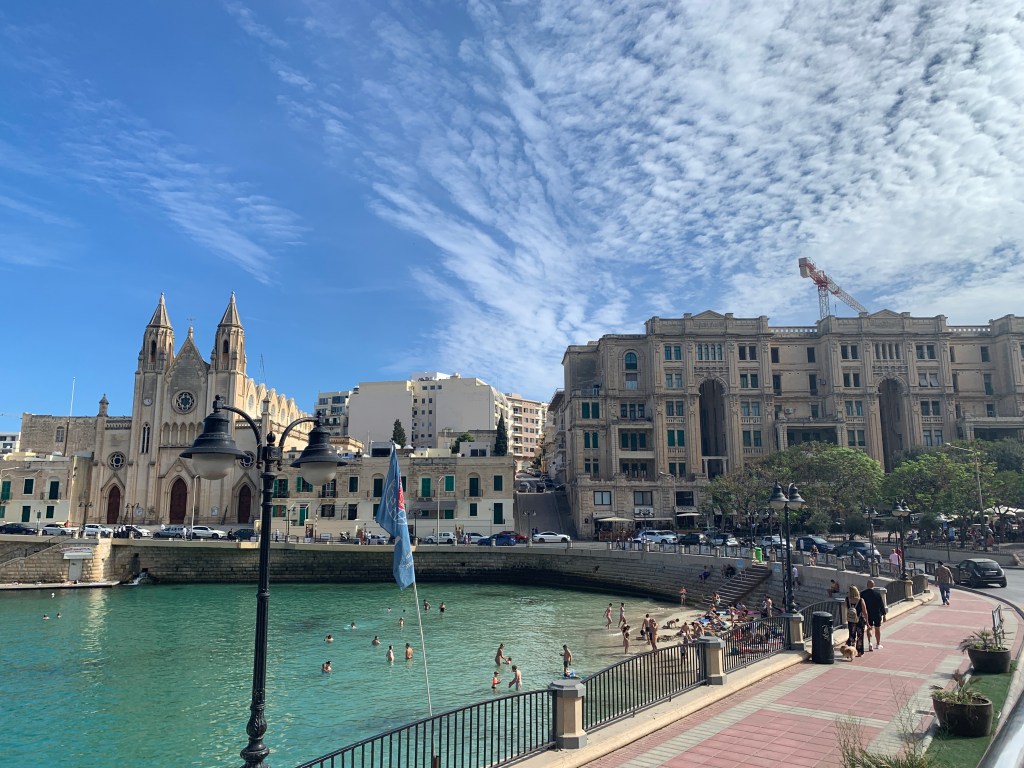
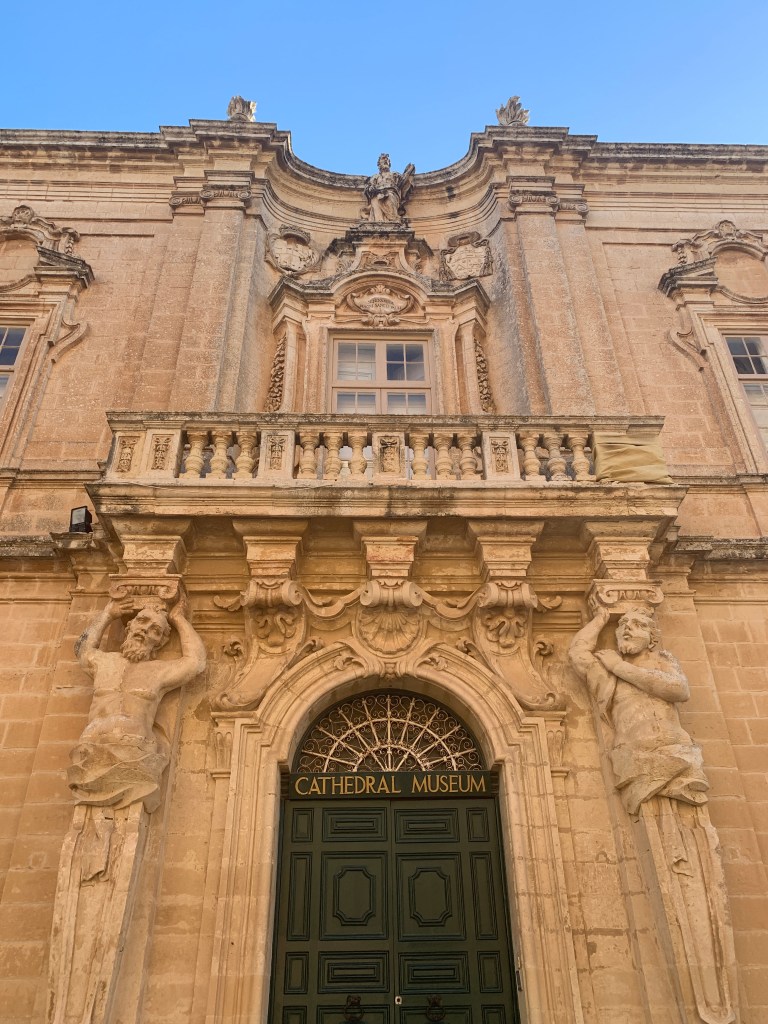
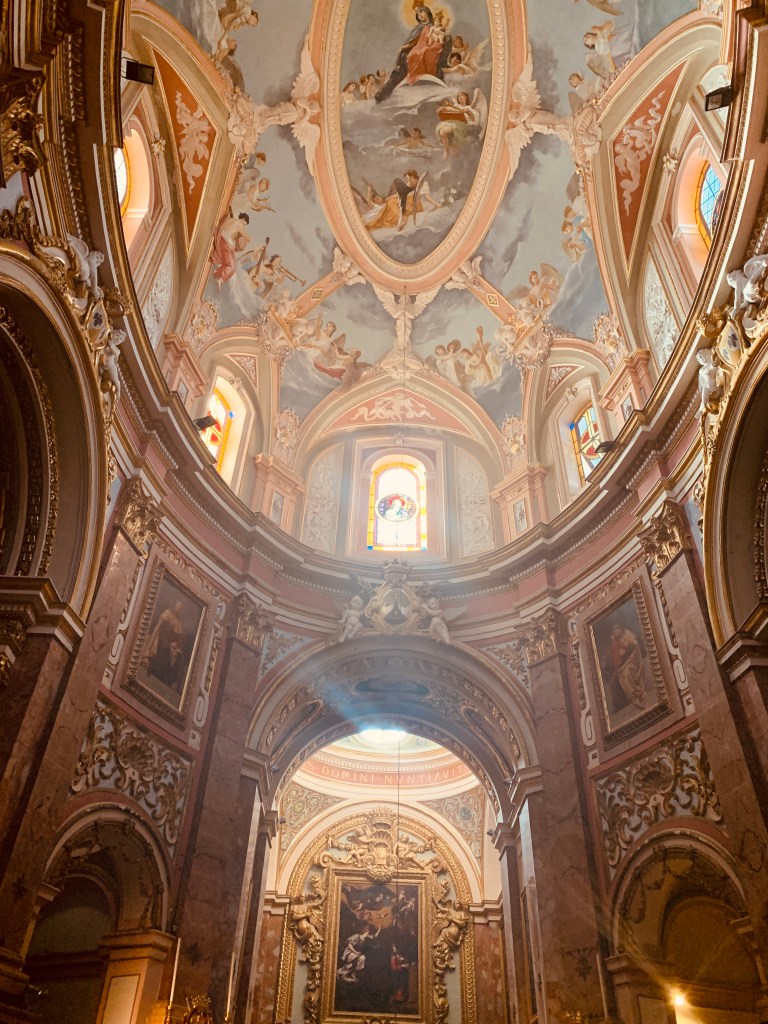
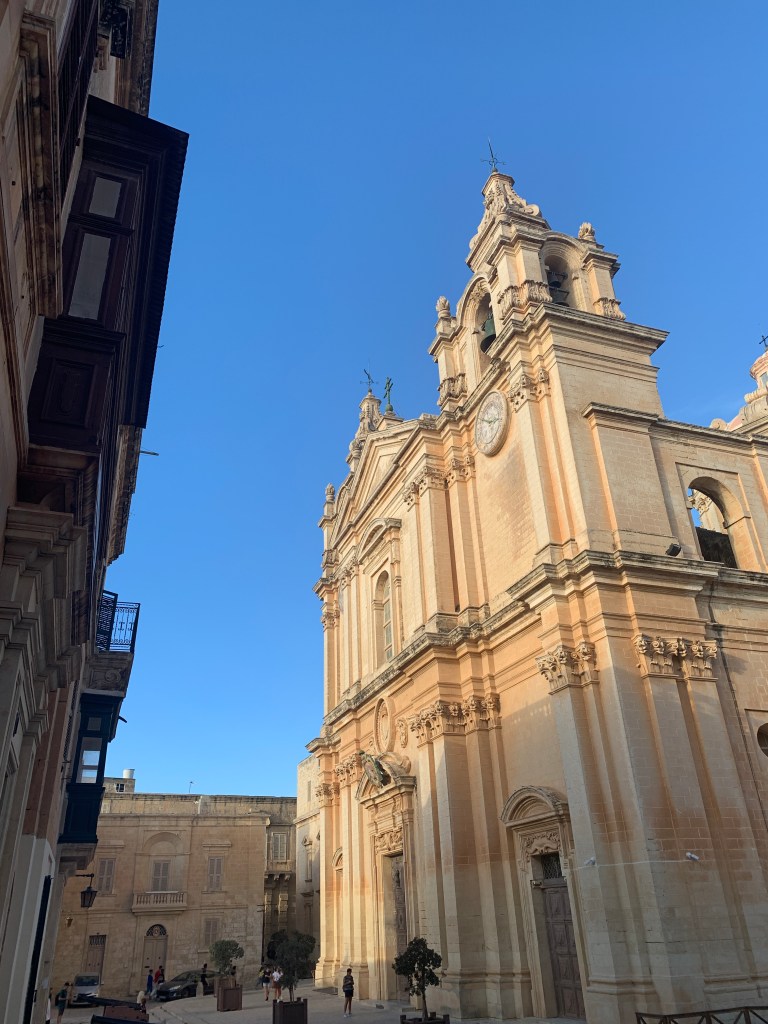
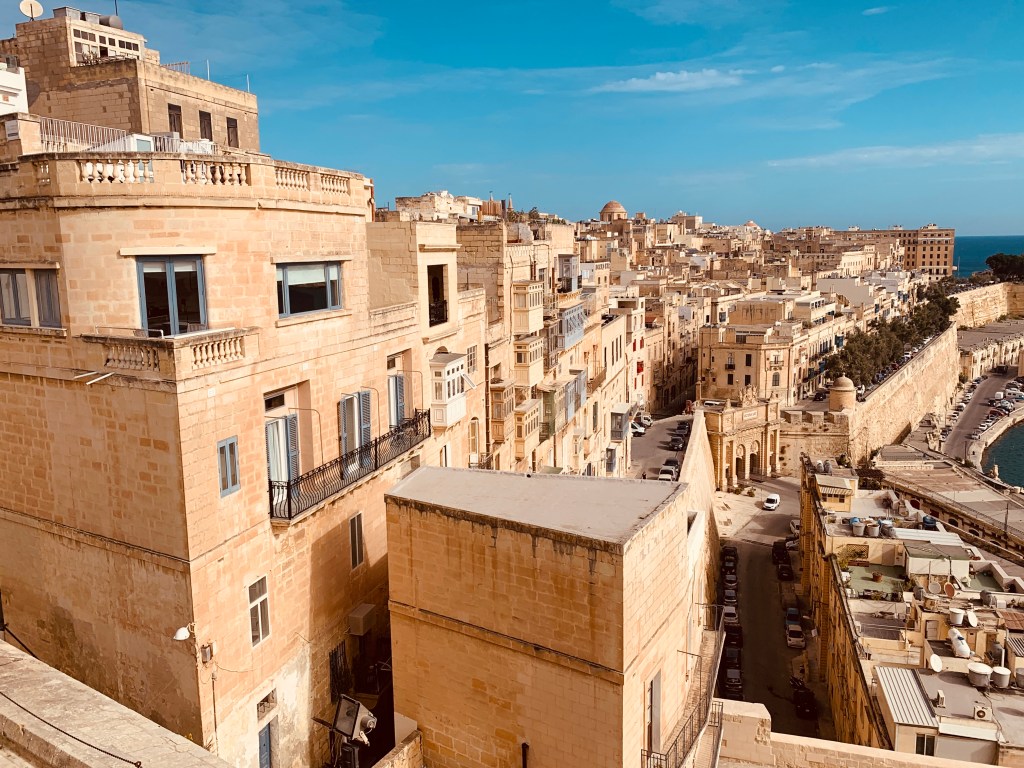
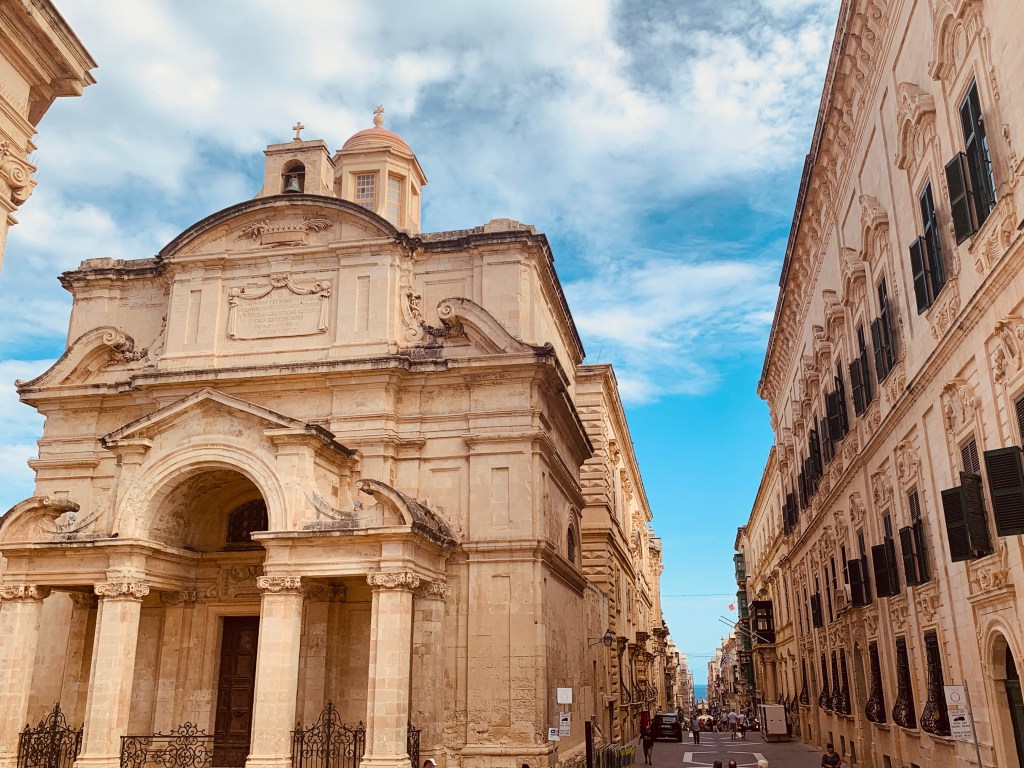
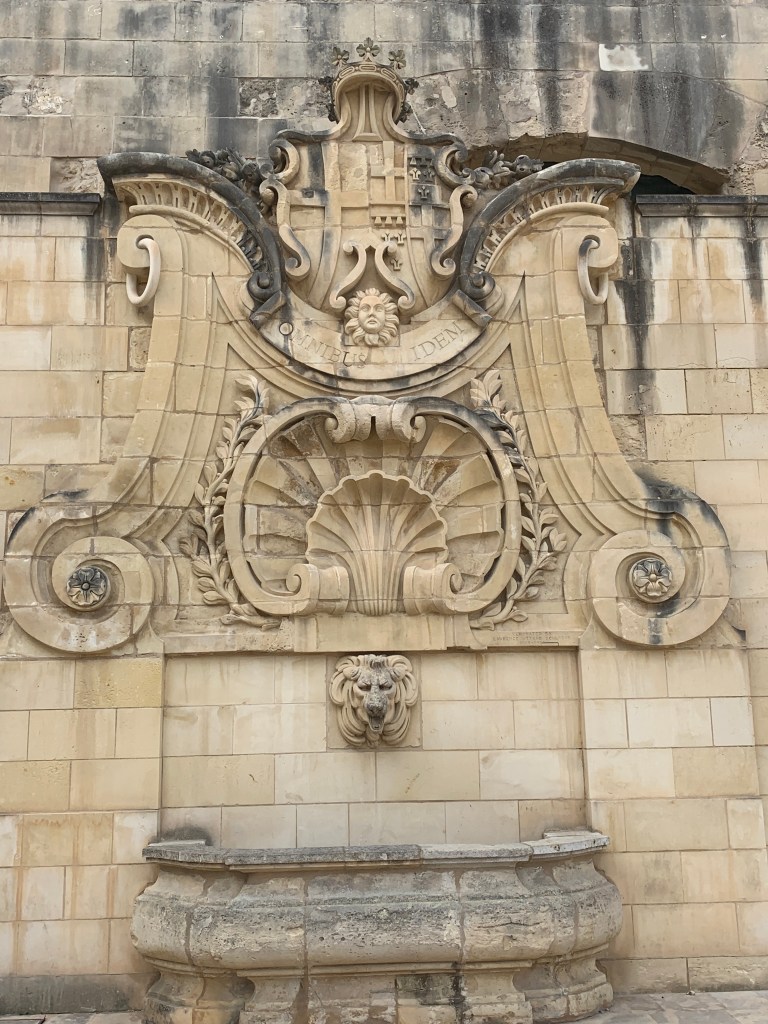
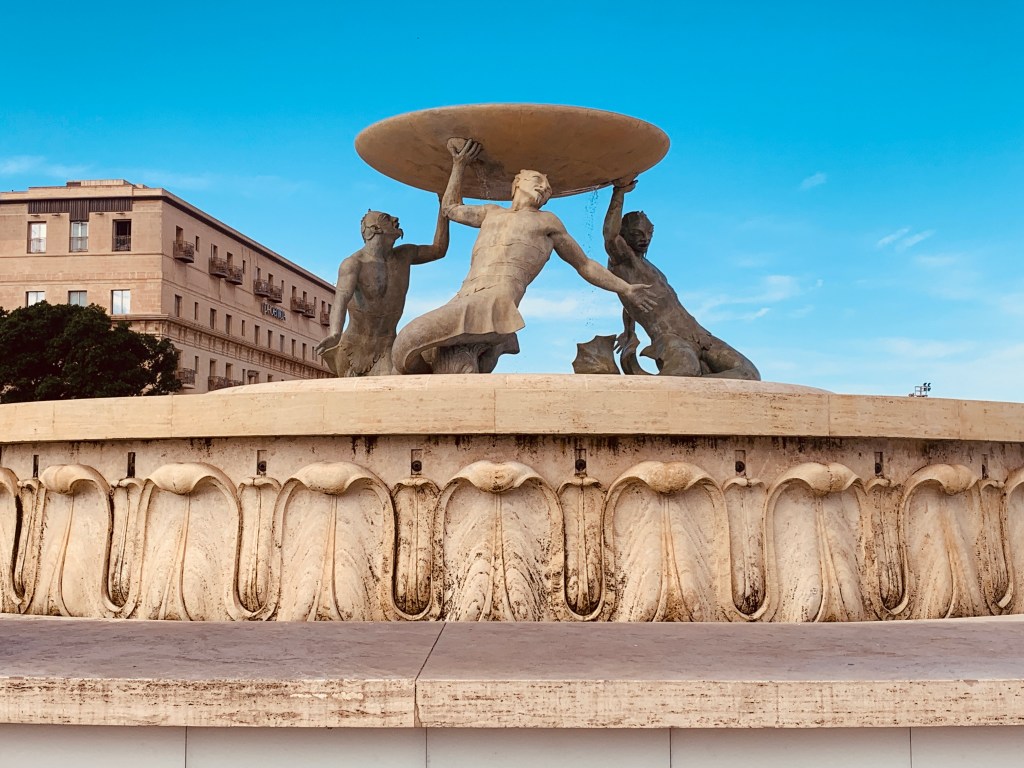
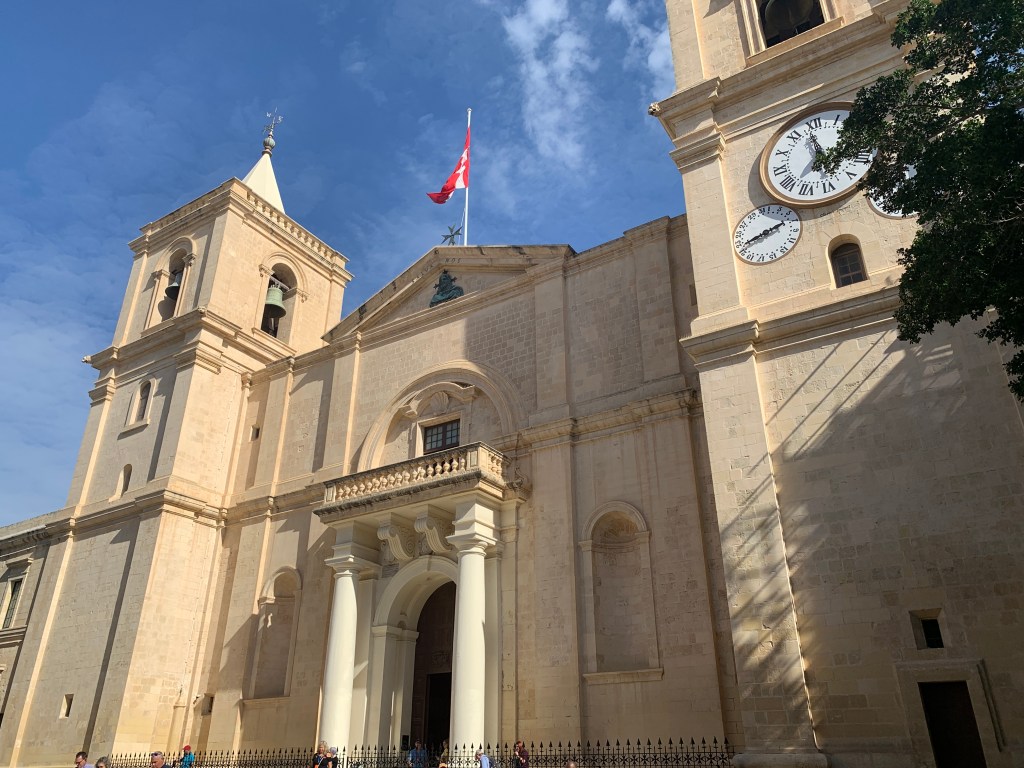
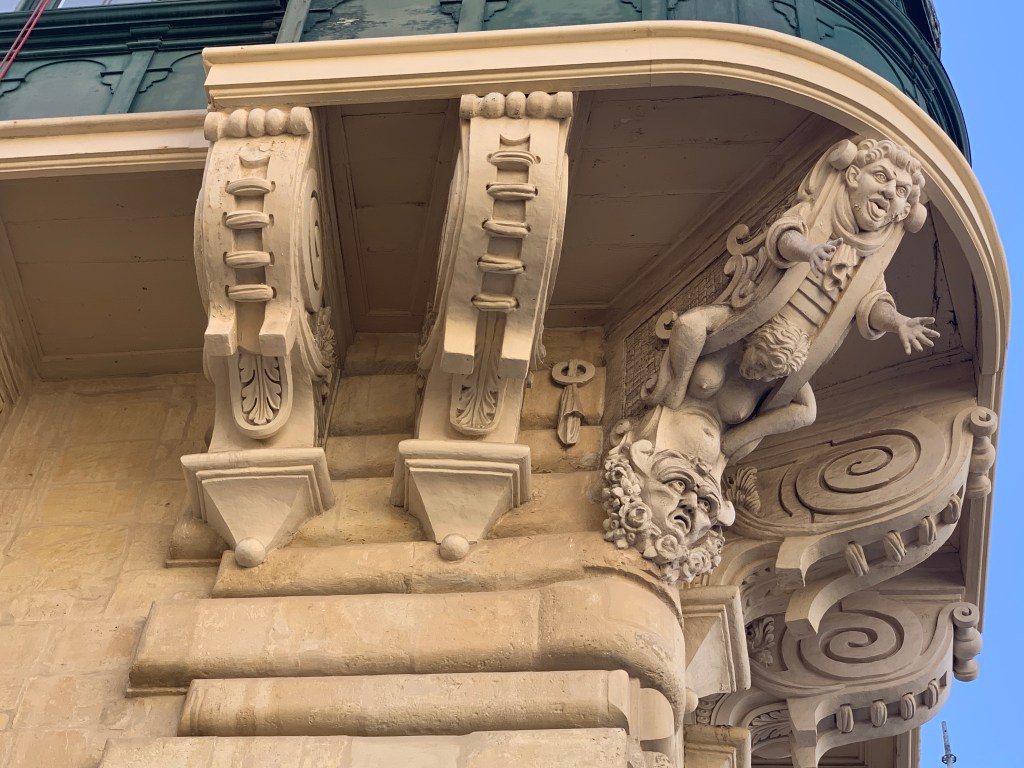
As the plane descended over the azure waters of the Mediterranean, the sun-kissed archipelago of Malta came into view. Malta’s rich history is etched into the limestone cliffs, ancient temples, and towering fortifications that guard its coastlines. The island, having been occupied by the Phoenicians, Romans, Arabs, and the Knights of St. John, among others, carries the marks of its past with pride. In Valletta, Malta’s capital city, the grandeur of the Baroque architecture is a testament to the island’s former rulers, the Knights of St. John. They fortified the city, creating an impregnable bastion that has stood the test of time.
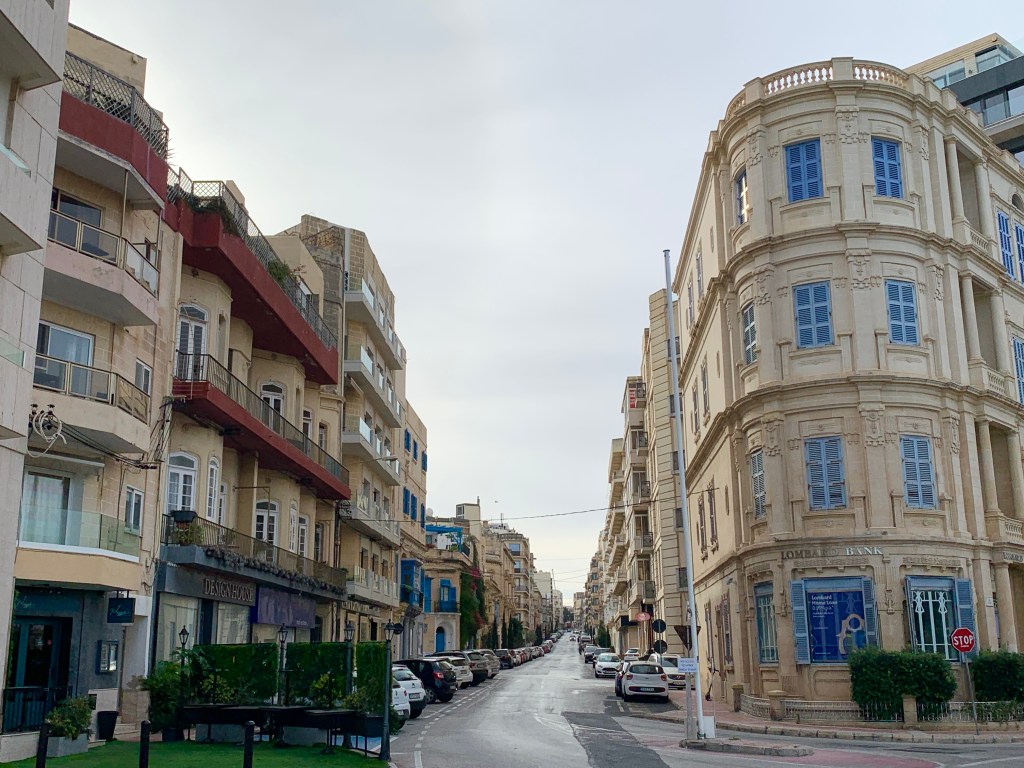
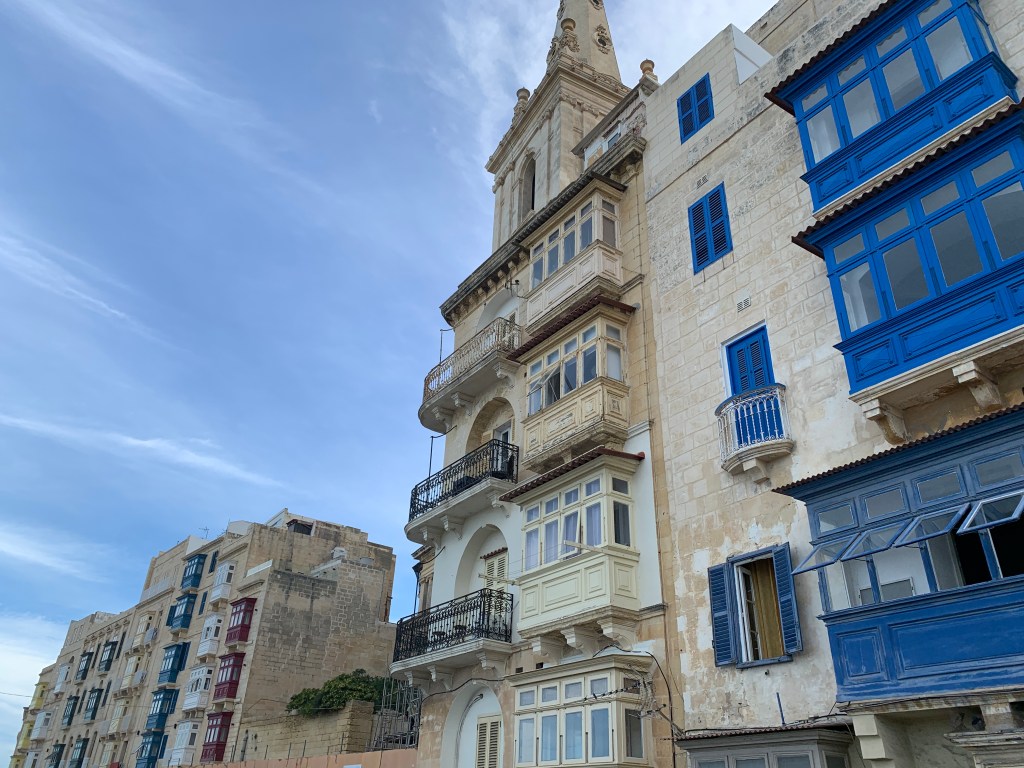
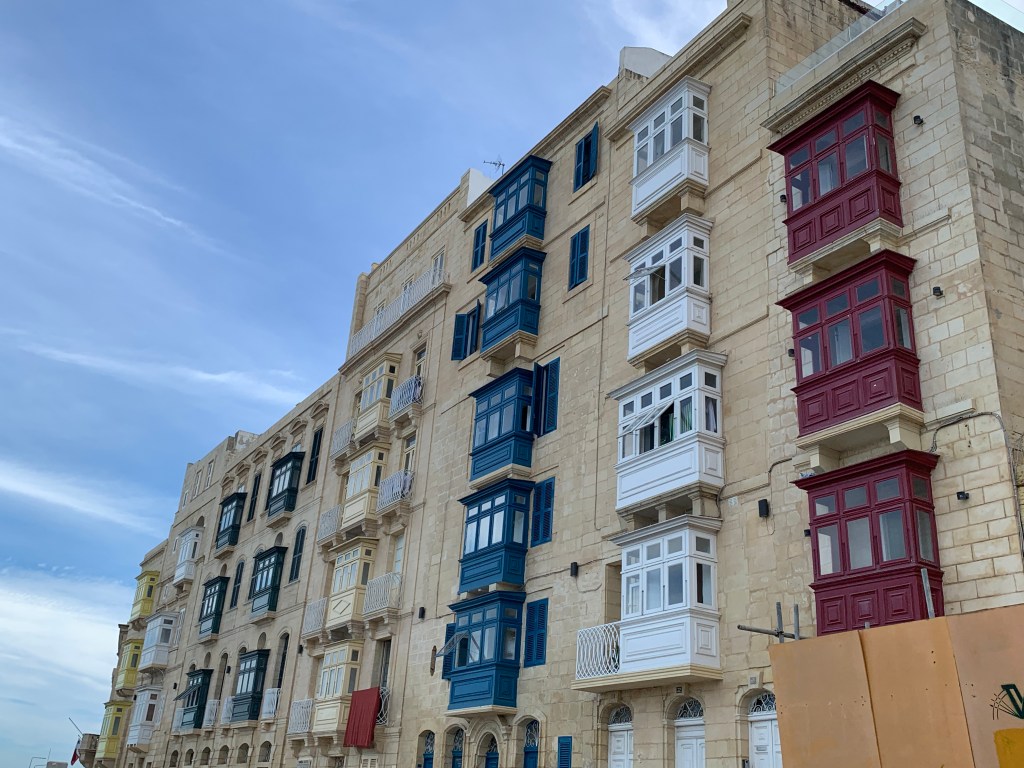
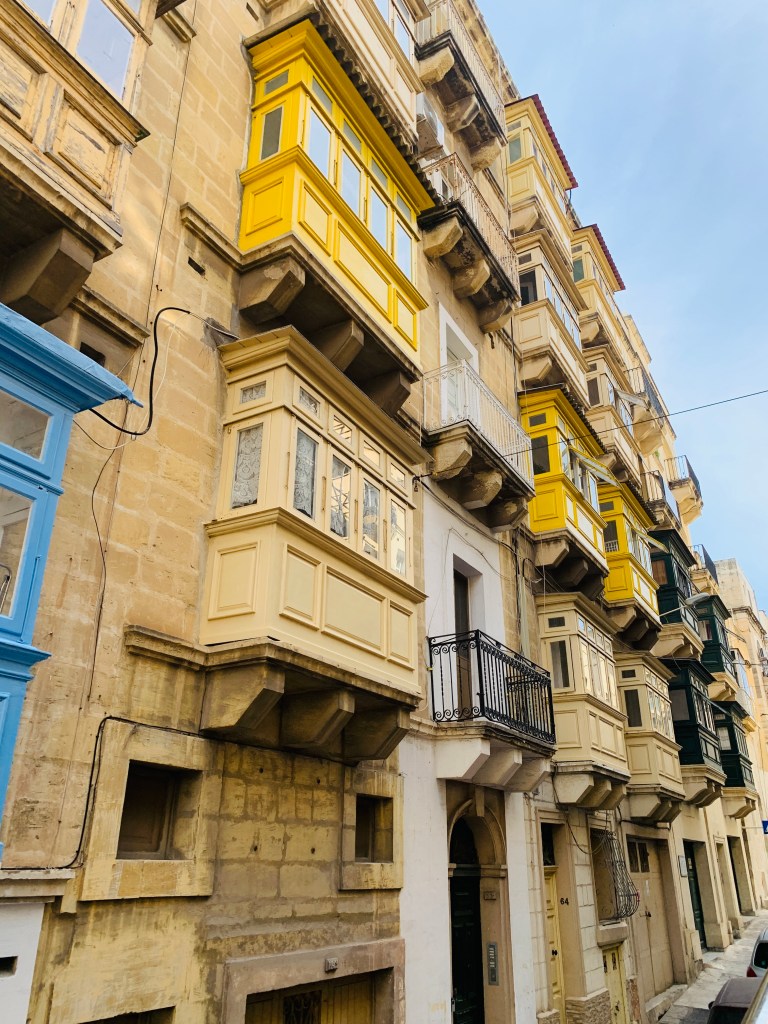
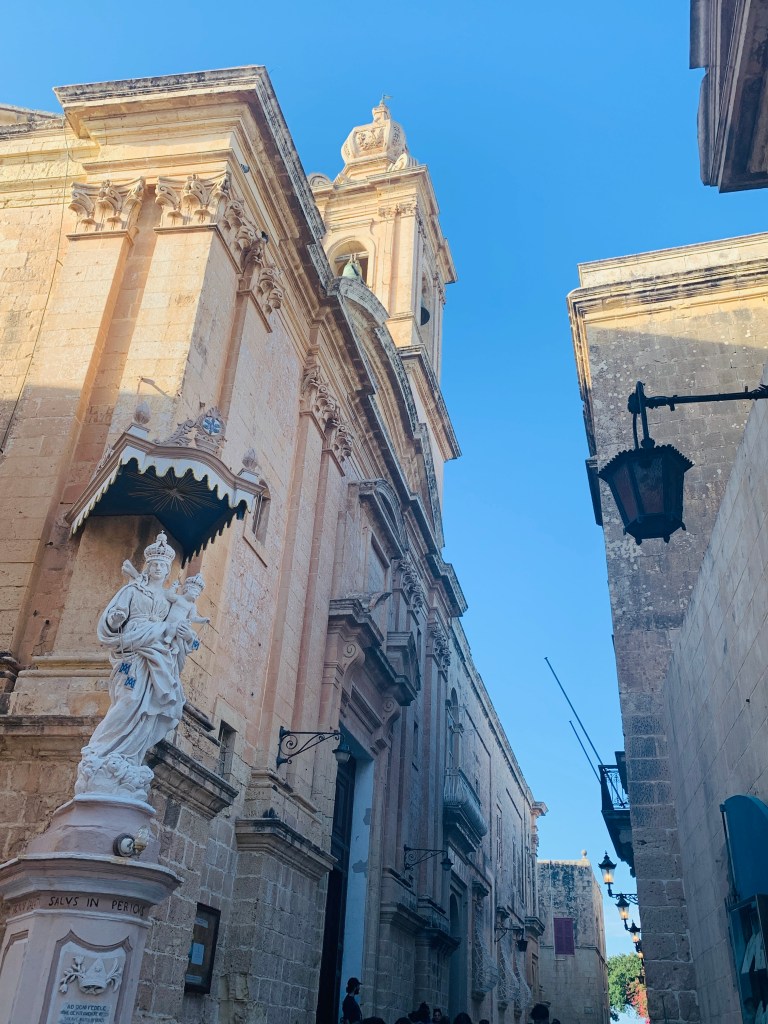
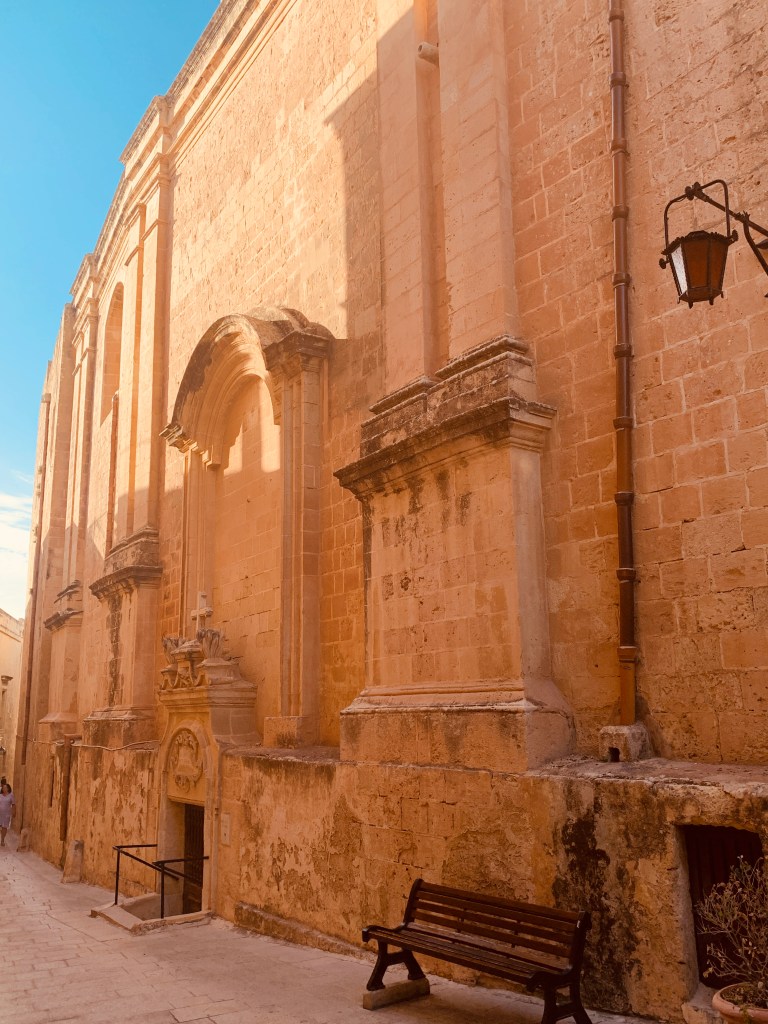
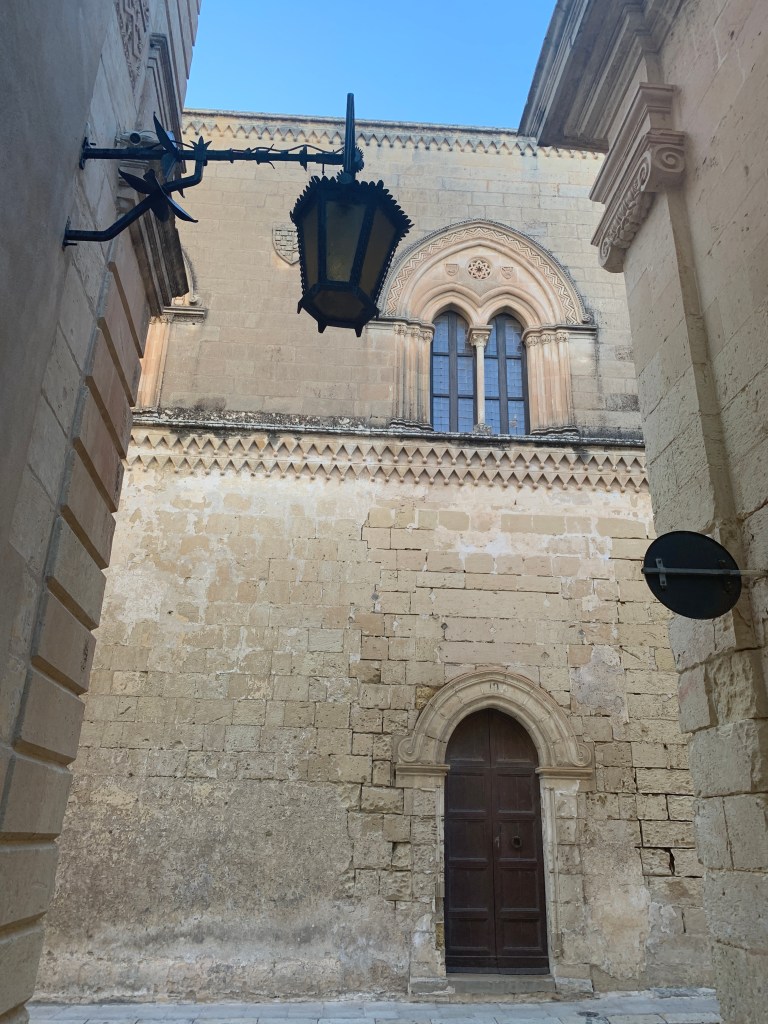
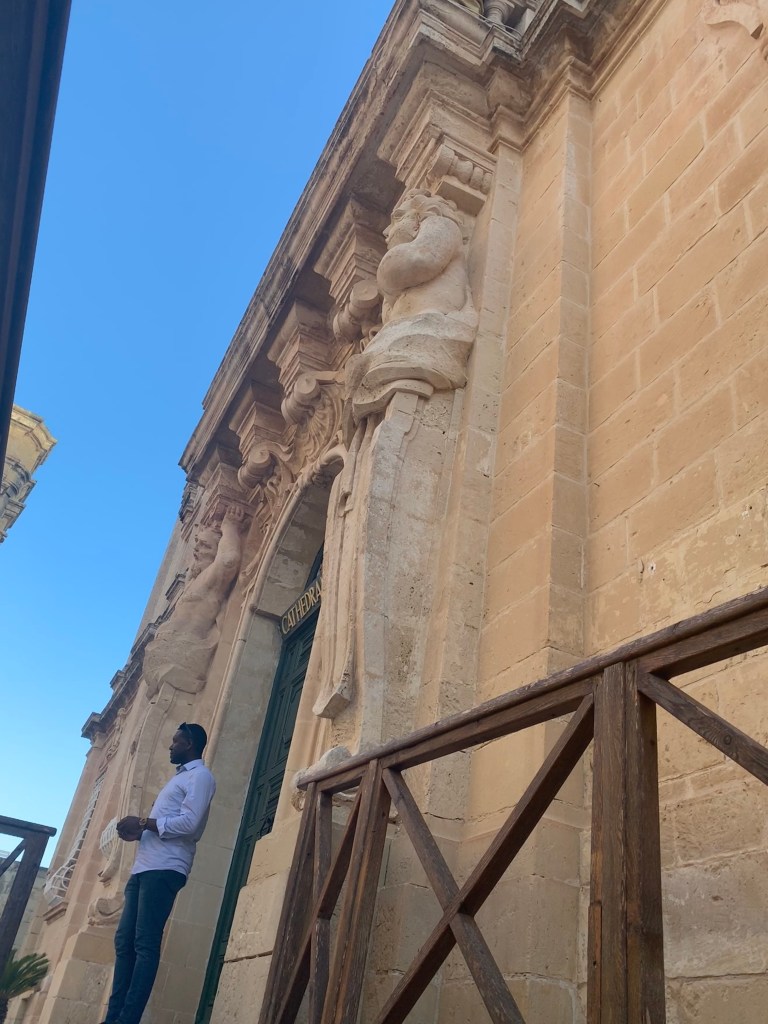
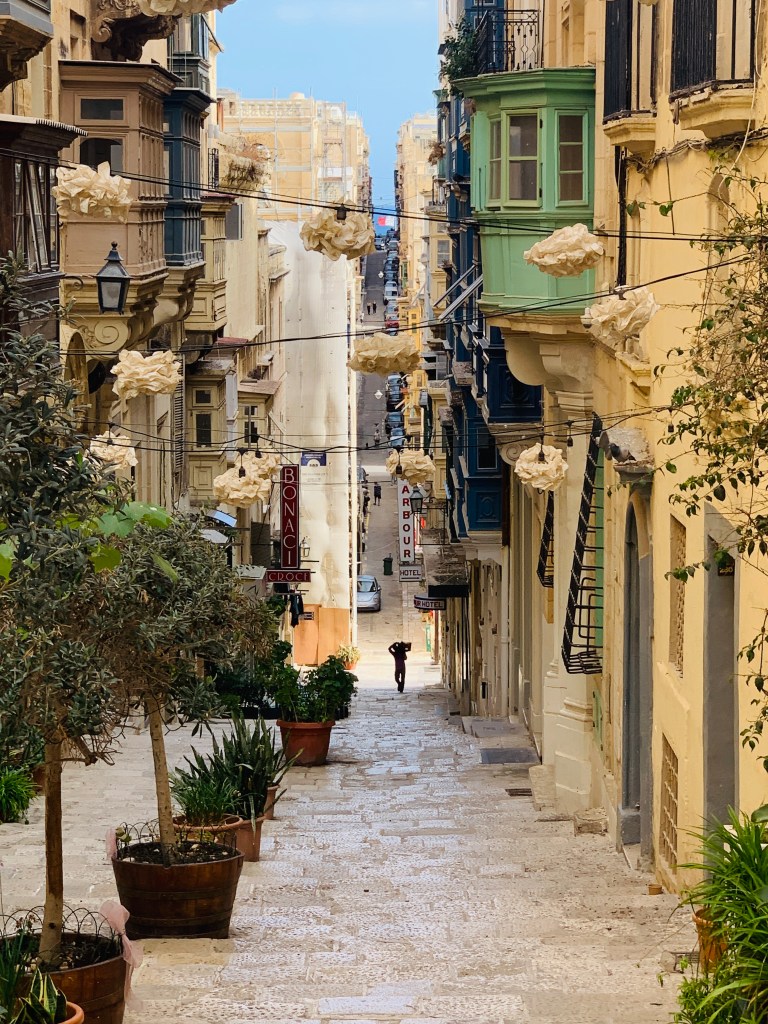
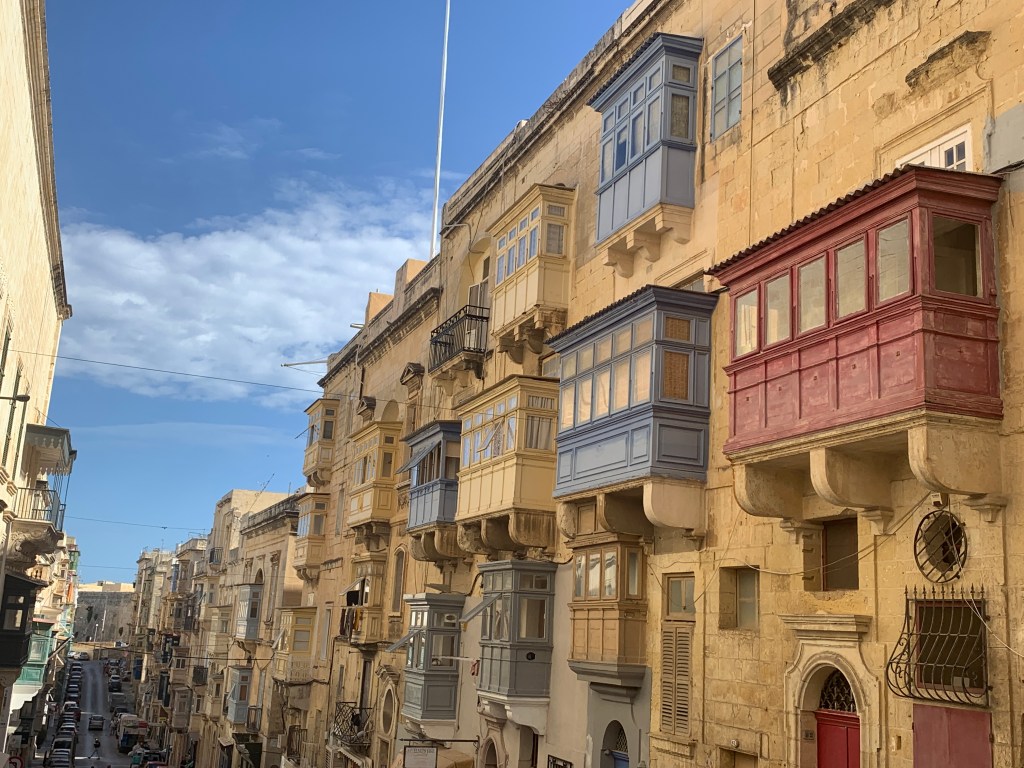
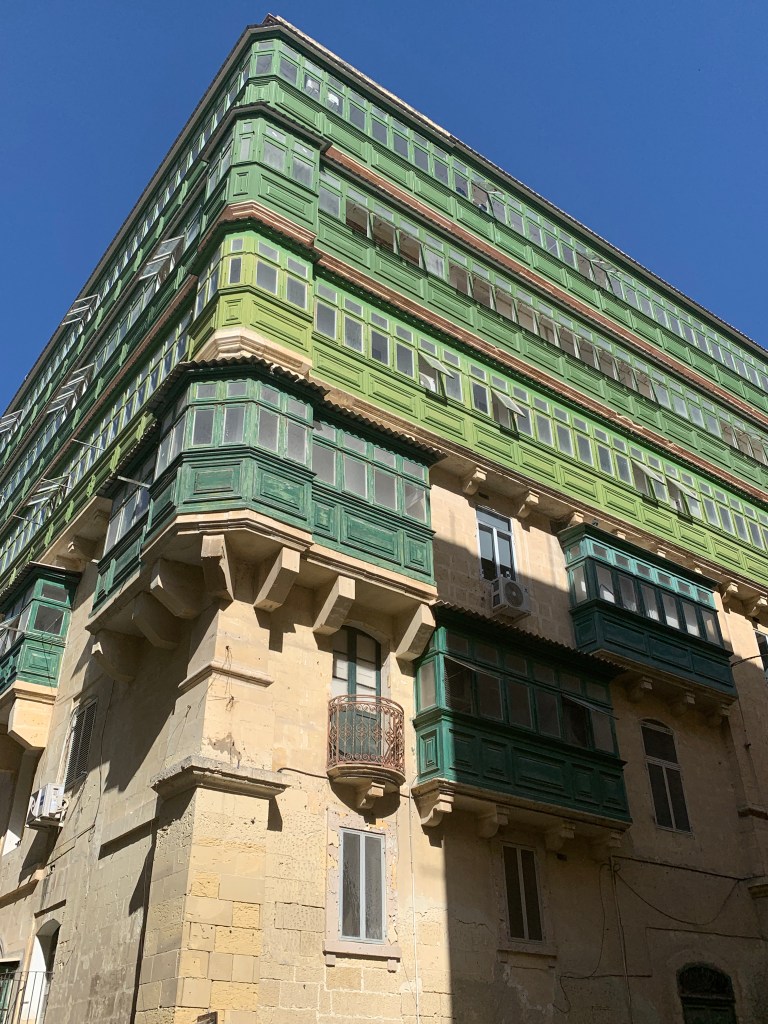
Strolling down the bustling streets of Valletta, it’s impossible not to be captivated by the mixture of architectural styles that span centuries. Each building tells a story of Malta’s tumultuous past. The Manoel Theatre, one of the oldest working theaters in Europe, is a hidden gem in the heart of the city. The narrow lanes and alleys are filled with small shops selling traditional Maltese crafts, and the smell of freshly baked pastizzi wafts through the air.
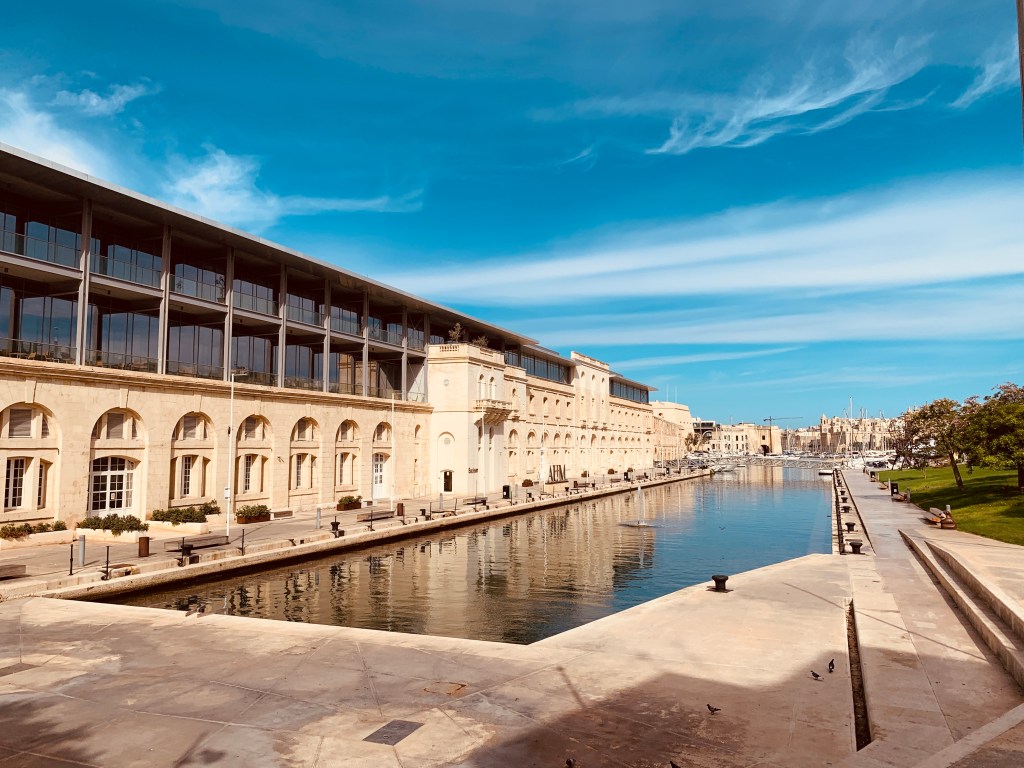
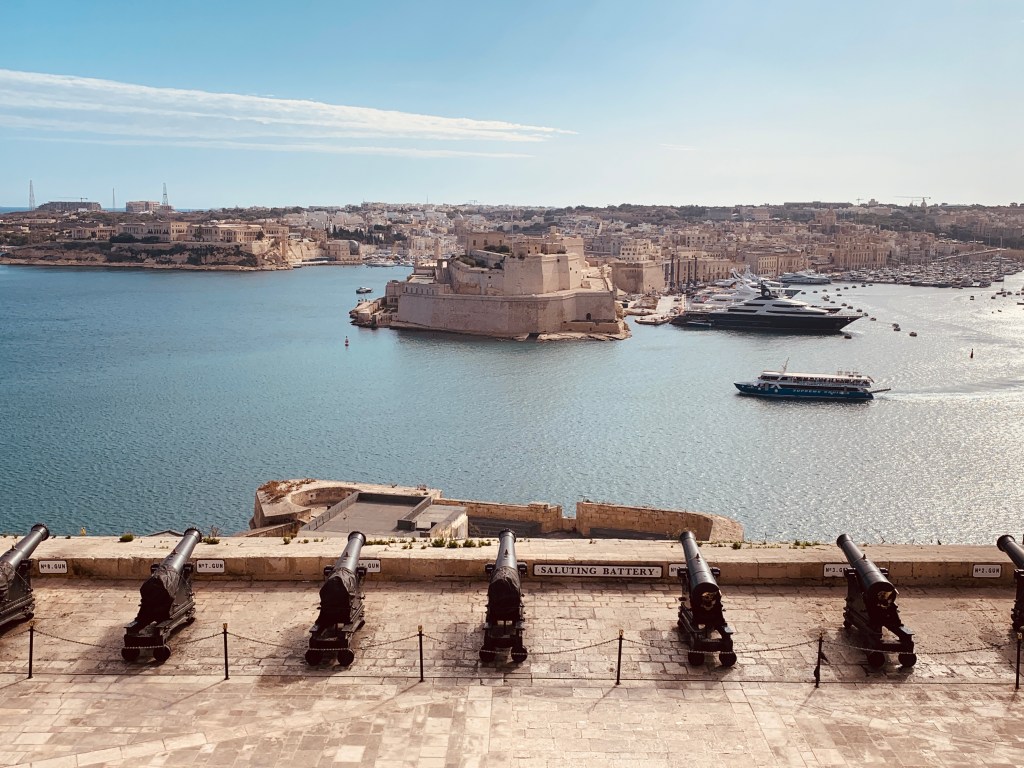
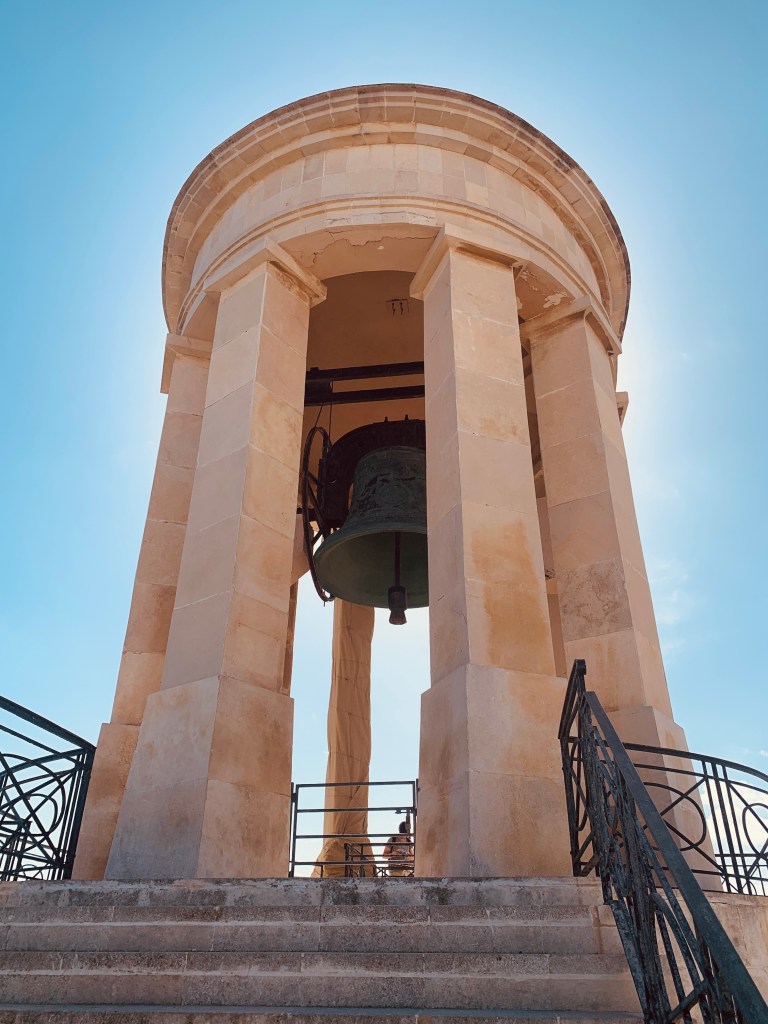
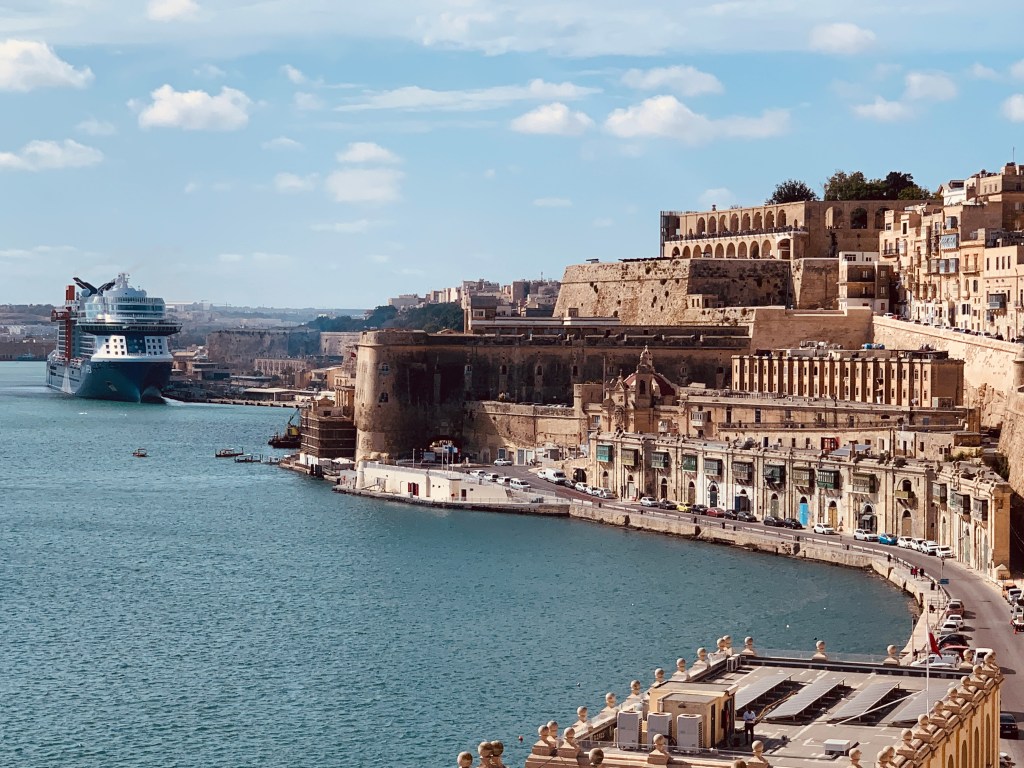
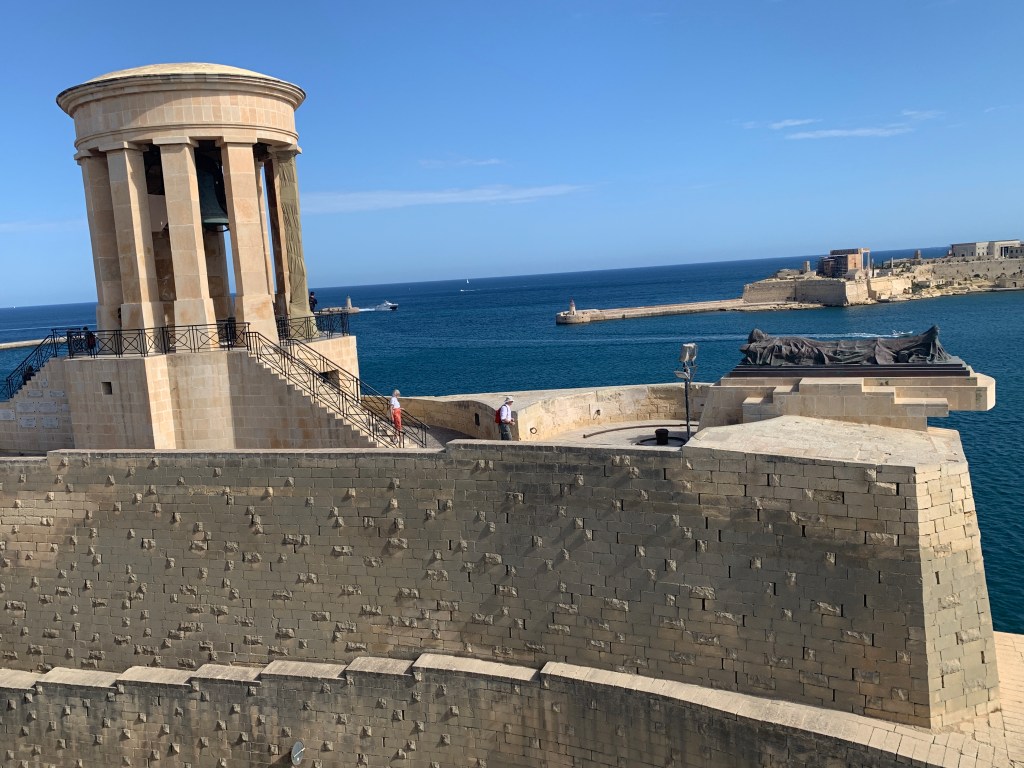
In the evening, I found myself at the Upper Barrakka Gardens, a public garden perched atop the city’s fortified walls. The panoramic view of the Grand Harbour, with its multitude of boats and fortified three cities, is breathtaking. As the sun dipped below the horizon, bathing the harbor in hues of orange and pink, I was reminded of Malta’s historical significance. The island has played a pivotal role in shaping the course of history, from the Great Siege of 1565 to its strategic importance during World War II. It’s this rich tapestry of history and culture that makes Malta a truly unique destination.

 yimga.blog
Leave a comment