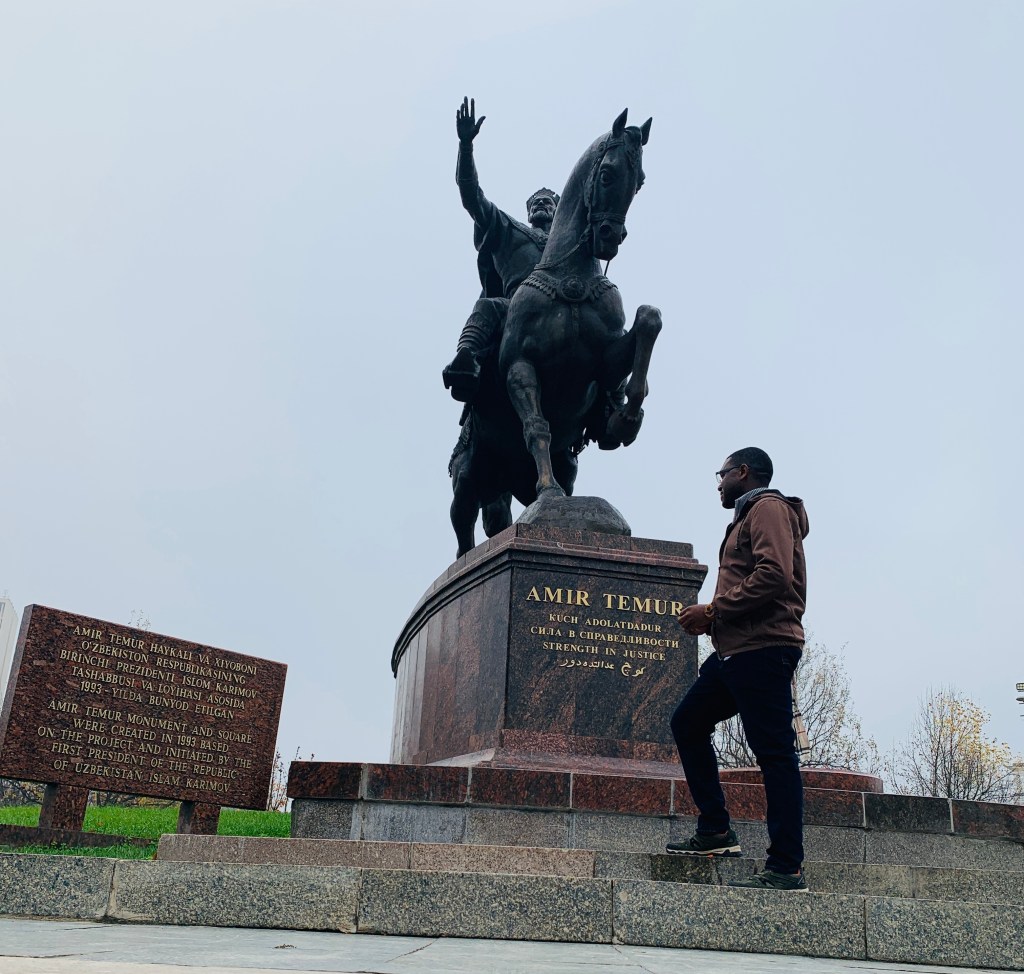
My day in Tashkent, the captivating capital of Uzbekistan, was a fascinating blend of past and present. As I learned more about this city, known as “Stone City”, which has seen over 2,200 years of history, I was enthralled by its resilience and transformation, especially after the 1966 earthquake that reshaped its landscape.
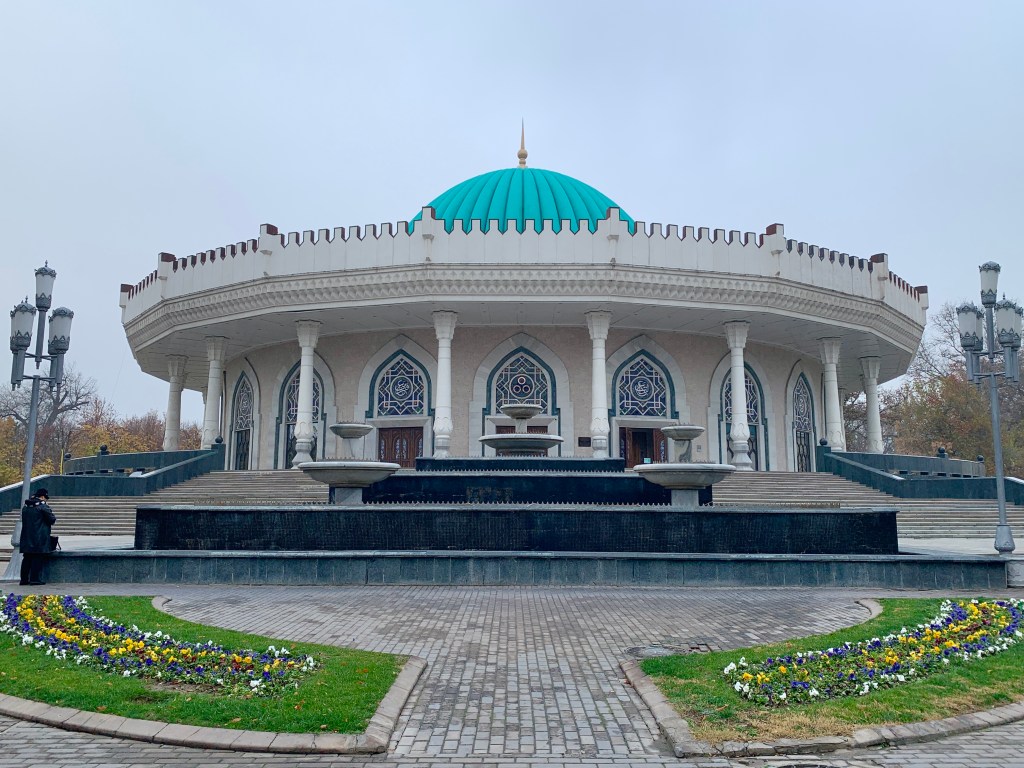
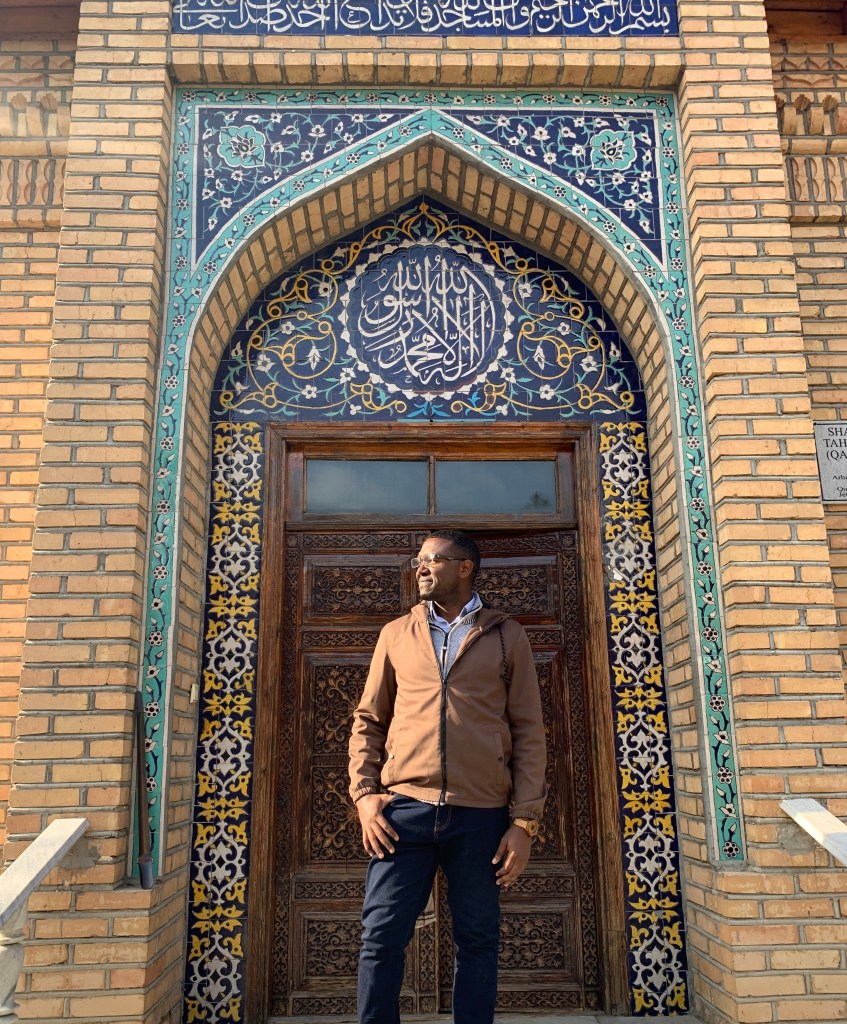
The day’s adventures began at the State Museum of the History of Uzbekistan, where I encountered a lively group of Uzbek students on an excursion. Their enthusiasm was infectious, and they were eager to take a photo with me, a moment that highlighted the warm hospitality and curiosity that I’ve come to associate with the people here. With Mike, a Russian expat from Almaty, we wandered through the historical Khast Imam Square, admiring the magnificent Kukeldash Madrasah and Tilla Sheikh Mosque, and marveling at the intricate Islamic architecture.
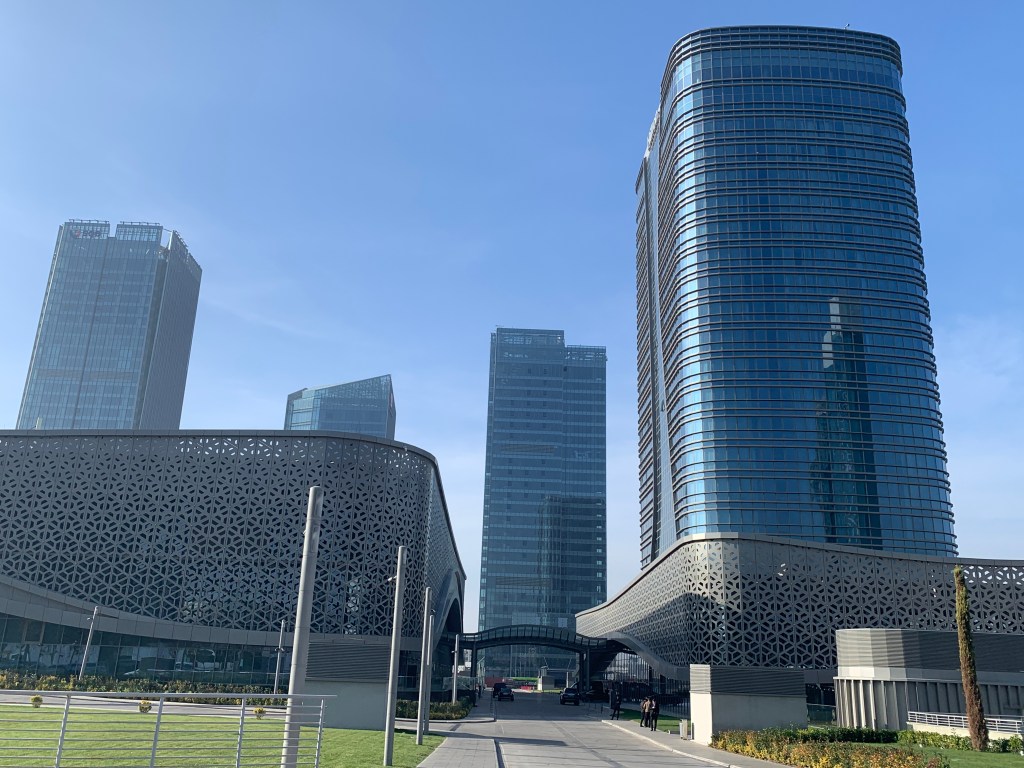
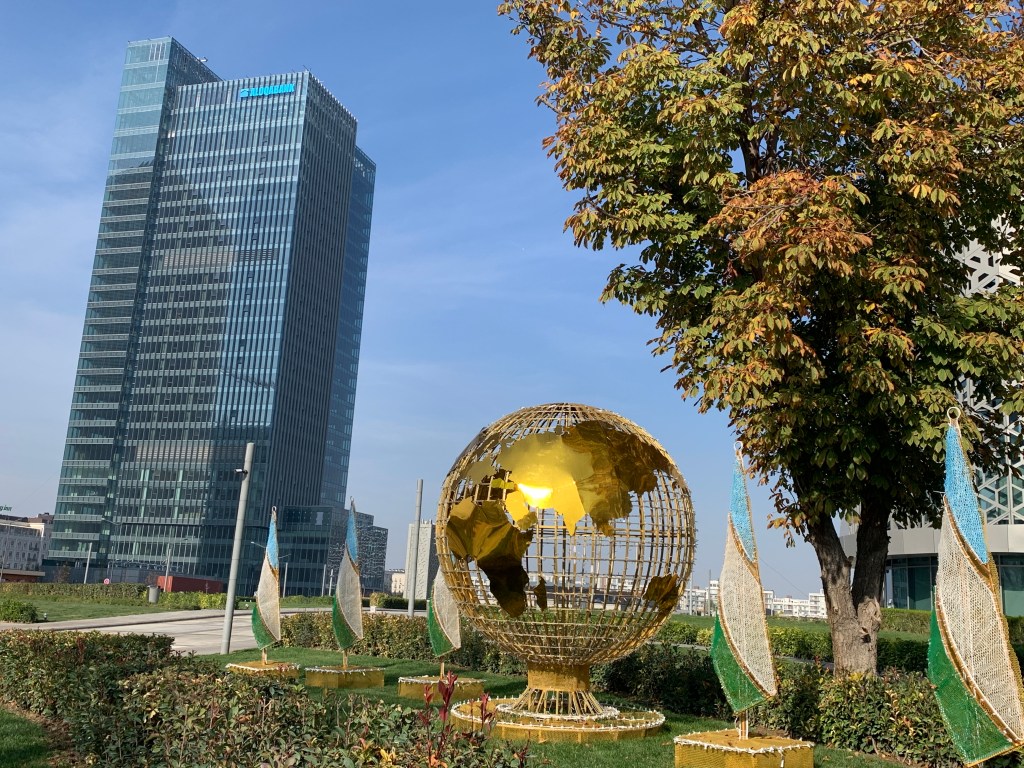
Our exploration led us to the vibrant Chorsu Bazaar, bustling with life and brimming with local produce, spices, and crafts. We then ventured into Tashkent City, a stark contrast to the old city, showcasing modernity and development with its towering skyscrapers and urban design. This part of the day provided a glimpse into Uzbekistan’s vision for the future.
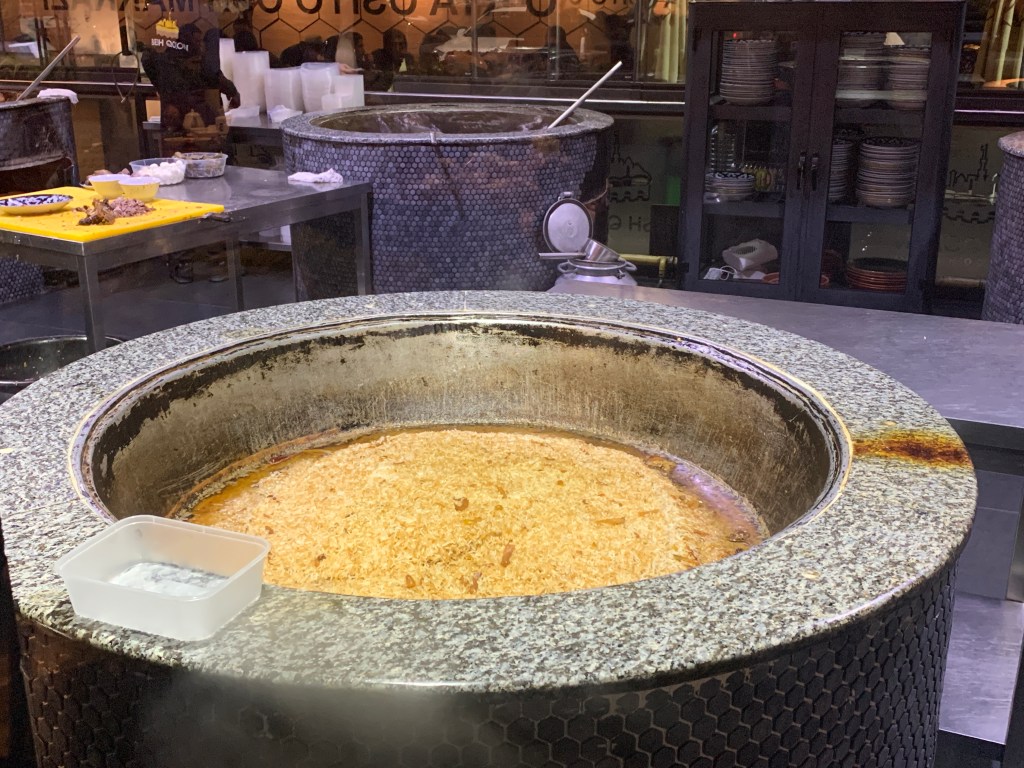
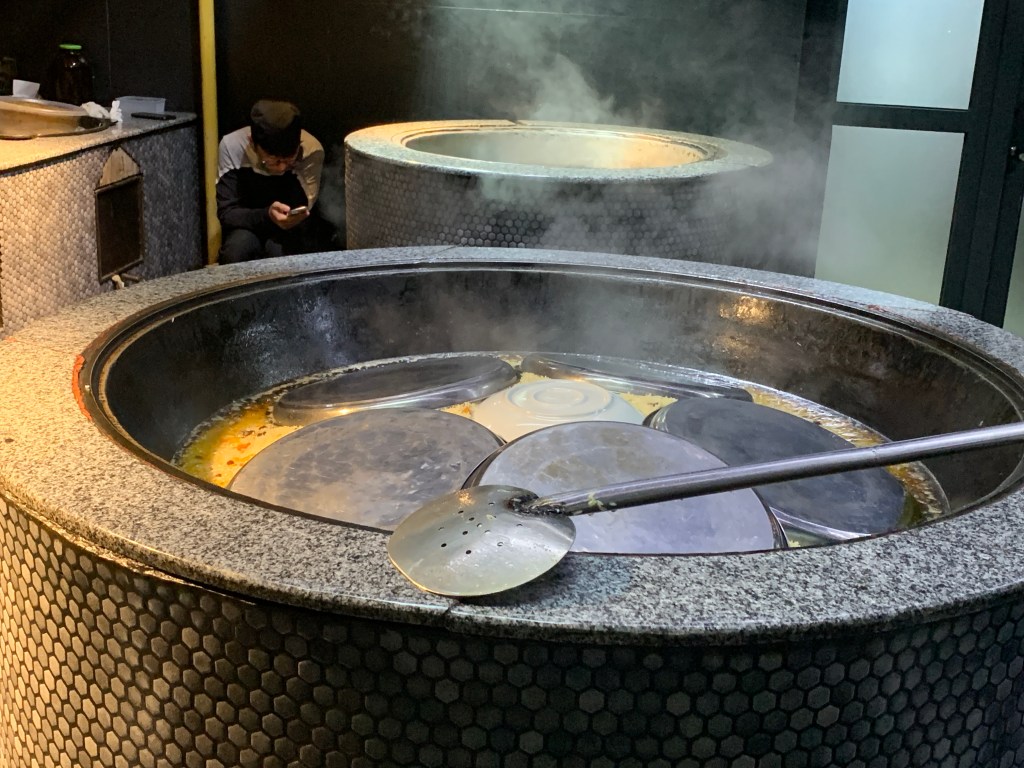
As evening fell, I found myself at Besh Gozon, a renowned local eatery. Dining alone, I savored the traditional Uzbek pilaf, a dish steeped in flavors and tradition. The meal was a quiet yet deeply satisfying experience, allowing me to reflect on the day’s discoveries and interactions.
Tashkent, with its unique amalgamation of ancient and modern, traditional and progressive, had unveiled its multifaceted charm to me. From the historic insights at the museum and the lively bazaars to the modern cityscape and a quiet, traditional dinner, each moment in Tashkent was a testament to its rich and diverse tapestry.













 yimga.blog
Leave a comment