Today’s excursion took me beyond the vibrant streets of Baku, Azerbaijan’s capital, a city with a history that dates back to the 1st century AD. This journey outside Baku’s bustling urban landscape was a venture into the country’s natural and historical wonders.
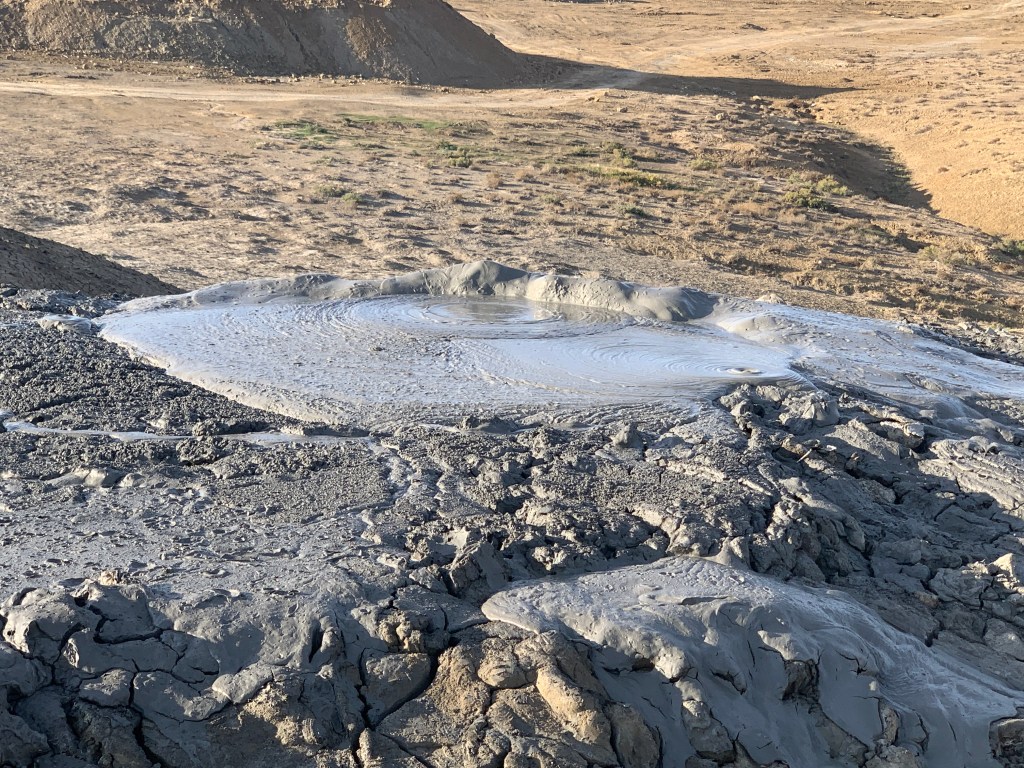
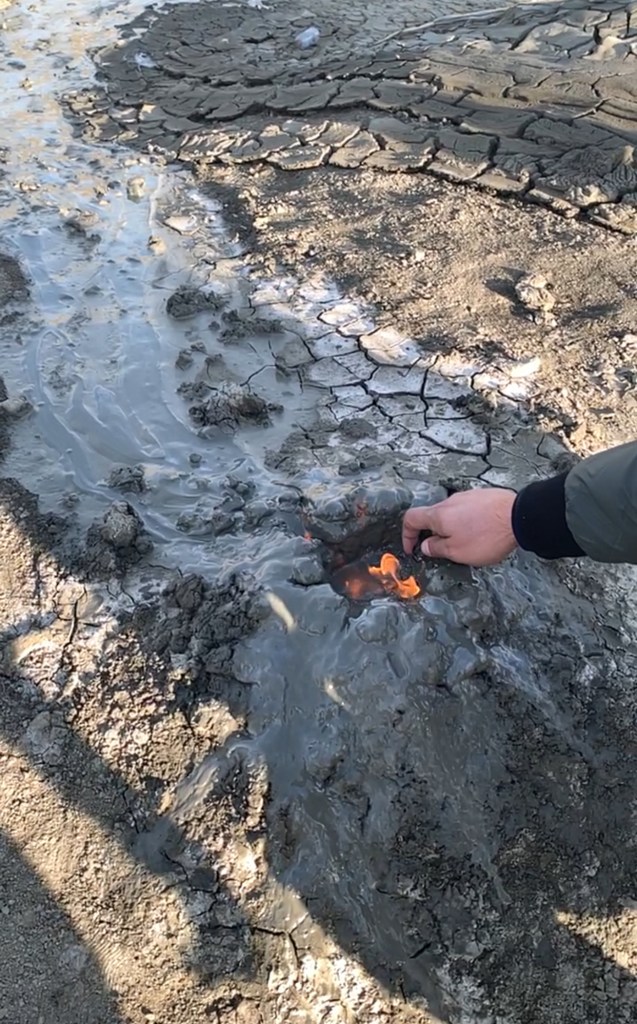
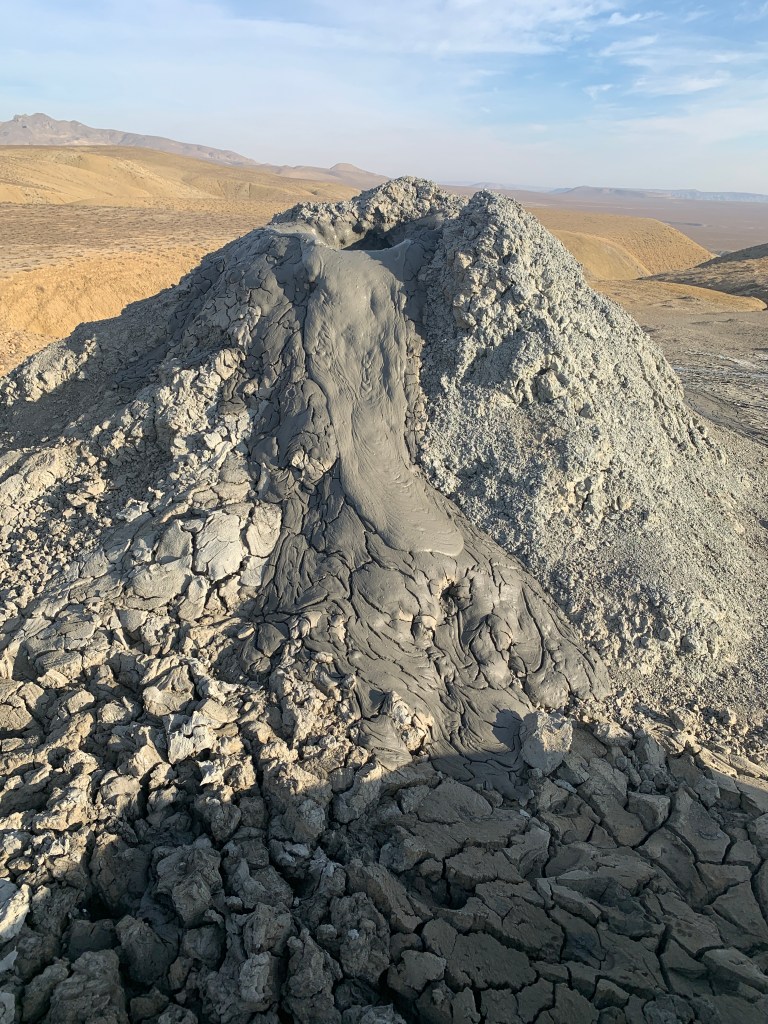
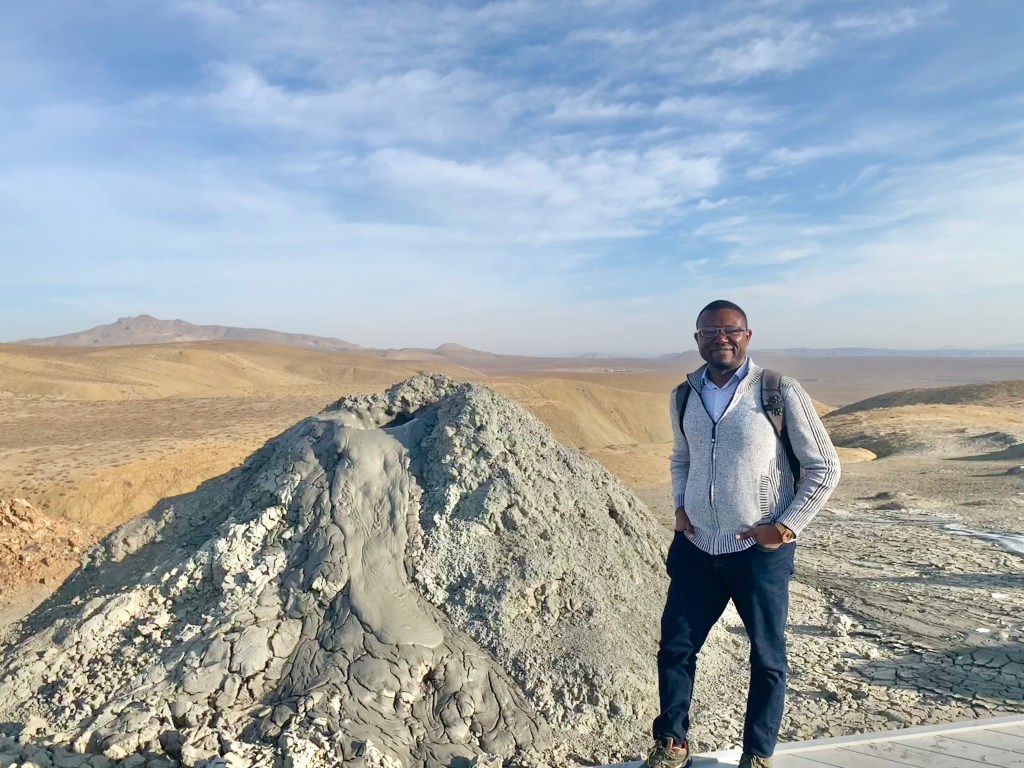
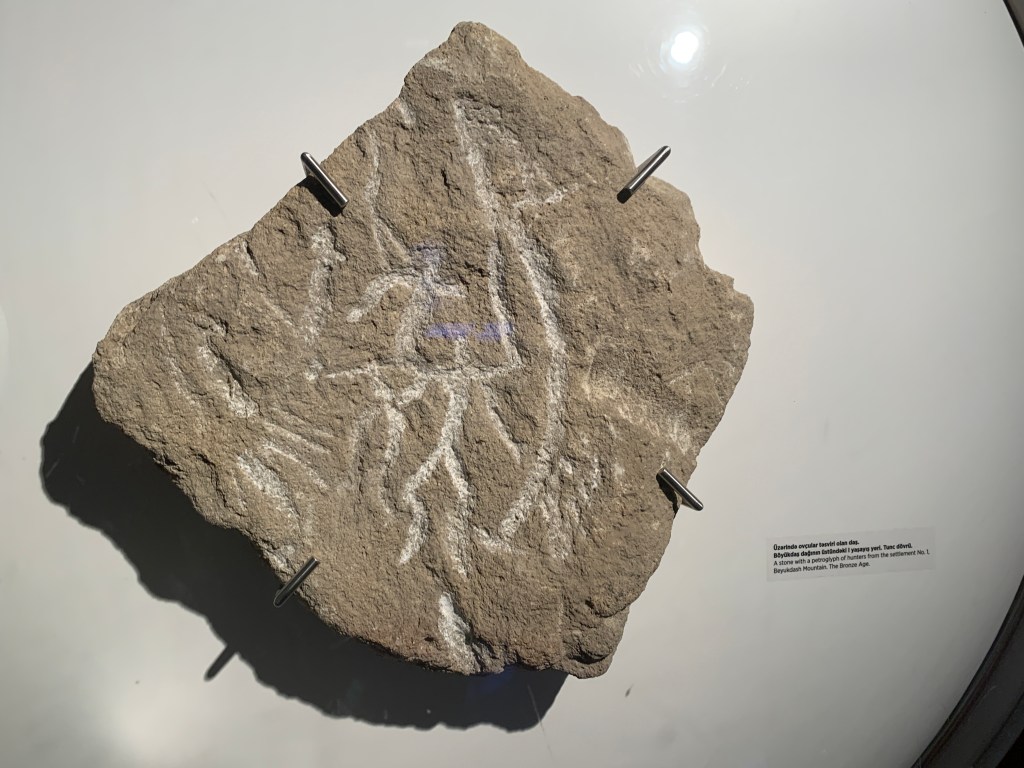
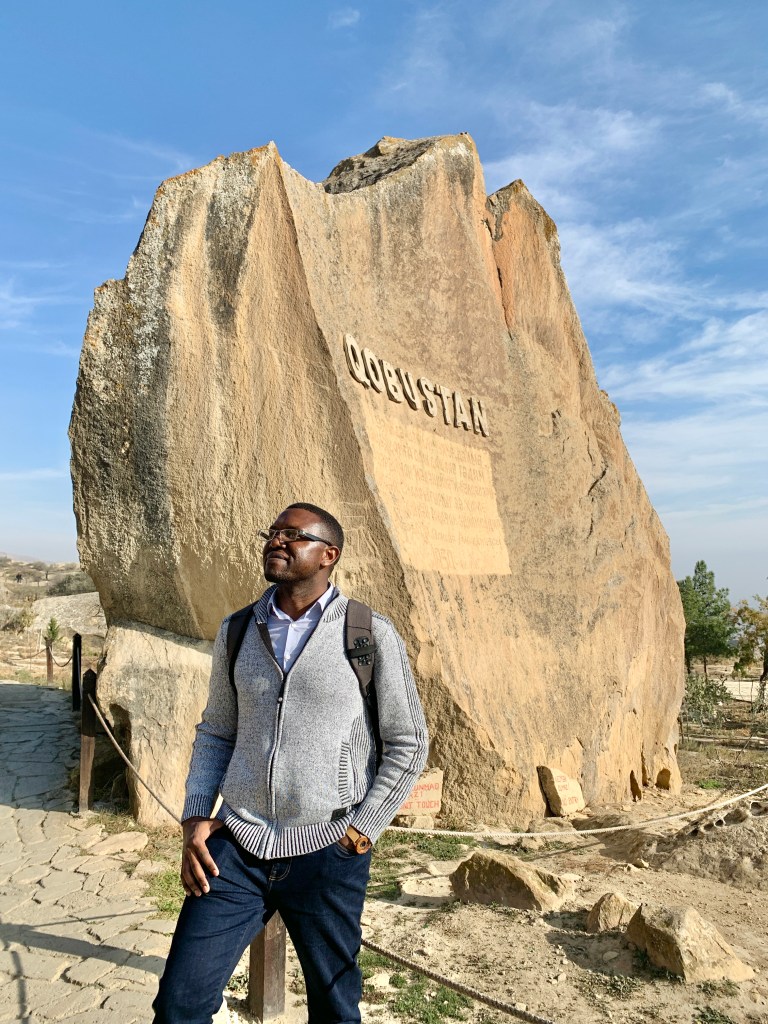
Our first stop was the surreal landscape of the Mud Volcanoes in Gobustan. Watching the earth bubble and spurt was like witnessing a science fiction scene come to life. The nearby Gobustan Rock Art Cultural Landscape provided a stark contrast. Here, ancient petroglyphs, etched into rocks over thousands of years, offered a glimpse into the lives of early inhabitants, a testament to human ingenuity and adaptability.
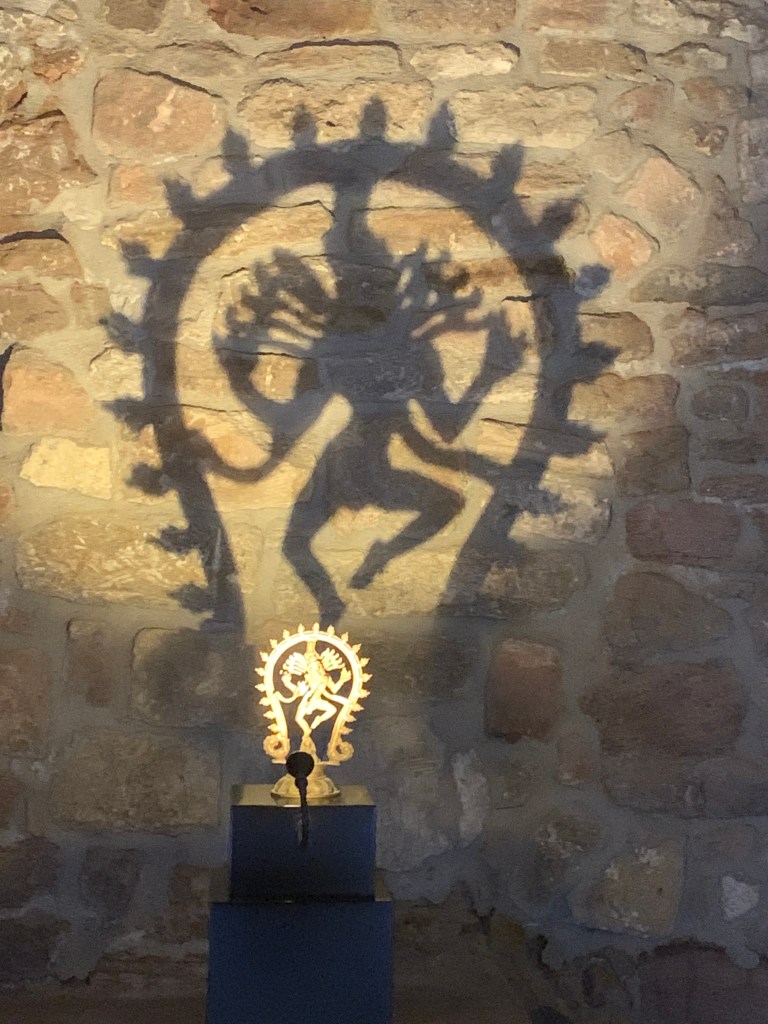
We then visited the serene Bibi-Heybat Mosque, an architectural beauty reconstructed in the 1990s, mirroring the original shrine destroyed by the Soviets. Its peaceful ambiance provided a moment of reflection amidst our adventurous day. Next was the Ateshgah – Fire Temple, a historical site once frequented by Zoroastrian worshippers and later by Hindu ascetics, illustrating the region’s diverse religious heritage.
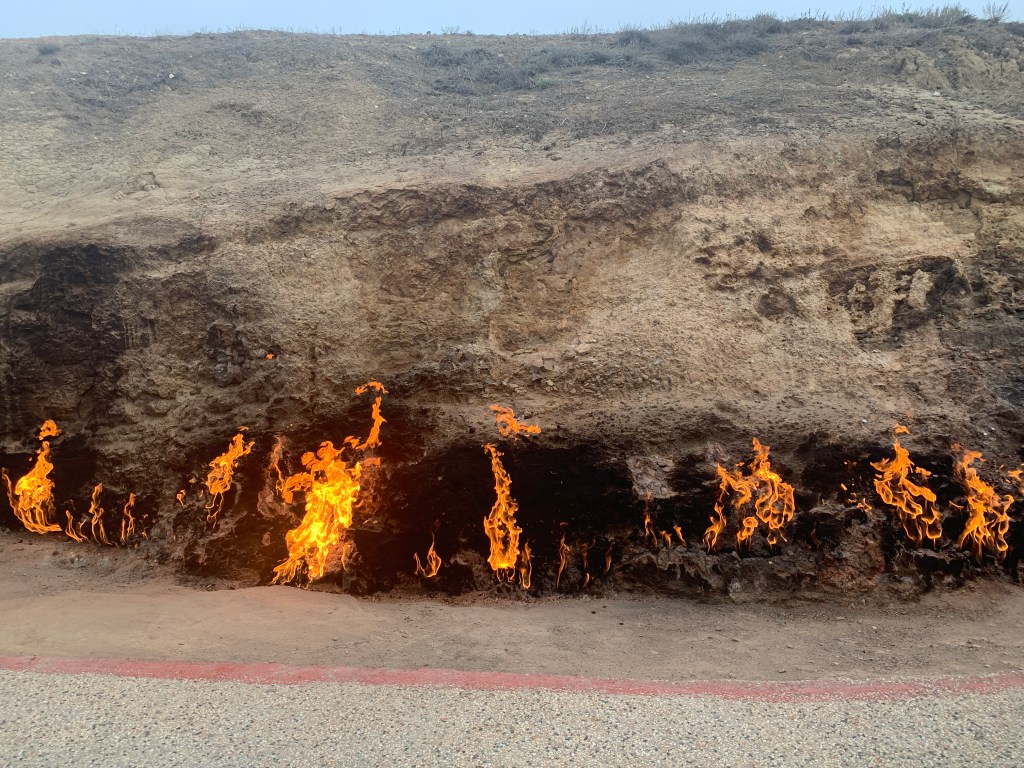
The final destination was Yanardagh, known as the ‘Burning Mountain.’ The natural gas fire that blazes continuously along this hillside was a mesmerizing sight, especially as dusk fell, casting a magical glow over the landscape.
Returning to Baku after this day filled with natural wonders and historical insights, I felt a deeper connection to Azerbaijan. The country’s rich tapestry of history, culture, and natural phenomena, from the bubbling mud volcanoes and ancient petroglyphs to the sacred fires and architectural marvels, left a profound impression on me, revealing the layers and depth of this fascinating region.











 yimga.blog
Leave a comment