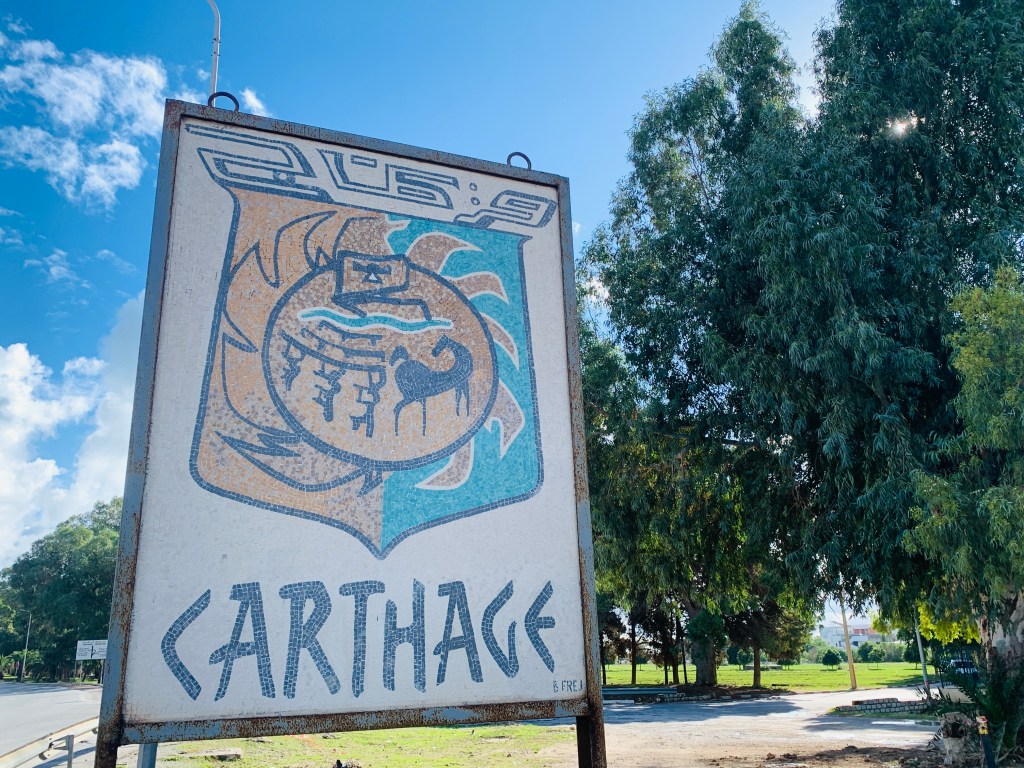
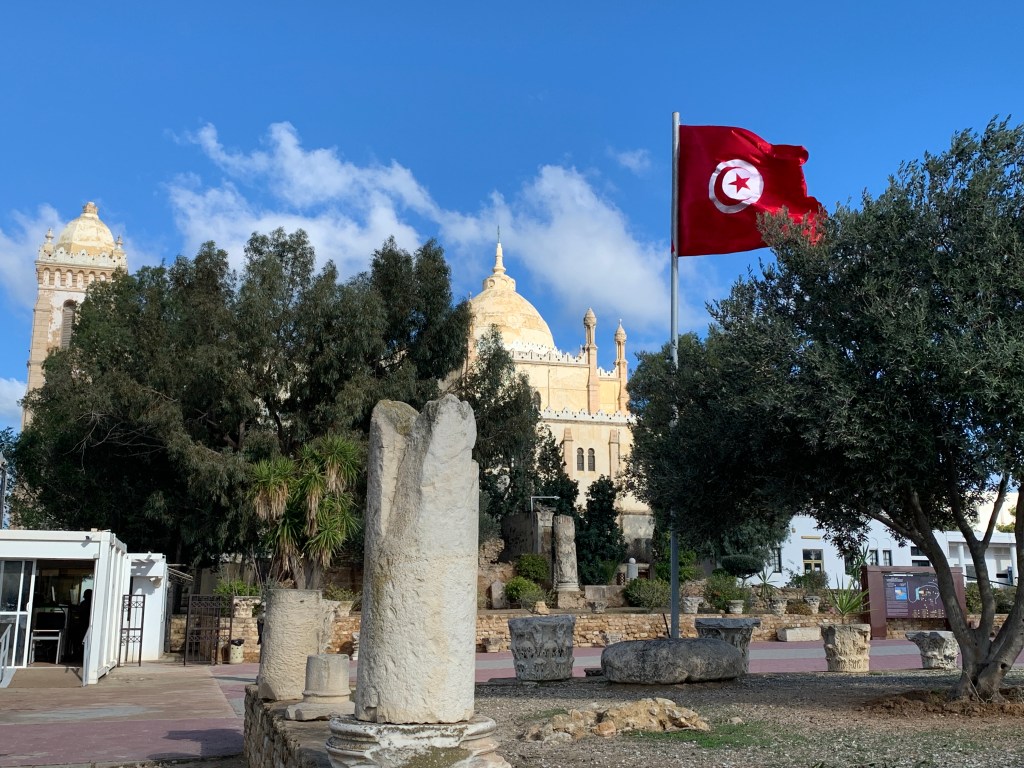
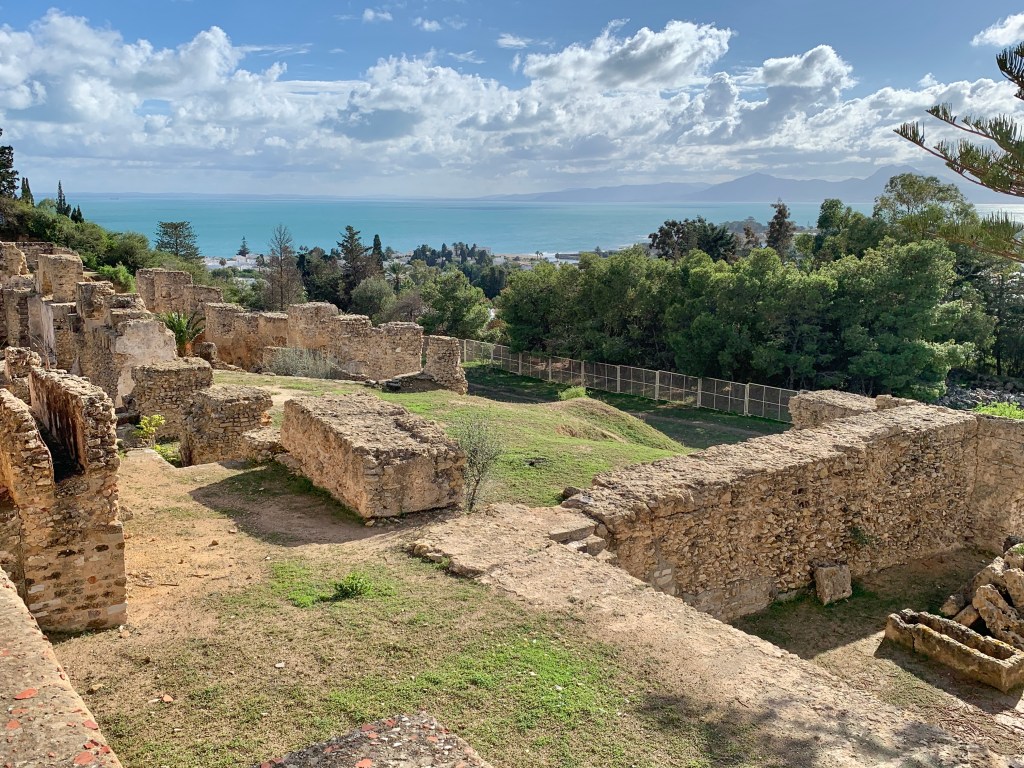
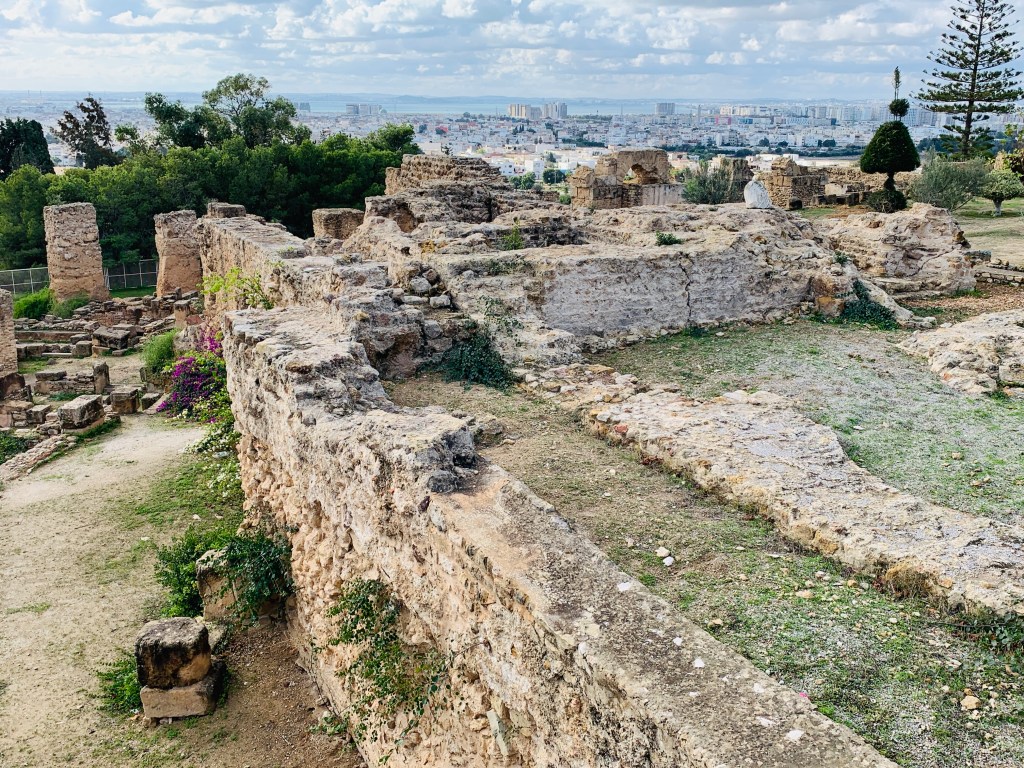
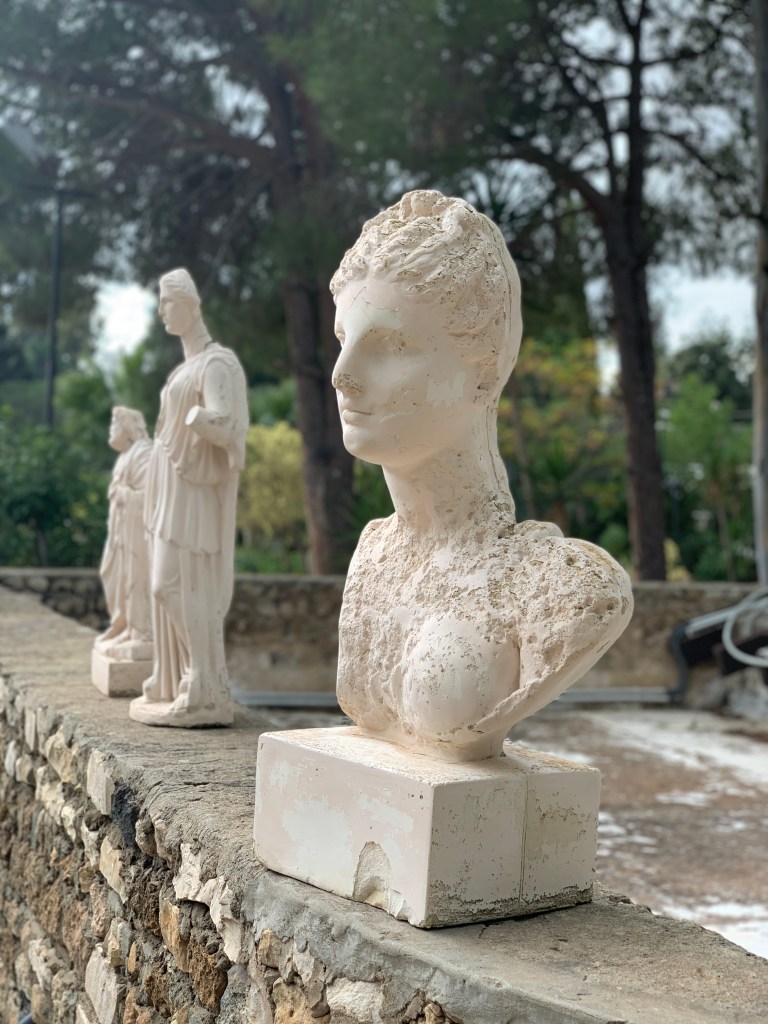
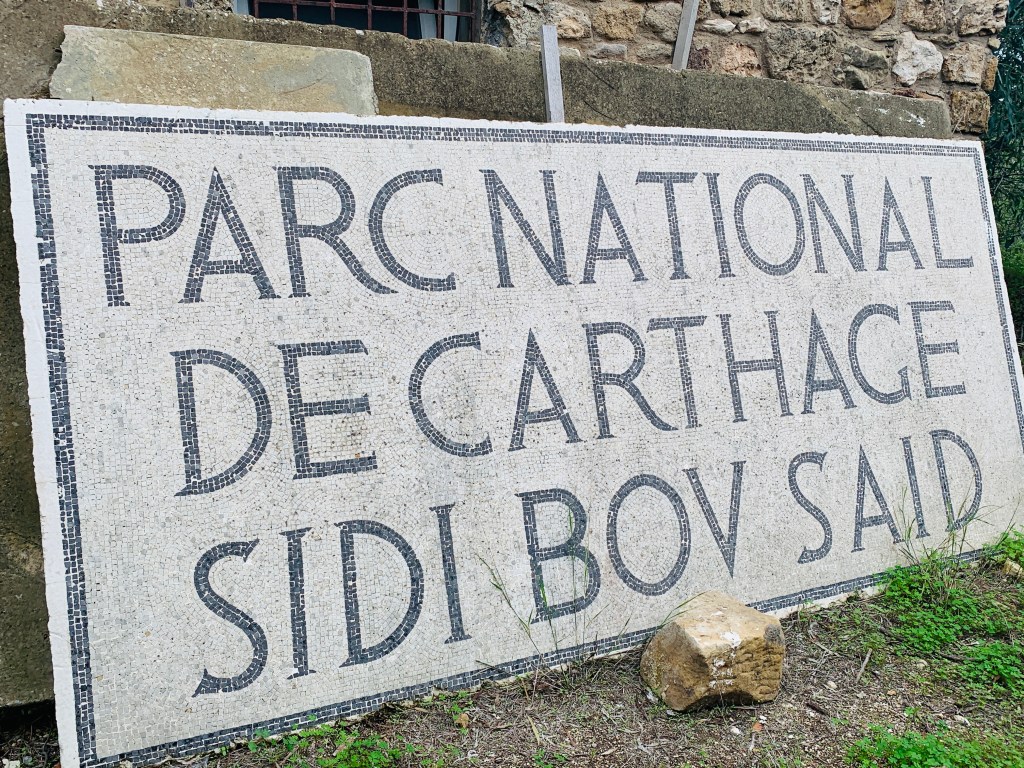
Today, I ventured to the ancient city of Carthage, a place deeply embedded in the annals of history, just a short distance from Tunis, Tunisia. Carthage, founded by the Phoenician queen Elissa (also known as Dido) in the 9th century BC, was once a powerful city-state and a formidable rival to the Roman Republic. The ruins of this once-great civilization stand as a silent testament to its storied past.
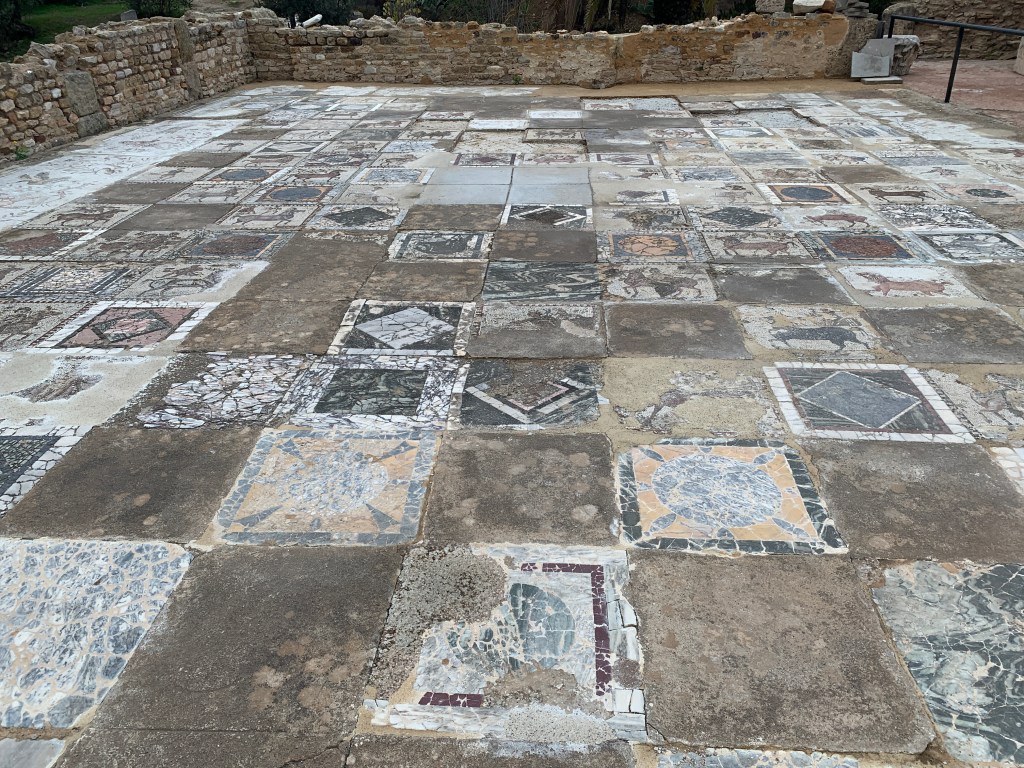
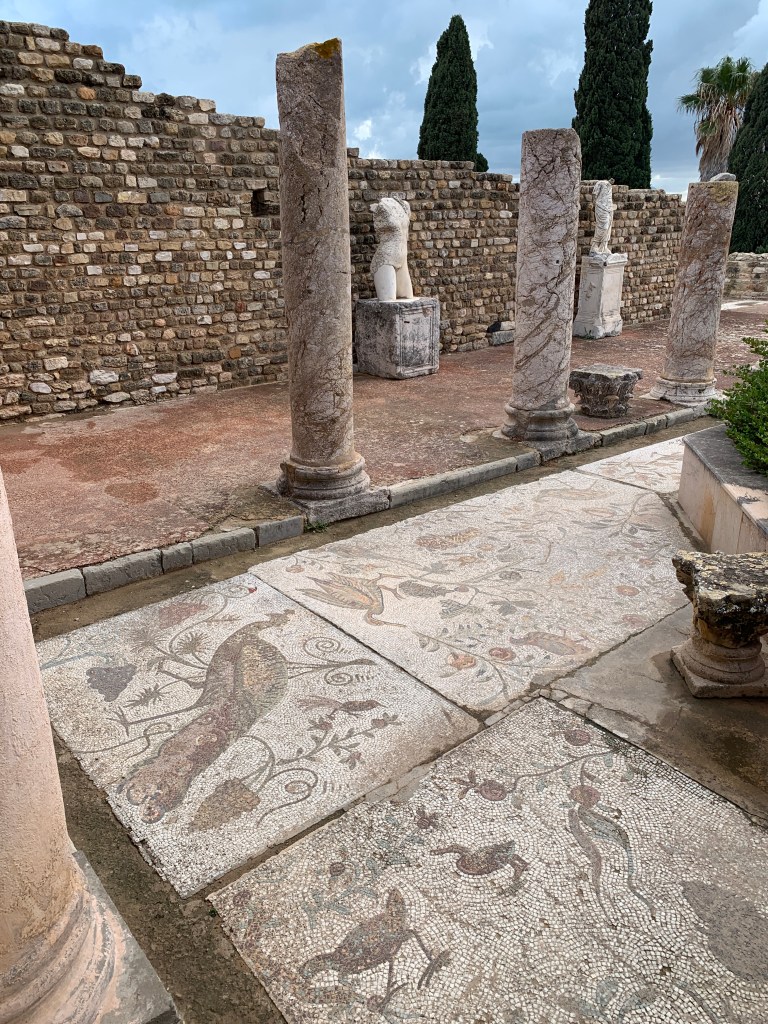
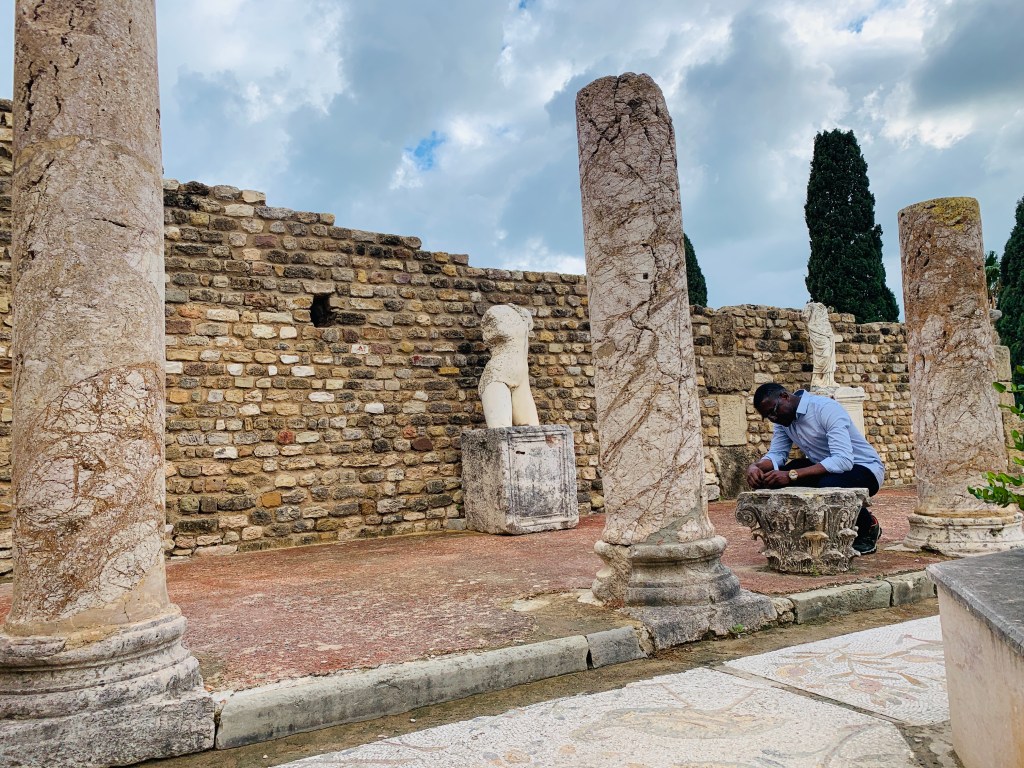
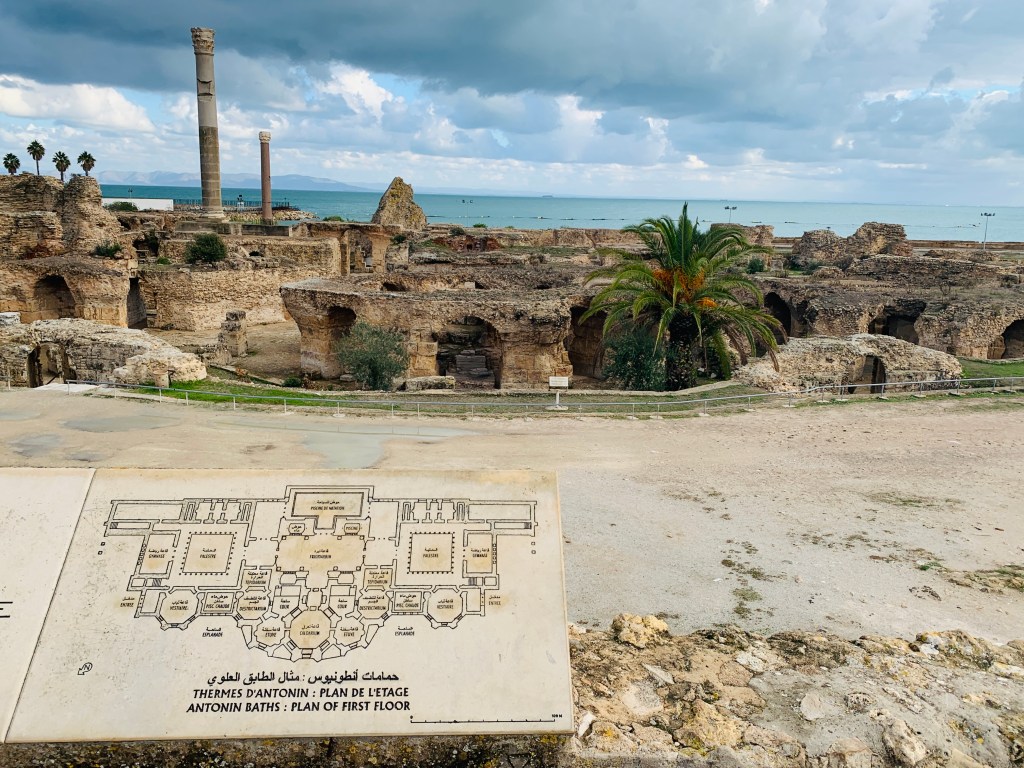
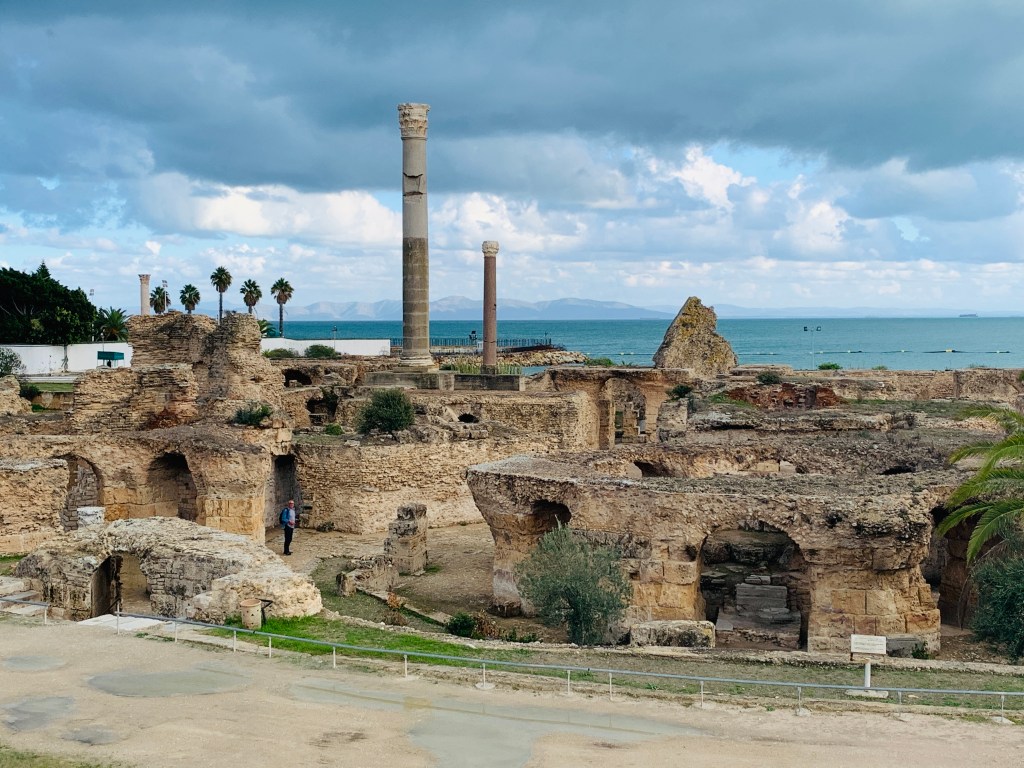
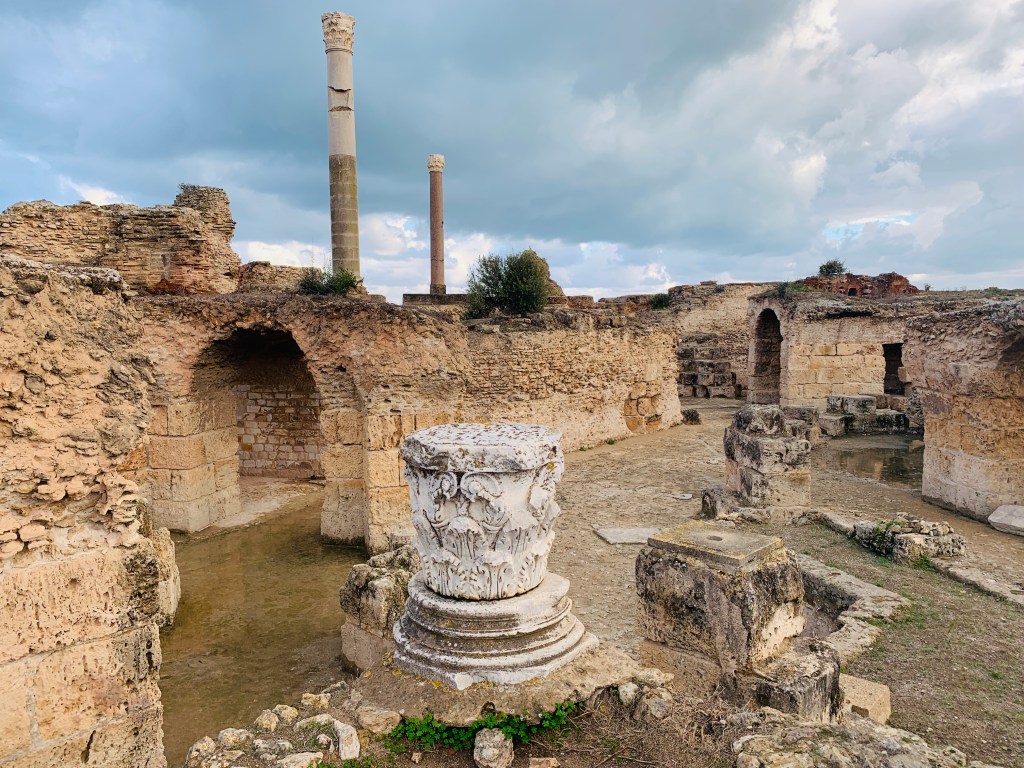
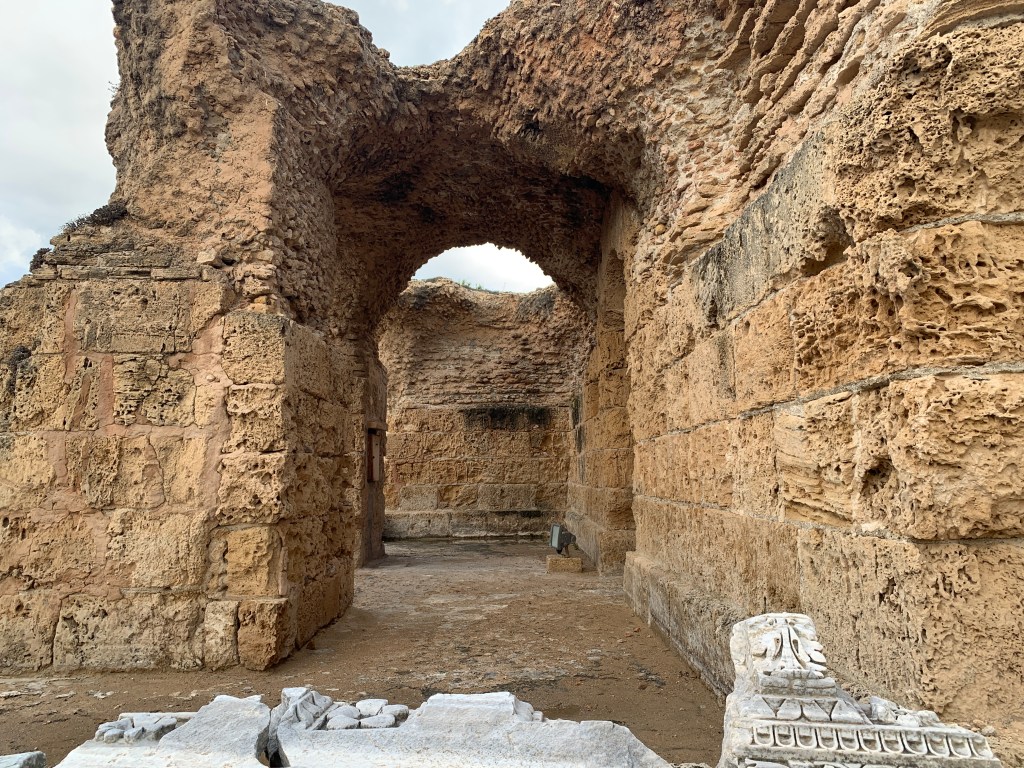
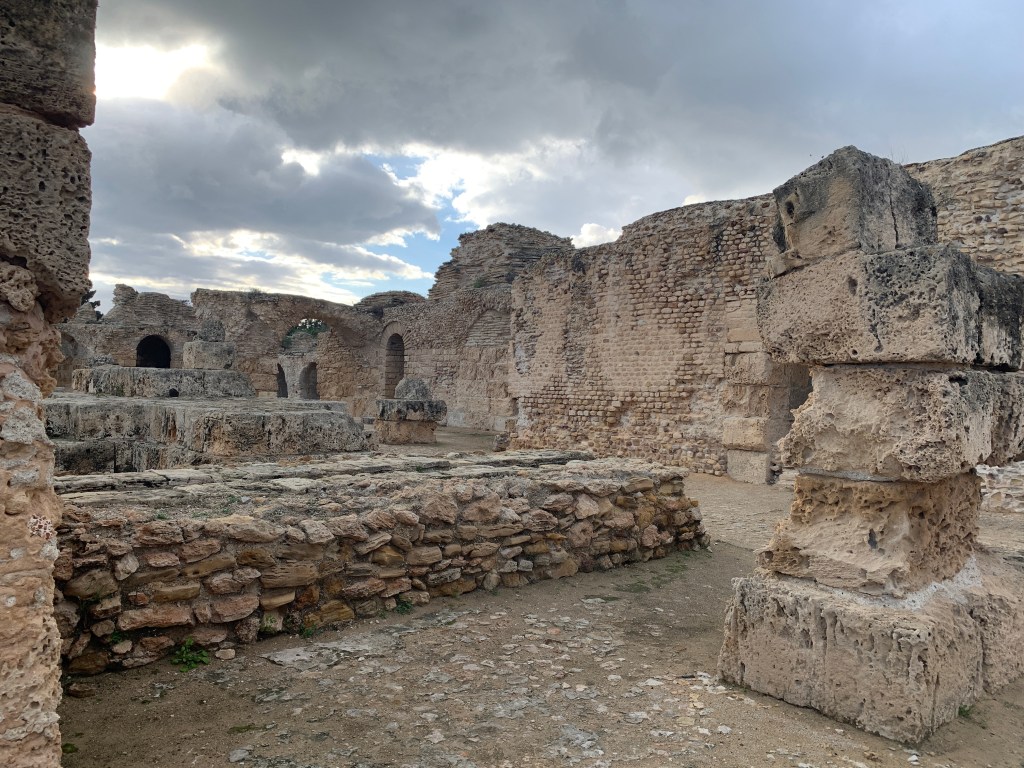
Wandering through the archaeological park, I was in awe of the vast expanse of ruins. The Antonine Baths, once among the largest in the Roman Empire, were particularly striking, with their massive columns and foundations giving a glimpse into the grandeur of ancient Roman life. The Carthage Museum provided a deeper understanding of the site’s significance, housing an array of artifacts that painted a vivid picture of Carthage’s history.
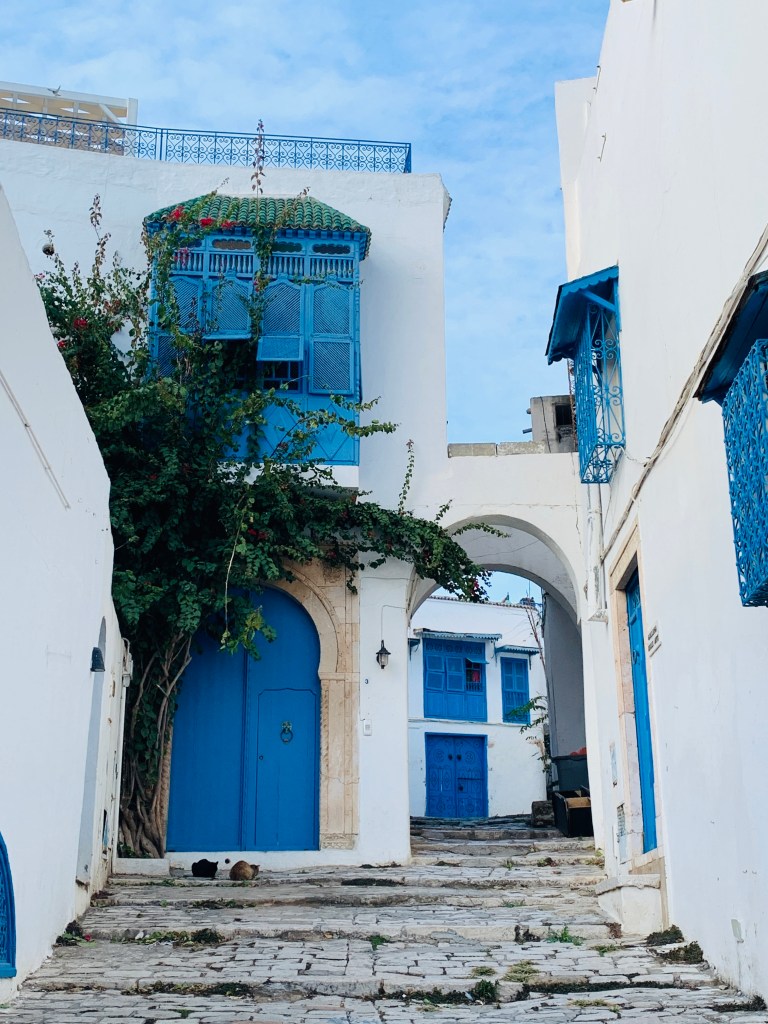
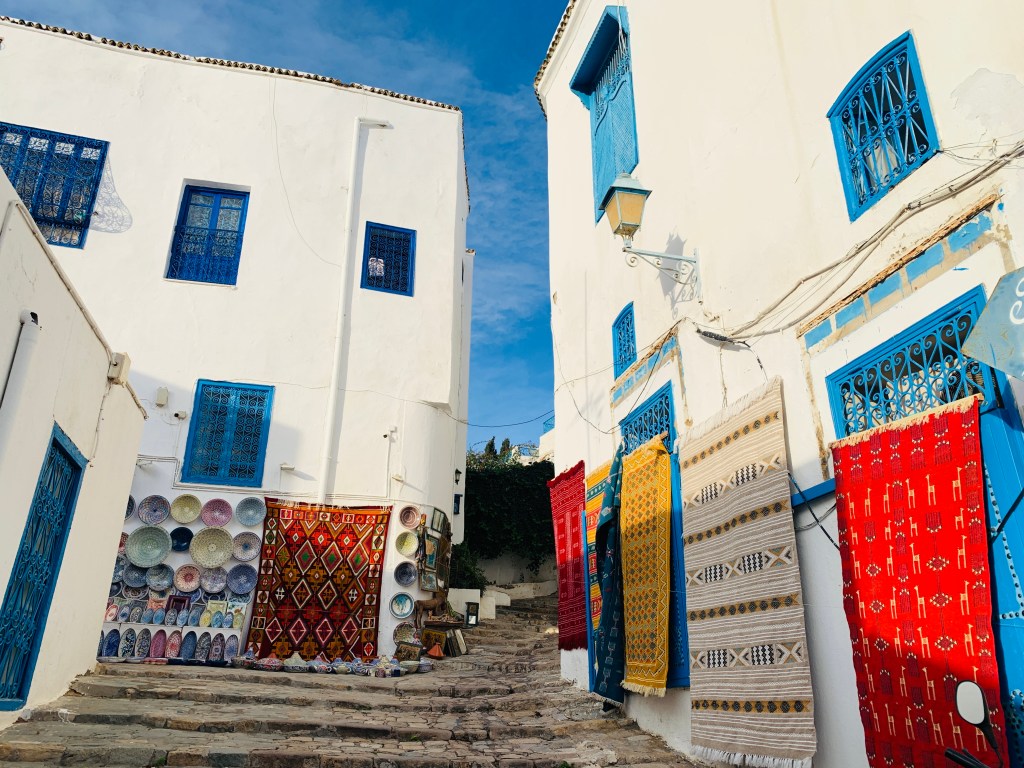
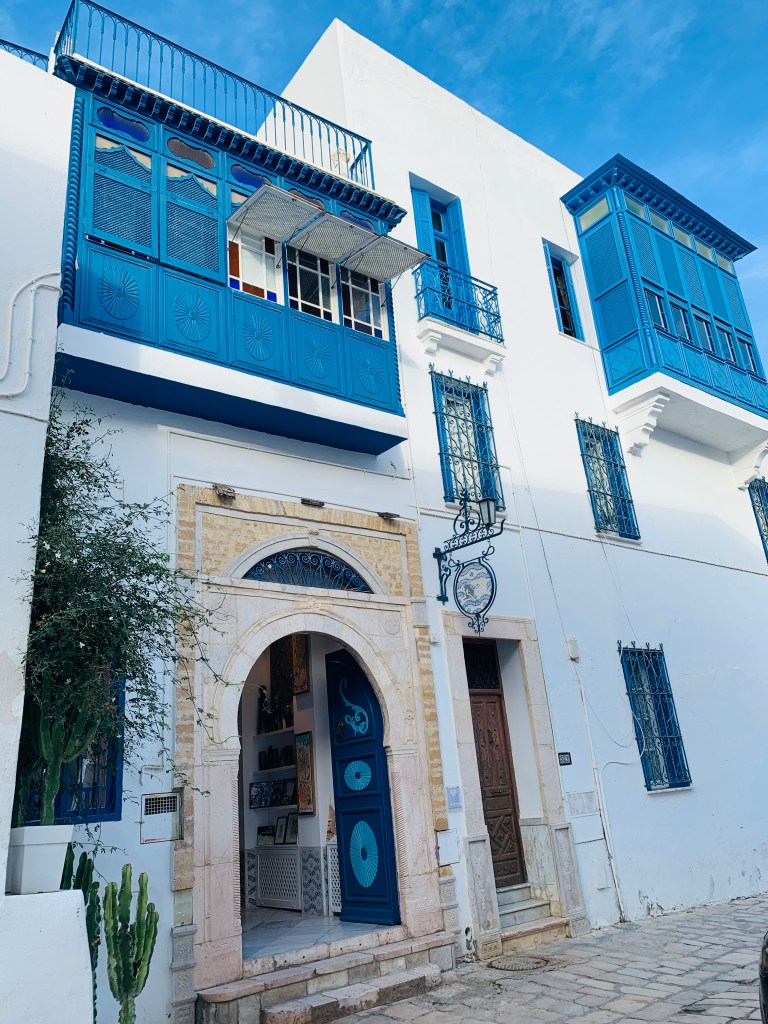
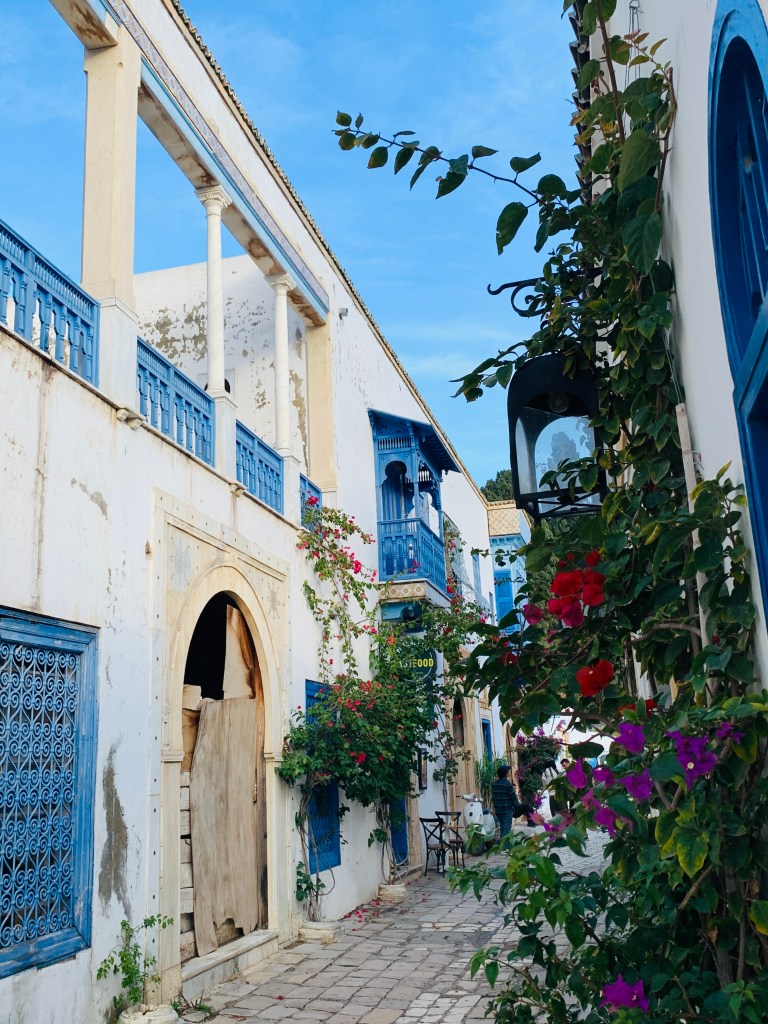
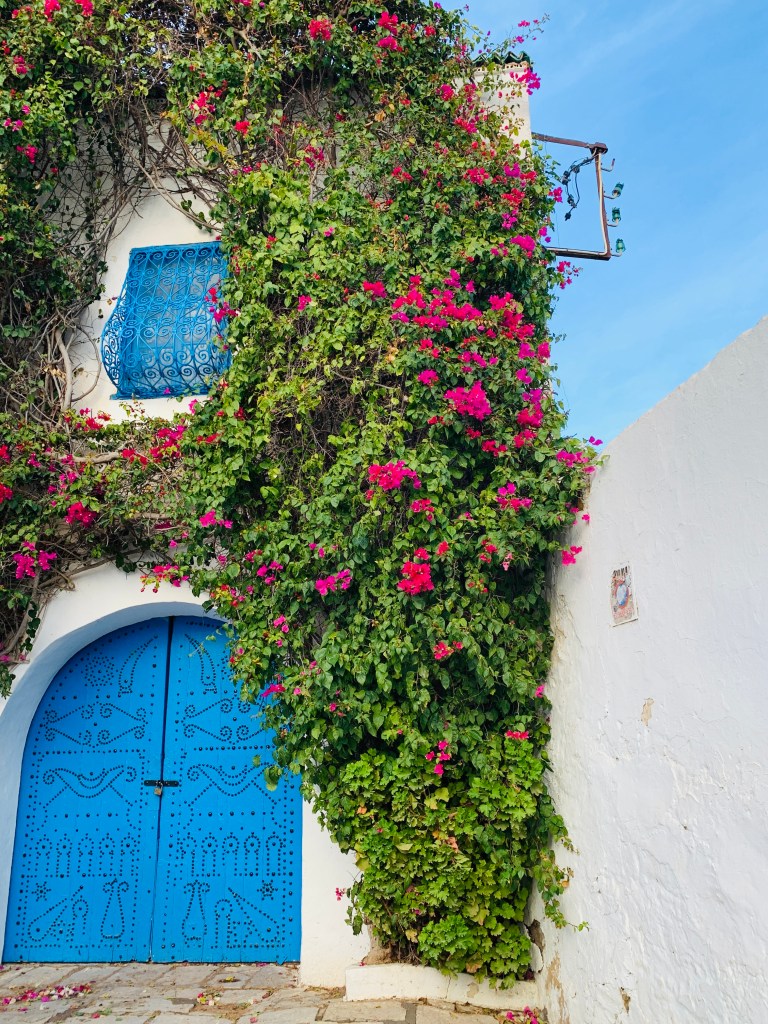
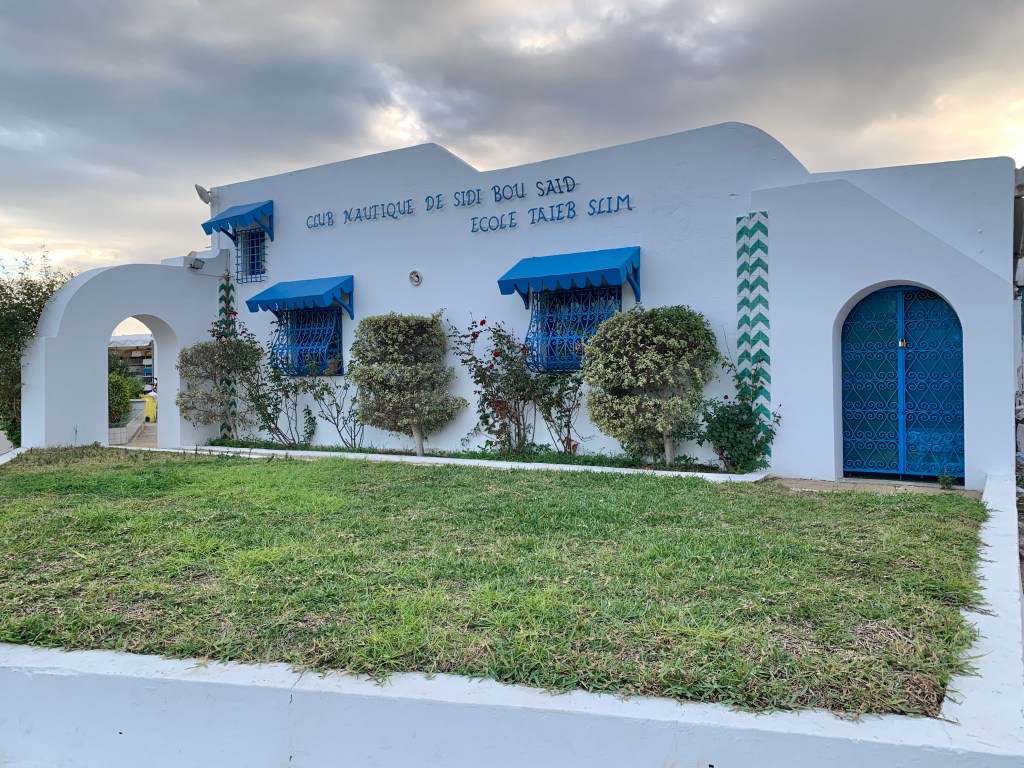
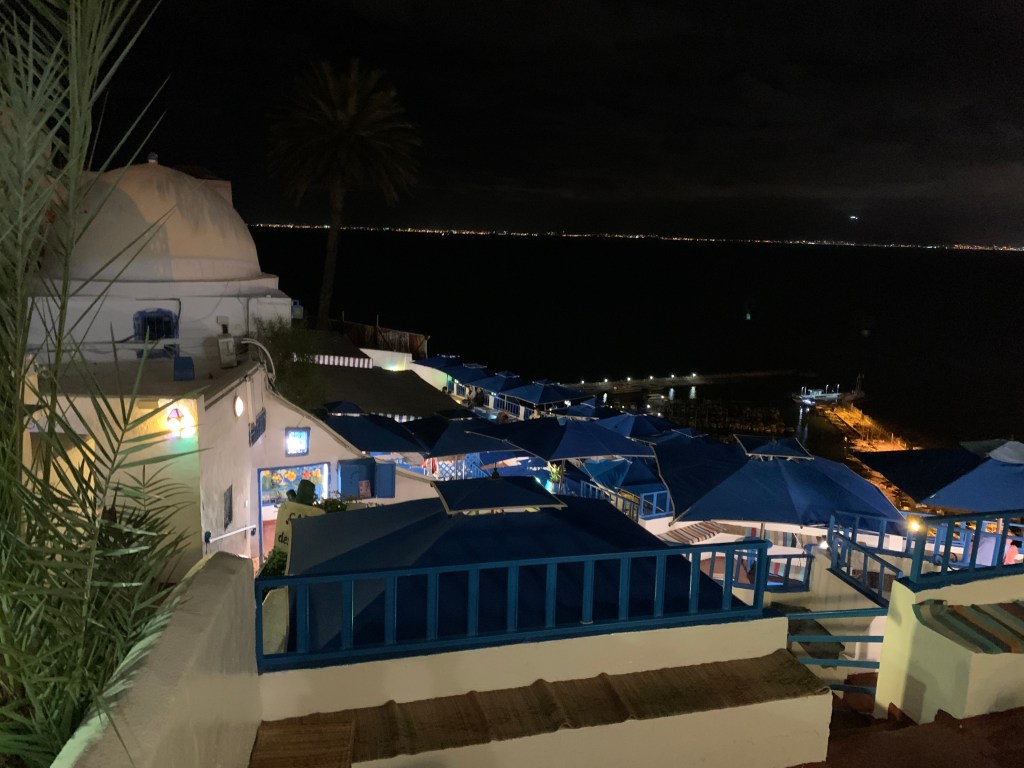
Later in the day, I visited the charming village of Sidi Bou Said. Perched on a hill overlooking the Mediterranean, the village was a stark contrast to the ancient ruins of Carthage. Its cobbled streets, lined with white houses with blue doors and window frames, offered a picturesque tranquility. I spent time meandering through its art galleries and cafes, soaking in the serene atmosphere. Sitting at a cliffside café, sipping on a traditional mint tea, I was captivated by the stunning view of the azure sea.
This journey through Carthage and Sidi Bou Said was a walk through different eras – from the ancient might of Carthage to the peaceful allure of Sidi Bou Said. The contrast between the two was a beautiful reminder of Tunisia’s rich and diverse history, a country where the past and present coexist in harmony.




















 yimga.blog
Leave a comment