Walking through Manila offers a deep dive into the heart of the Philippines, a city where every corner boasts a story, and every street echoes the nation’s tumultuous yet rich history. My exploration of this vivacious city started in the bustling streets of Chinatown, known as the oldest Chinatown in the world, established in 1594. This district pulses with life, offering an array of street food, traditional medicine shops, and unique Chinese-Filipino cultural heritage.
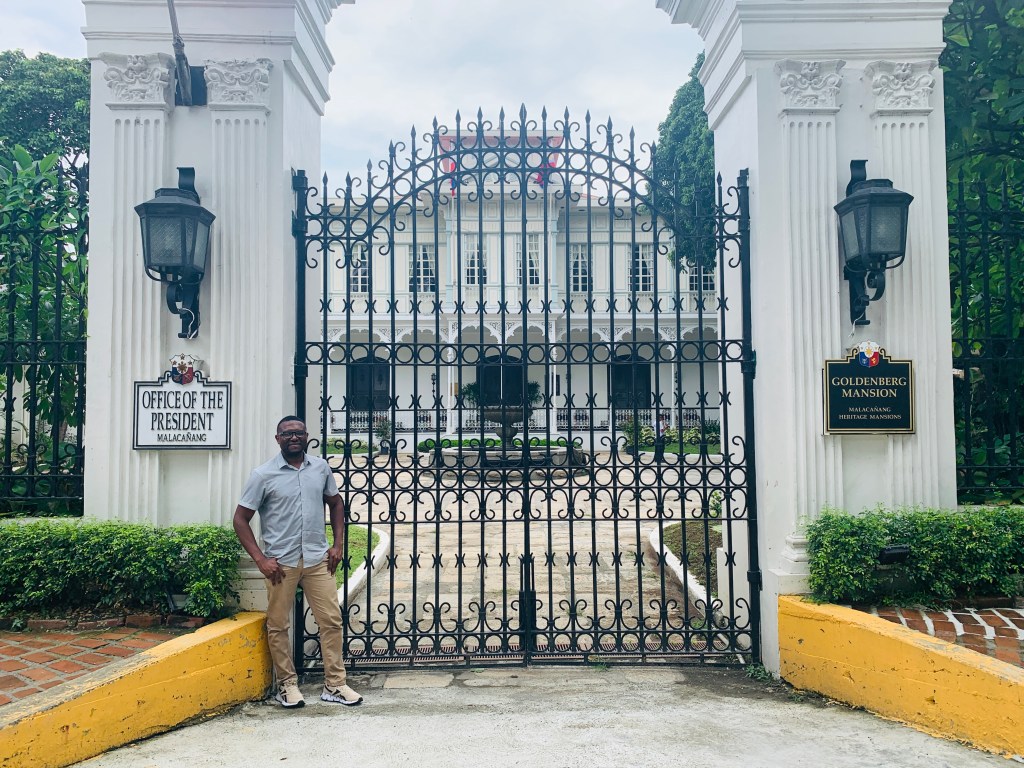
Next, I visited the Malacañang Palace, the official residence and office of the President of the Philippines. While public access inside the palace is restricted, the surrounding gardens and museum provide a glimpse into the political legacy and life of the nation’s leaders.
Continuing my exploration, I strolled along the Manila Boardwalk, enjoying the breezy bay area and the scenic views it offers of the iconic sunset. Nearby, the Manila Ocean Park invited me into a world of marine wonder, showcasing a rich variety of aquatic life and interactive experiences that bridge the gap between education and entertainment.
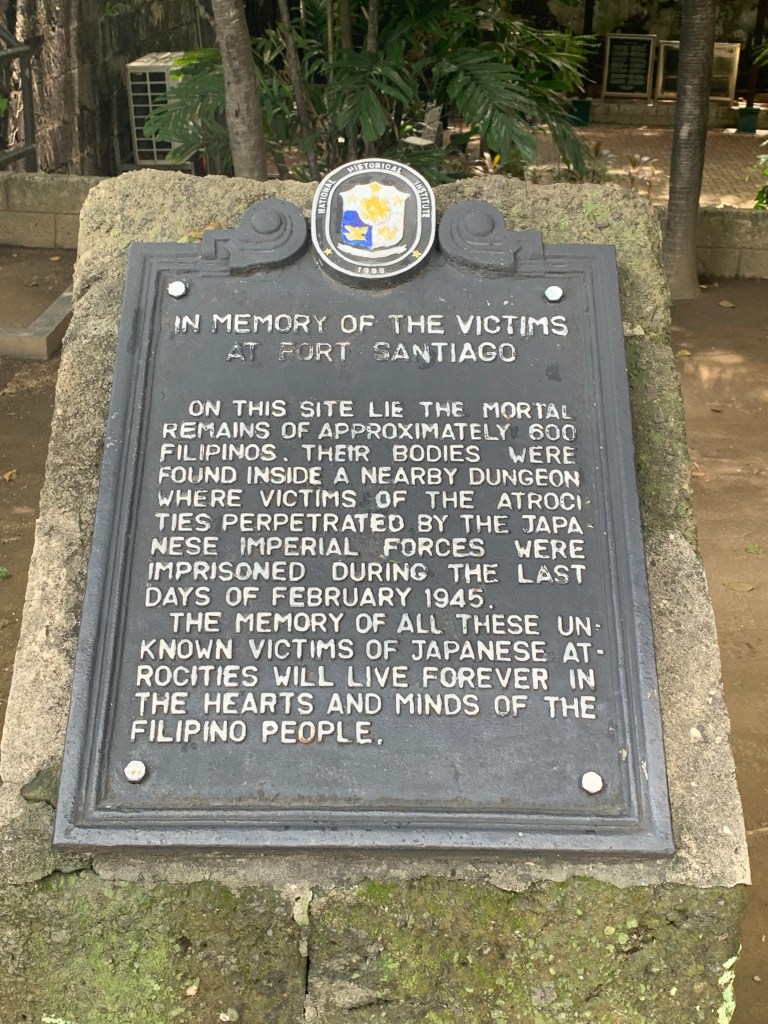
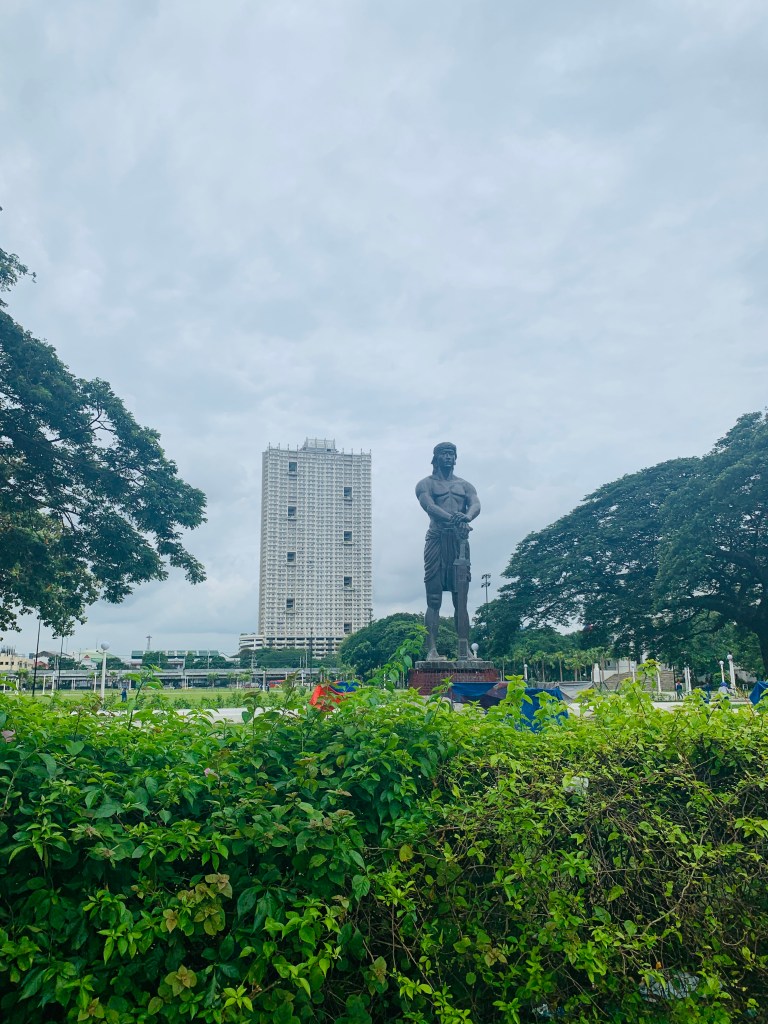
The historical core of my visit was Rizal Park and the walled city of Intramuros. Rizal Park, where the Philippine national hero Jose Rizal was executed in 1896, ignites a sense of national pride and reflection. Inside Intramuros, I stepped back in time at Fort Santiago, a citadel used by the Spanish, British, American, and Japanese through Manila’s history. The preserved ruins and the Rizal Shrine detail the hero’s final moments and the Spanish colonial impact.
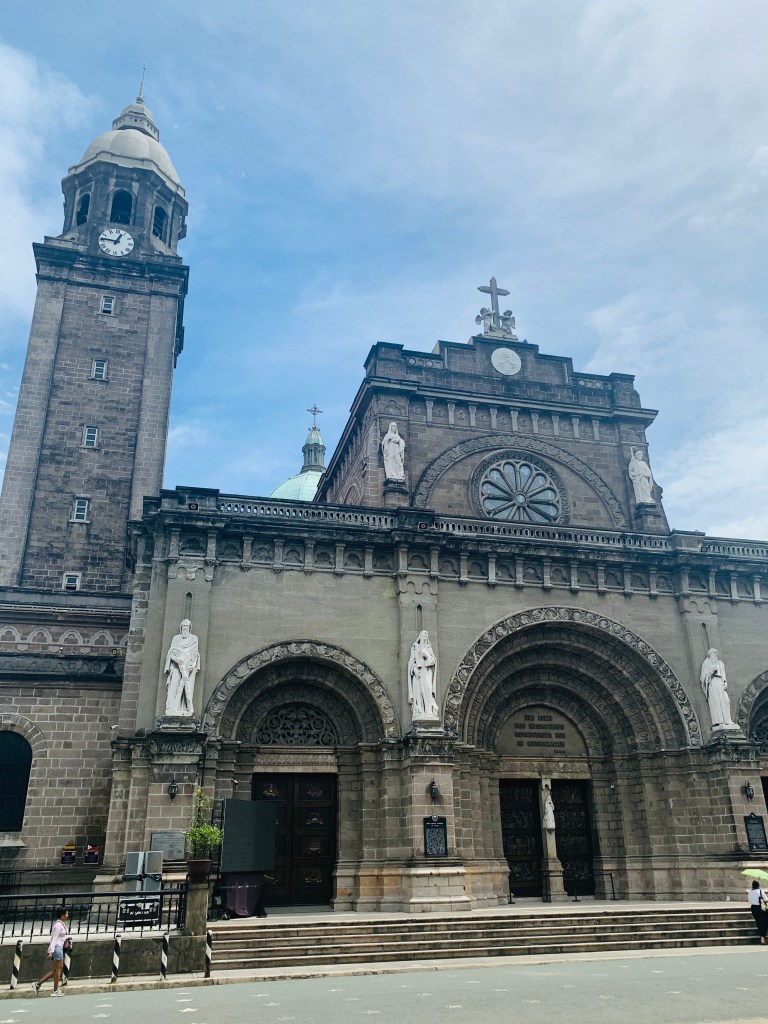
Casa Manila, a museum replicating a Spanish colonial house, offered perspectives into colonial lifestyle, while the Manila Cathedral, rebuilt multiple times since the 16th century, stands as a symbol of resilience, its magnificent facade and solemn interior offering a quiet refuge from the city’s hustle.









 yimga.blog
Leave a comment