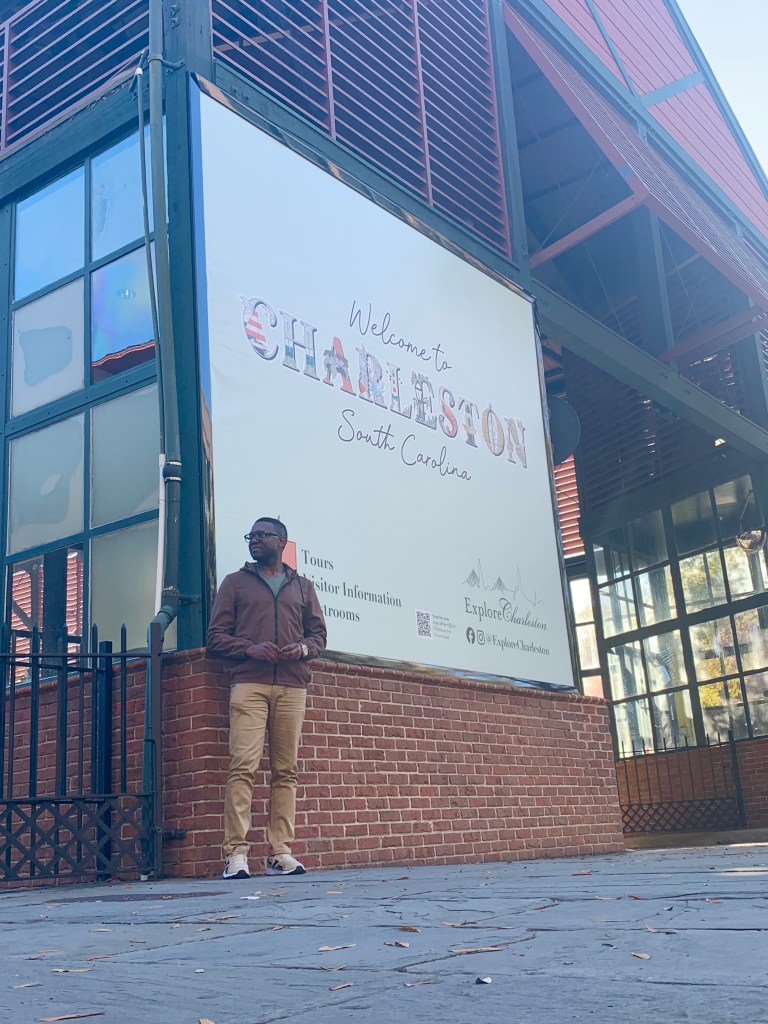
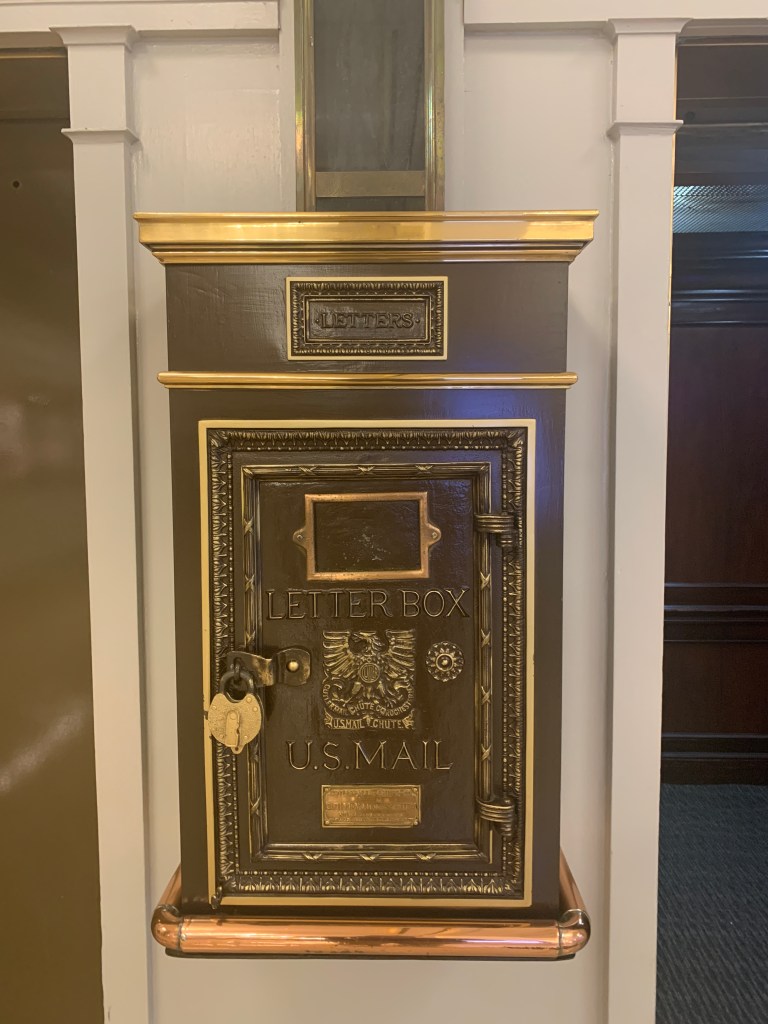
Exploring Charleston, South Carolina, immerses one in a city rich with colonial history and beautifully preserved architecture. My accommodations at the Francis Marion Hotel set the tone with its grandeur, epitomizing the charm and elegance of the 1920s, providing a perfect starting point for frolicking into the historic downtown.
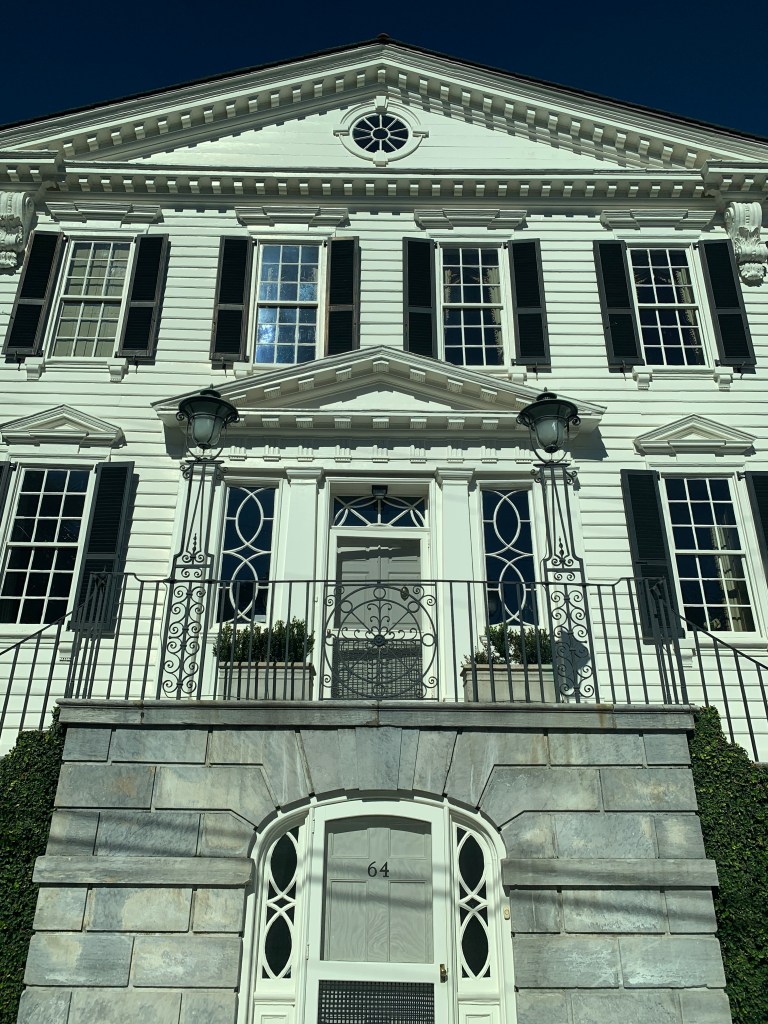
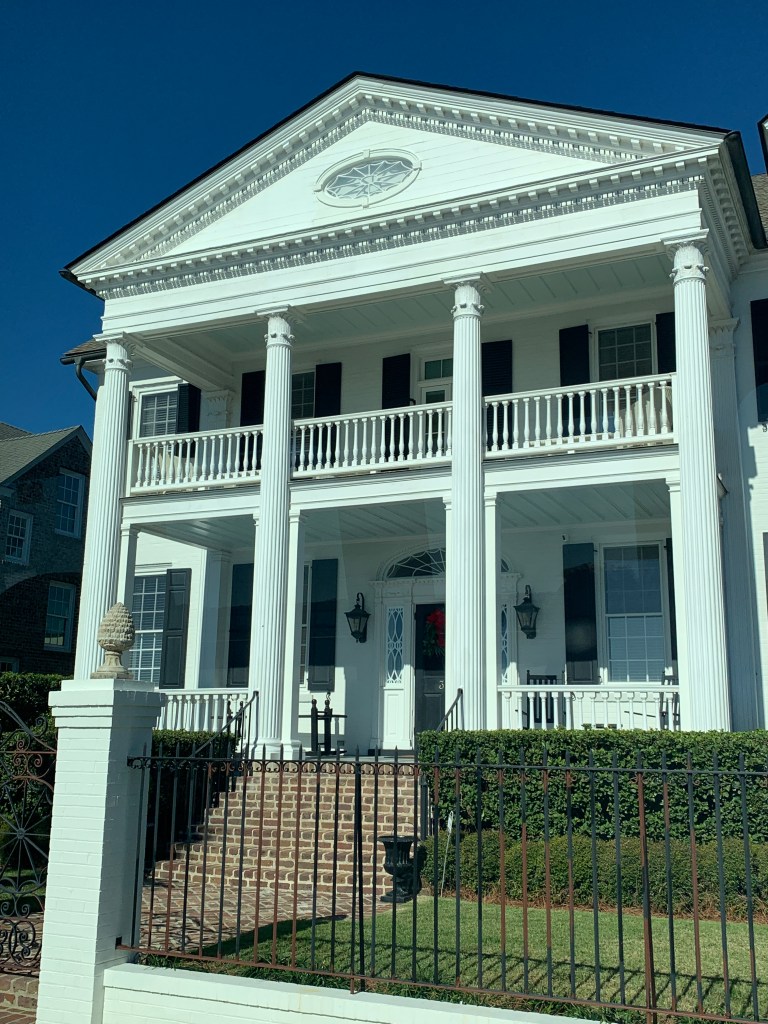
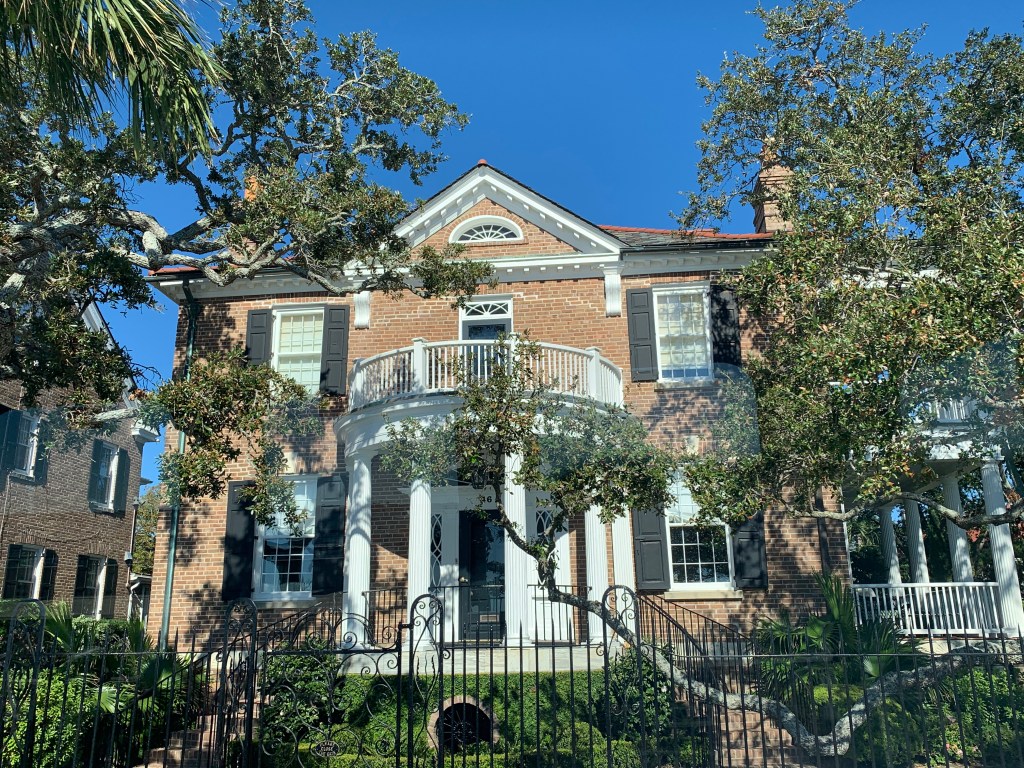
One of my first visits was to the Joseph Manigault House, a stunning example of neoclassical architecture, designed by Gabriel Manigault for his brother. This house exemplifies the opulent lifestyle of Charleston’s rice-planting society. Just nearby, The Charleston Museum, known as “America’s First Museum,” founded in 1773, deepened my appreciation for the city’s layered history, showcasing extensive collections from the natural and cultural worlds.
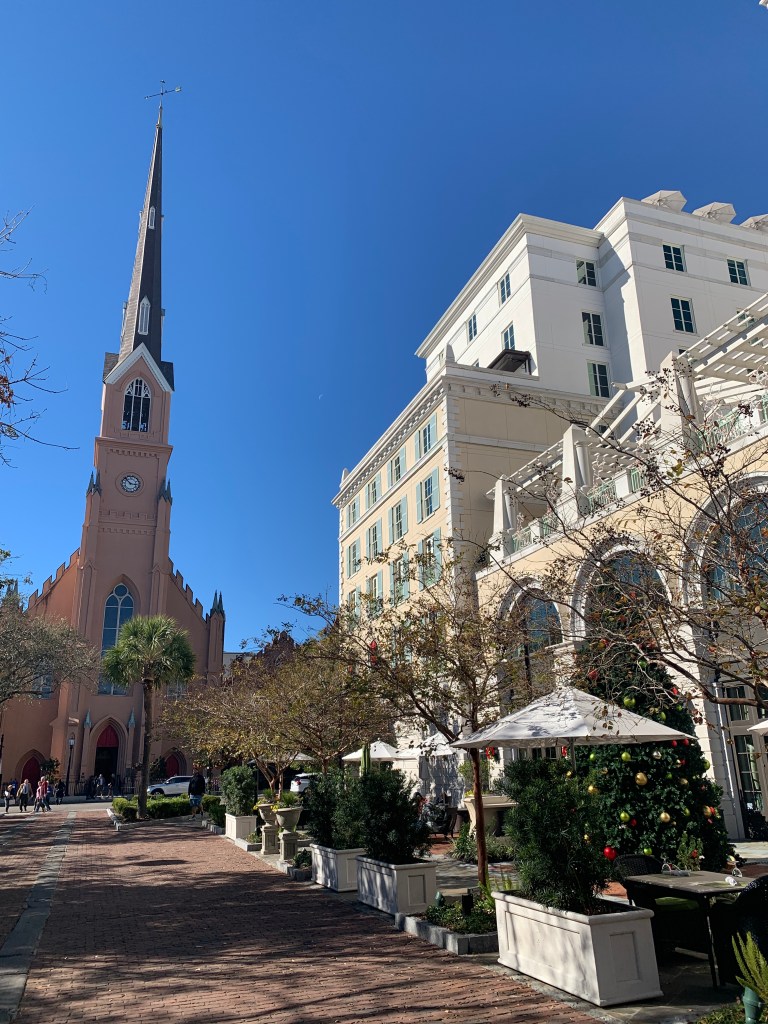
Strolling through the streets, I reached St. Philip’s Church, one of the oldest congregations in South Carolina. The churchyard serves as the final resting place for several signers of the Declaration of Independence, echoing the profound historical significance of this region.
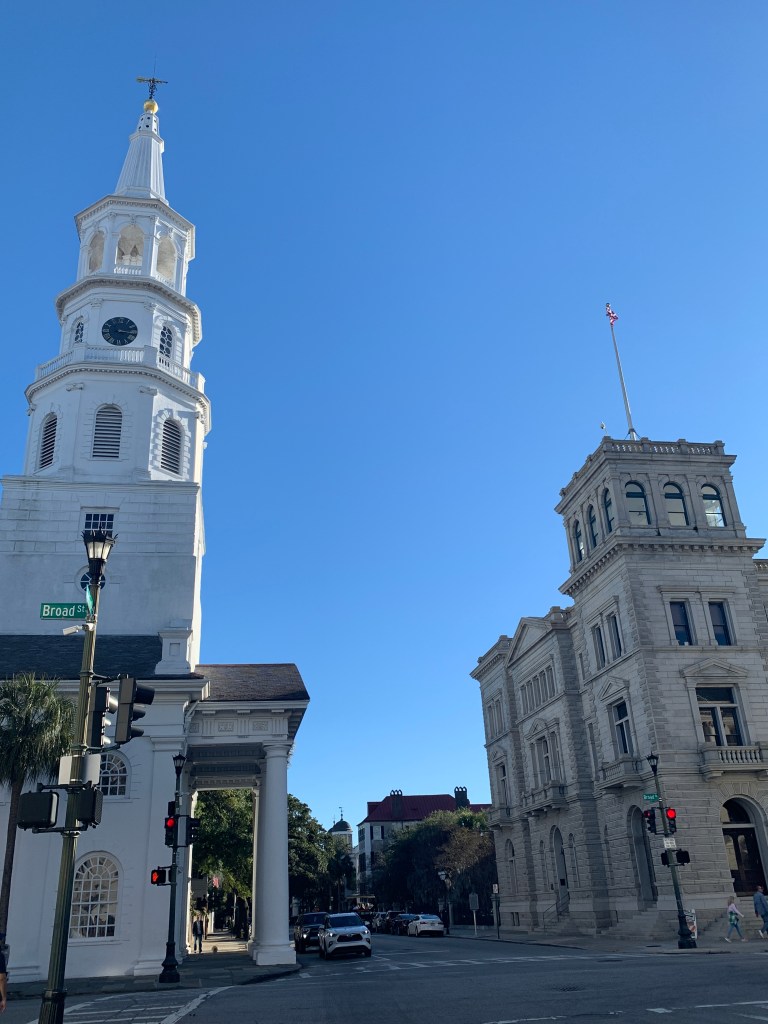
The bustling Charleston City Market offered a lively contrast, with vendors selling traditional sweetgrass baskets and other local crafts. Just a short walk from here, I experienced the Four Corners of Law, where buildings representing municipal, federal, state, and ecclesiastical law stand at each corner, highlighting the city’s governance over the centuries.
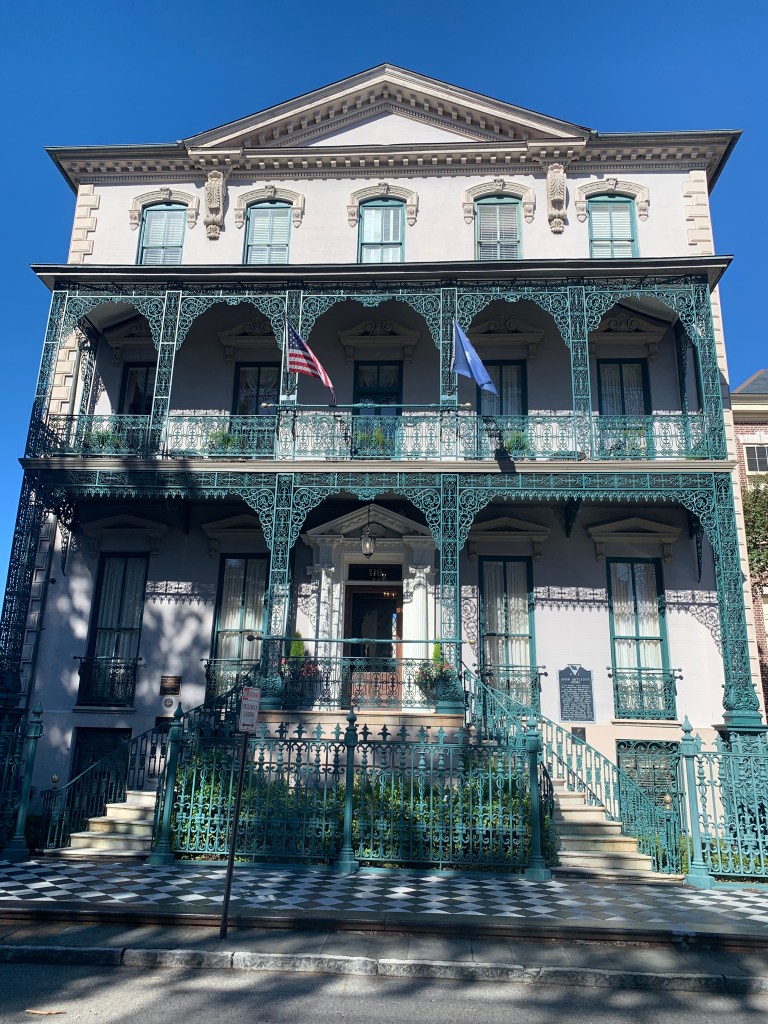
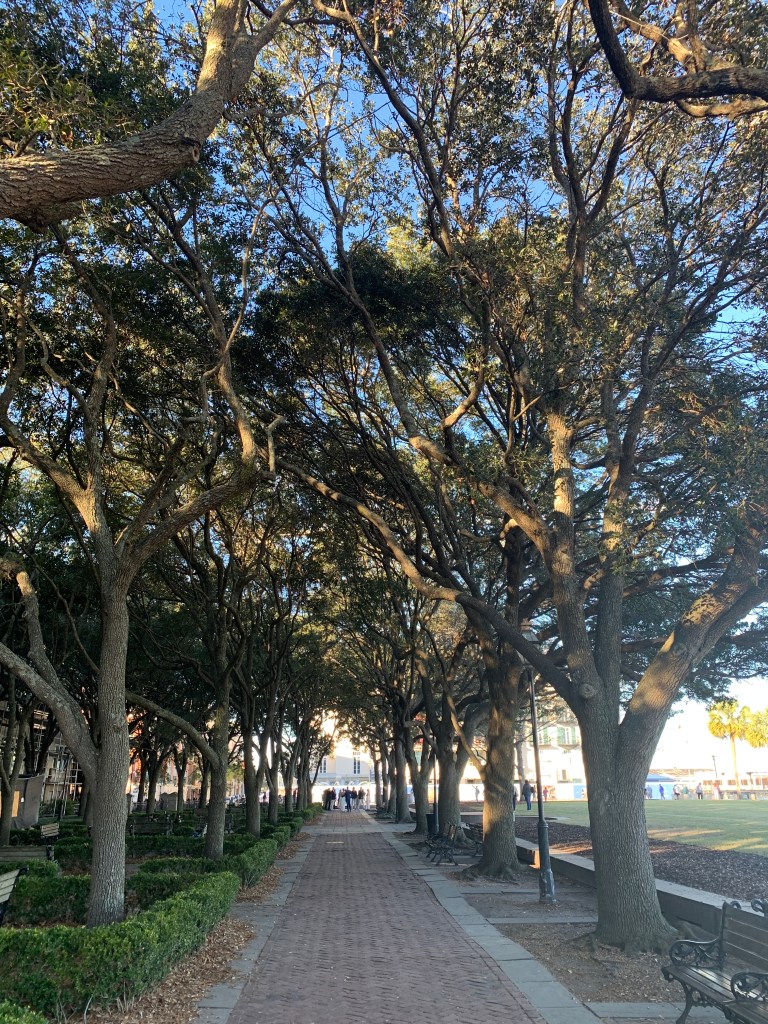
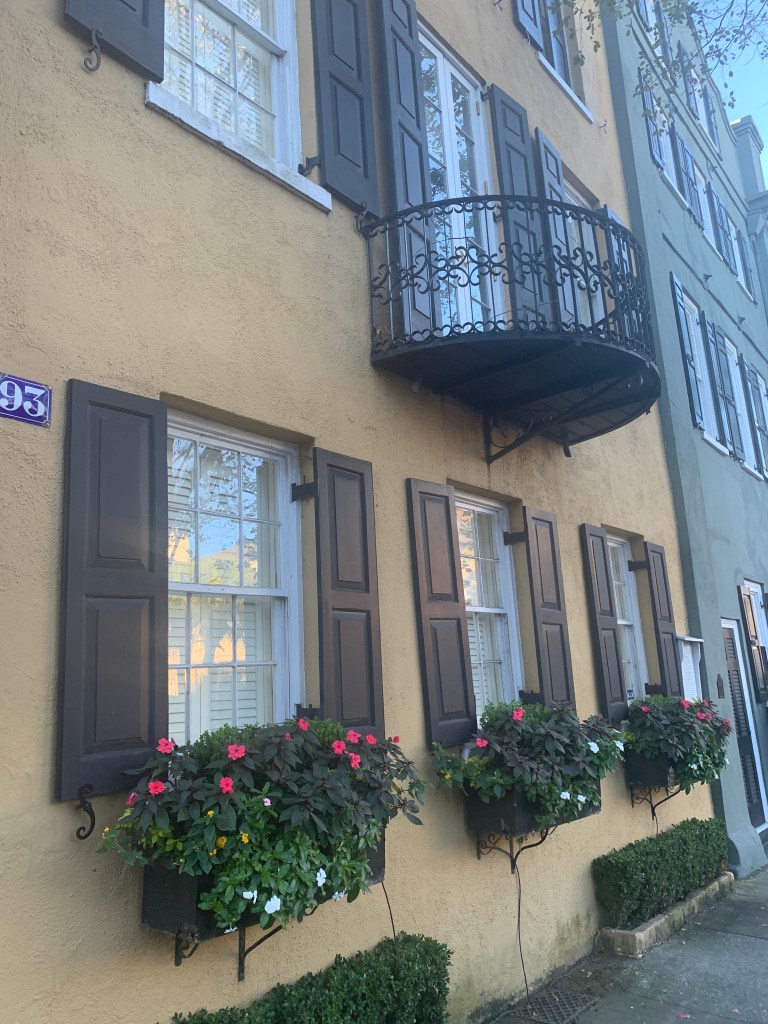
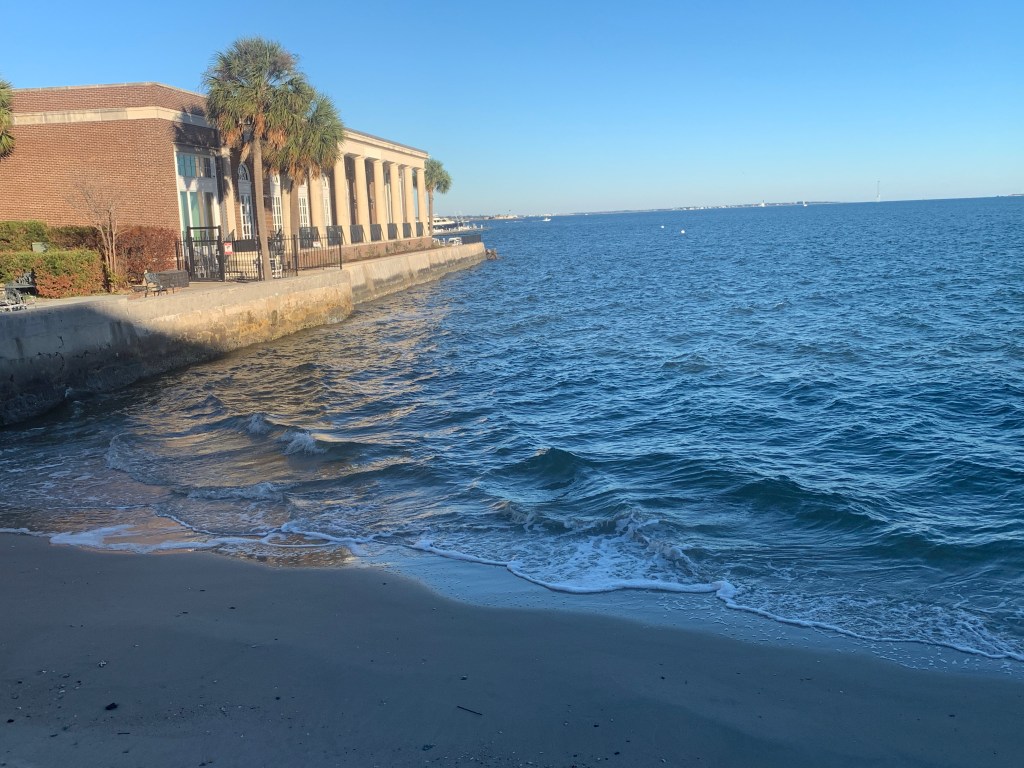
Rainbow Row, with its series of colorful historic homes, and the serene Battery & White Point Gardens, which offered stunning views of Fort Sumter, were visual treats. The Aiken-Rhett House provided a glimpse into antebellum life, preserved almost exactly as it was in the 1850s.
My journey concluded at the Old Exchange & Provost Dungeon, a pivotal site during the Revolutionary War, where revolutionaries were held prisoner and significant events of early American history unfolded.





 yimga.blog
Leave a comment