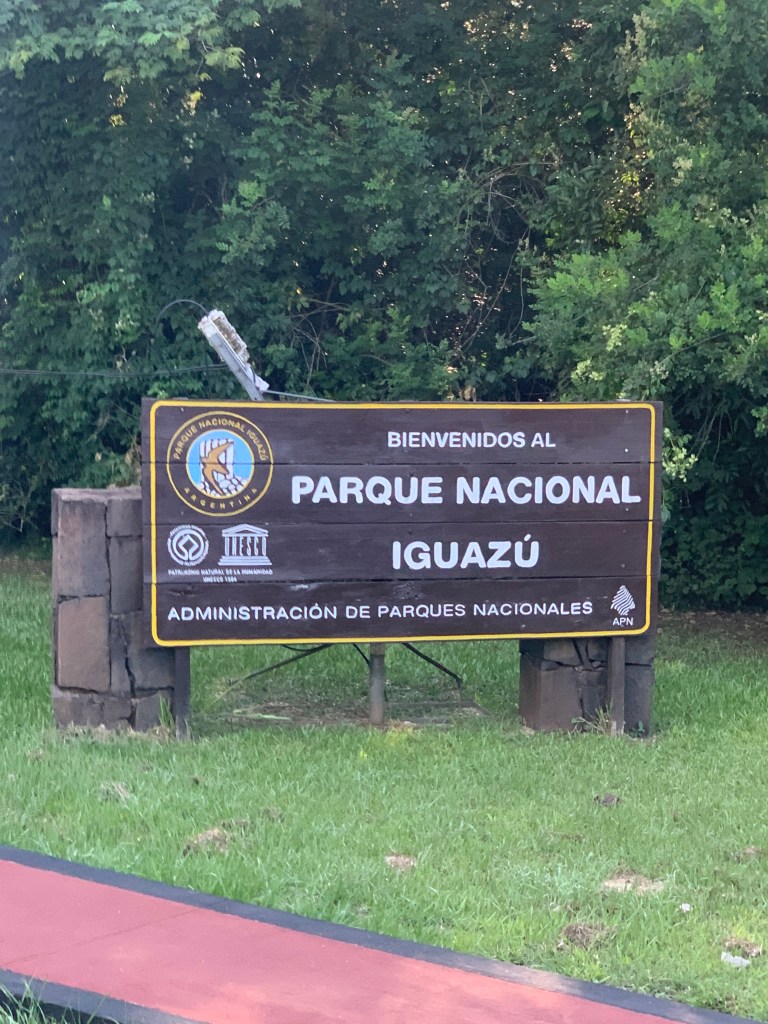
Exploring Iguazu Falls, located on the border between Argentina and Brazil, proved to be an awe-inspiring experience, showcasing one of the most spectacular natural wonders of the world. The falls are a UNESCO World Heritage Site and one of the New Seven Wonders of Nature, reflecting their global significance and breathtaking beauty.
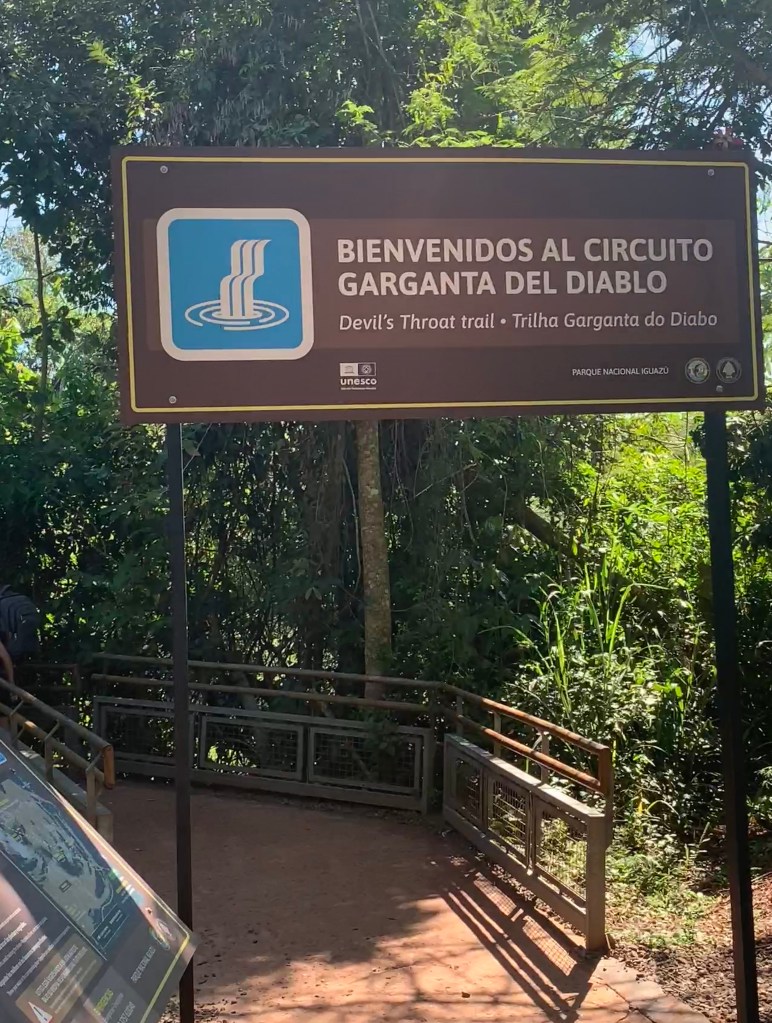
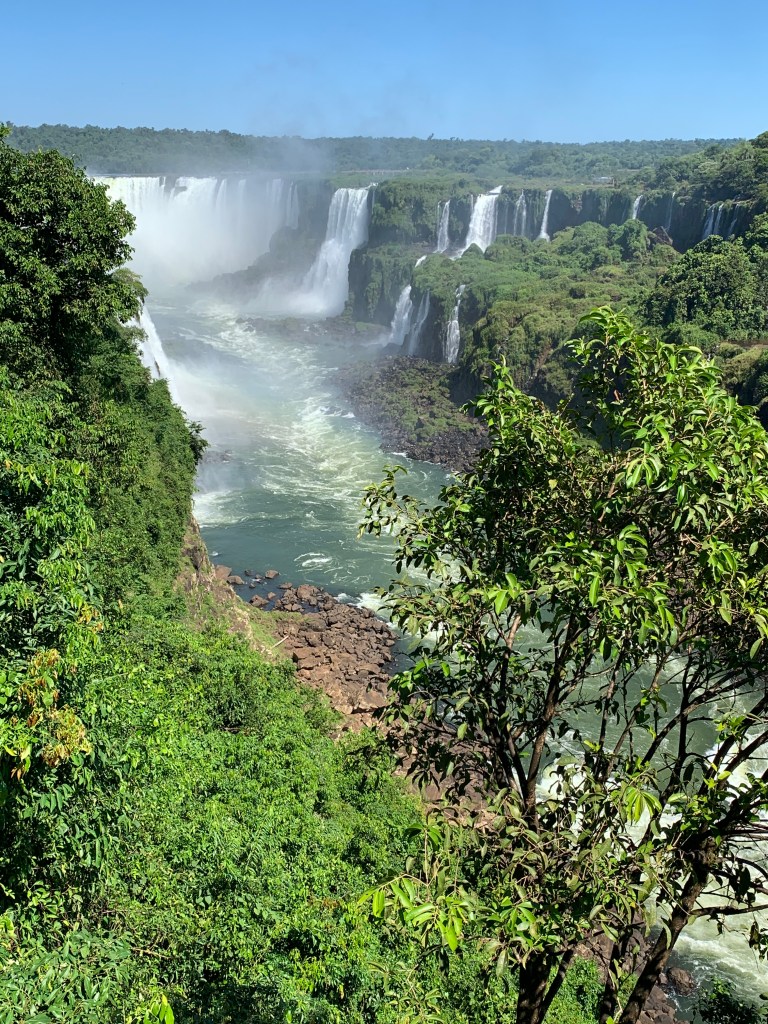
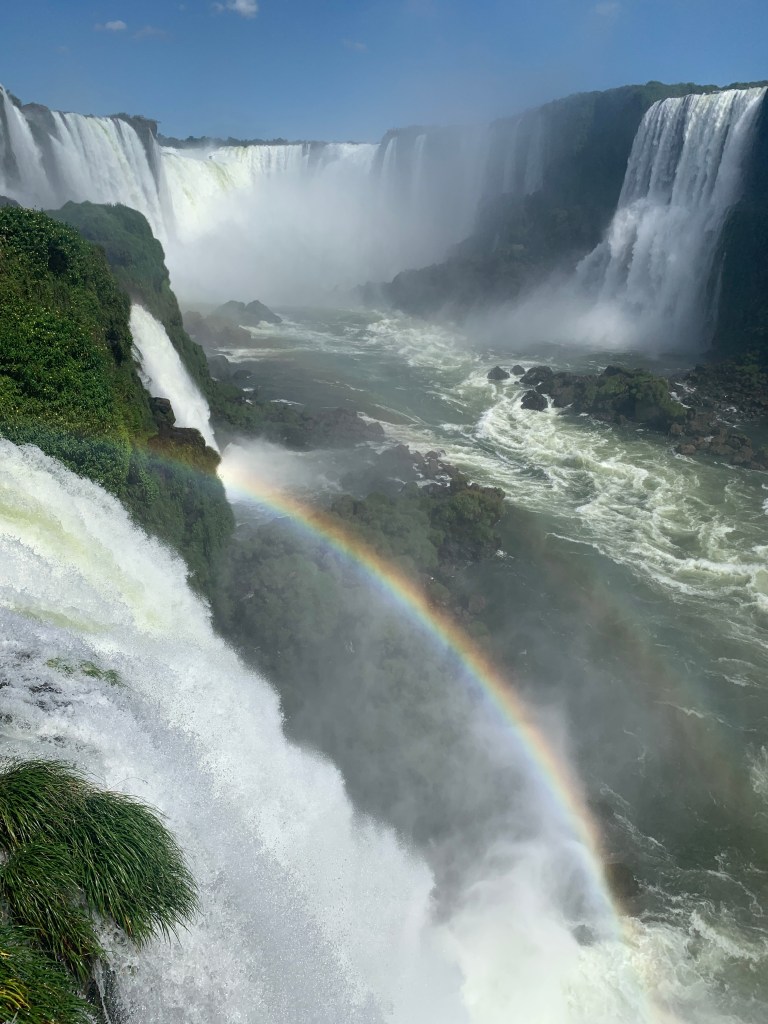
My adventure started on the Argentine side, where the network of trails and the iconic Devil’s Throat (Garganta del Diablo) offered an up-close experience of the cascades. The roar of the water plunging down the Devil’s Throat was overwhelming, encapsulating the raw power of nature. Historical accounts suggest that the falls were first recorded by Spanish Conquistador Álvar Núñez Cabeza de Vaca in 1541, naming them “Saltos de Santa María.”
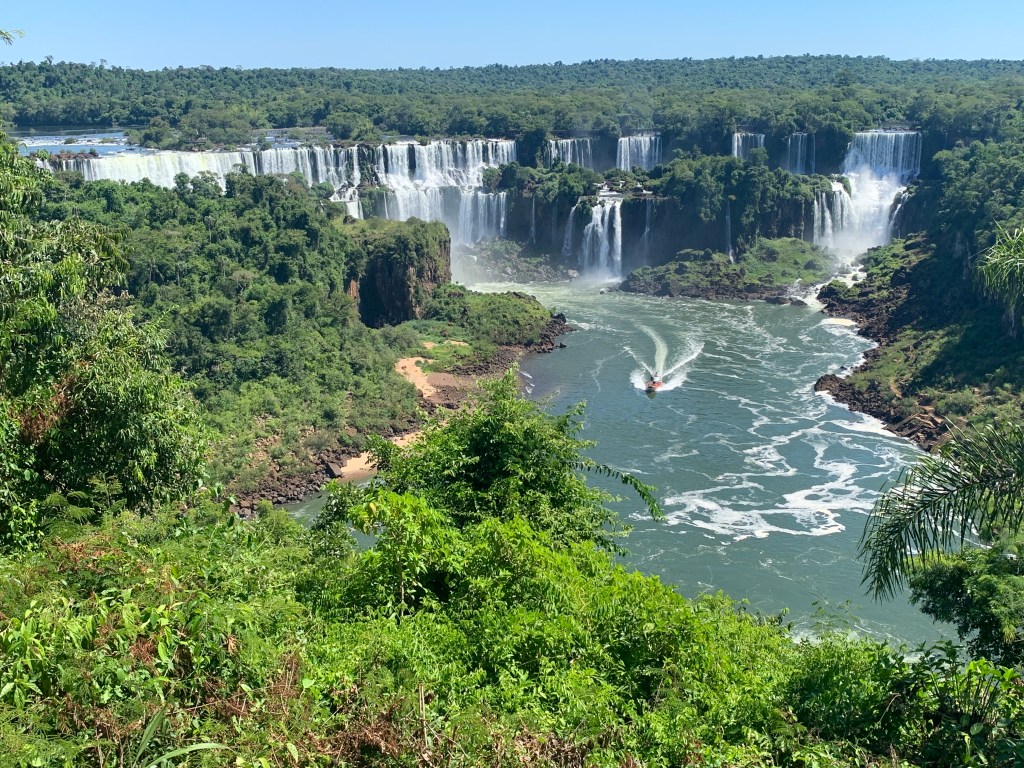
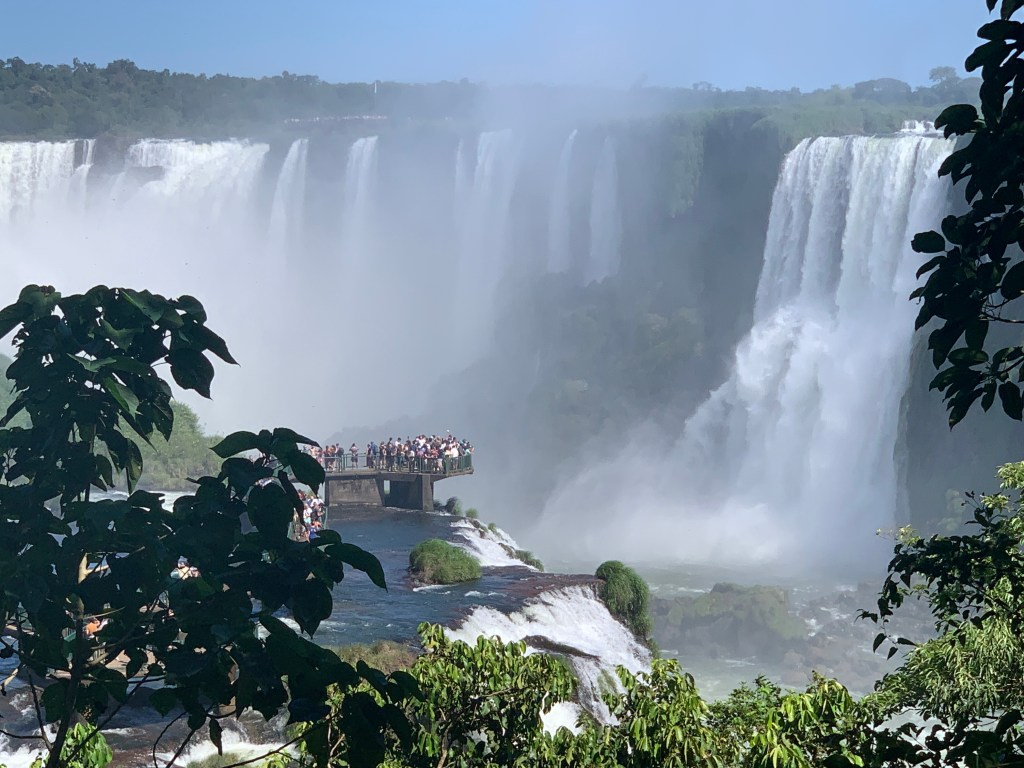
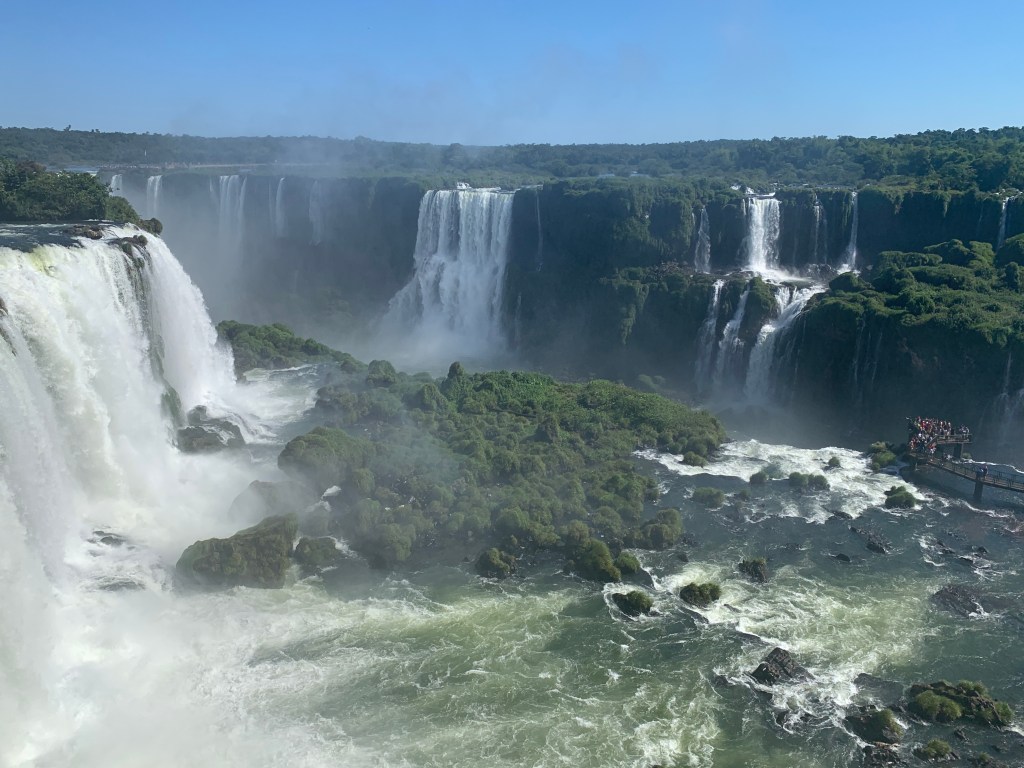
Crossing over to the Brazilian side provided a different perspective, with panoramic views that framed the vast expanse of waterfalls stretching nearly 3 kilometers wide. The Brazilian side is known for its broader, more panoramic views of the falls, which complement the close-up encounters on the Argentine side. Here, the observation deck at the lower circuit provided a stunning vista that was both humbling and exhilarating.
In the midst of this natural beauty, the significance of the falls to the indigenous Guarani people was palpable. For centuries, the Guarani have considered the Iguazu Falls a sacred site, and legends such as that of a deity who planned to marry a woman who fled with her mortal lover over the falls, where they were transformed into rocks and trees, infuse the place with a sense of timeless drama.







 yimga.blog
Leave a comment