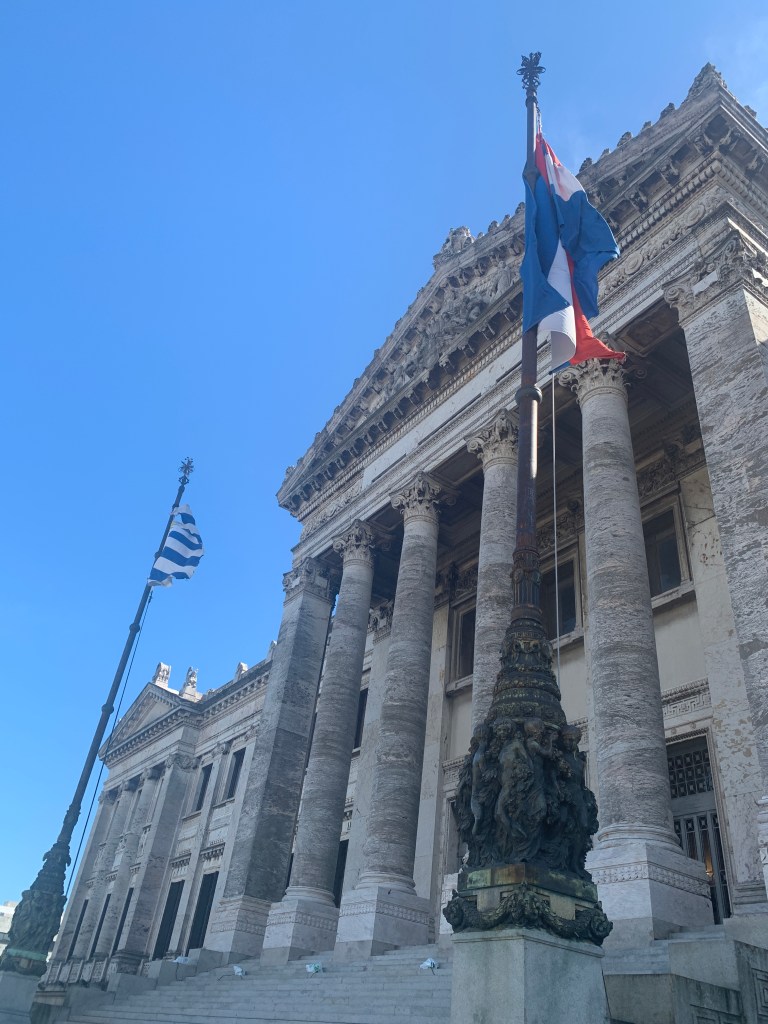
Wandering through Montevideo, Uruguay’s capital, provided a rich immersion into the city’s cultural heritage and architectural grandeur. The day began with a visit to the Palacio Legislativo, a monumental site that stands as a symbol of the nation’s political life. Constructed in the early 20th century, this palace is not only a key governmental hub but also a striking example of neoclassical architecture, its marble halls echoing with the legislative debates that have shaped Uruguay.
From there, the exploration continued to El Rosedal, a beautifully manicured rose garden located within Prado Park. This serene spot, filled with various rose species, offered a peaceful retreat from the bustling city streets. Nearby, the Prado neighborhood’s old charm added a quaint backdrop to the lush greenery of the park.
A visit to the Fountain of Padlocks, where couples attach padlocks as a symbol of their love and throw away the key, added a quirky yet romantic note to the day. This tradition echoes a global custom, showing Montevideo’s connections to wider cultural practices.
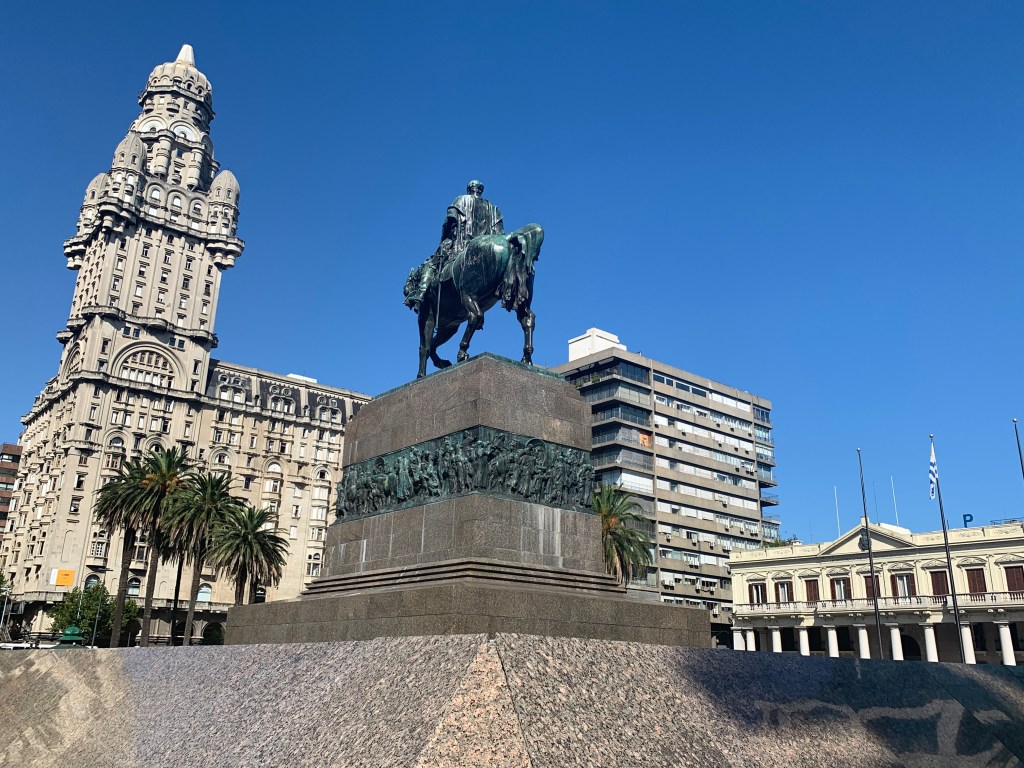
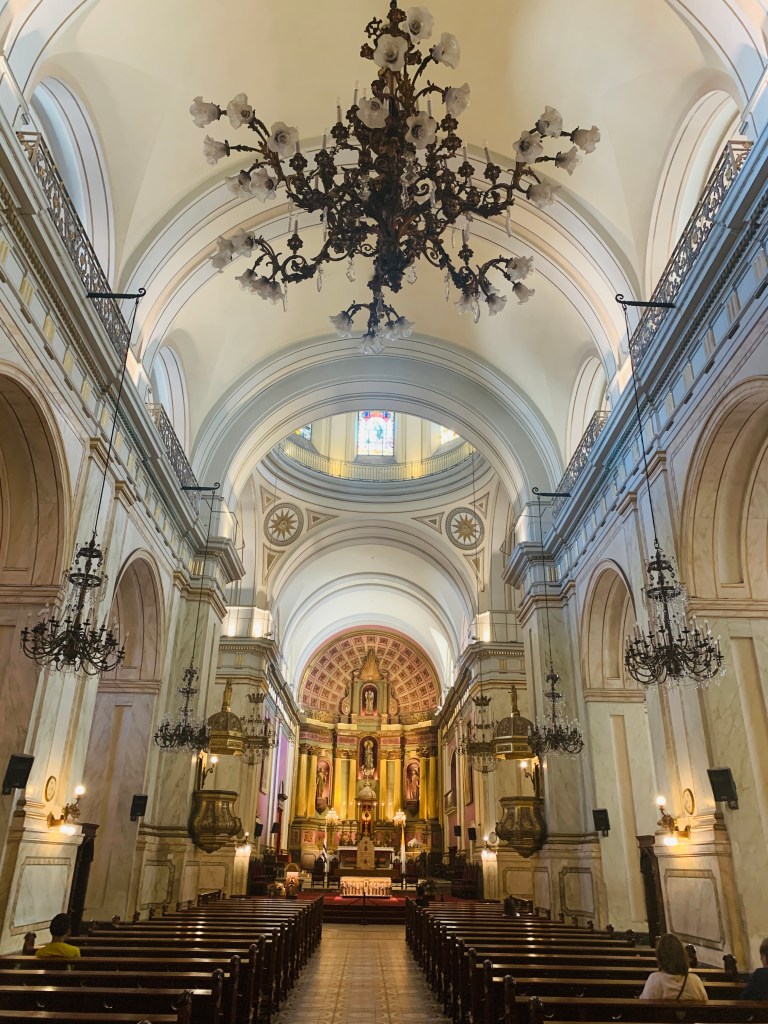
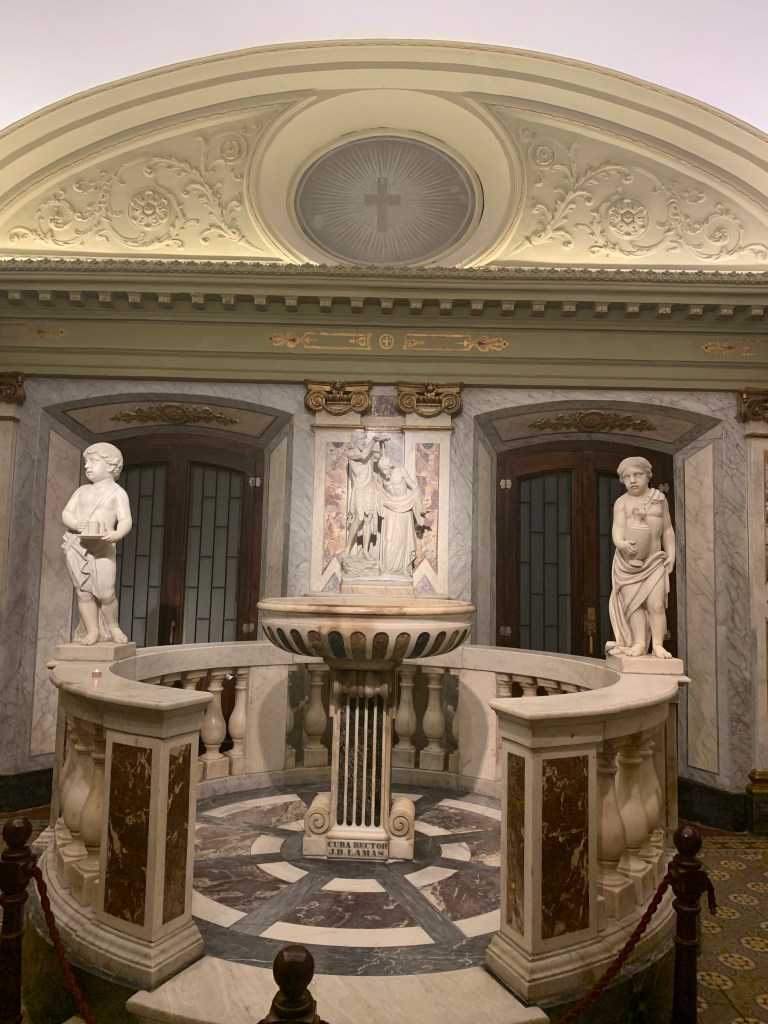
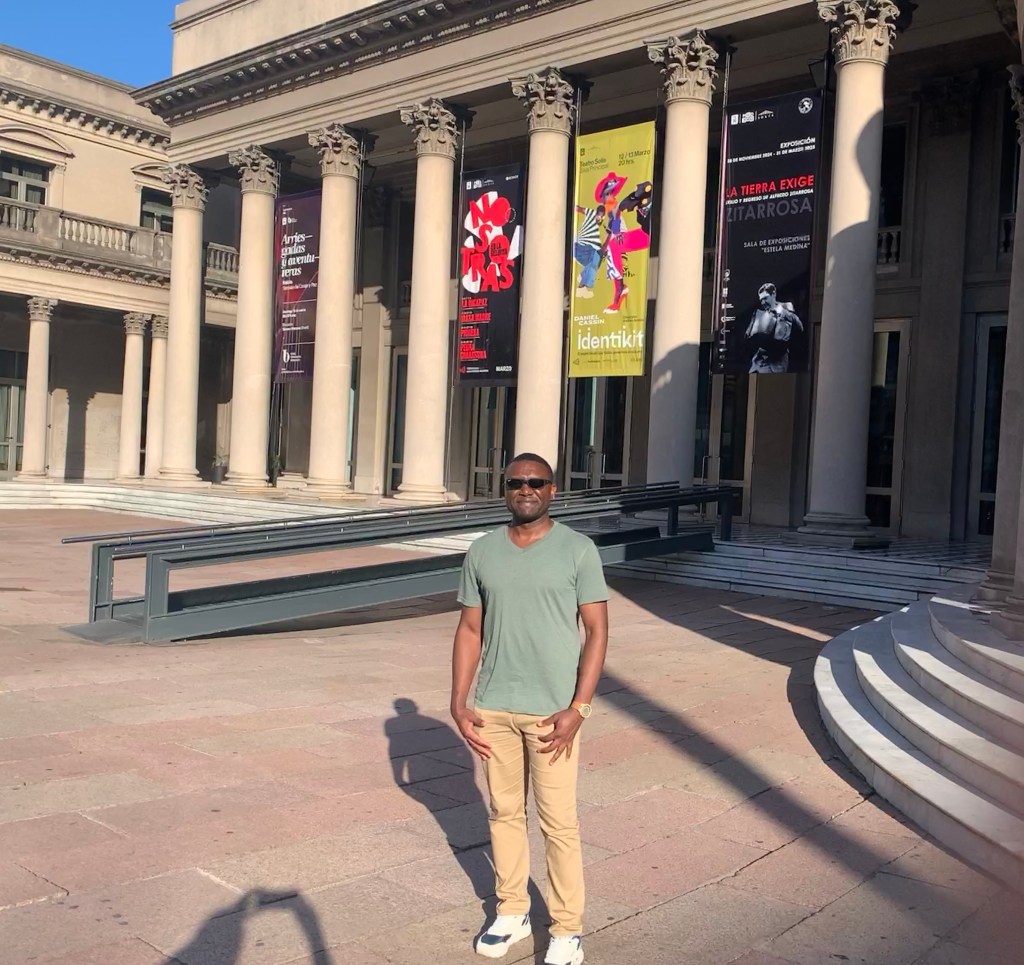
The heart of the city revealed more historical sites, from the towering Palacio Salvo, once the tallest building in South America, to the Solis Theater, Uruguay’s oldest theater and a cultural beacon since its opening in 1856. The Gateway of the Citadel, marking the spot where the city’s colonial fortifications once stood, led into the historic Constitution Plaza. Here, the Metropolitan Cathedral, an 18th-century masterpiece, offered architectural beauty and a historical narrative, having witnessed many of the city’s pivotal moments.
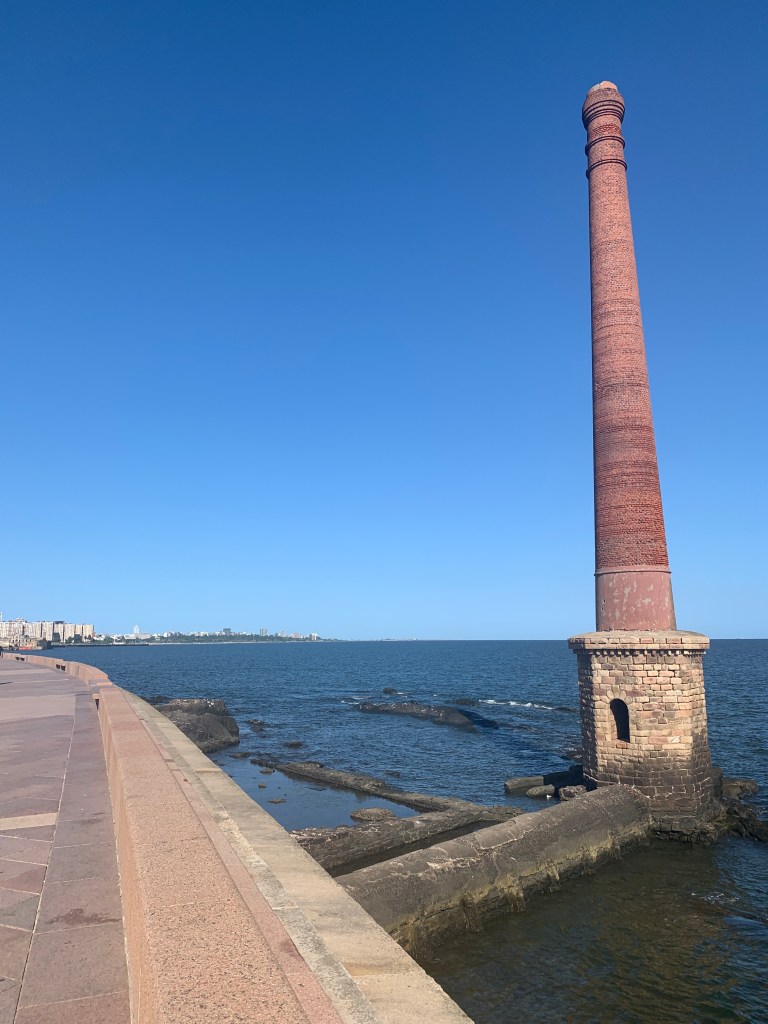
A stroll along Rambla Francia before dusk provided a stunning view of the coastline. This promenade, a favorite among locals, encapsulates Montevideo’s laid-back yet culturally rich atmosphere, making it a perfect place to reflect on a day filled with historical discoveries and scenic beauty.









 yimga.blog
Leave a comment