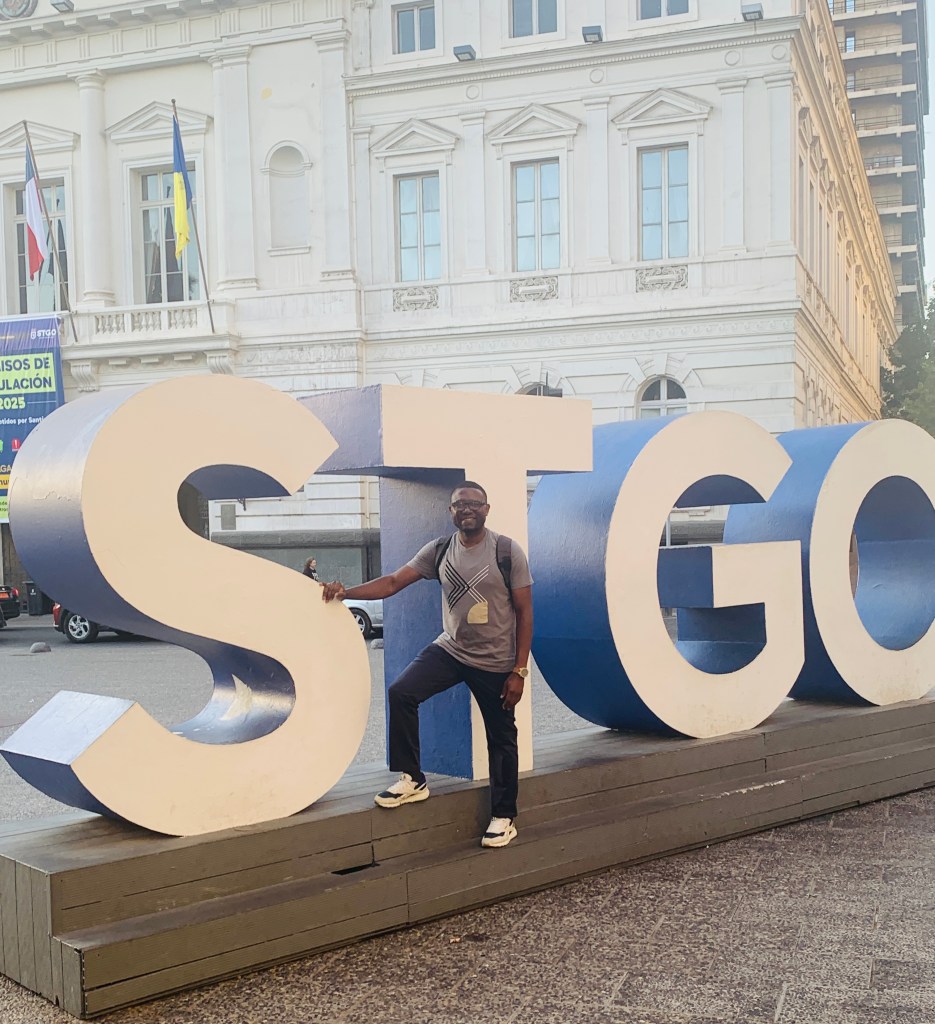
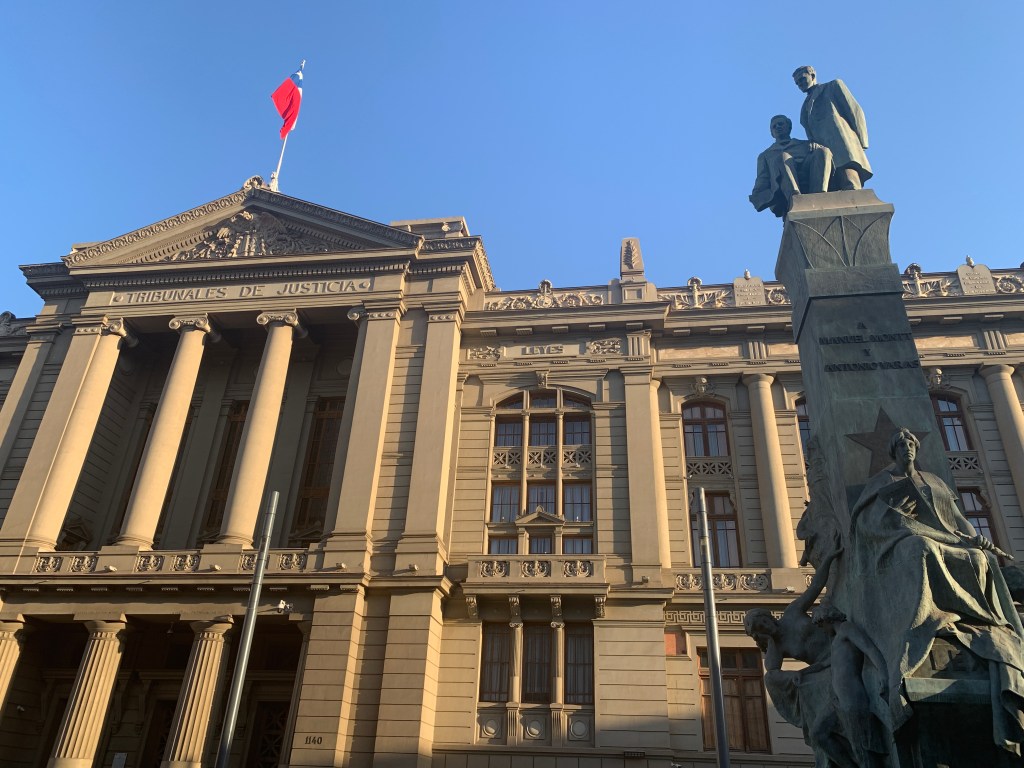
Exploring Santiago, Chile, offers an enriching blend of cultural heritage and architectural splendor. The capital city is a treasure trove of historically significant sites, each narrating its own story of Chile’s past and present.
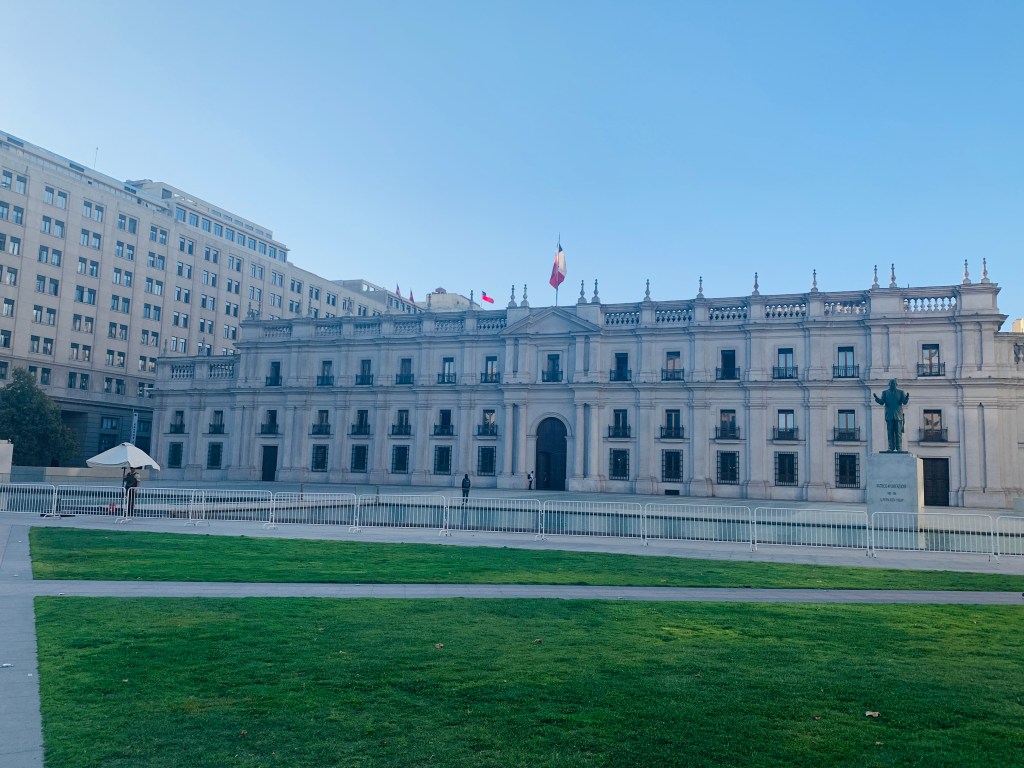
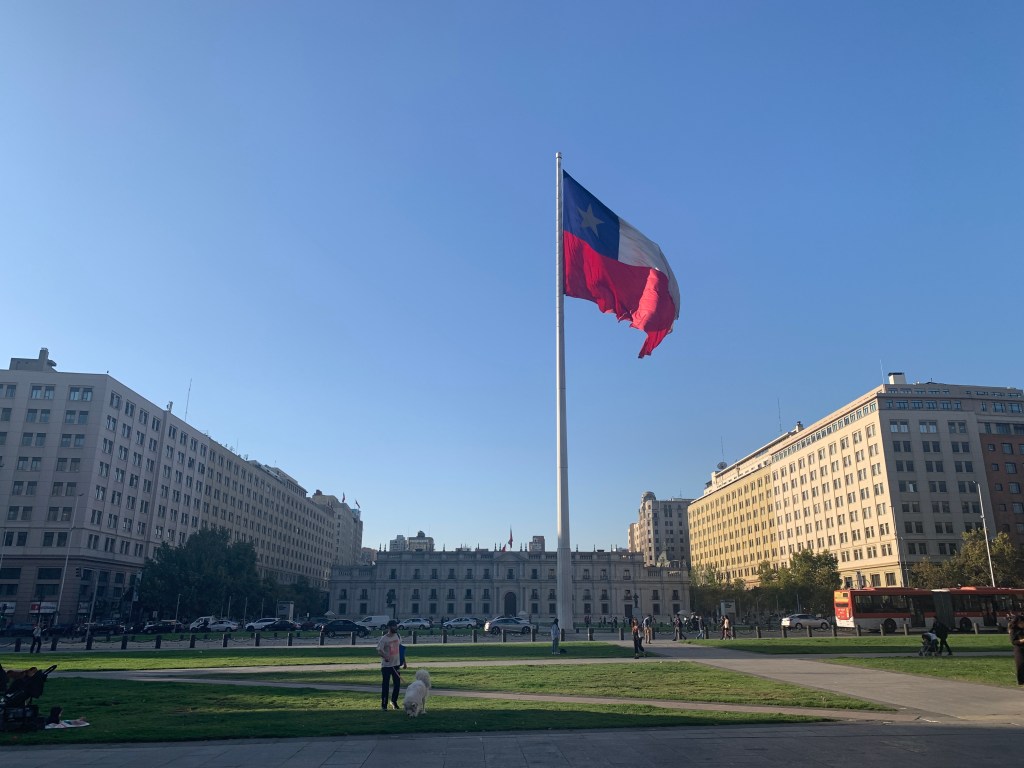
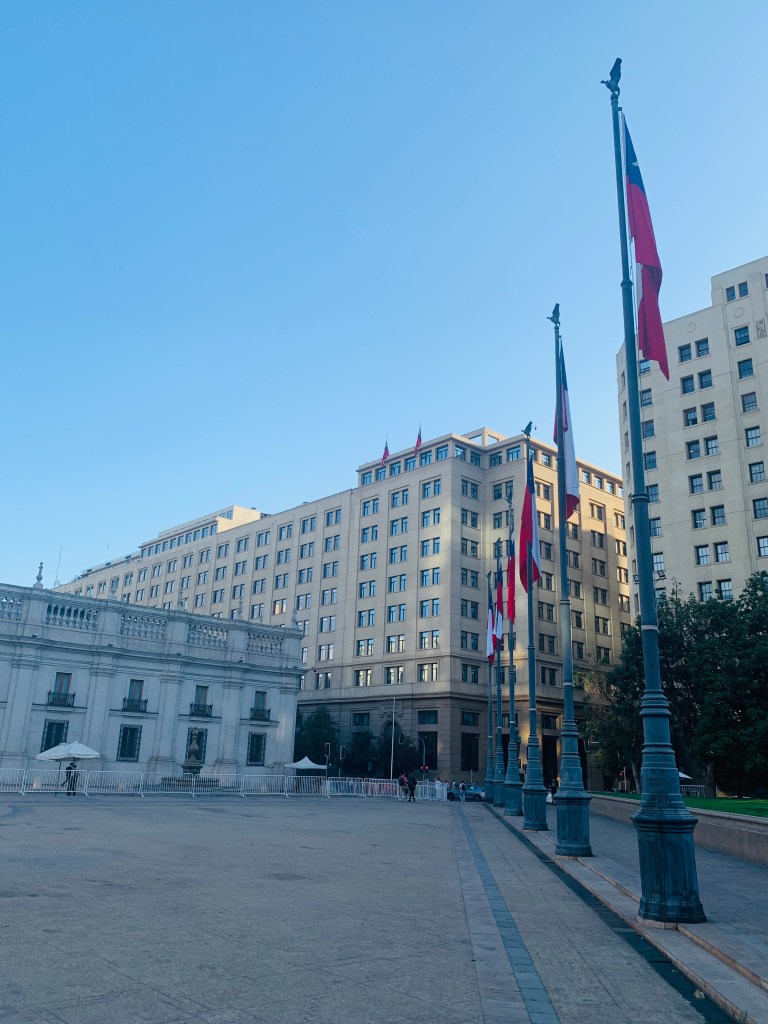
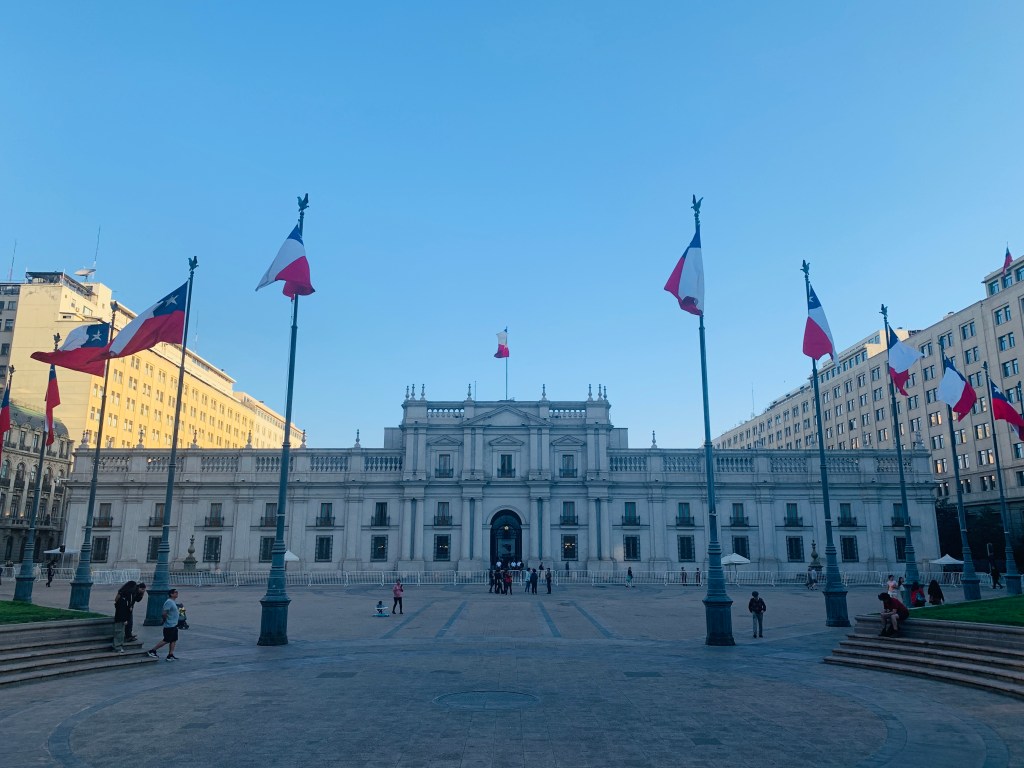
My exploration began at La Moneda, the presidential palace, known not only for its neoclassical beauty but also as the site of the 1973 military coup, a pivotal moment in Chilean history. The building’s robust structure and solemn atmosphere were a powerful reminder of its role as the seat of political power in Chile.
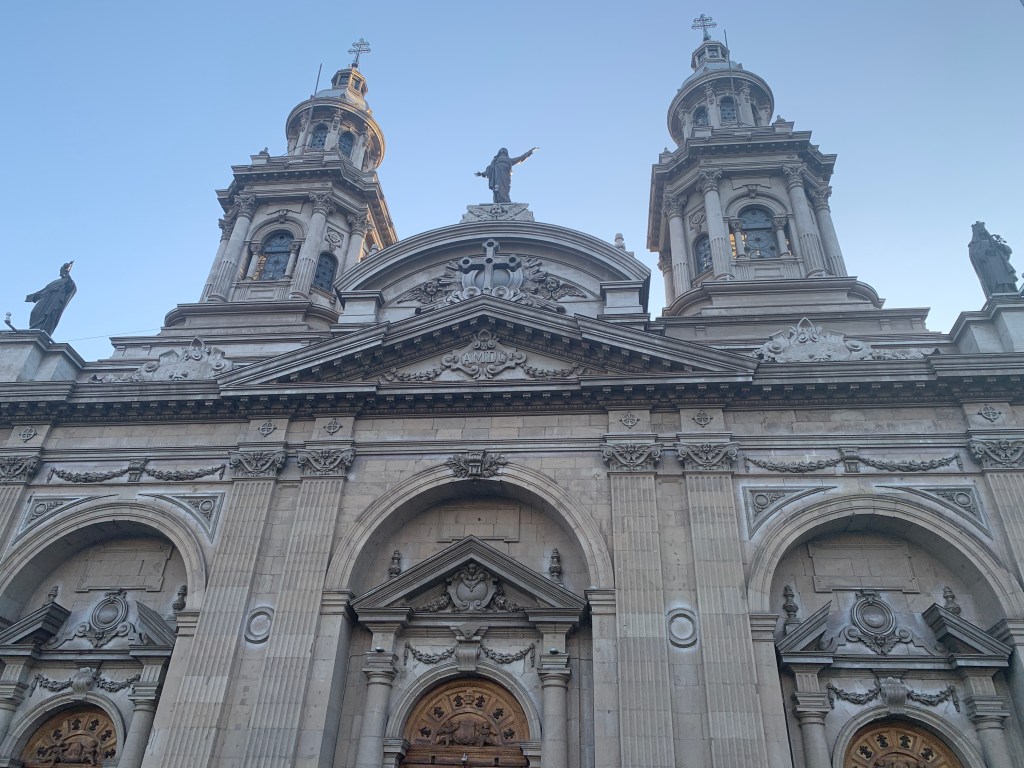
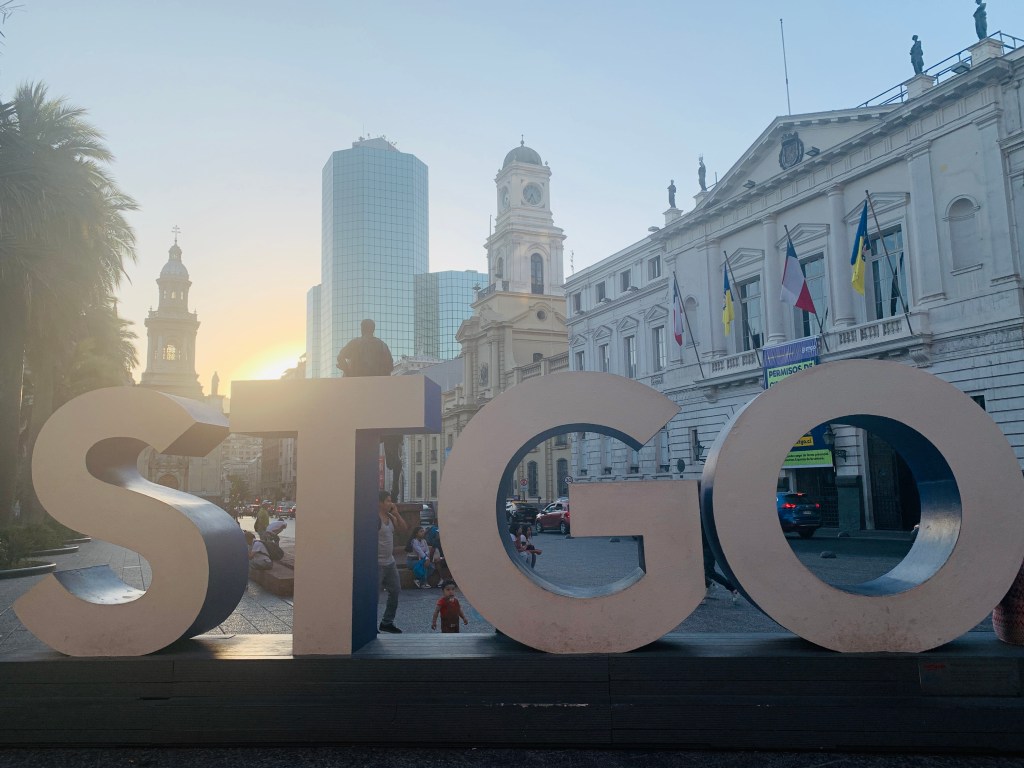
Next, I strolled to Plaza de Armas, the city’s main square and a bustling hub of activity. Surrounded by historical buildings, including the majestic Metropolitan Cathedral, this square has been the heart of Santiago since the city was founded in 1541. The vibrant scene, with street artists and vendors, provided a lively contrast to the tranquility of La Moneda.
A few blocks away, the National Library stood as a bastion of Chilean literature and knowledge. Housing millions of volumes, it is one of the most important public libraries in Latin America, established in 1813. The library’s grand architecture and extensive collections are a testament to Chile’s commitment to preserving its literary heritage.
Further enriching my experience, I visited Palacio Cousiño, a glimpse into the opulent lifestyles of Chile’s 19th-century elite. Built for the wealthy Cousiño-Goyenechea mining family, this palace showcases exquisite décor and furnishings that illustrate the economic boom of that era.
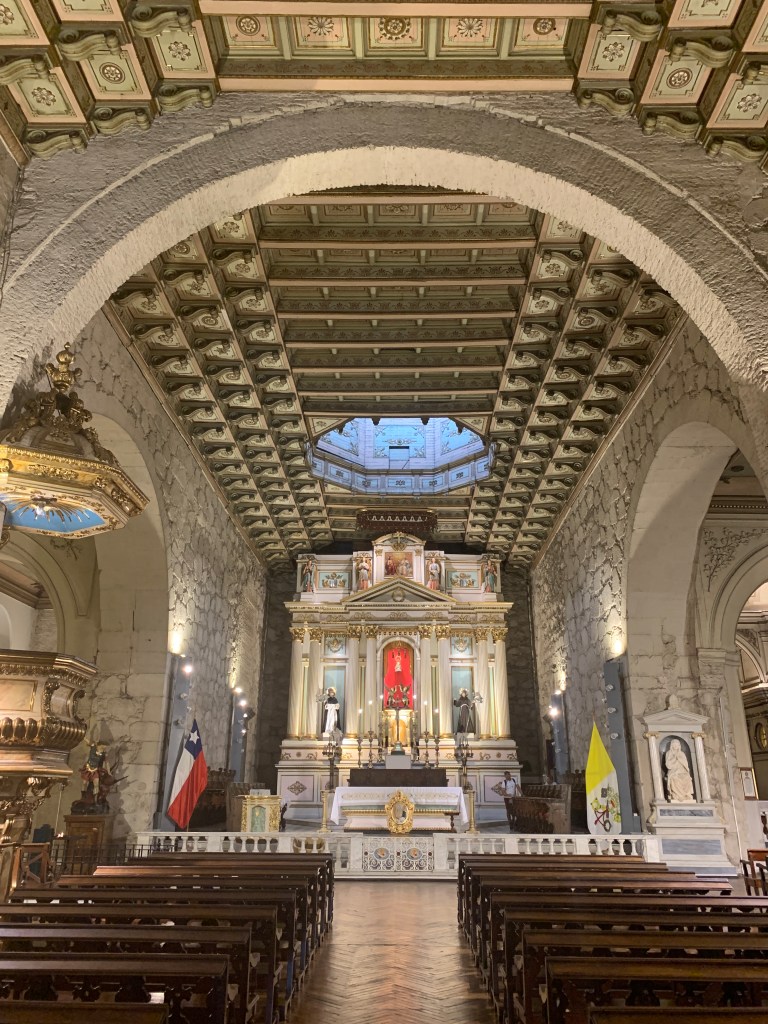
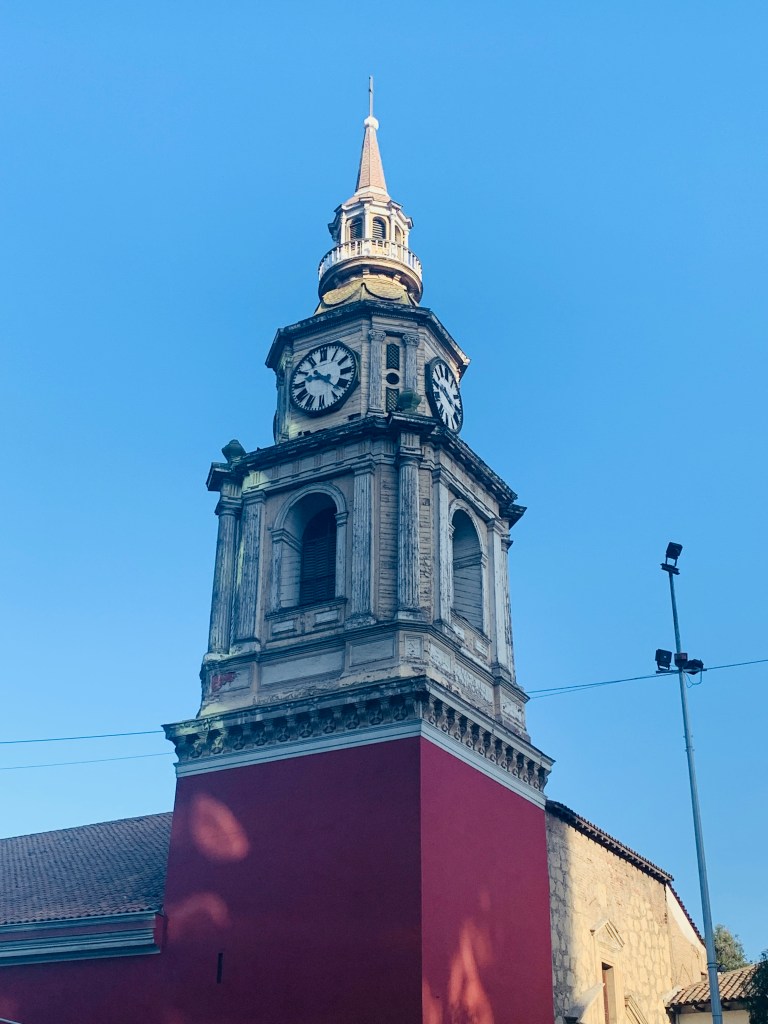
My day concluded at the Church of San Francisco, Santiago’s oldest colonial-era building. The church and its convent are relics from the 16th century, offering serene sanctuary and a touch of Santiago’s early Spanish influences.



 yimga.blog
Leave a comment