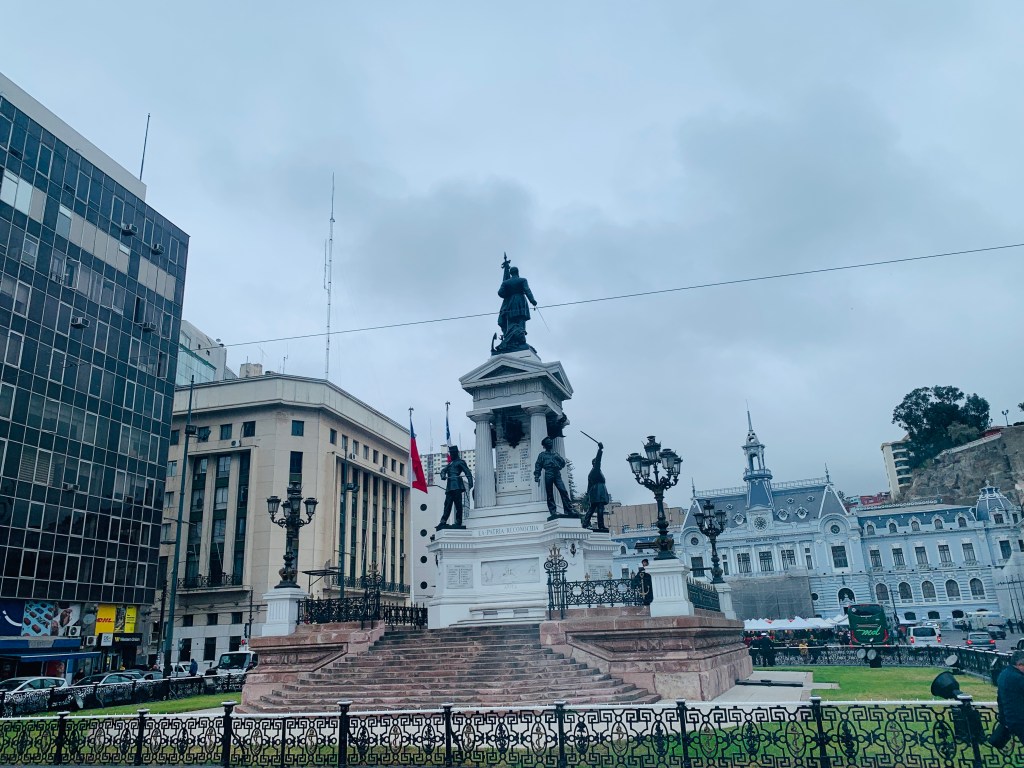
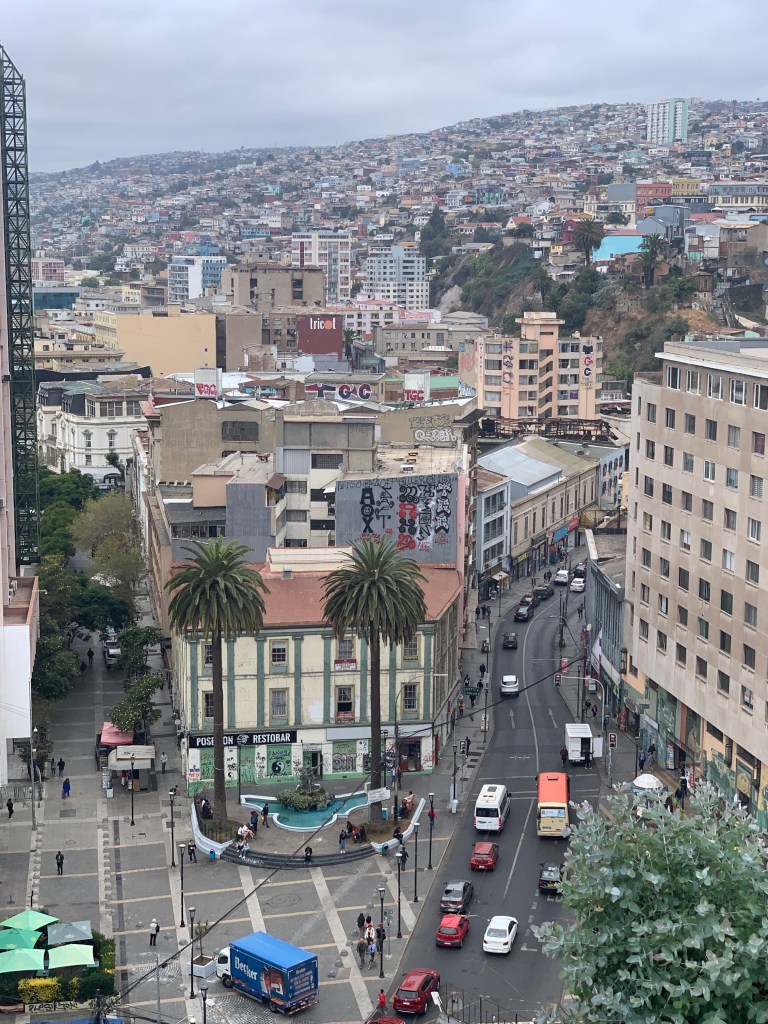
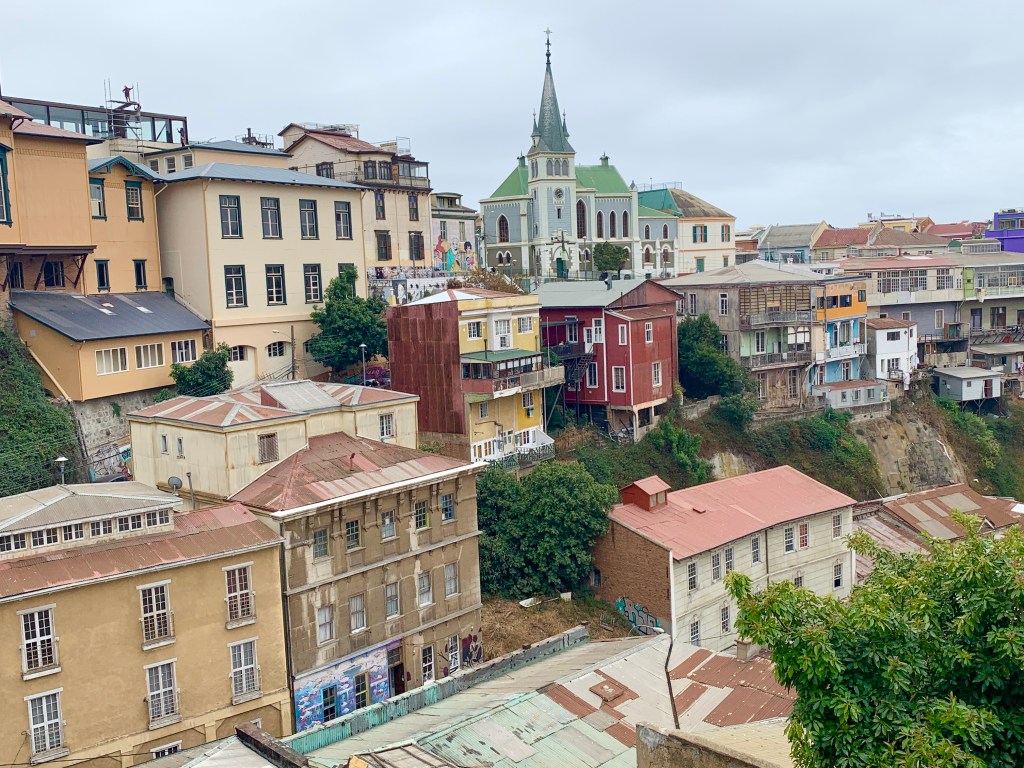
Exploring the coastal cities of Valparaíso and Viña del Mar in Chile revealed a stunning contrast between bohemian charm and refined elegance. Valparaíso, known affectionately as “Valpo” by locals, greeted me with its colorful hillsides and a labyrinth of streets that tell stories of a port city steeped in maritime history. This UNESCO World Heritage site has long been a muse for artists and poets, including Pablo Neruda, who made this city his home. The spontaneous layout of Valparaíso speaks to its development during the 19th-century California Gold Rush when it became a major stopover for ships traveling between the Atlantic and Pacific oceans.
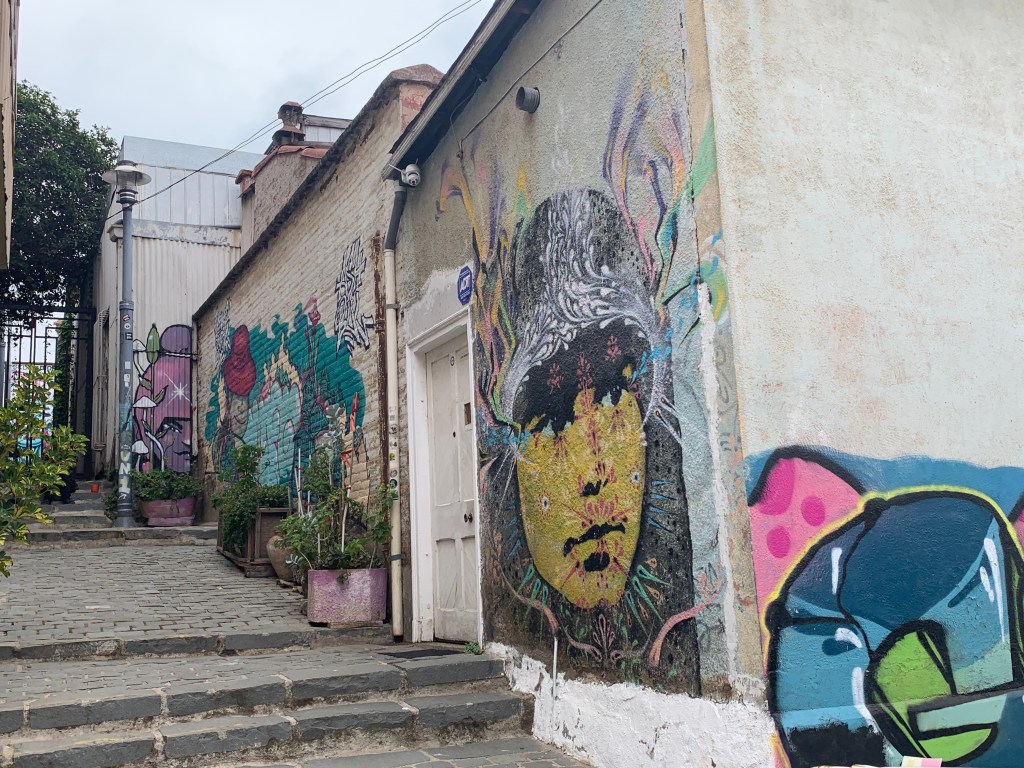
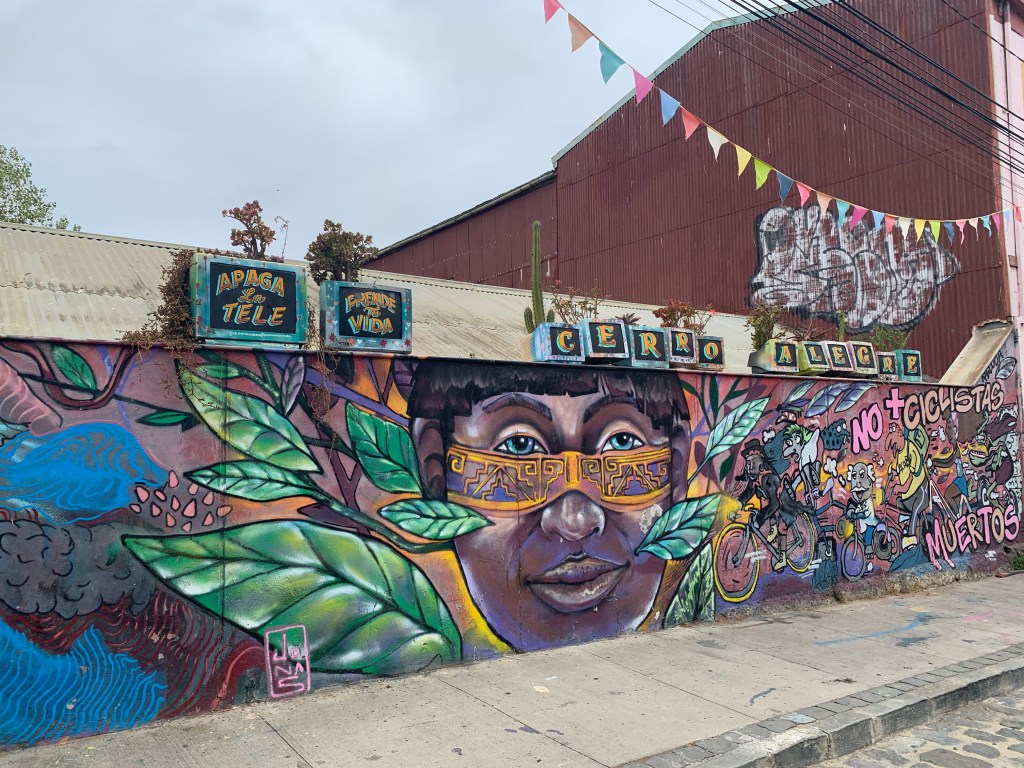
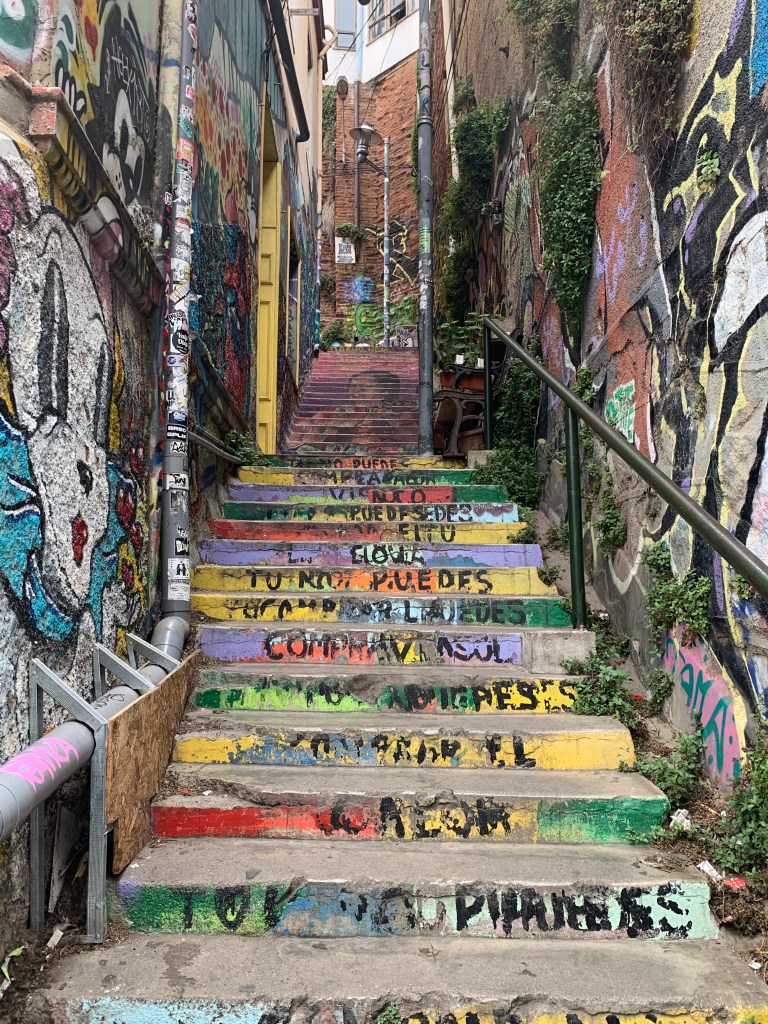
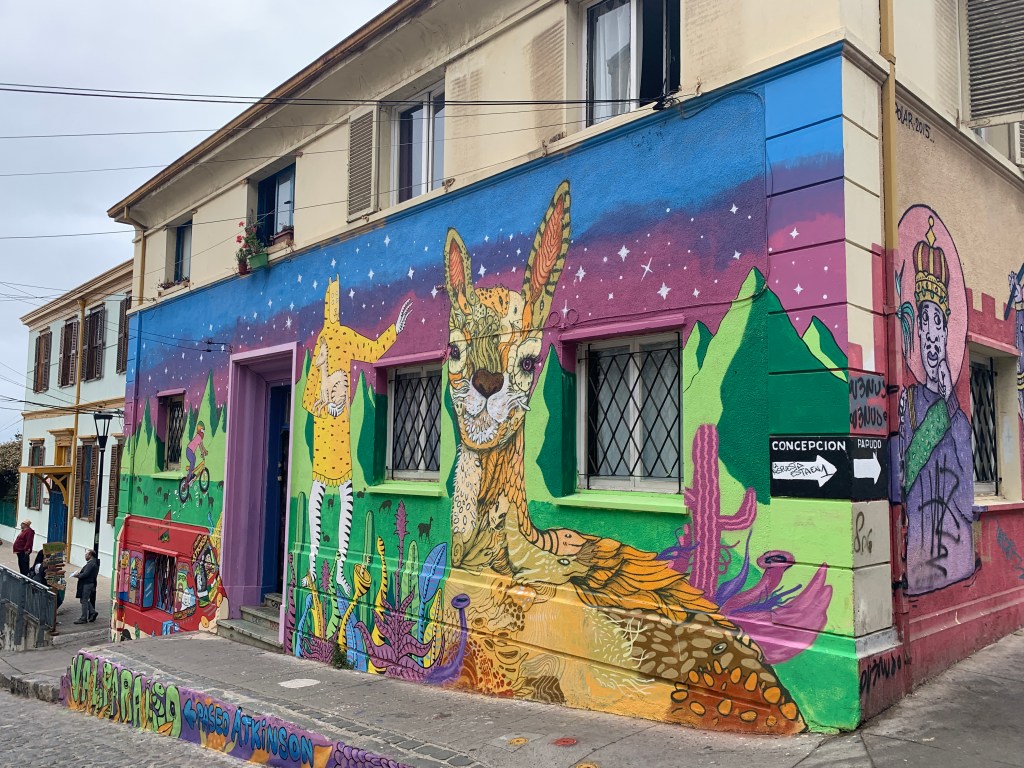
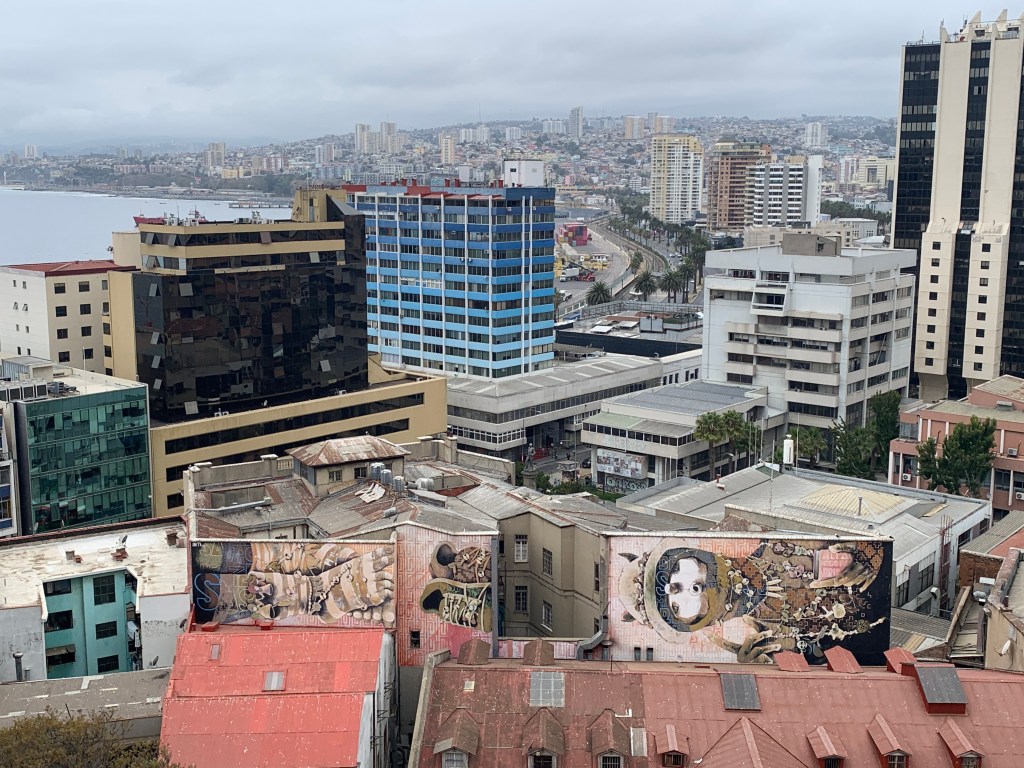
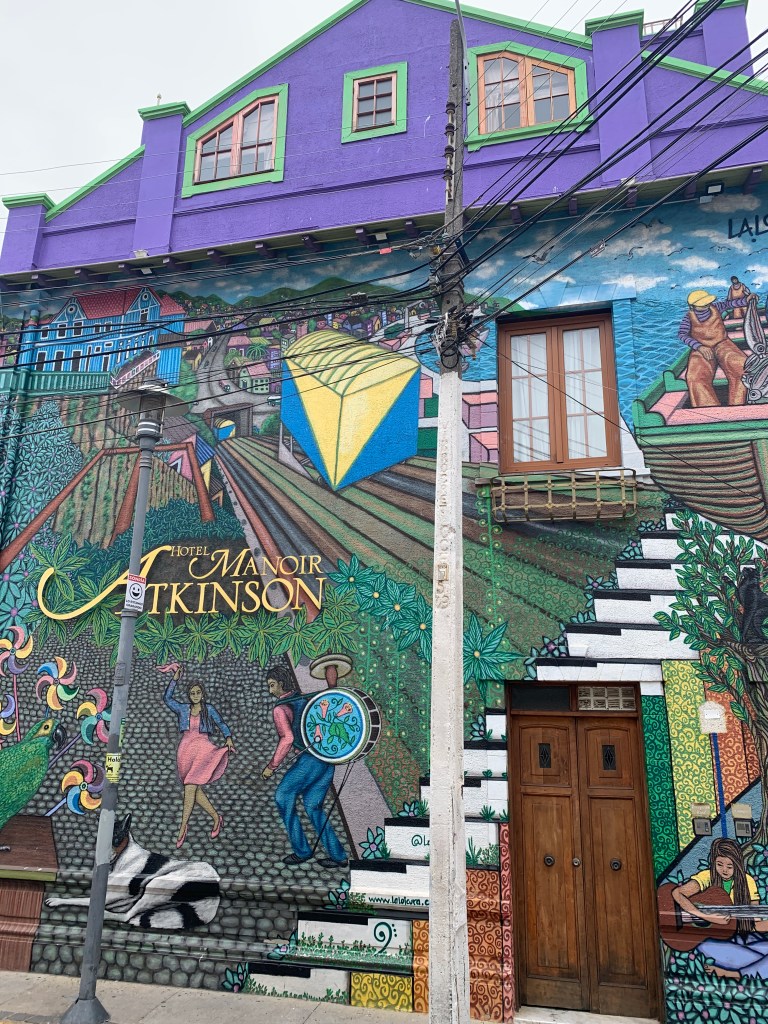
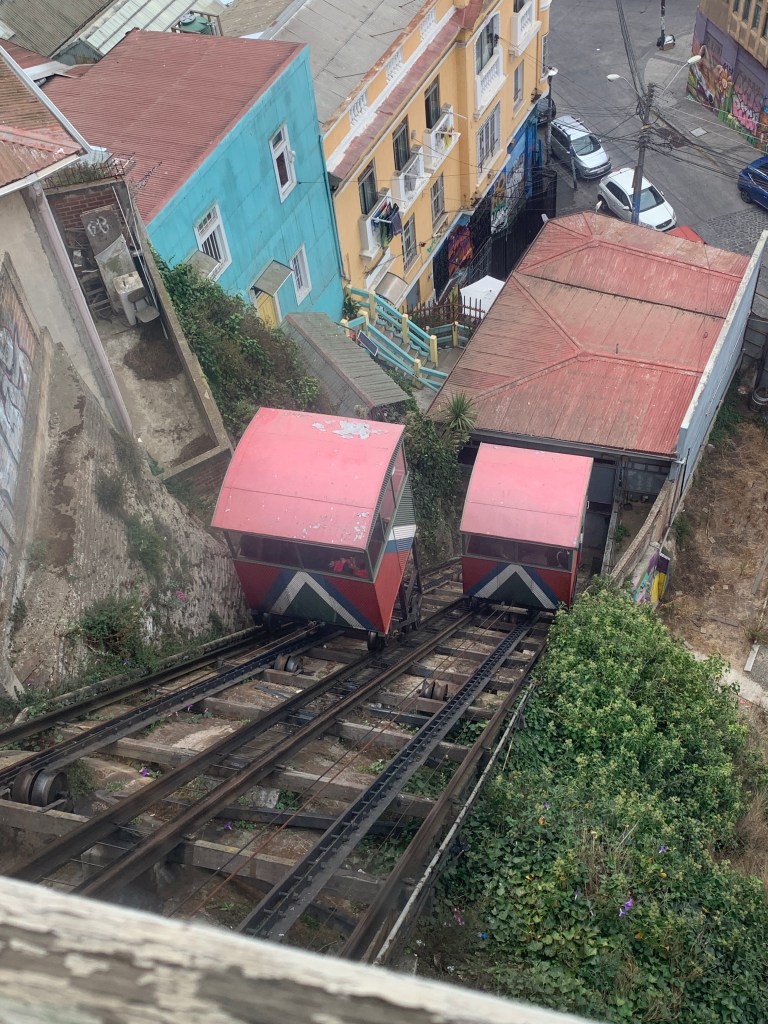
Wandering through its alleys, I discovered flamboyant murals and graffiti that turned the city into an open-air gallery, each piece more compelling than the last. The historic ascensores, or funiculars, provided not only practical means of navigating the city’s steep hills but also offered panoramic views of the bustling port and beyond.
A short drive away, Viña del Mar presented a starkly different scene with its manicured gardens, pristine beaches, and modern skyline. Known as “The Garden City,” Viña’s fame as a tourist destination was evident in its well-kept boulevards and elegant resorts. A highlight was the Flower Clock, a functioning timepiece made from vibrant flowers, symbolizing the city’s love for sophisticated beauty.
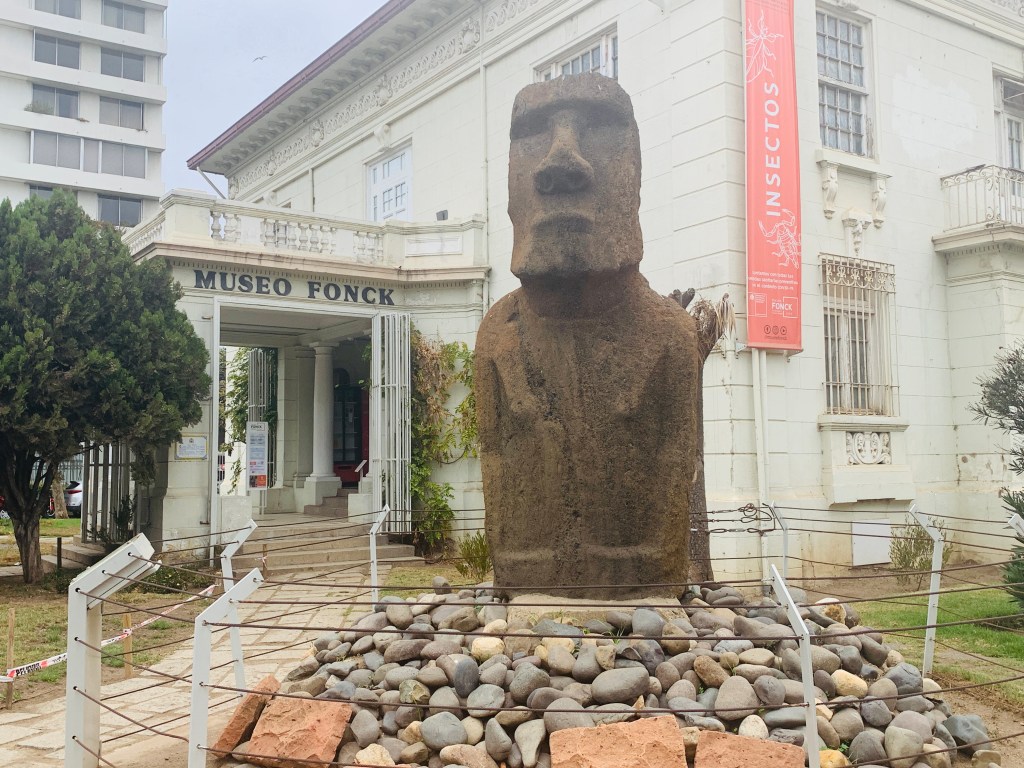
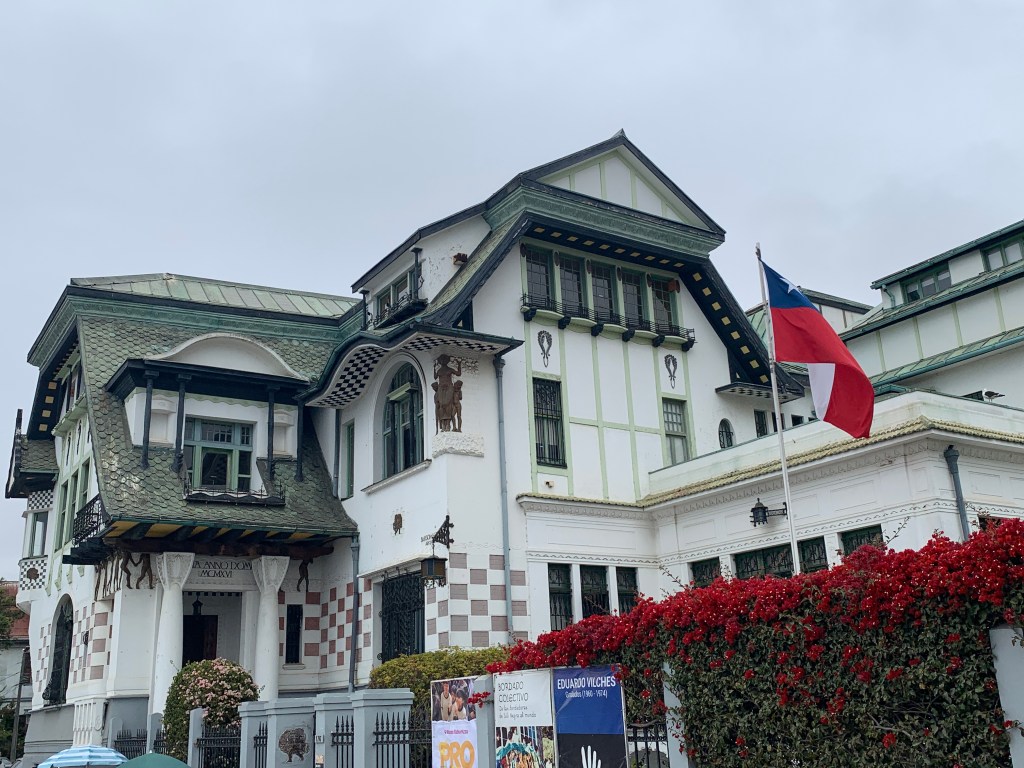
Both cities, while mere minutes apart, encapsulated the diverse cultural landscape of Chile. In Valparaíso, the Palacio Baburizza, a museum housed in a former mansion, offered a deep dive into the city’s artistic heritage. Meanwhile, Viña del Mar’s Historical and Archaeological Museum provided perspectives into the area’s pre-Columbian history, exposing artifacts that illustrate the rich indigenous legacy of the region.







 yimga.blog
Leave a comment