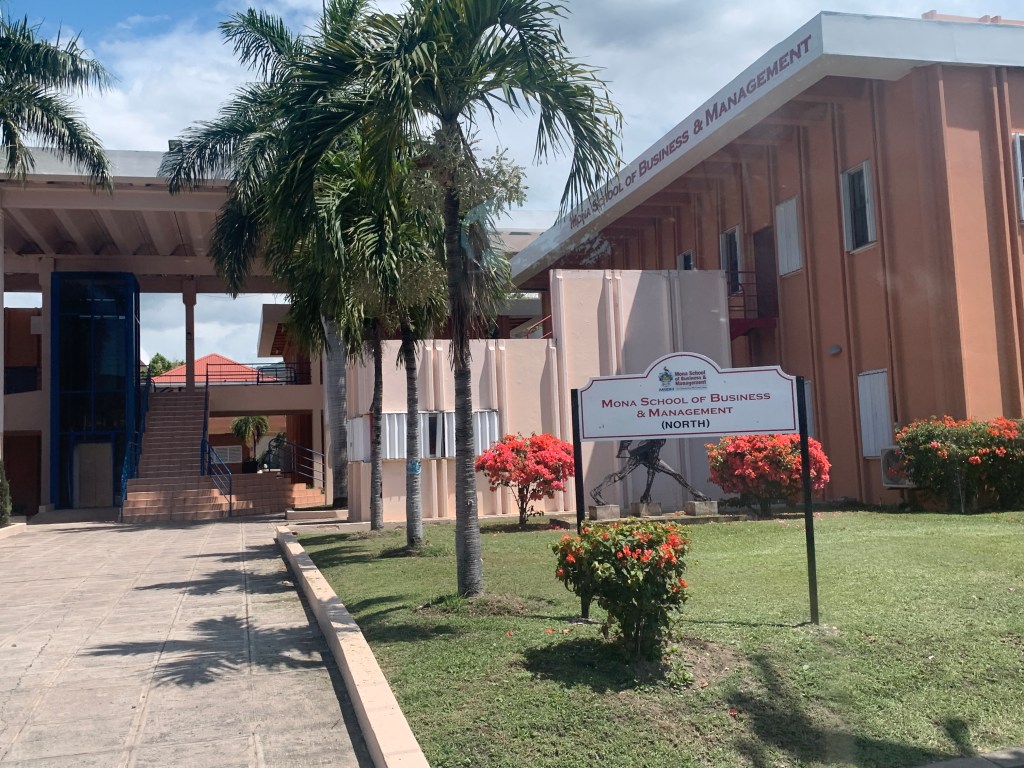
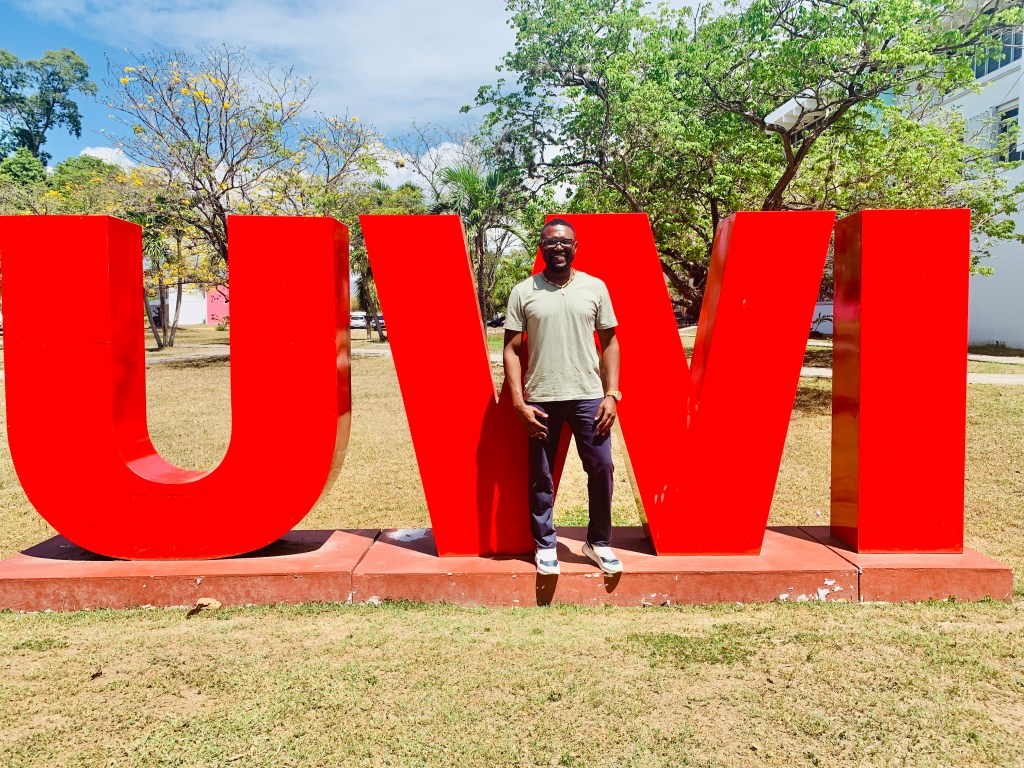
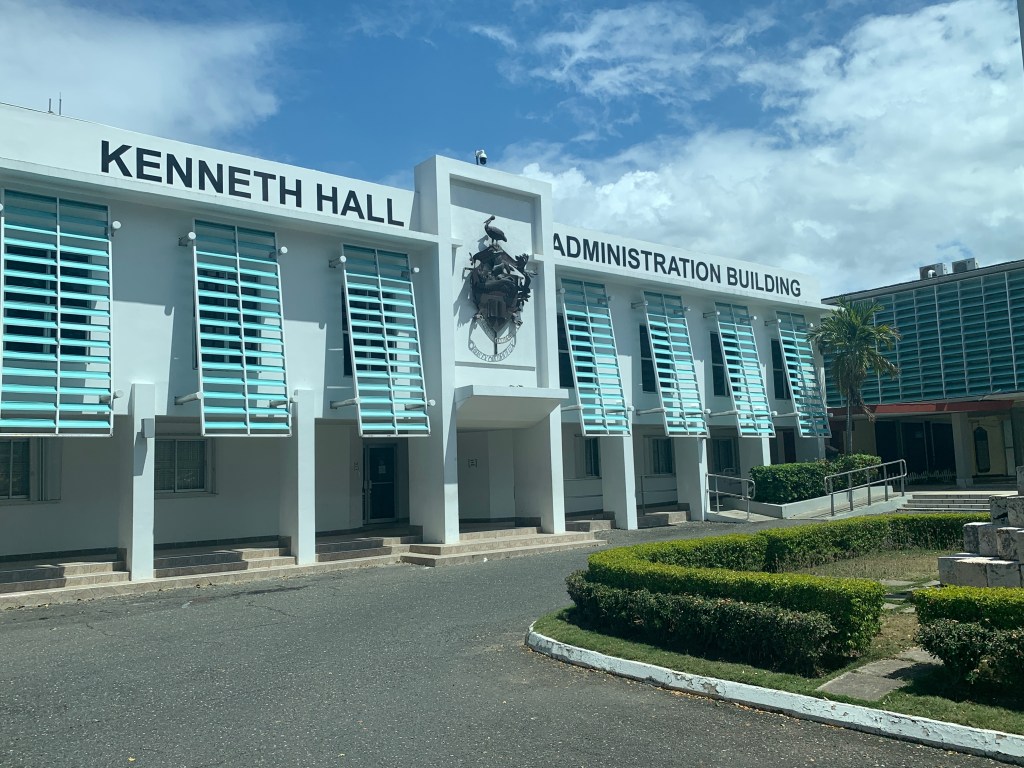
Spending more time in Kingston revealed even more layers of the city’s identity: this time through education, heritage, and music. I started at the University of the West Indies, Mona Campus, a peaceful yet powerful place. Established in 1948, the university was originally built on two old sugar plantations. Remnants of aqueducts and colonial architecture still remain, offering a quiet reminder of the region’s past while the campus itself looks forward.
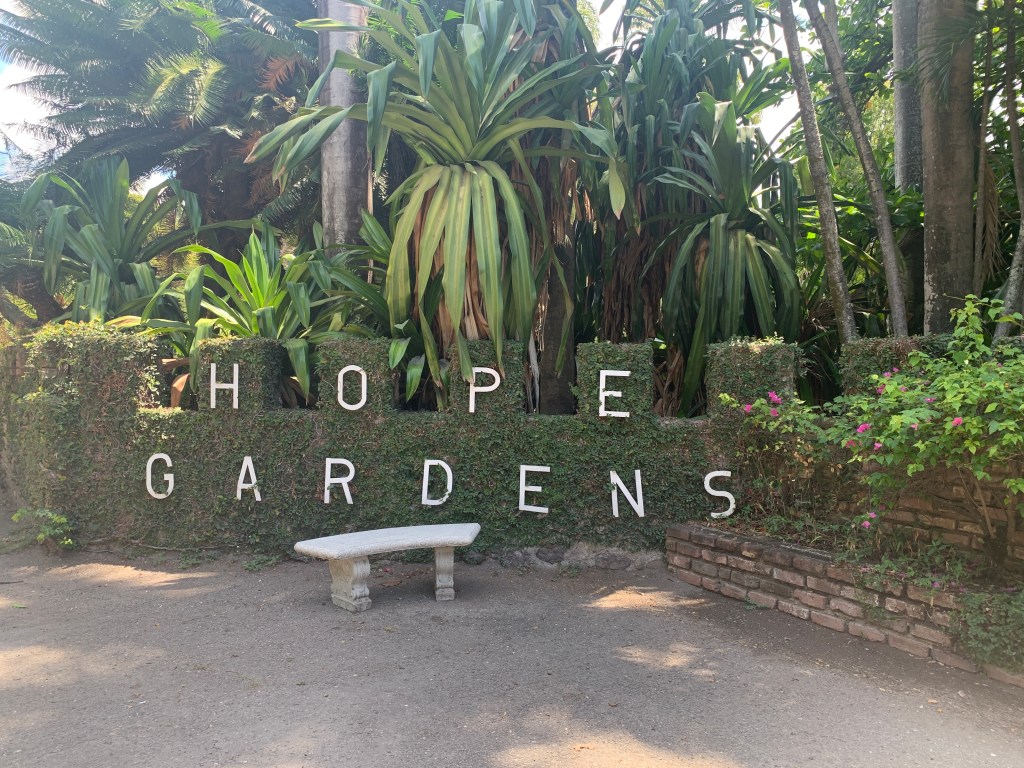
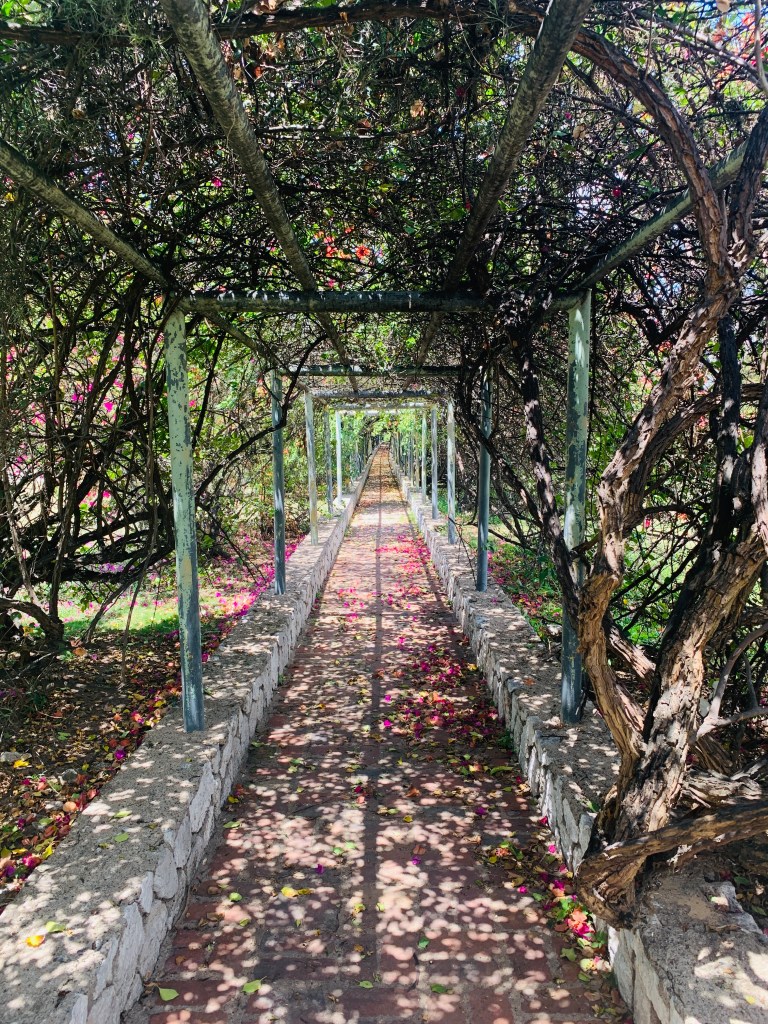
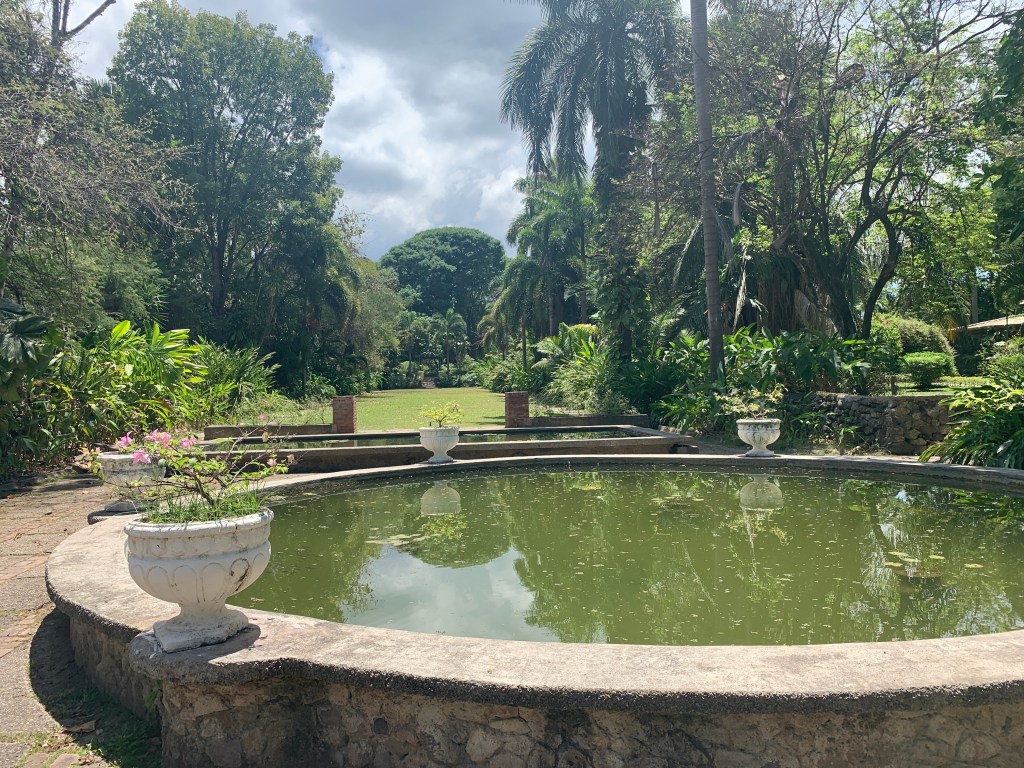
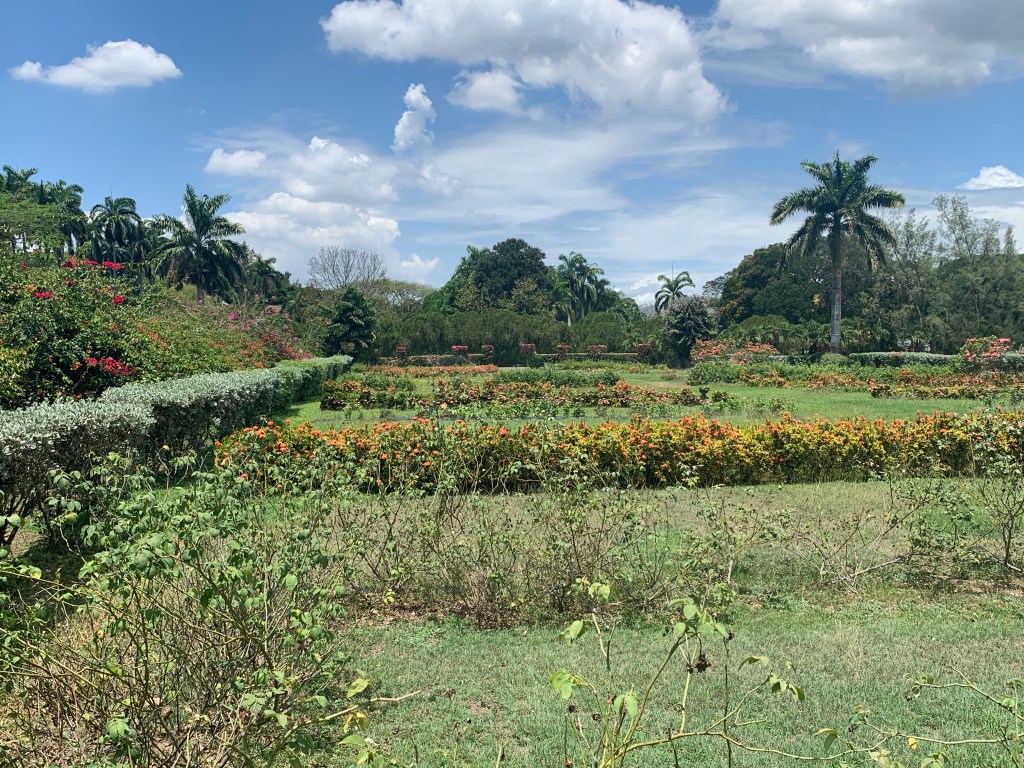
Not far from there, I visited Hope Botanical Gardens, the largest public green space in Kingston. Once part of the historic Hope Estate, the gardens today are home to native plants, shaded trails, and cooling breezes. It was a calming stop before continuing into the heart of the city’s cultural landmarks.
At the Jamaica National Stadium, I stood where athletic legends like Usain Bolt first made their mark. Built for the 1962 independence celebrations and later used for the 1966 Commonwealth Games, the stadium remains a symbol of Jamaica’s national pride and global sporting impact.
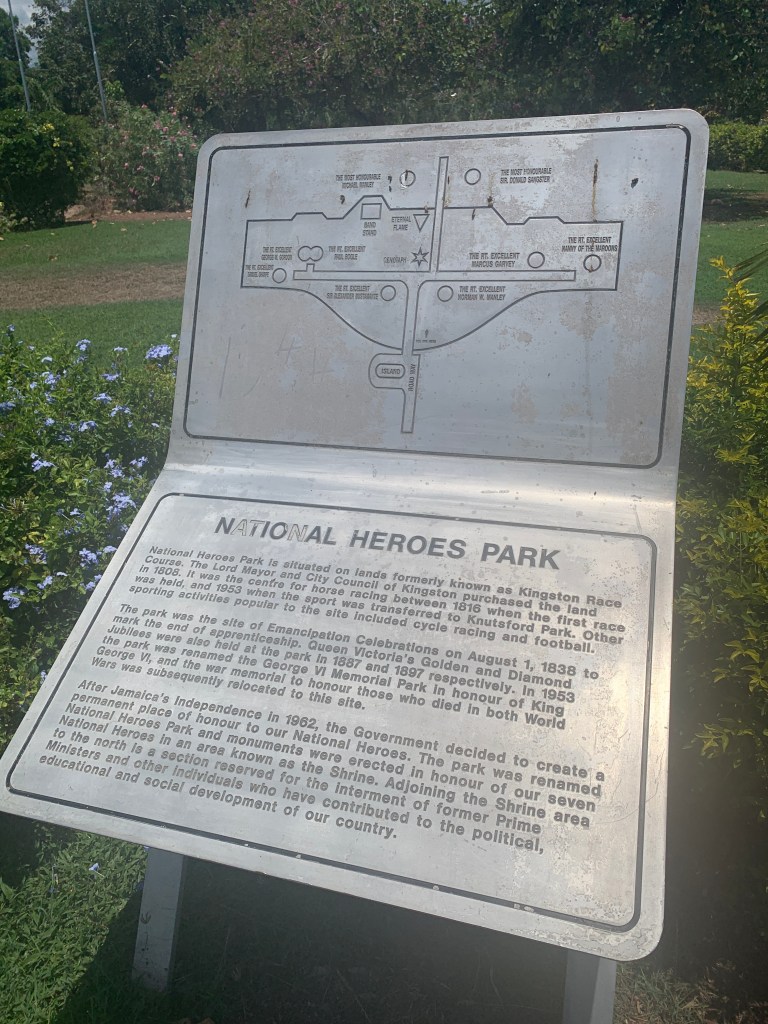
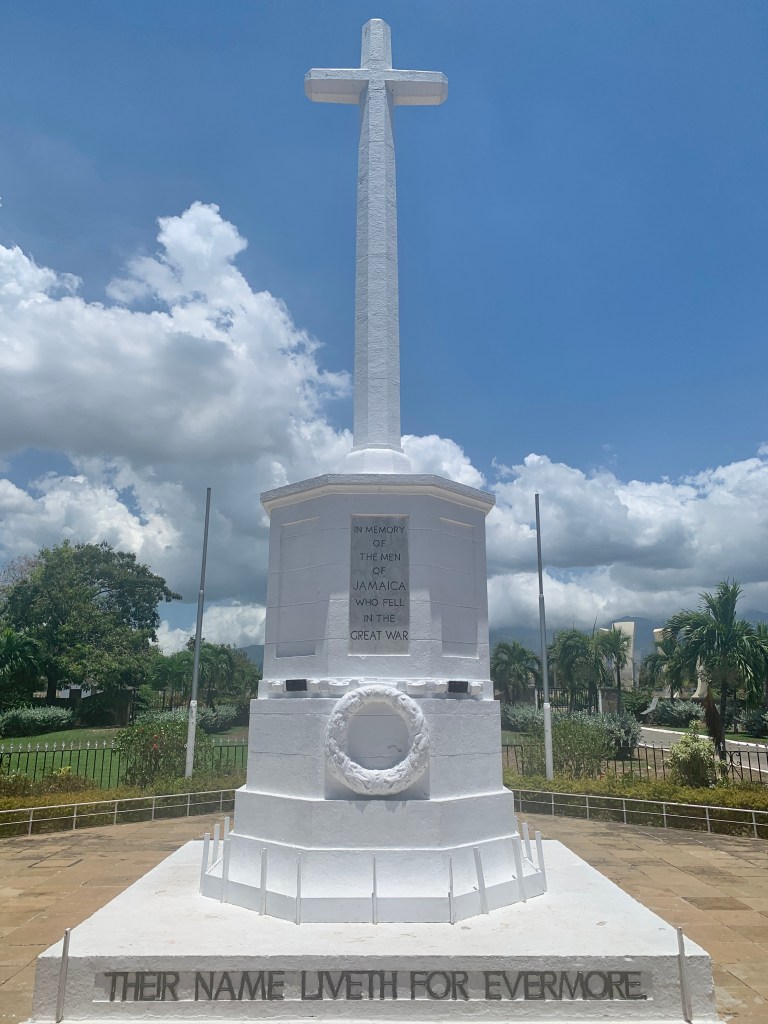
Nearby, National Heroes Park honored Jamaica’s leaders with striking monuments and well-kept grounds. Figures like Marcus Garvey and Nanny of the Maroons are buried or memorialized here, their stories shaping Jamaica’s fight for identity and independence.
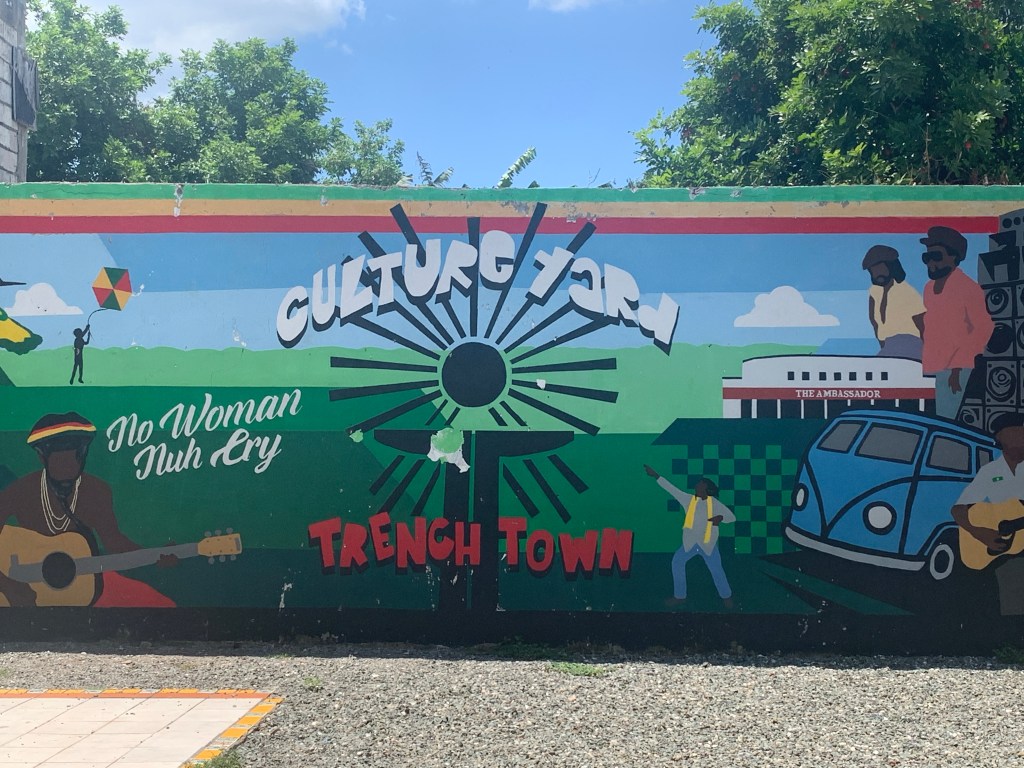
The afternoon led me to Trench Town, where I toured the Culture Yard Museum—the very yard where Bob Marley once lived and wrote early songs like “No Woman, No Cry.” Just a short walk to 2nd Street brought me to the house where his mother lived, adding another deeply personal layer to the visit.







 yimga.blog
Leave a comment