Exploring Salt Lake City revealed a rich blend of history, faith, and civic pride set against Utah’s dramatic mountain backdrop. The day began at the Rio Grande area, once a bustling train station in the early 20th century that played a major role in connecting Utah to the rest of the country. The grand building still stands as a reminder of Salt Lake’s railroad past and its importance in western expansion.
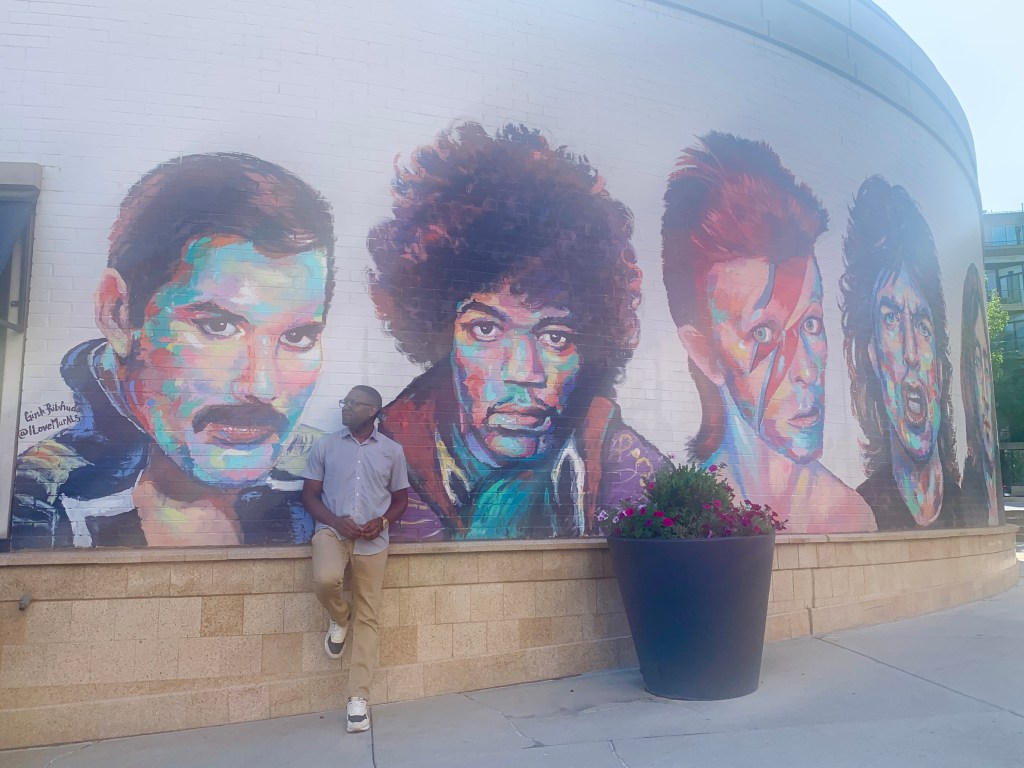
Nearby, the “Legends of Rock” mural brought a modern contrast, showcasing vibrant depictions of iconic musicians and offering a splash of creativity along the city streets. The mural celebrates Salt Lake’s evolving arts scene while standing in stark contrast to its more traditional landmarks.
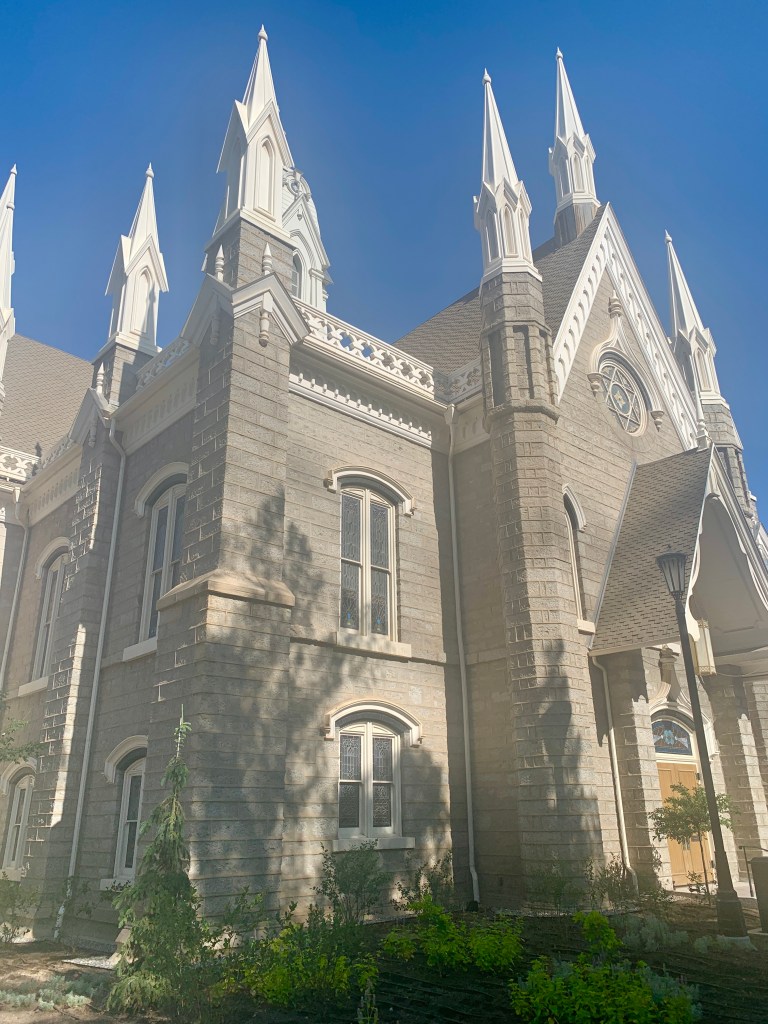
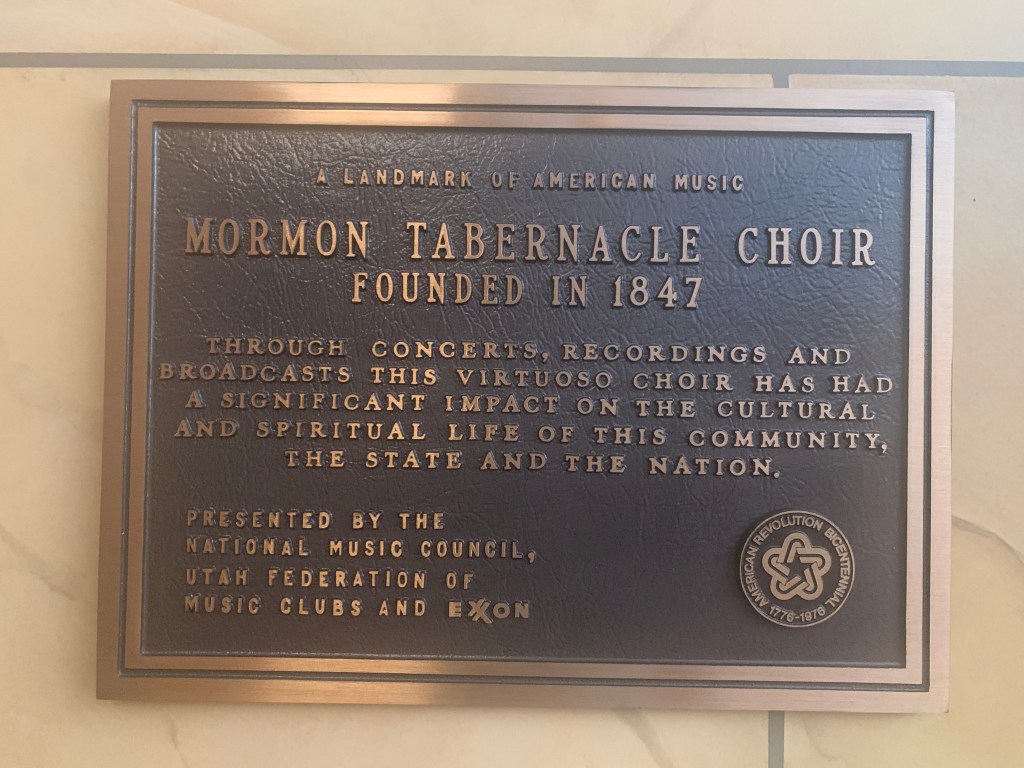
Temple Square offered a deeper look into the city’s spiritual roots. This area remains the heart of The Church of Jesus Christ of Latter-day Saints, with the iconic Salt Lake Temple standing as a symbol of the early Mormon pioneers’ resilience. Brigham Young, who led the Mormon migration westward after facing persecution, is buried nearby—a figure whose leadership shaped much of Utah’s early history.
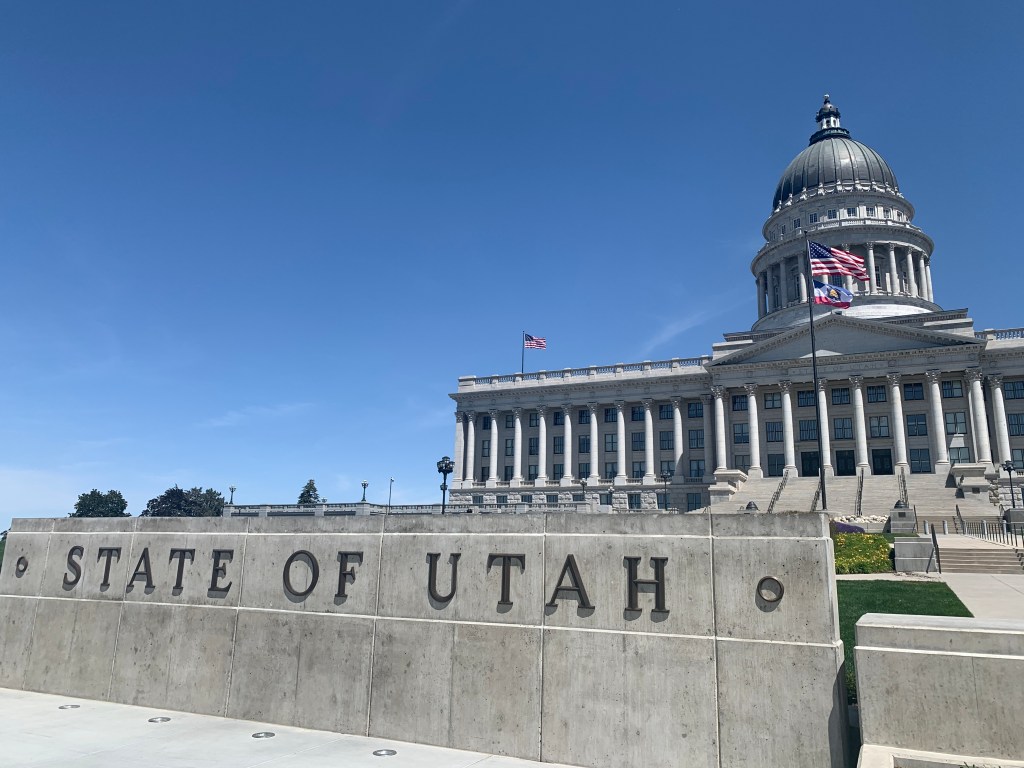
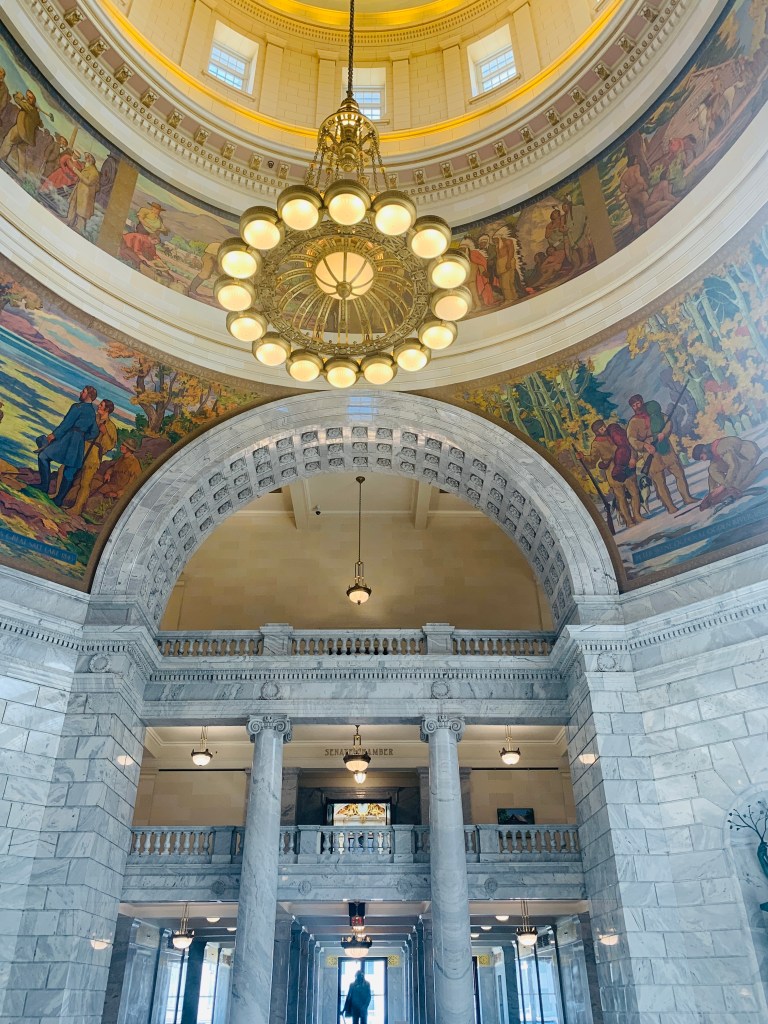
The Utah State Capitol offered a grand civic presence. I explored every floor, including visits to both the Senate and House chambers. Completed in 1916, the Capitol blends neoclassical design with beautiful mountain views, embodying Utah’s political and architectural pride.
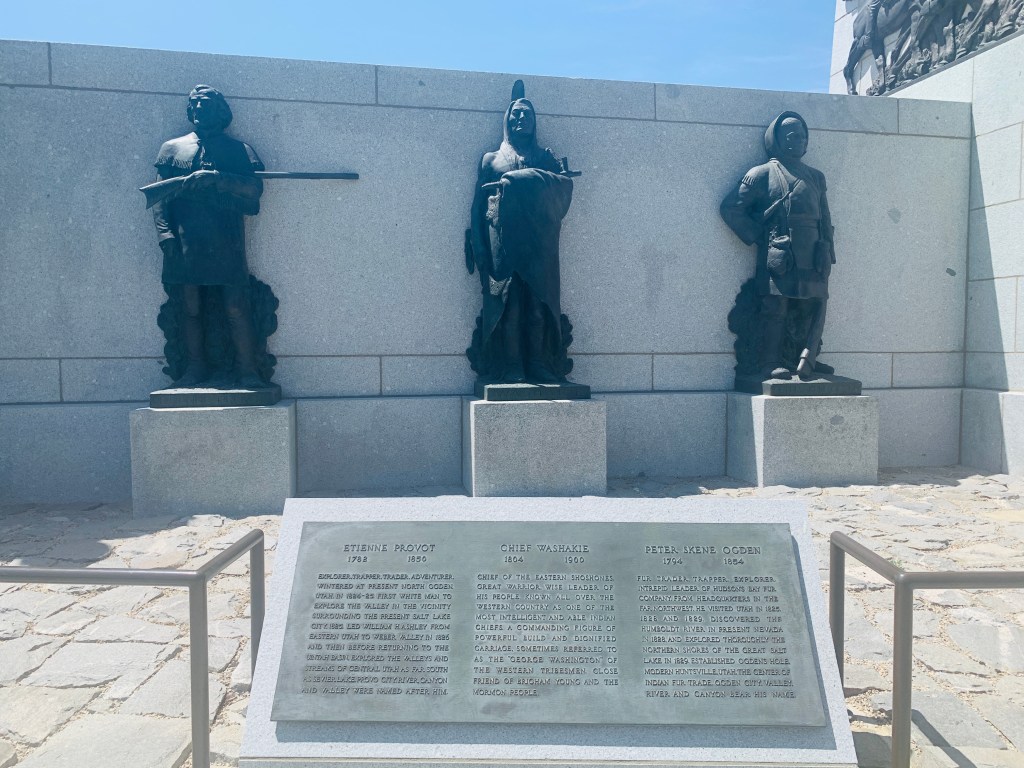
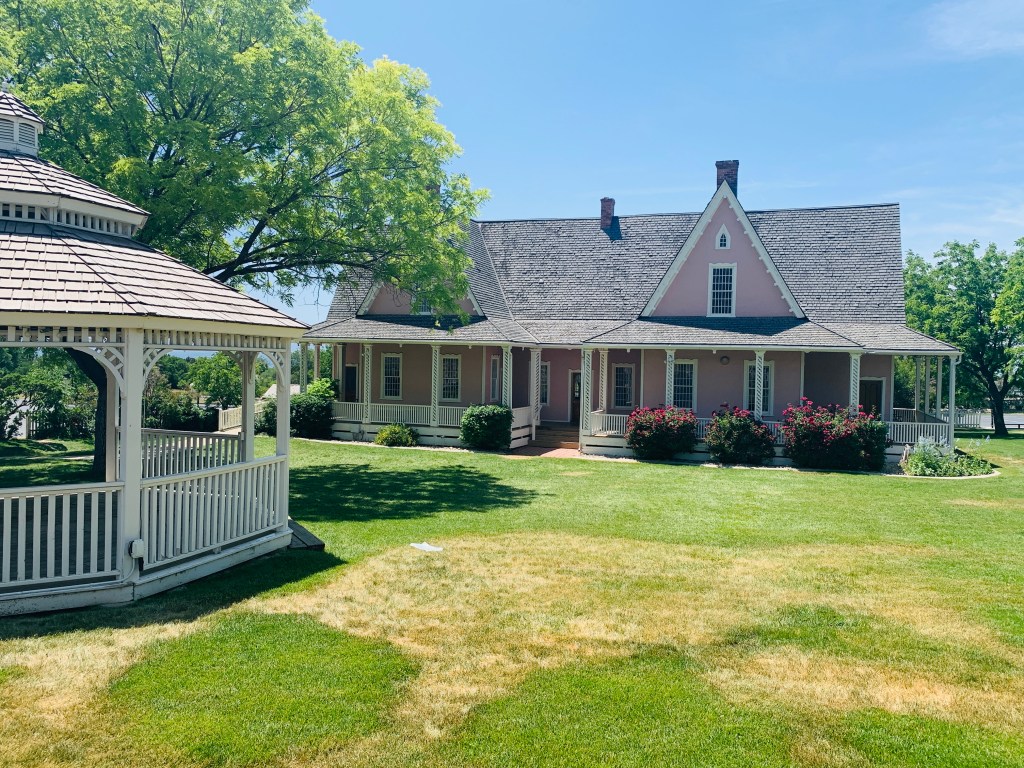
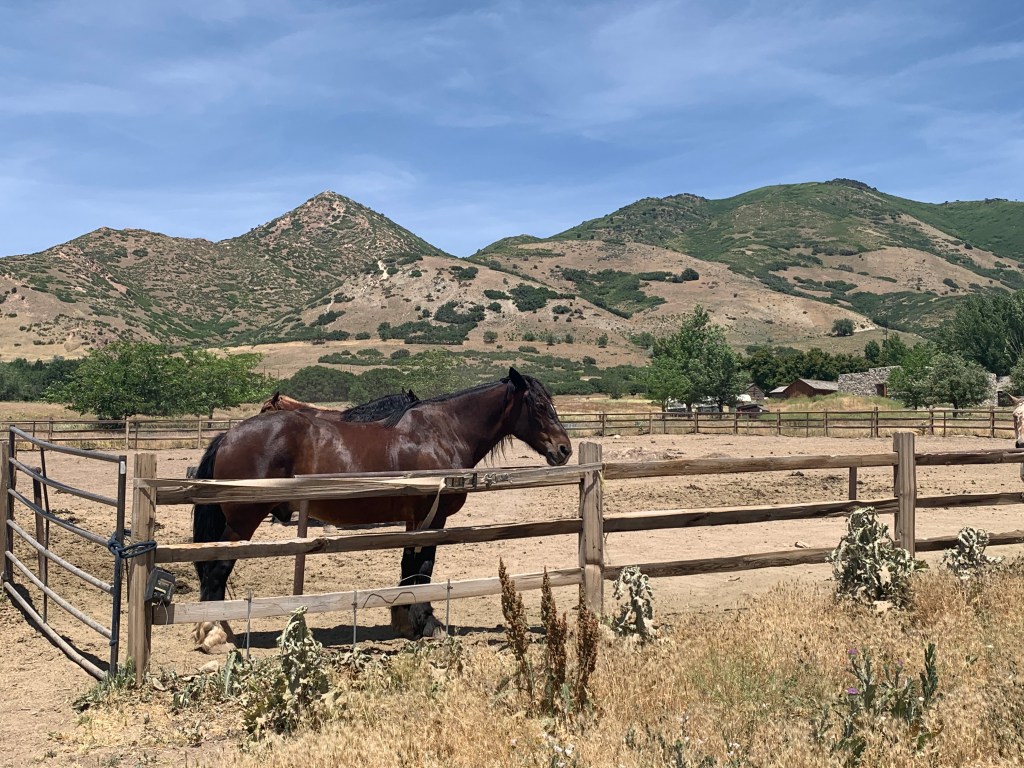
A walk through the University of Utah campus reflected the state’s focus on education and innovation. Finally, at This Is The Place Heritage Park, I stood where Brigham Young famously declared, “This is the right place,” marking the Mormon pioneers’ arrival in 1847. The park’s monuments and pioneer village brought that moment to life.










 yimga.blog
Leave a comment