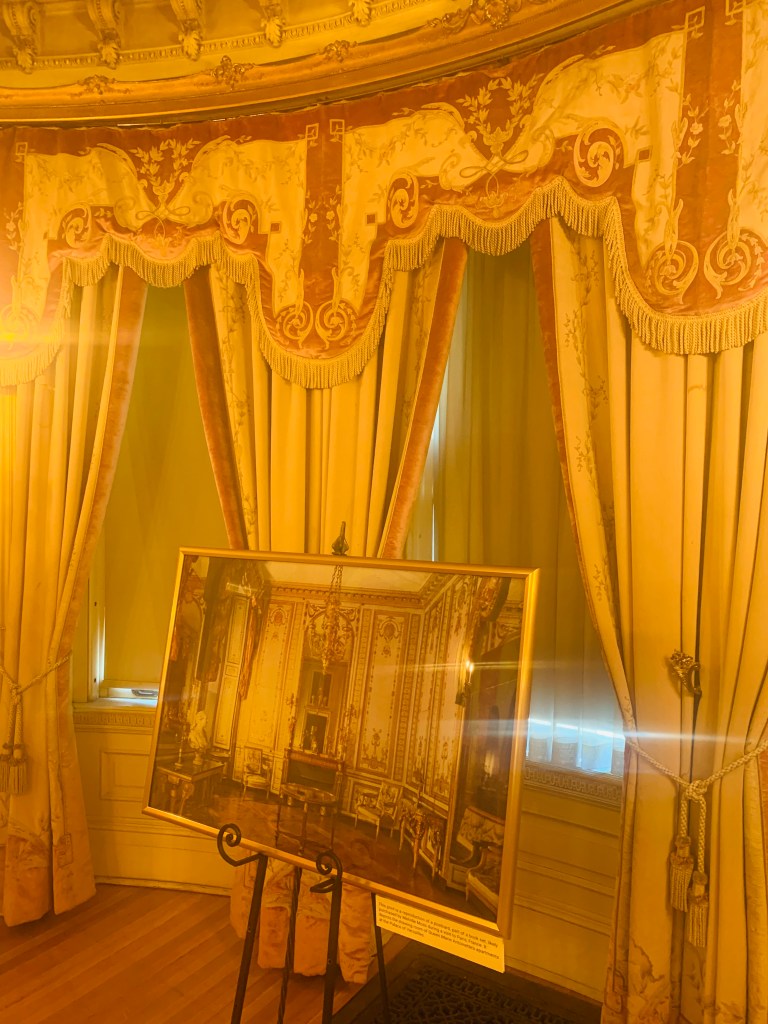
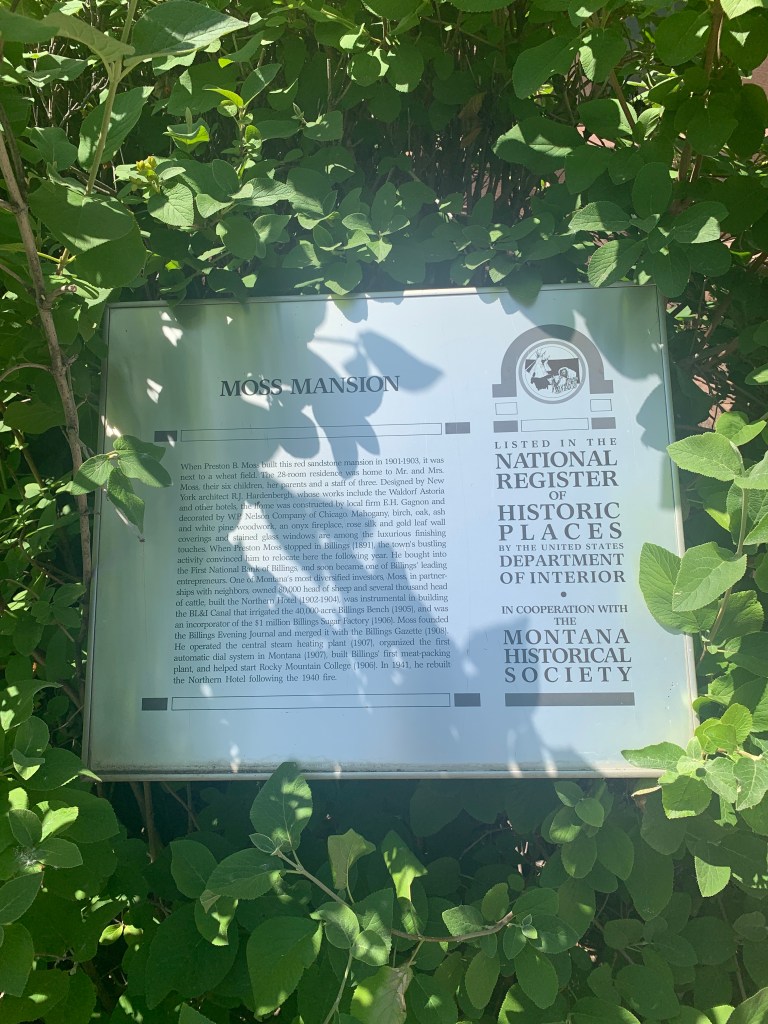
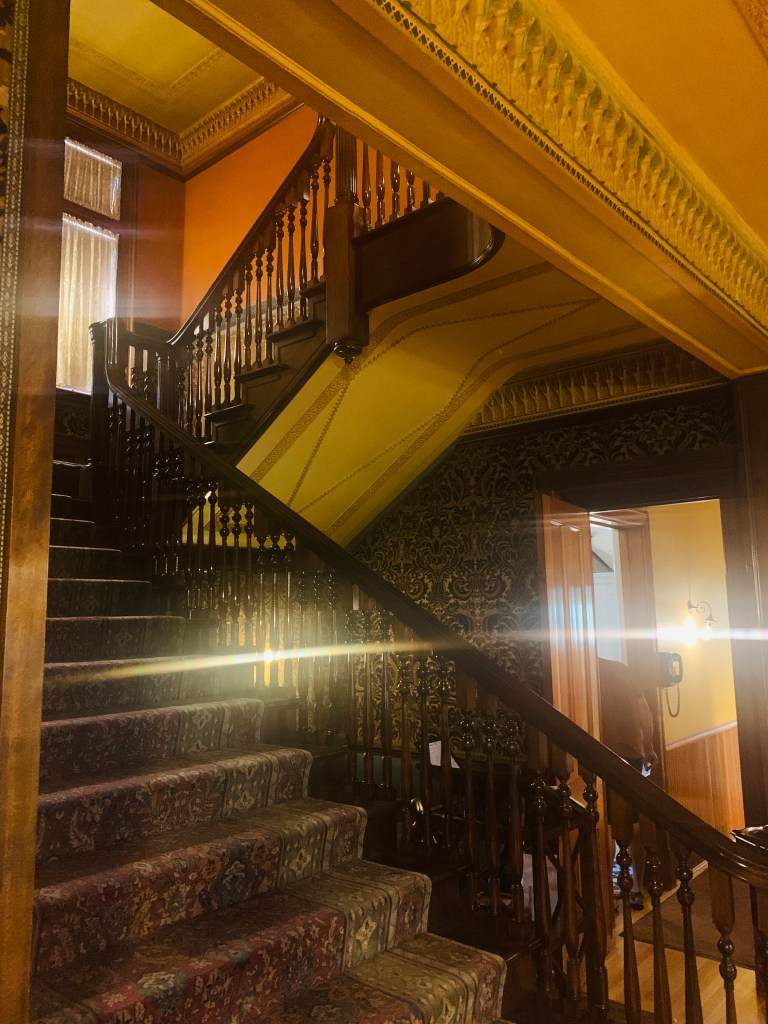
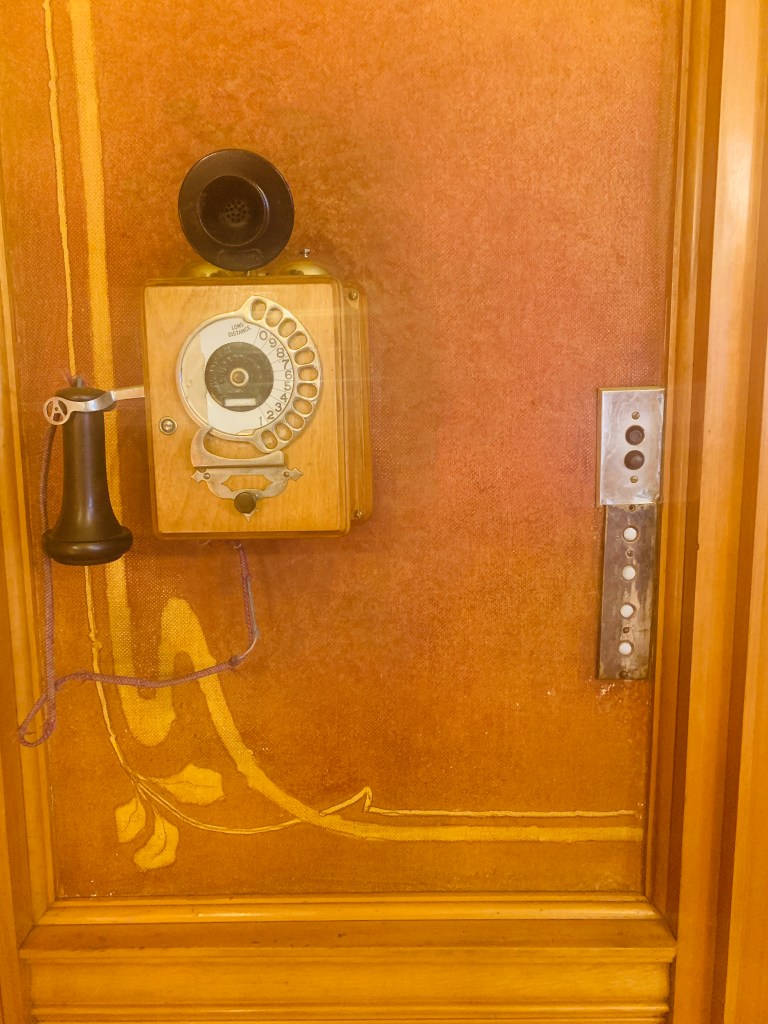
Billings, Montana greeted me with wide skies, gentle hospitality, and a strong sense of place shaped by its frontier past and cultural heritage. My first stop was the Moss Mansion Museum, an elegant red sandstone home built in 1903 for Preston Boyd Moss, a prominent entrepreneur who helped shape the city’s financial and communication infrastructure. The rooms preserved much of the original furnishings, offering a tangible look into early 20th-century life in the American West.
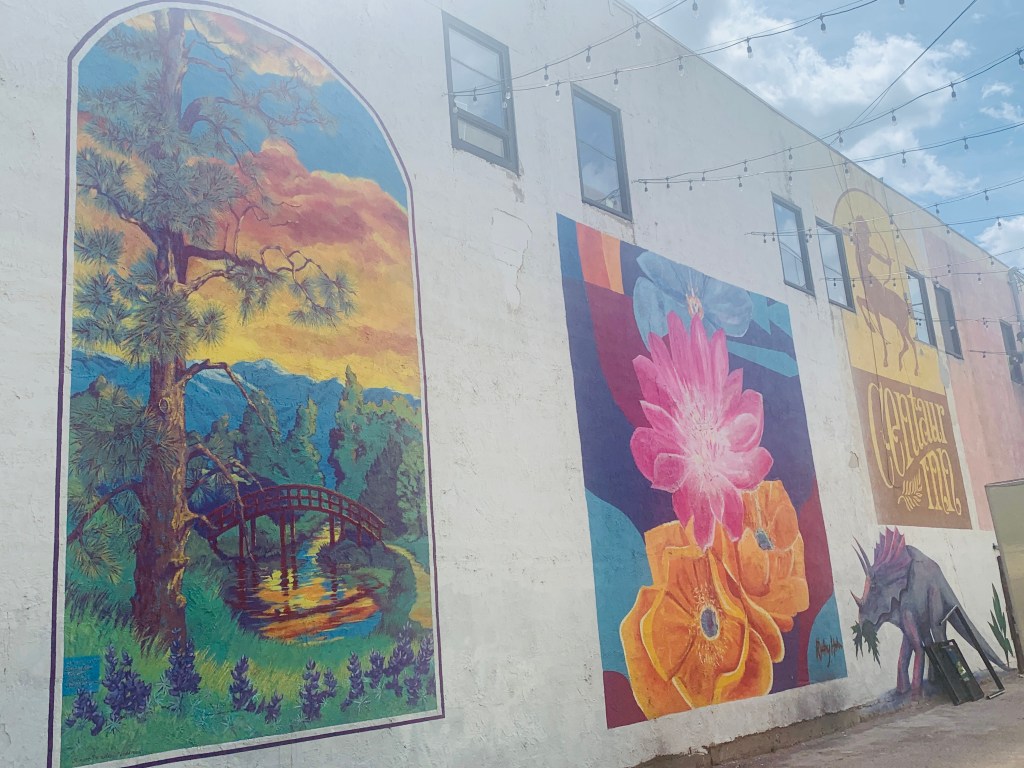
At the Western Heritage Center, housed in the historic Parmly Billings Memorial Library, I gained a deeper appreciation for the region’s diverse voices. Exhibits highlighted Indigenous cultures, pioneer families, and the development of the railroad that transformed Billings from a rail town into the largest city in Montana. From there, I wandered to the Yellowstone Art Museum, where contemporary art shared space with historical works, providing a rich and unexpected contrast to the region’s more rugged image.
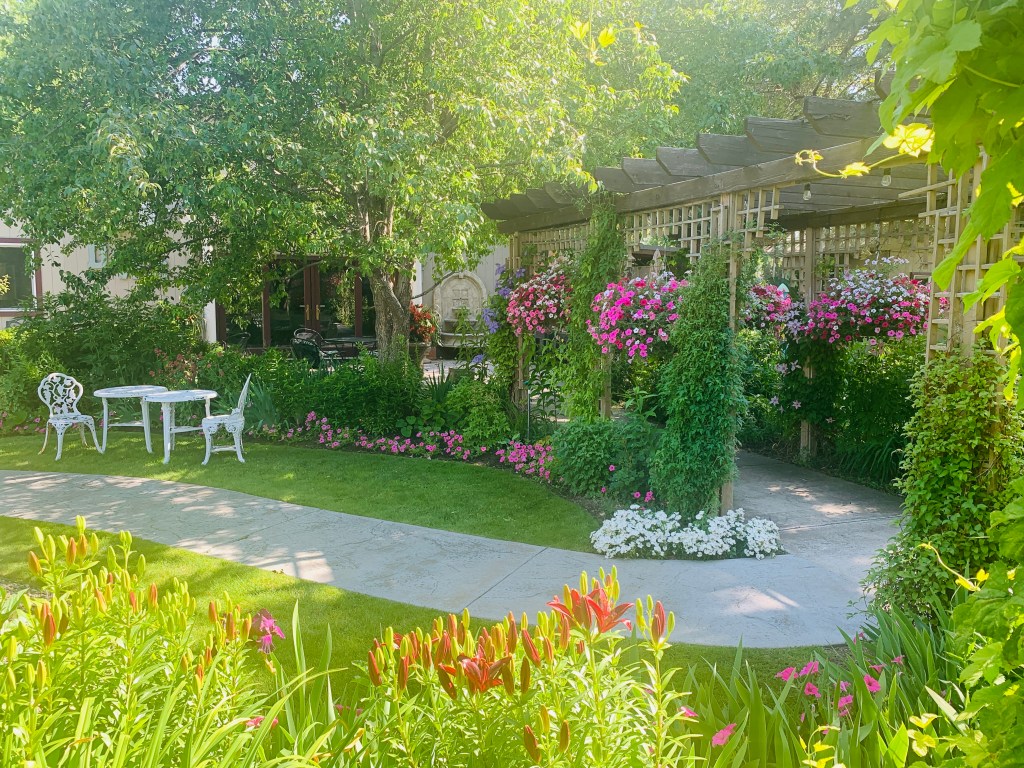
For a quiet break, the DanWalt Botanical Gardens offered a peaceful retreat with manicured flower beds, sculptures, and even a few roaming peacocks. It felt like a hidden sanctuary tucked within the urban sprawl, ideal for reflection.
What struck me throughout the day was how Billings balances its Western roots with an appreciation for arts and education. As the city was originally nicknamed the “Magic City” for its rapid growth when founded in 1882, it’s easy to see that spark of ambition and reinvention still alive in its downtown streets and museums. From elegant mansions to contemporary galleries, Billings offers a thoughtful blend of past and present.









 yimga.blog
Leave a comment