The train ride from New Delhi to Agra offered a brief but scenic view of northern India awakening under soft morning light. As the city came into focus, anticipation built for what lay ahead: monuments known around the world, rooted in stories of power, love, and loss.
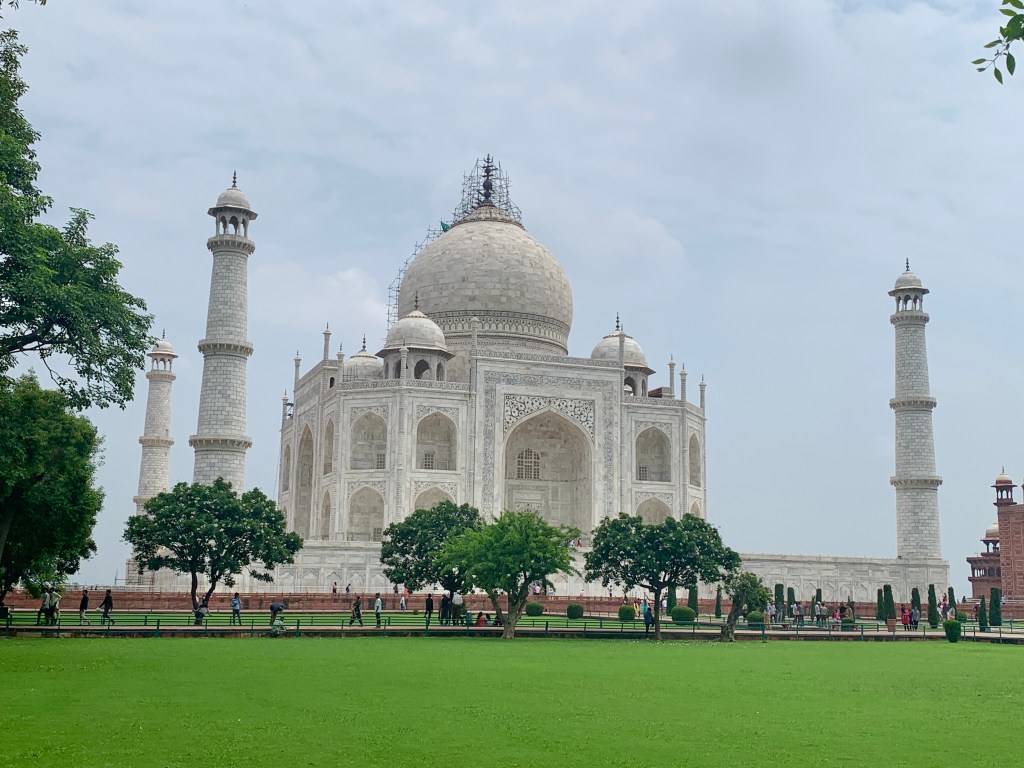
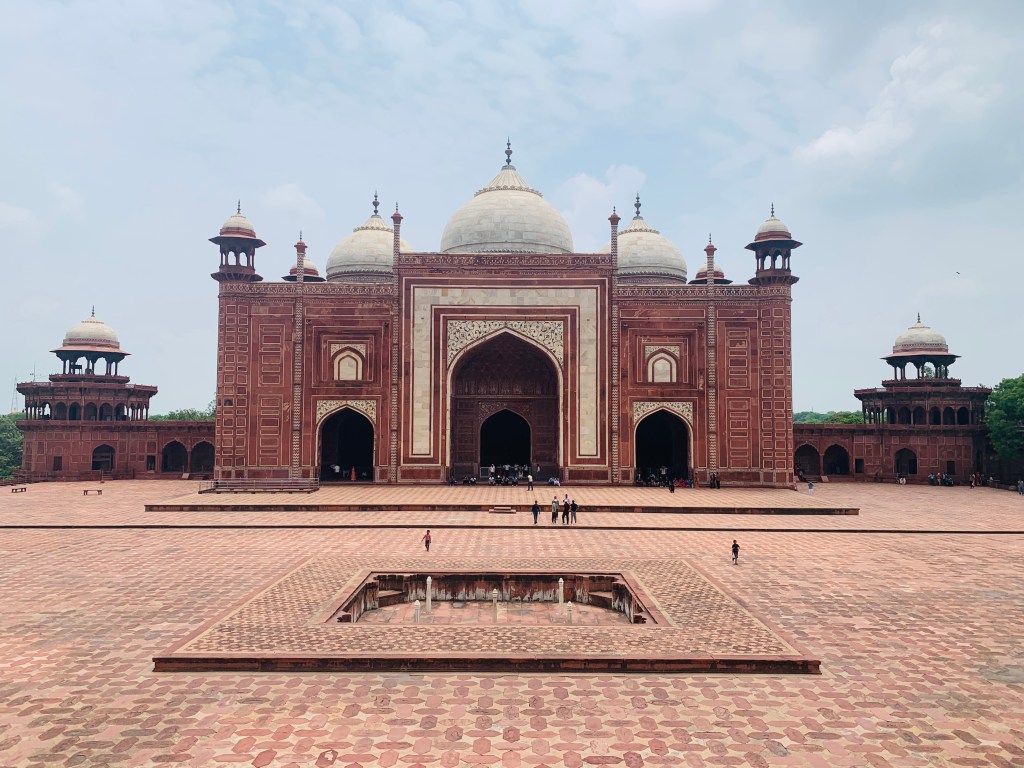
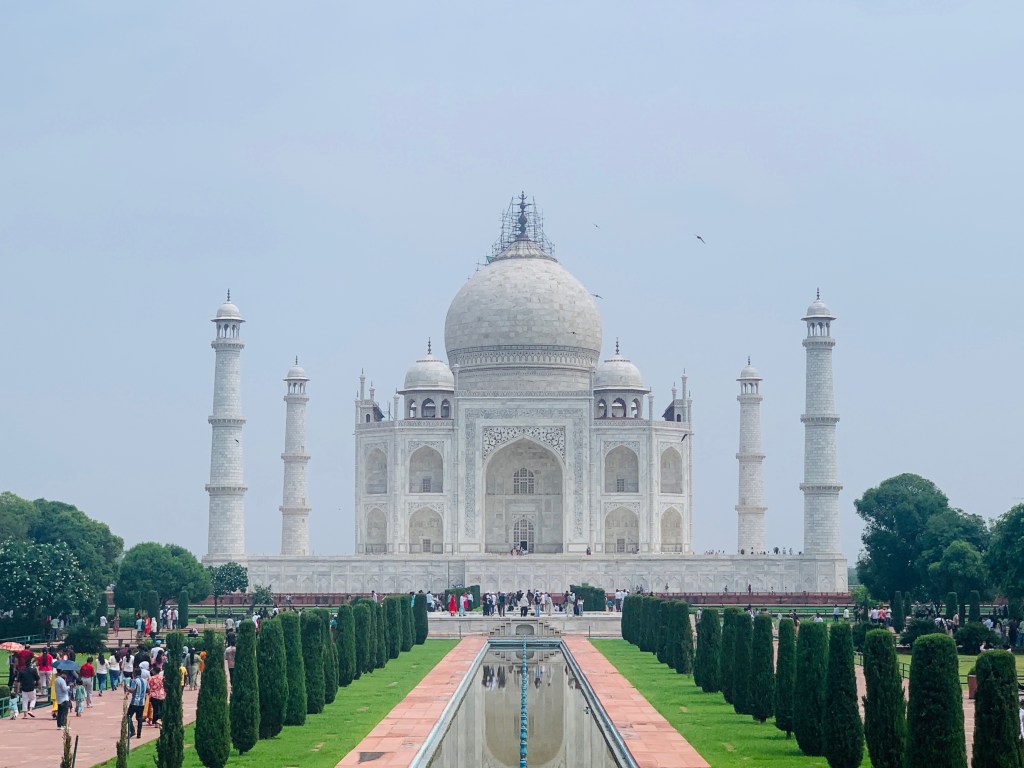
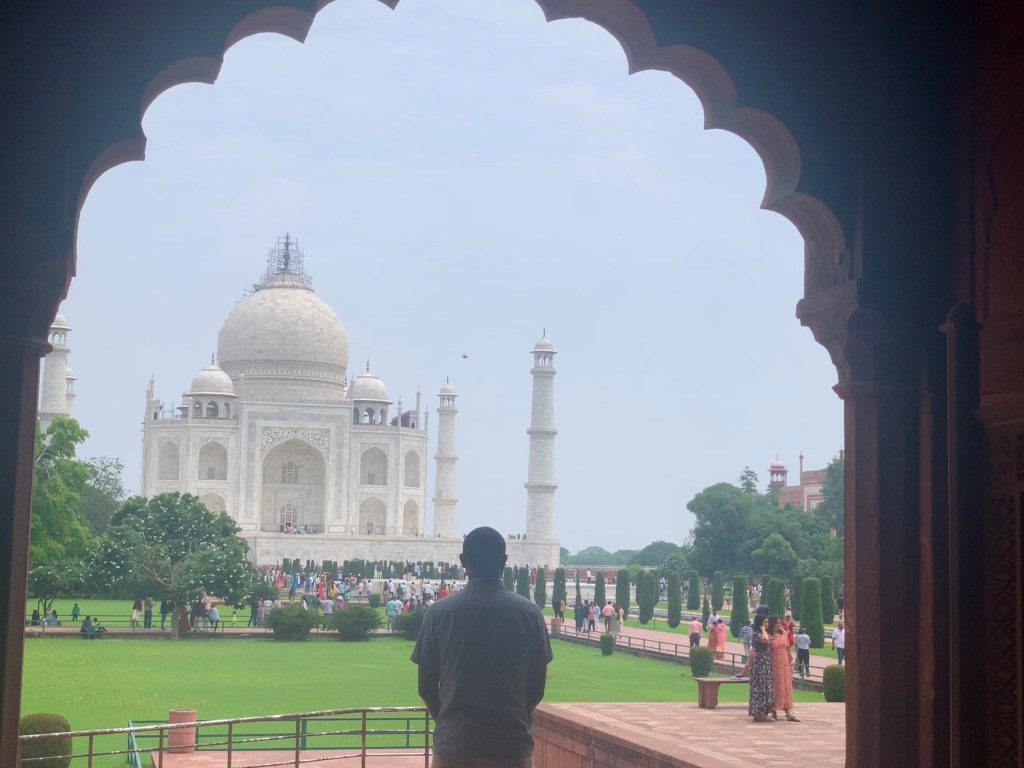
First was the Taj Mahal, rising with quiet majesty from its marble platform. Commissioned in 1632 by Mughal emperor Shah Jahan for his wife Mumtaz Mahal, it remains one of the greatest symbols of enduring love. The scale, symmetry, and peaceful gardens created a space that felt timeless. Standing before it, I could see why millions are drawn here, not only for beauty, but for the emotion carved into every arch and calligraphic panel.
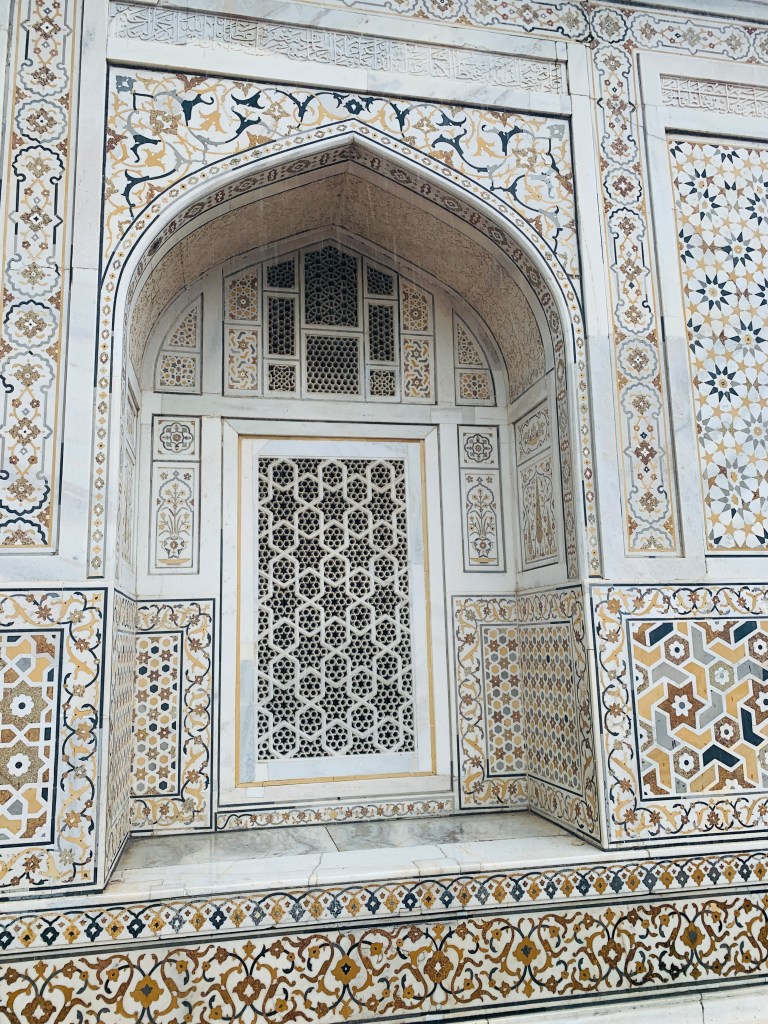
Next came Itmad-ud-Daula, sometimes called the “Baby Taj.” Though smaller, this tomb is significant for introducing white marble and inlay techniques that the Taj would later perfect. Built by Nur Jahan, wife of Emperor Jahangir, for her father, it reflects a woman’s powerful role in Mughal architecture, still rare in that era. Delicate details and floral patterns made it a quiet gem amid Agra’s grander sites.
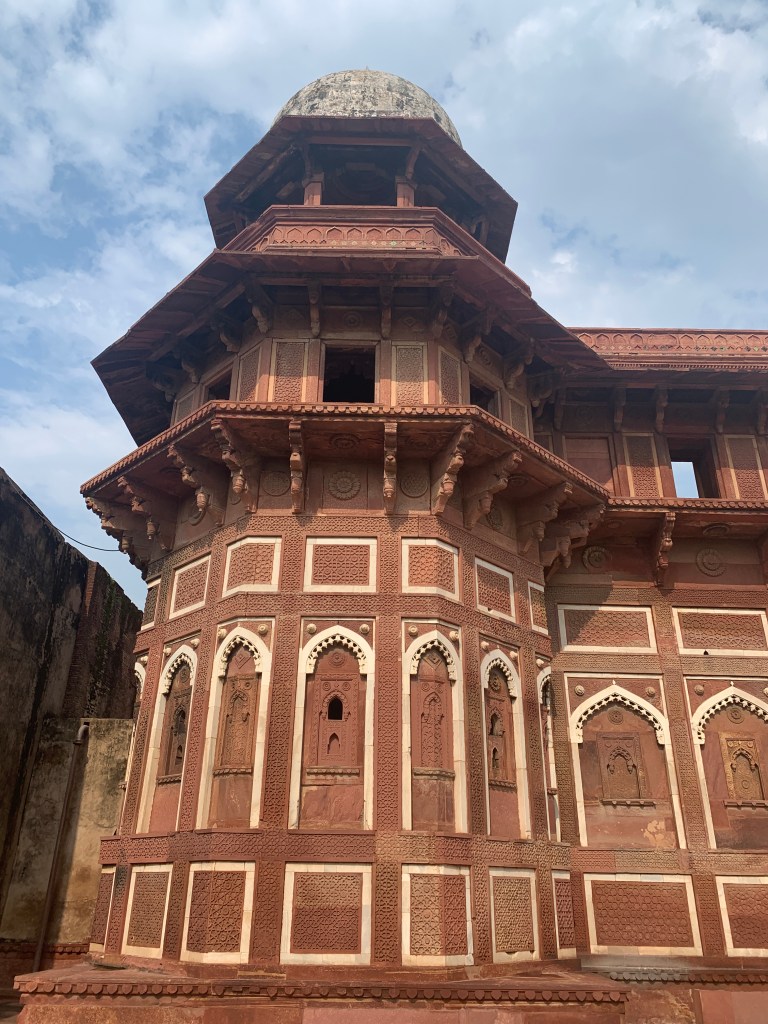
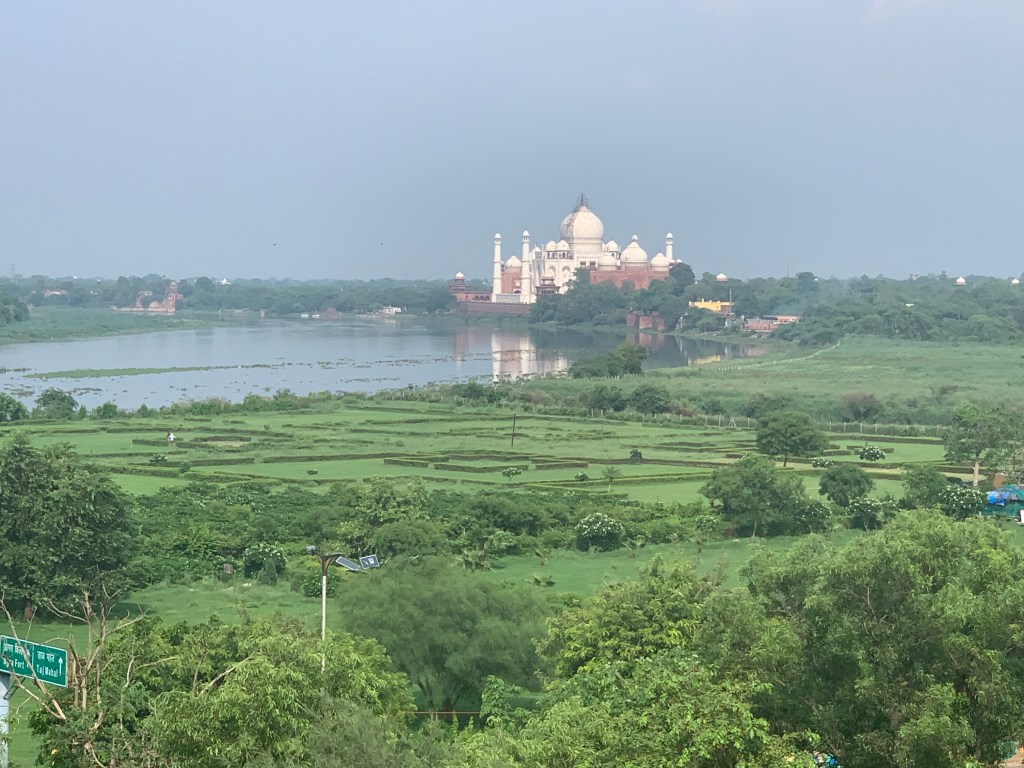
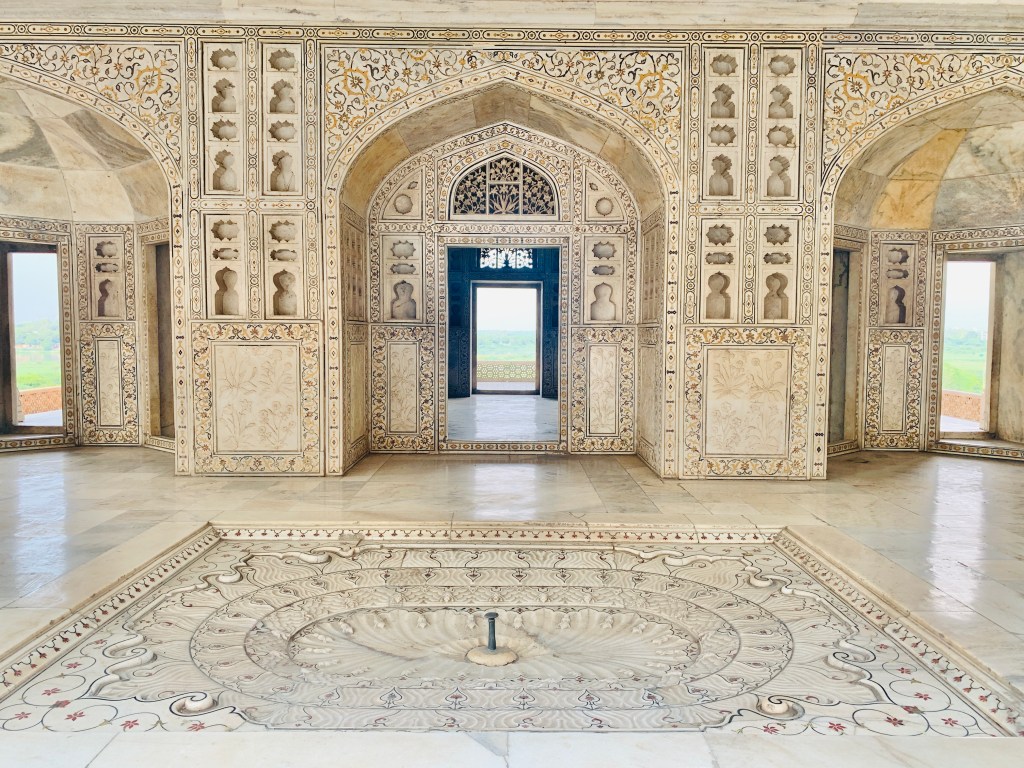
The last stop was Agra Fort, a red sandstone fortress that once served as the main residence of the Mughal emperors. Within its thick walls are palaces, halls, and balconies that whisper stories of empire. It was here that Shah Jahan spent his final years under house arrest by his son Aurangzeb, watching the Taj Mahal from a marble tower, far from the love that inspired it.











 yimga.blog
Leave a comment