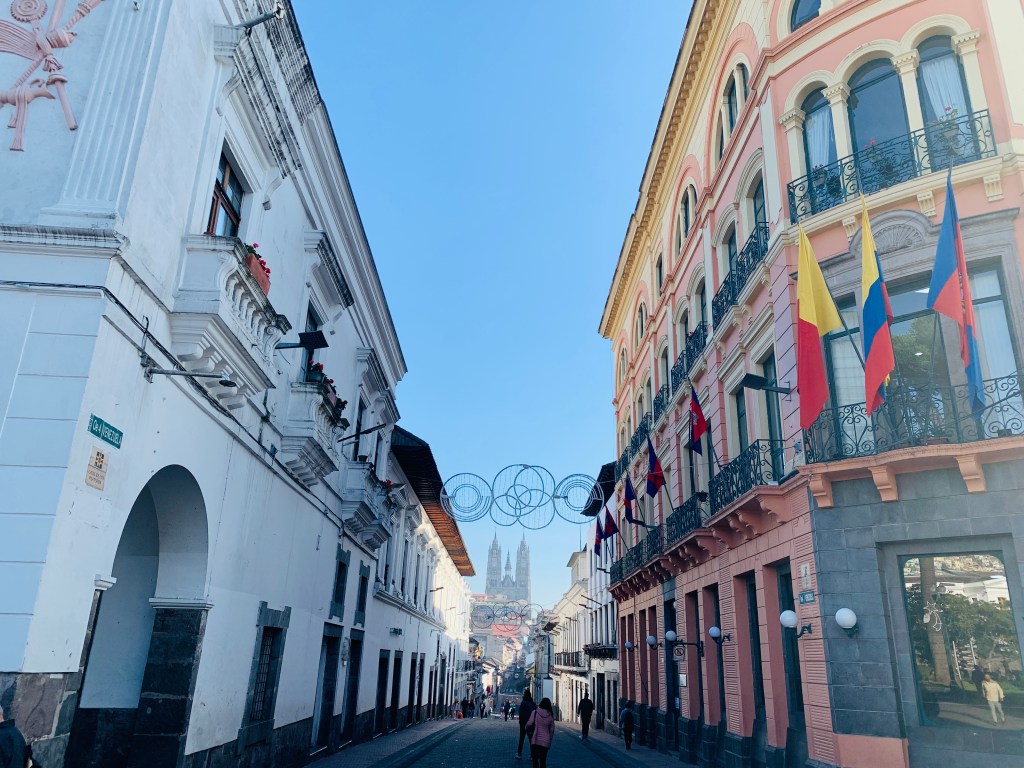
Quito revealed itself as a city of altitude, faith, and layered history, perched high in the Andes with centuries etched into stone and street. I began at Independence Square, the political and symbolic heart of Ecuador. This plaza marks the site where Ecuador declared independence from Spanish rule in 1809, an early and courageous act that earned Quito the title “Luz de América.” Surrounding the square, colonial buildings framed a space that still feels central to civic life.
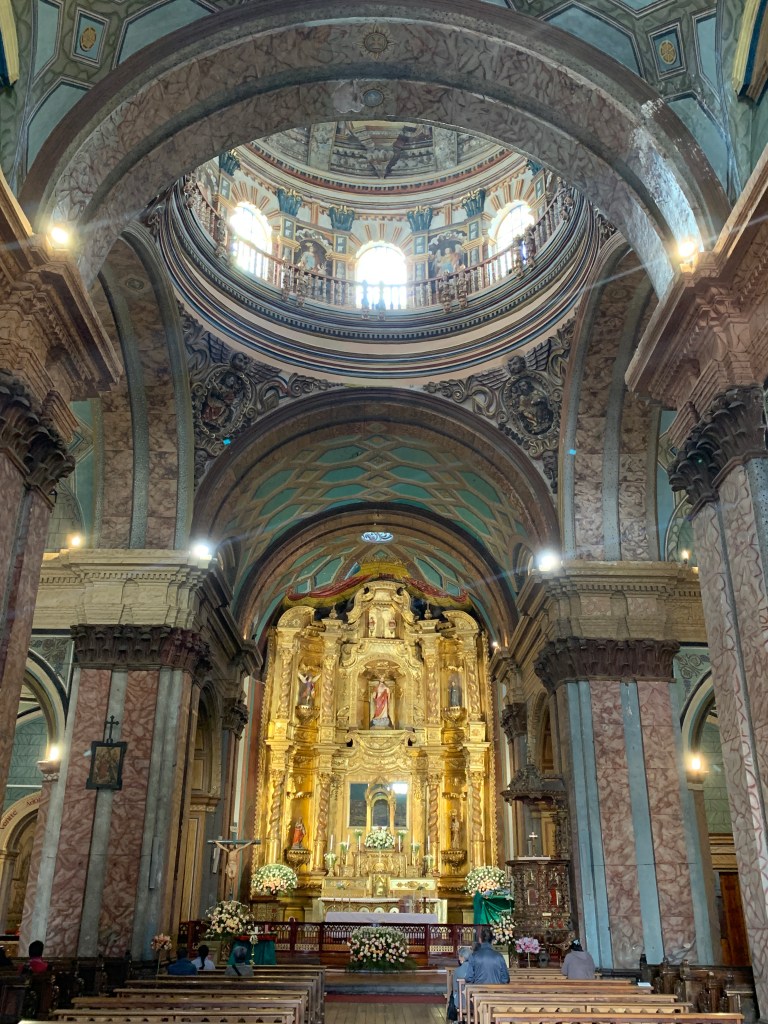
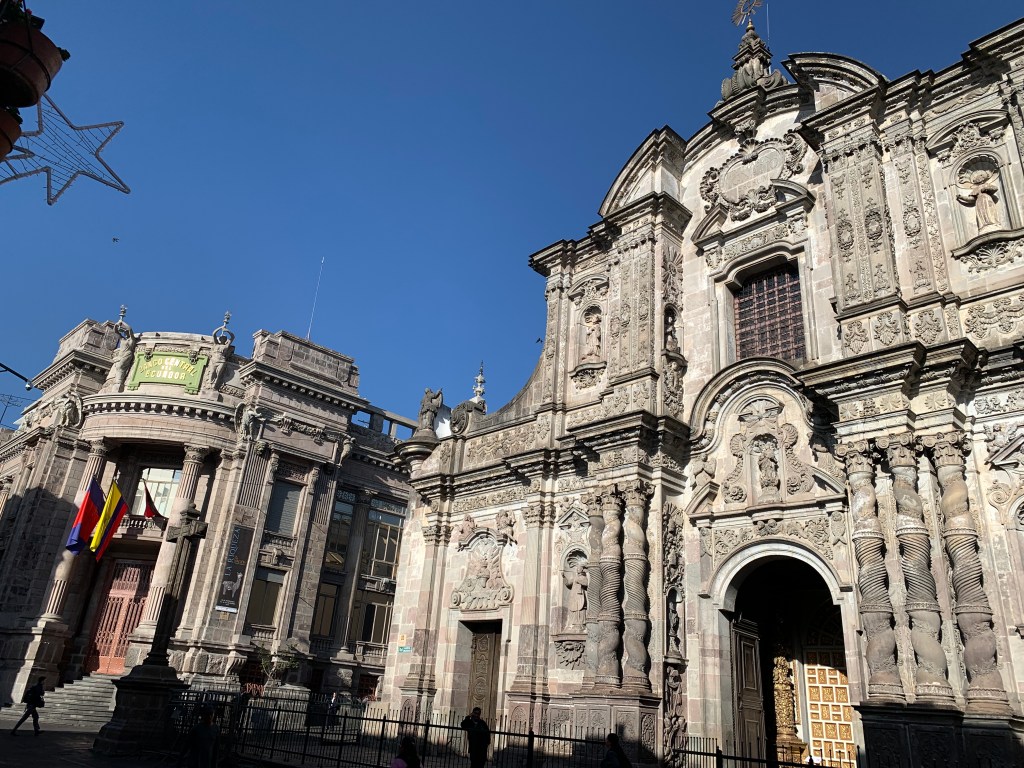
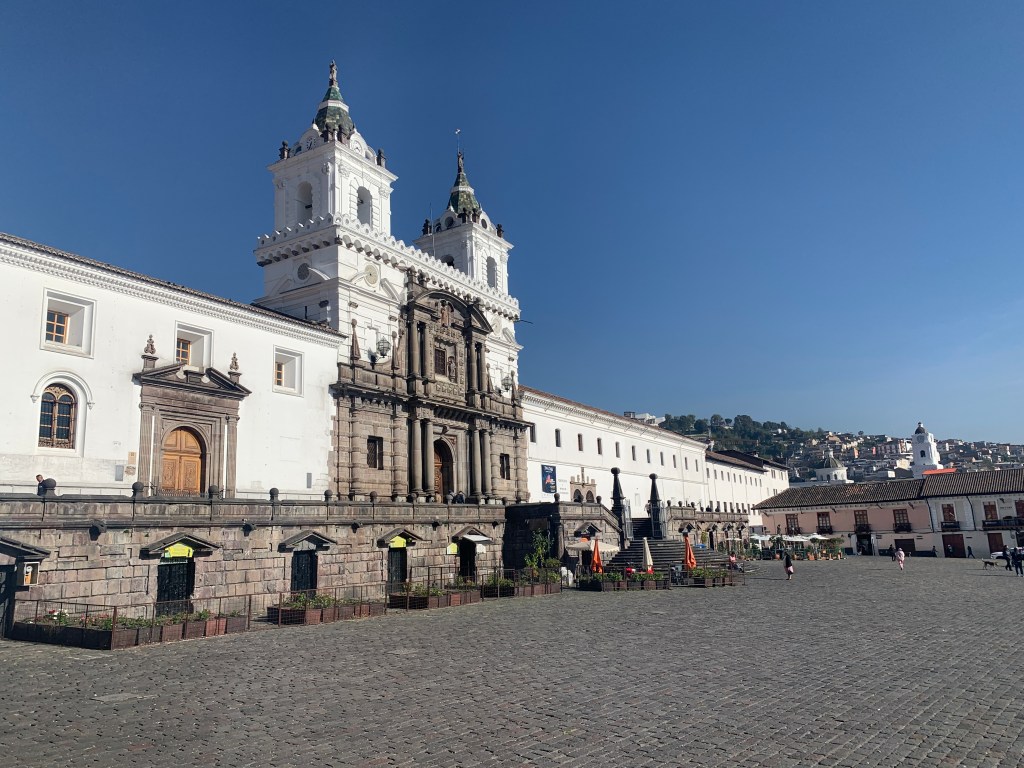
Just steps away, the Church of the Society of Jesus stood in dramatic contrast. Built in the 17th century, its interior is renowned for extensive gold leaf decoration, funded by wealth from colonial trade and labor. Nearby, the Basilica and Convent of San Francisco, one of the oldest religious complexes in South America, offered a quieter atmosphere. Construction began shortly after the Spanish conquest, and the complex reflects a blending of Indigenous and European artistic traditions.
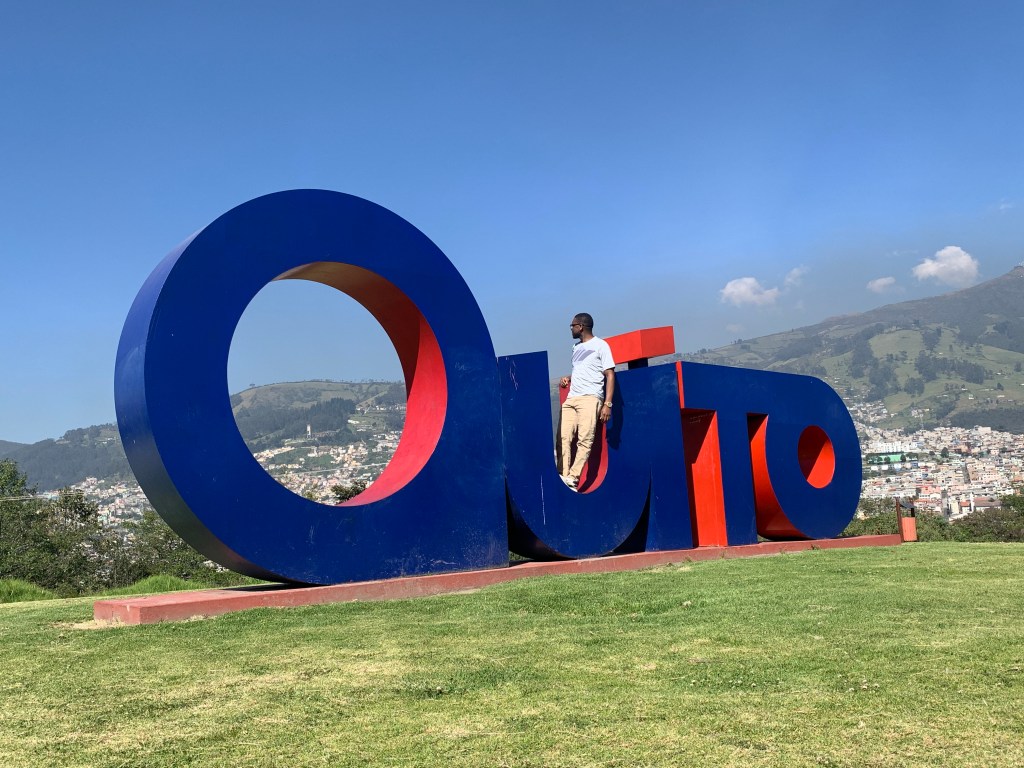
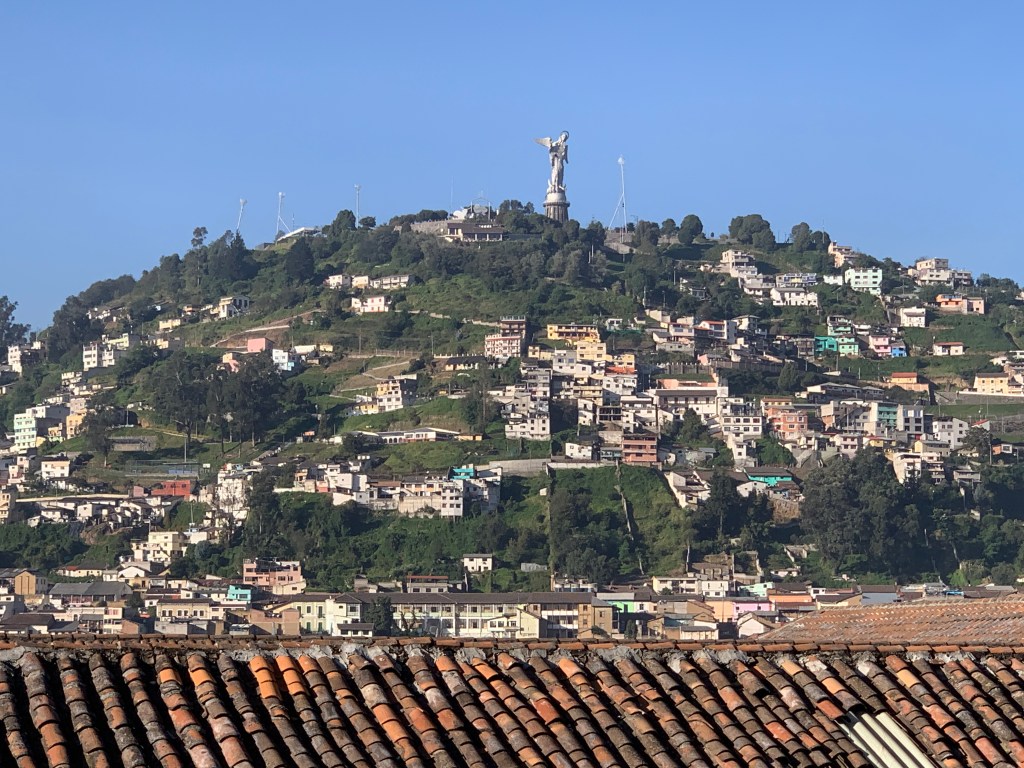
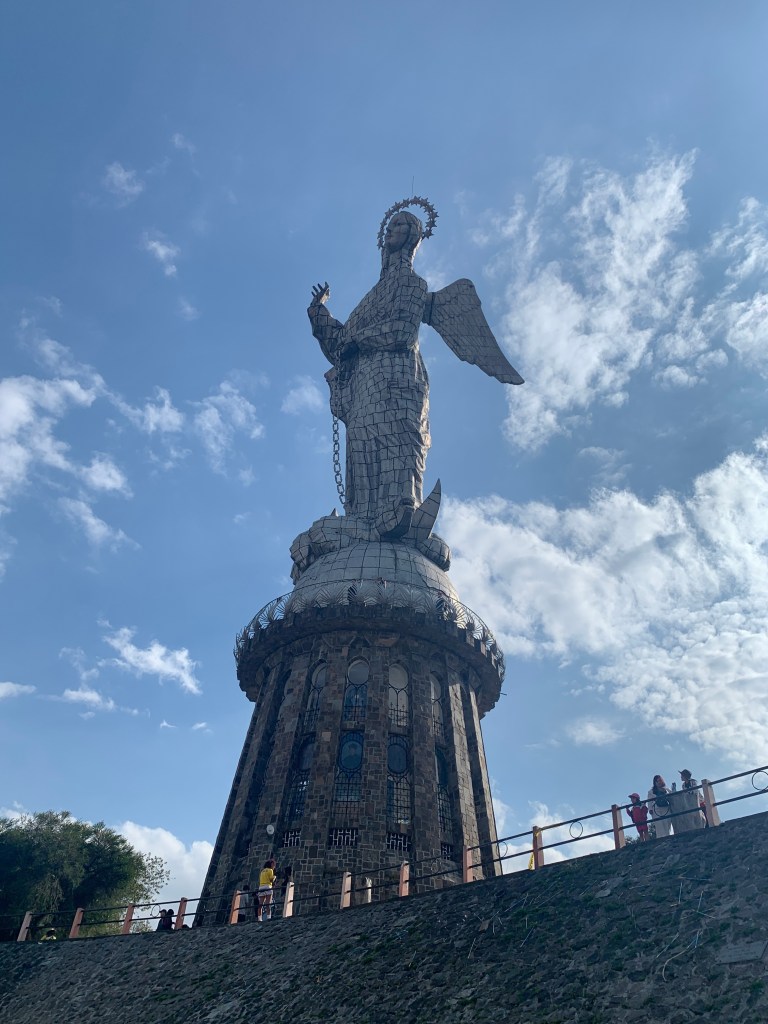
From the historic center, I made my way uphill to Parque Itchimbía, where the large Quito sign overlooked the city’s rooftops and valleys. The view made the city’s scale and elevation unmistakable. Later, I stood beneath the towering Virgin of the Panecillo, a modern statue inspired by the Book of Revelation, rising from a hill once sacred to Indigenous peoples long before Spanish arrival.
As evening approached, Calle La Ronda came alive with music, conversation, and candlelit doorways. This narrow street has been a gathering place for artisans and writers since colonial times and still carries that spirit.
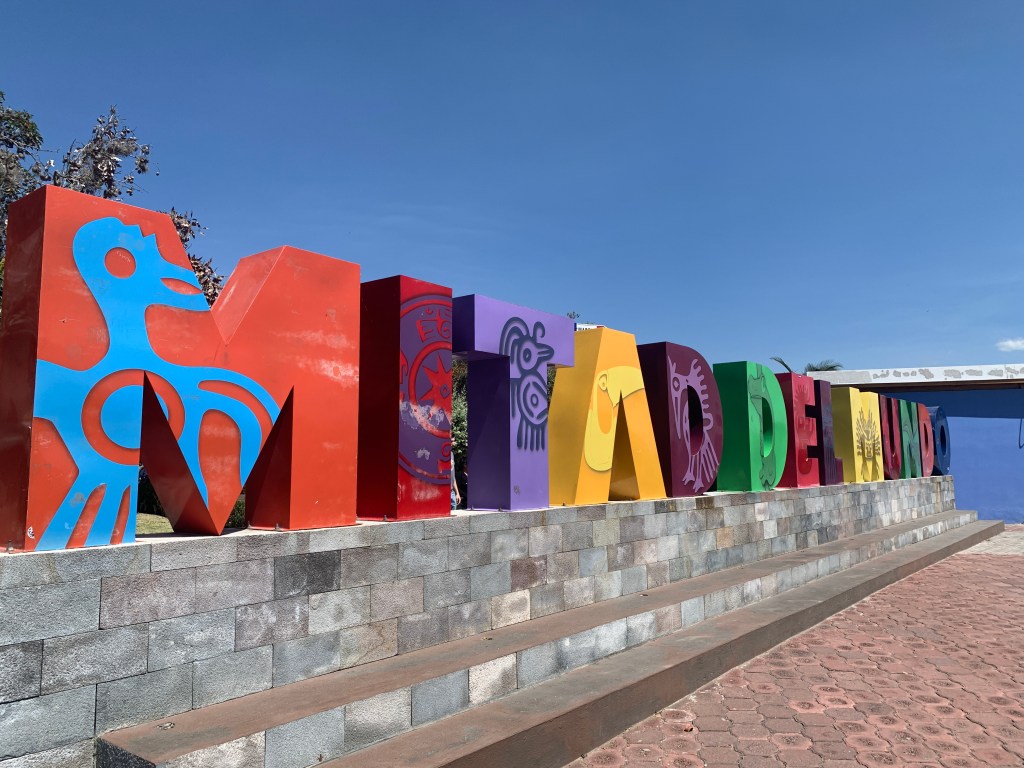
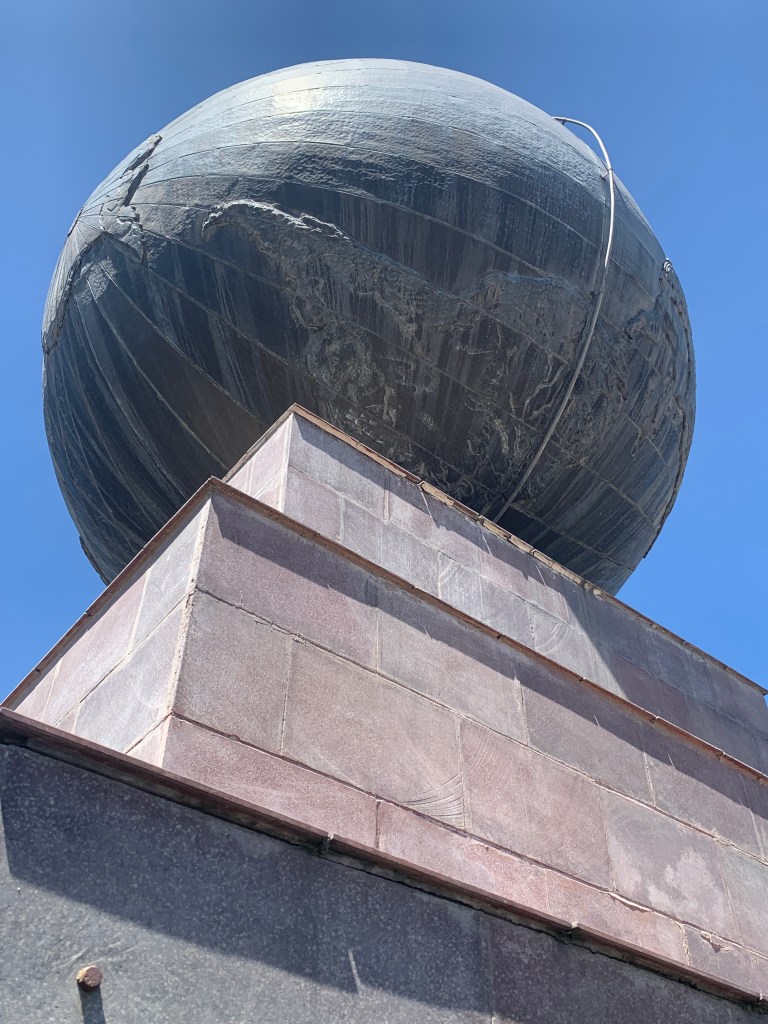
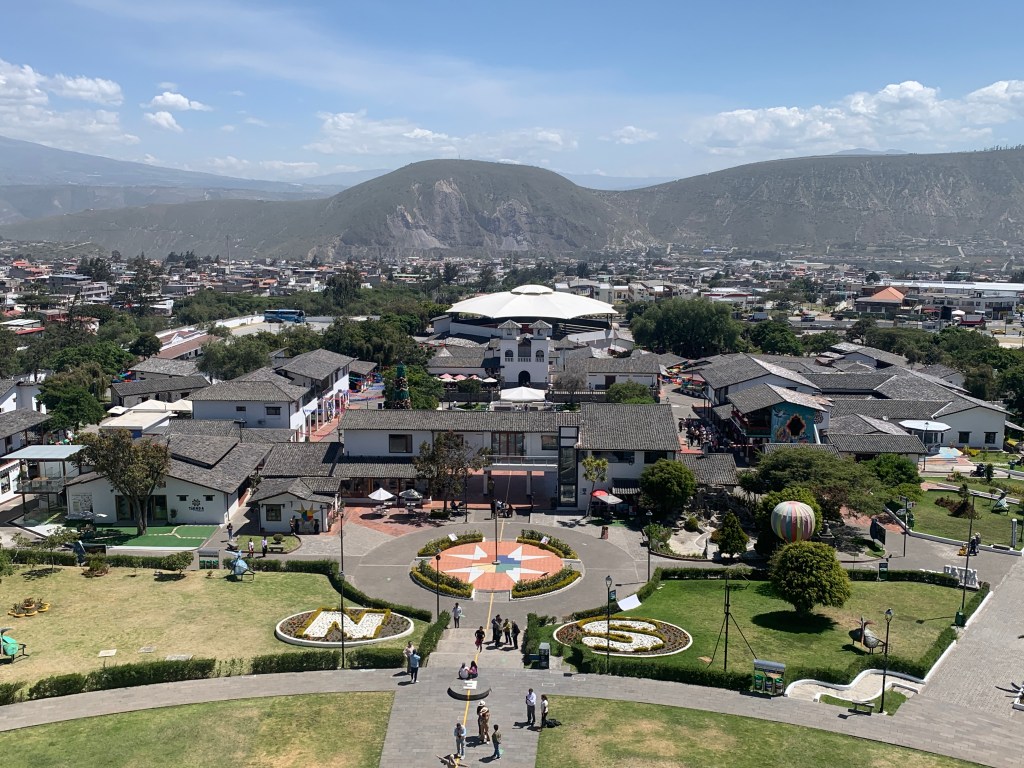
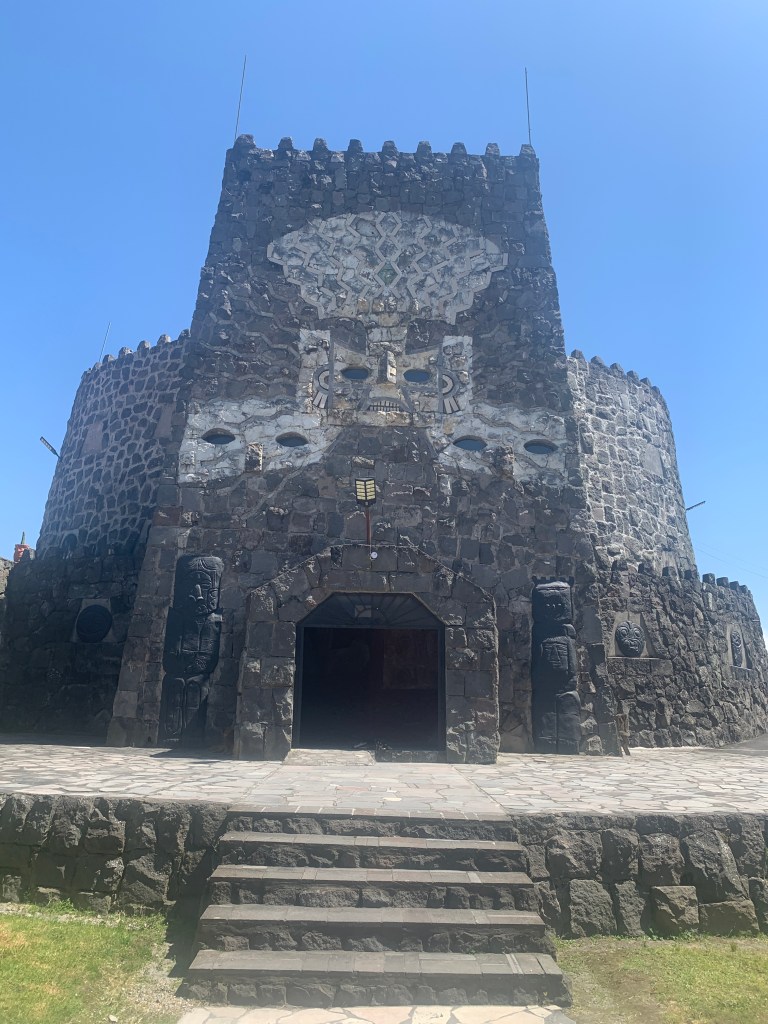
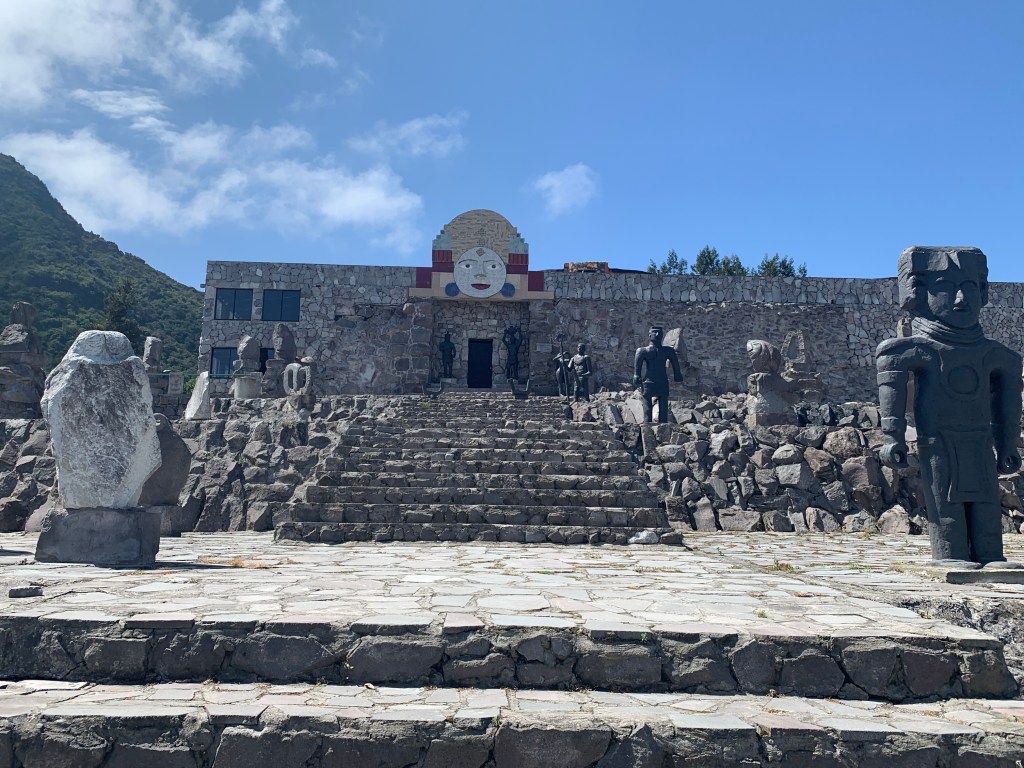
The day concluded north of the city at the Middle of the World, where the equator was first measured by an 18th-century French scientific expedition. At the Museo Templo del Sol, Indigenous knowledge of astronomy and balance offered a deeper perspective.















 yimga.blog
Leave a comment