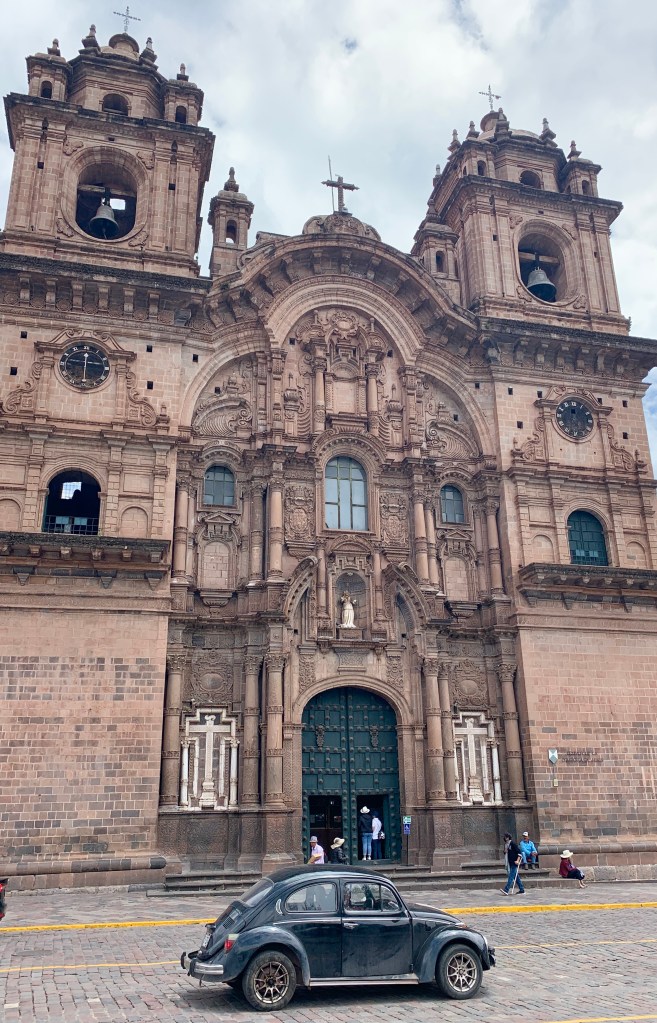
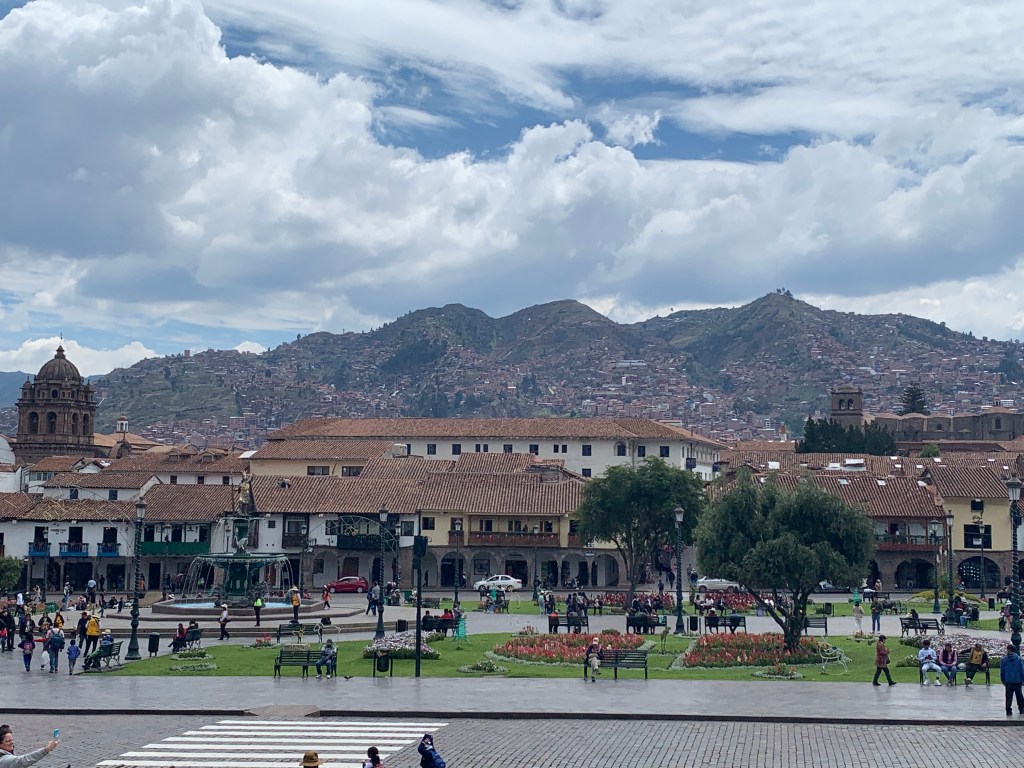
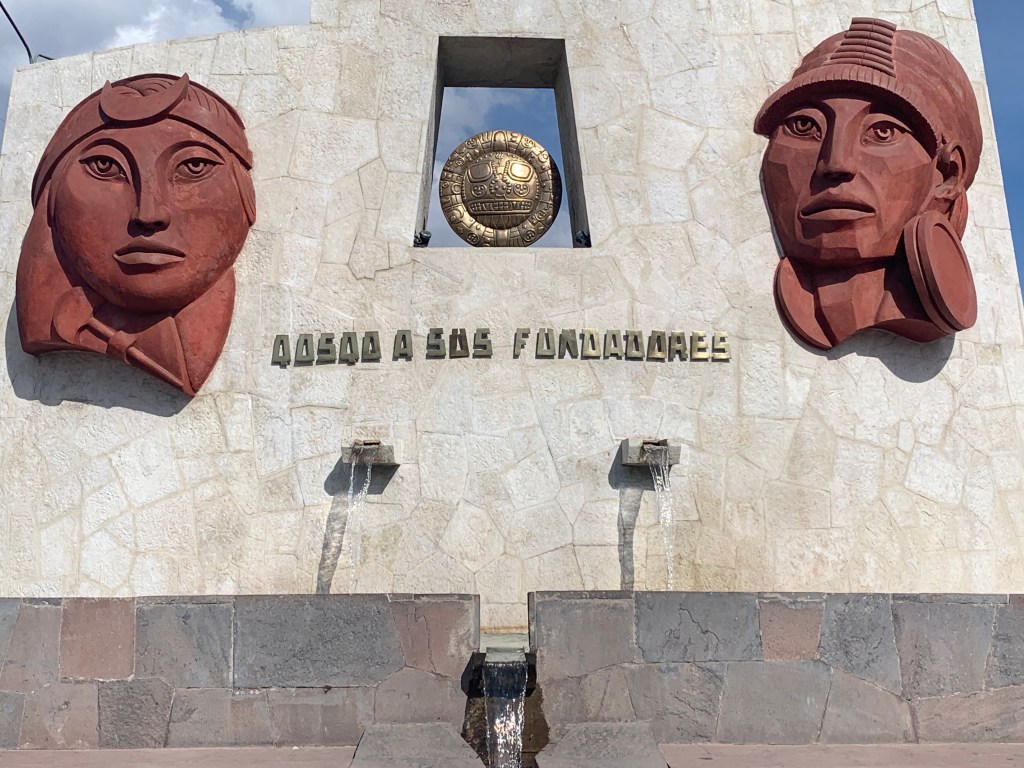
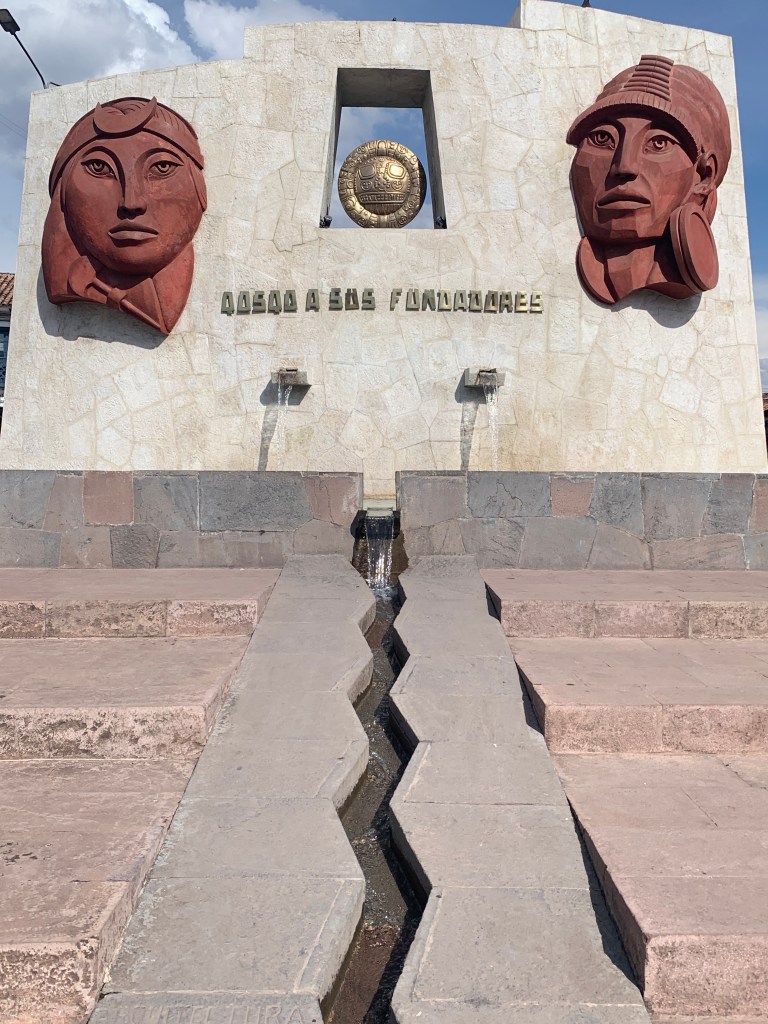
Cusco revealed itself as a city where stone, faith, and memory sit side by side at high altitude. I began in the Plaza de Armas, the ceremonial heart of the former Inca capital. Long before Spanish arrival, this square was known as Huacaypata, a sacred gathering place for imperial rituals. After the conquest in 1533, Spanish authorities rebuilt the center to reflect colonial power, yet the Inca foundations remain beneath the surface.
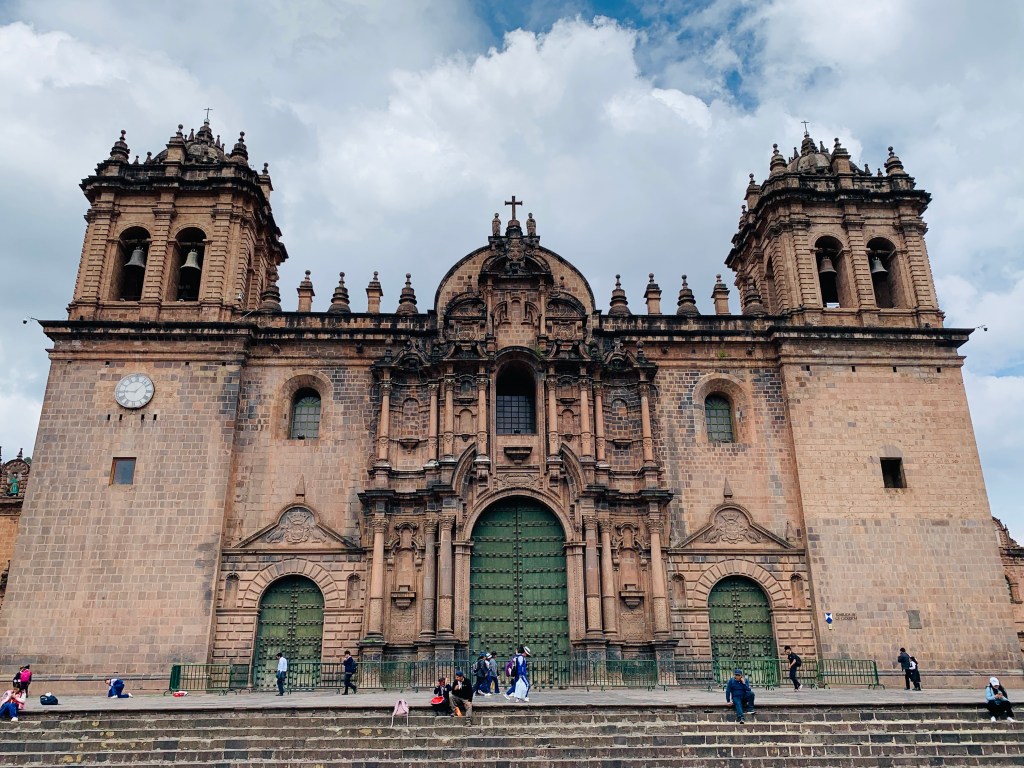
The Cusco Cathedral dominates the plaza with its heavy stone walls and twin towers. Construction began in the mid-16th century using blocks taken from the nearby Inca palace of Viracocha. Inside, Catholic imagery mixes with Andean symbolism, reflecting how Indigenous belief systems endured under colonial rule. One striking example is a painting of the Last Supper that features guinea pig, a traditional Andean dish.
Nearby, the Inka Museum offered deeper context through ceramics, textiles, and metalwork that trace the rise of the Inca Empire. At its height in the early 1500s, the empire stretched from modern-day Colombia to Chile, governed through advanced road systems and strict administrative control.
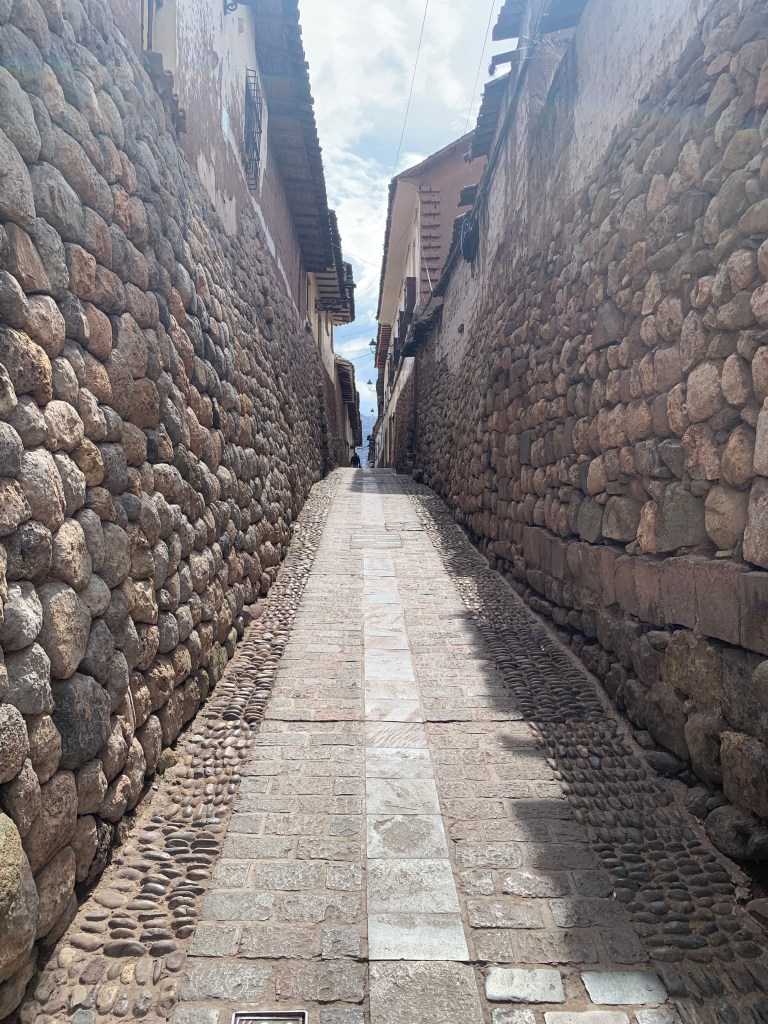
Walking along Hatunrumiyoc Street, I paused at the famous Twelve Angled Stone. This single block fits perfectly among surrounding stones without mortar, a reminder of Inca engineering skill. The precision allowed walls to withstand frequent earthquakes, something many colonial buildings could not achieve.
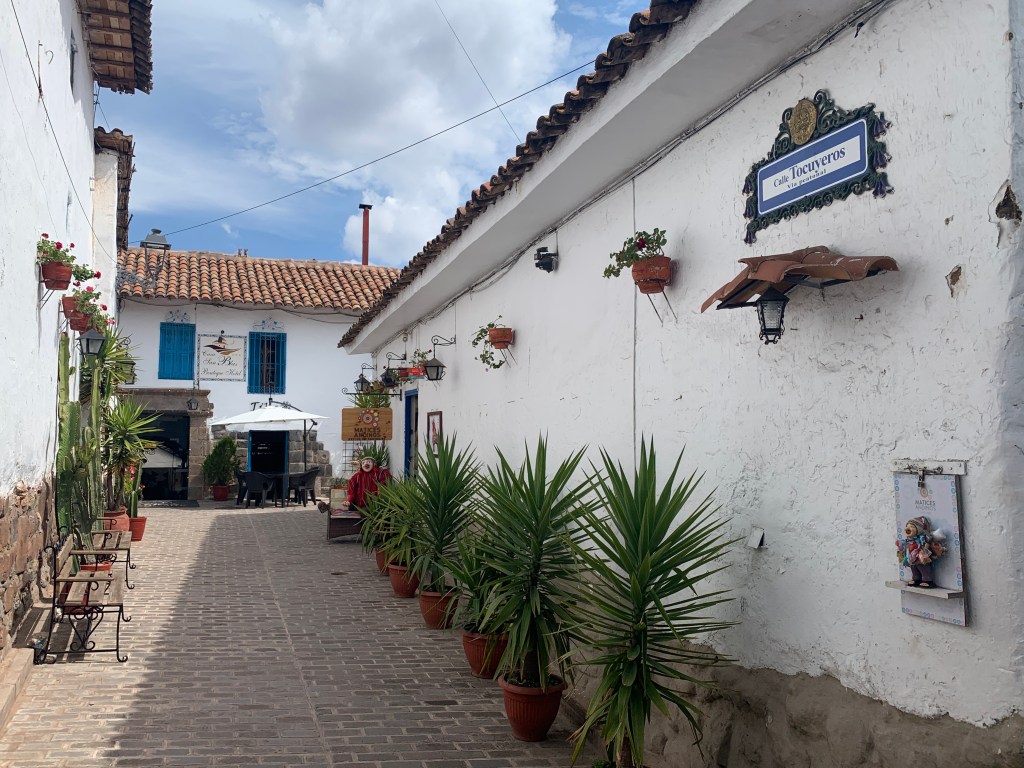
I ended the day in Plaza San Blas, a quieter neighborhood perched above the city. Known for artisans and narrow streets, it felt intimate and reflective. From its overlook, Cusco unfolded below in layers of time.







 yimga.blog
Leave a comment