The night before reaching Machu Picchu was shaped by motion and anticipation. I left Cusco by bus, winding through the Sacred Valley to Ollantaytambo, where the mountains pressed close and the air felt heavy with history. From there, a late train carried me along the Urubamba River to Aguas Calientes. The rhythm of the tracks and the darkness outside made the arrival feel almost ceremonial. That evening in town was quiet and reflective, with travelers trading stories over dinner while clouds settled low on the surrounding peaks.
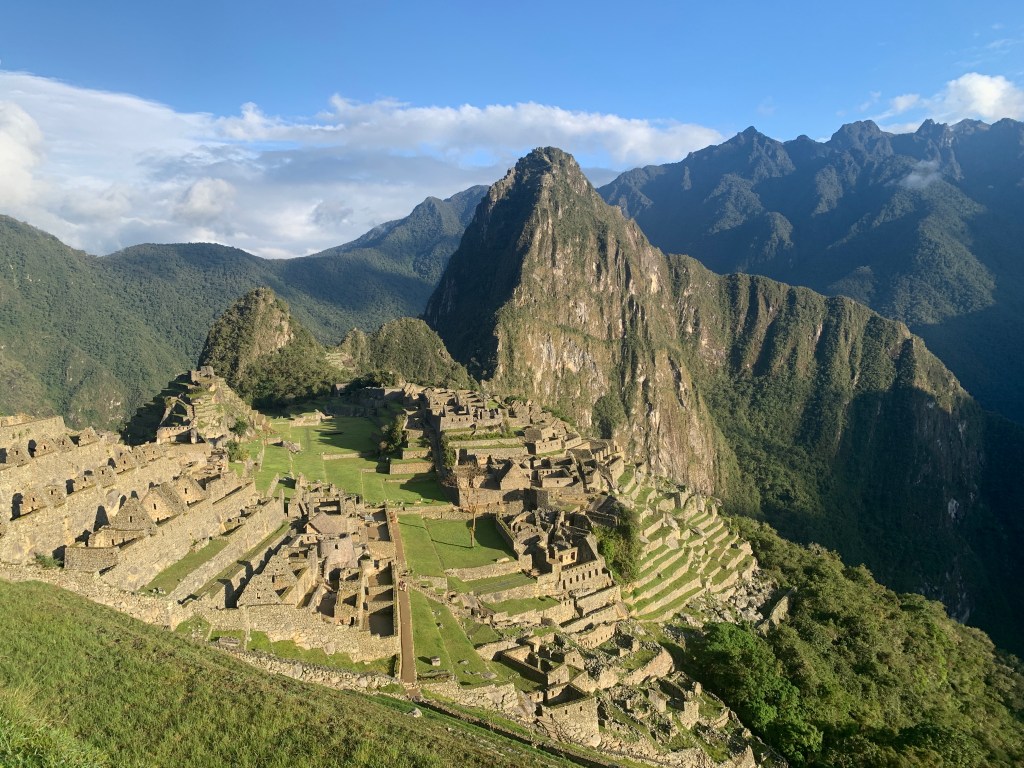
Before sunrise, I boarded a bus that climbed sharply toward the ruins. At 6 am, I joined a small group led by Felix, our Peruvian guide, whose calm presence set the tone for the morning. As mist lifted, Machu Picchu emerged stone by stone. Built in the mid-15th century during the reign of the Inca emperor Pachacuti, the site is believed to have served as a royal estate and ceremonial center rather than a city for the general population. Its location, hidden among steep ridges, helped protect it from Spanish conquest and explains why it remained unknown to the outside world until 1911, when Hiram Bingham brought it to global attention.
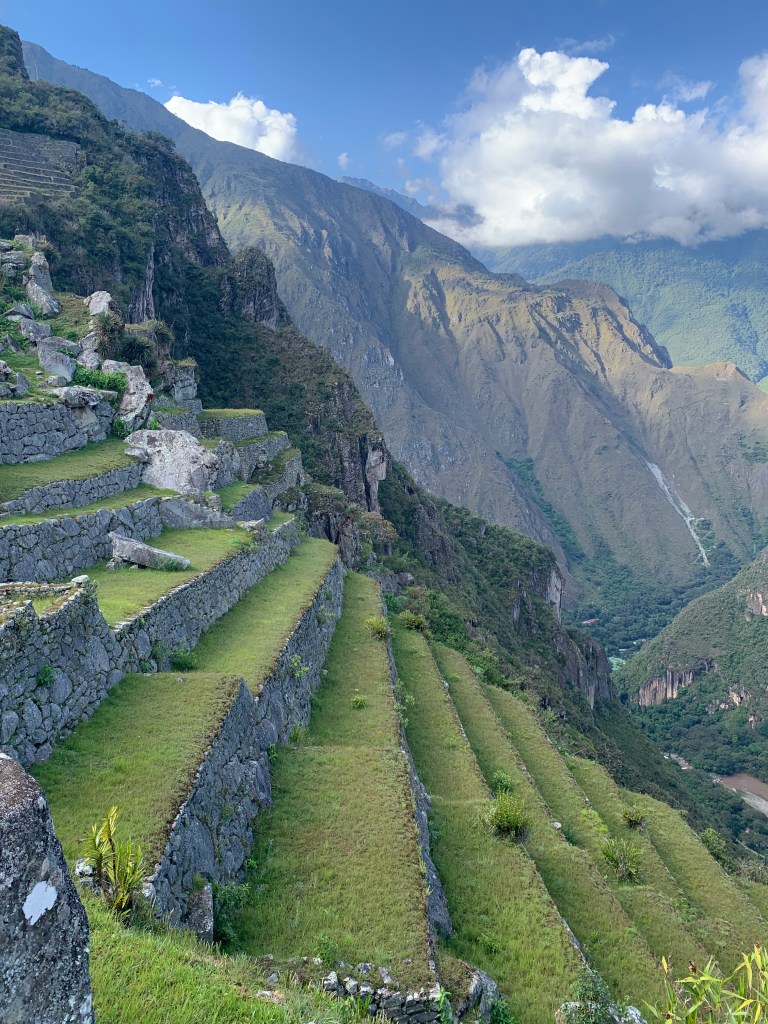
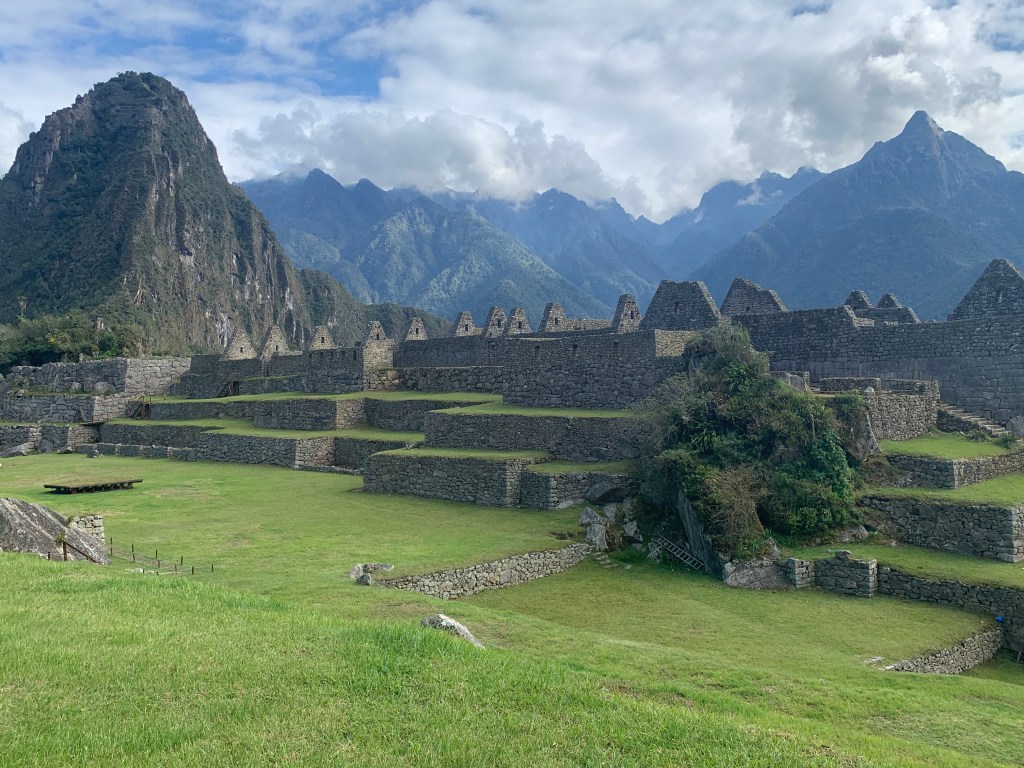
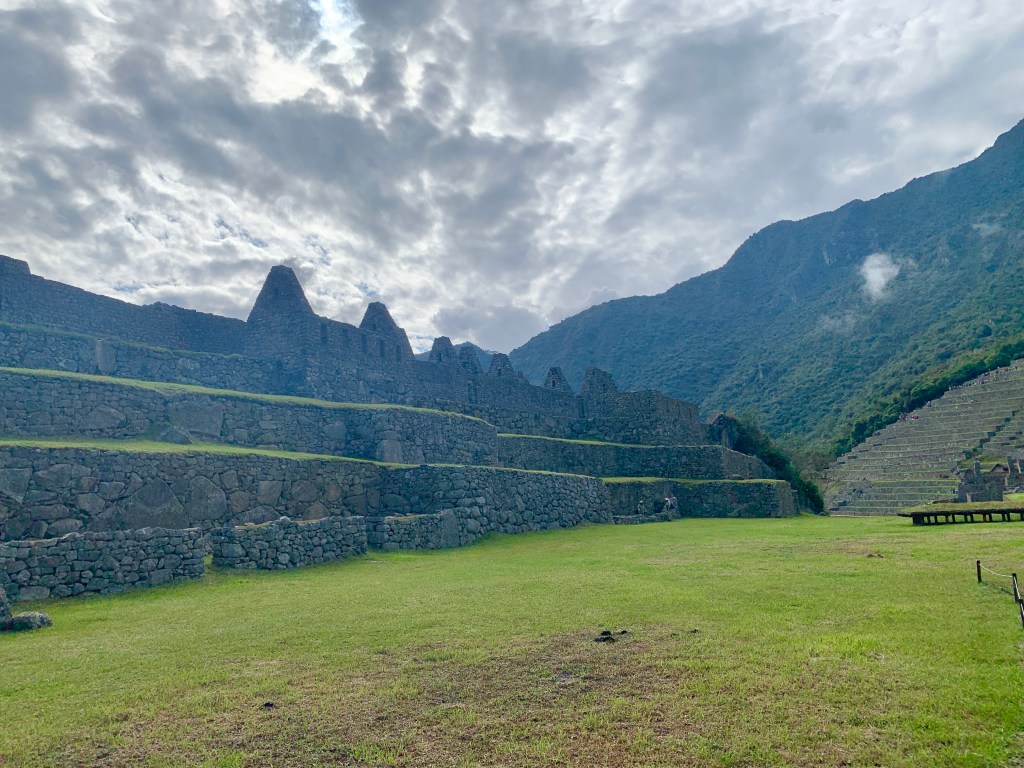
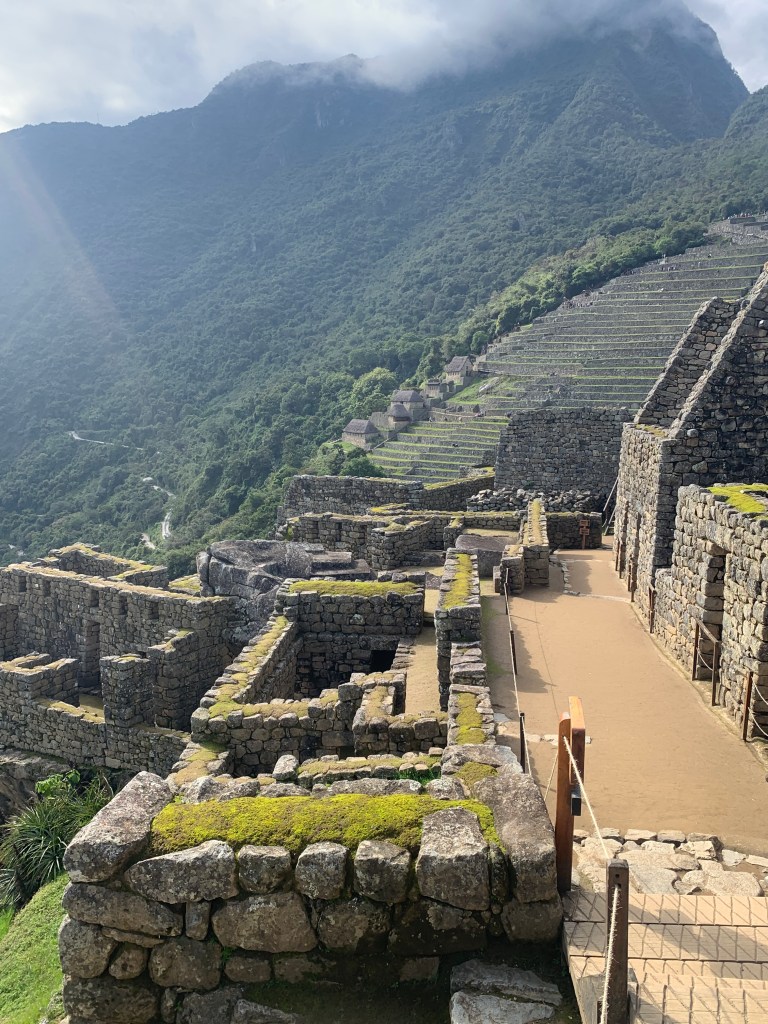
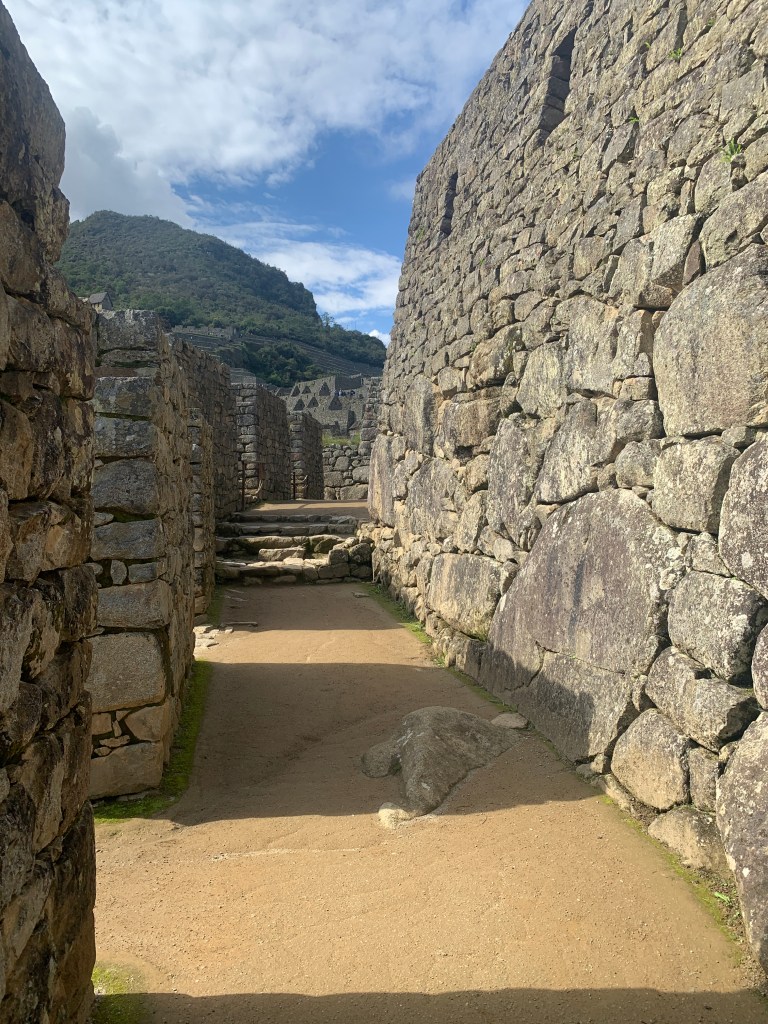
Felix explained how the Inca shaped the land to suit their needs, carving terraces for agriculture and aligning structures with astronomical events. Temples, residences, and open plazas revealed a society deeply connected to nature, science, and ritual. Despite centuries of exposure, the stonework remains remarkably intact, a result of precise construction that allows walls to move slightly during earthquakes without collapsing.
After the tour, I lingered on a high overlook, watching clouds drift across the ruins. Returning to Aguas Calientes later that day, the town felt livelier. As evening settled in, the experience of Machu Picchu stayed close, not as a distant marvel, but as a place shaped by intention, patience, and enduring presence.








 yimga.blog
Leave a comment