La Paz marked a meaningful milestone as my 90th country visited, and the city felt like a fitting place to pause and take it all in. Set deep within a canyon and rising sharply toward the plateau of El Alto, La Paz carries an intensity shaped by altitude, history, and resilience.
I began at the Basilica of Saint Francis, one of the city’s most important religious landmarks. Built in the 18th century on the site of an earlier church destroyed during an Indigenous uprising, the basilica stands as a symbol of Bolivia’s layered past. Its stone facade reflects both Spanish colonial influence and Indigenous craftsmanship. Outside, Plaza Mayor de San Francisco pulsed with daily life, where vendors, passersby, and political demonstrators shared the same ground.
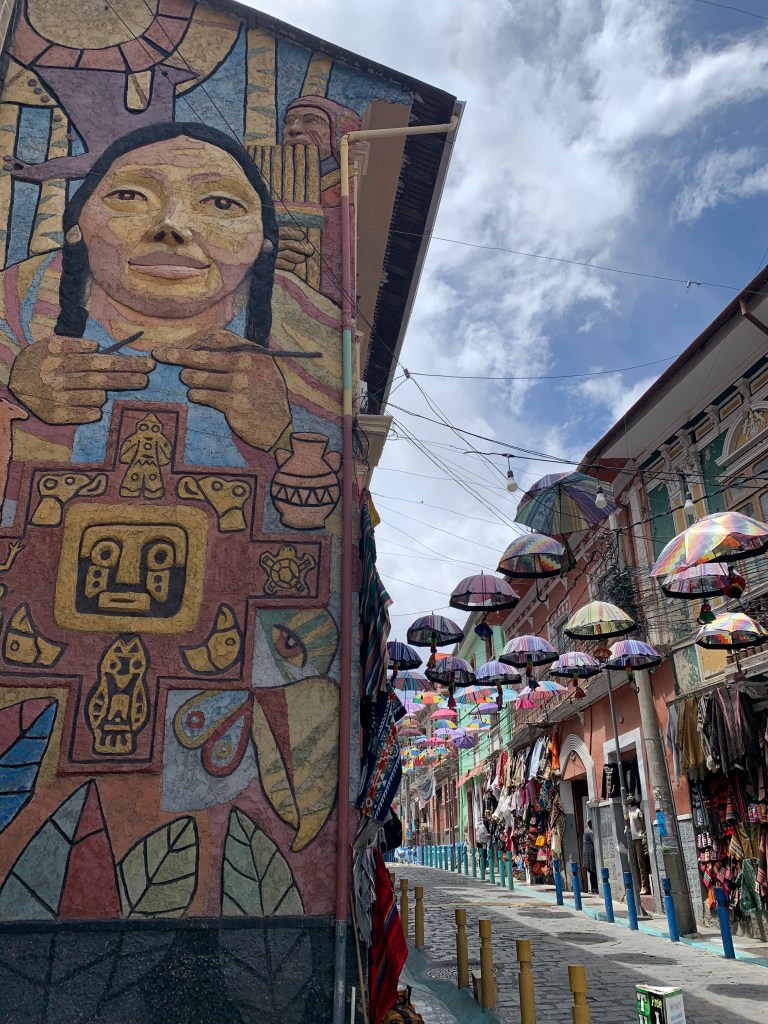
From there, I walked through the Witches Market, where Aymara traditions remain firmly rooted. Dried herbs, ceremonial items, and offerings to Pachamama filled the stalls, reminding me that Indigenous belief systems continue to shape modern Bolivia. This market traces its origins to pre-Columbian spiritual practices that survived conquest and repression.
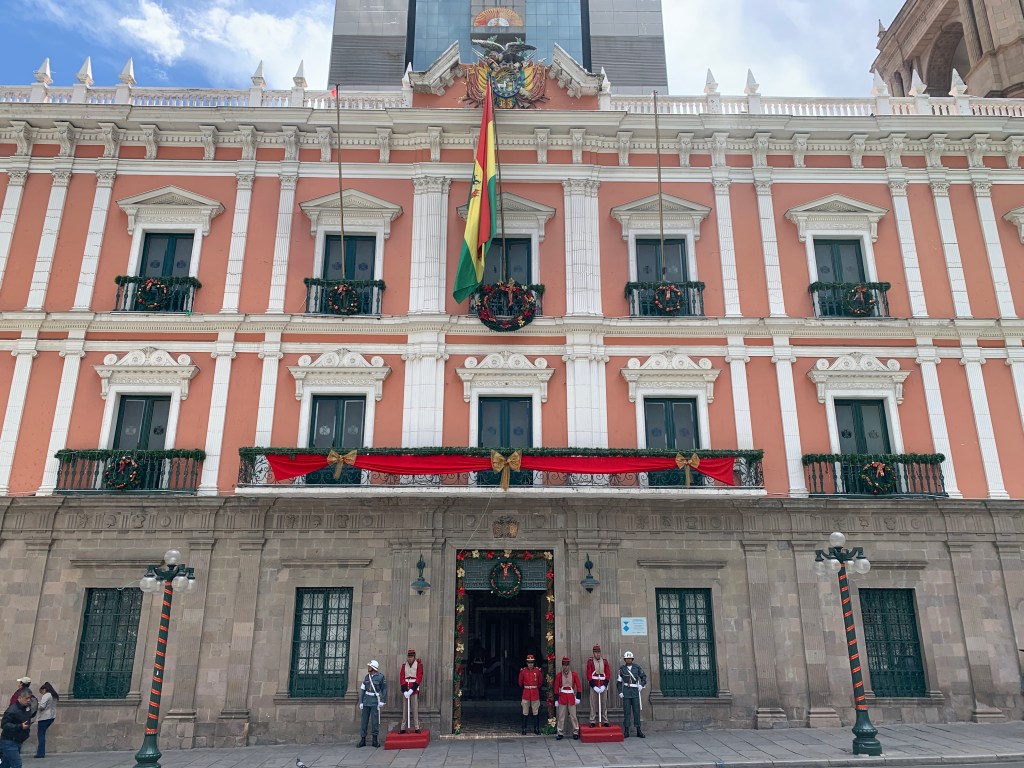
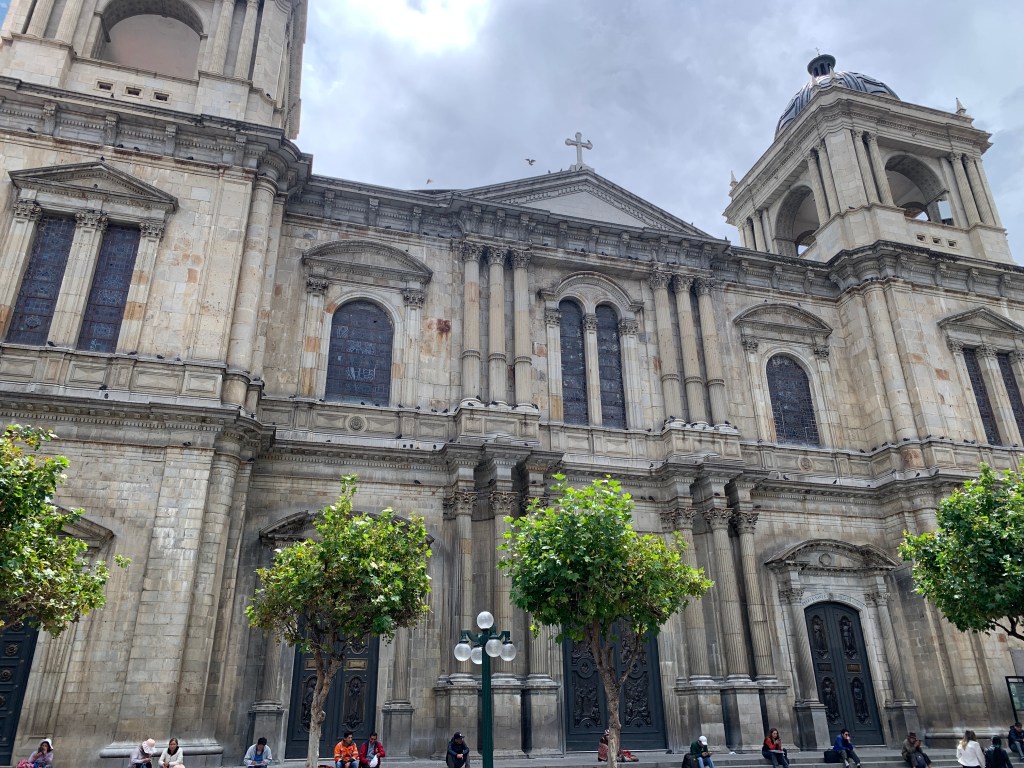
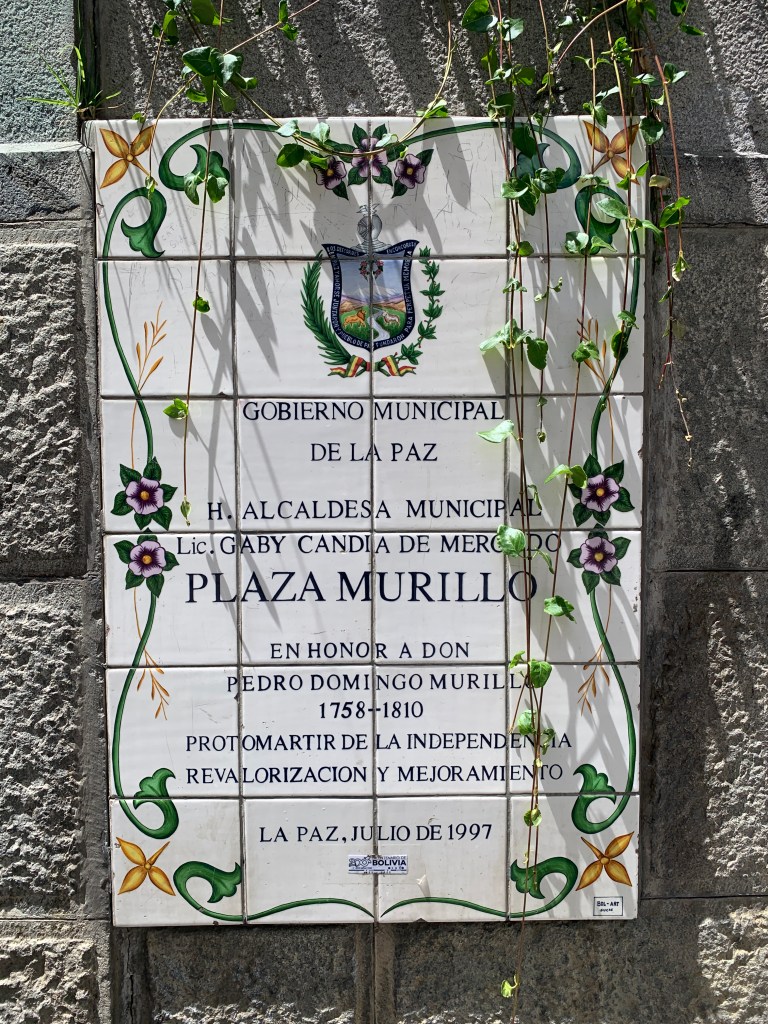
At Plaza Murillo, the political heart of Bolivia, the Presidential Palace and National Congress face one another. It was here that Bolivia’s turbulent political history unfolded, including revolutions, coups, and reforms. Nearby, the cathedral anchored the square in quiet contrast.
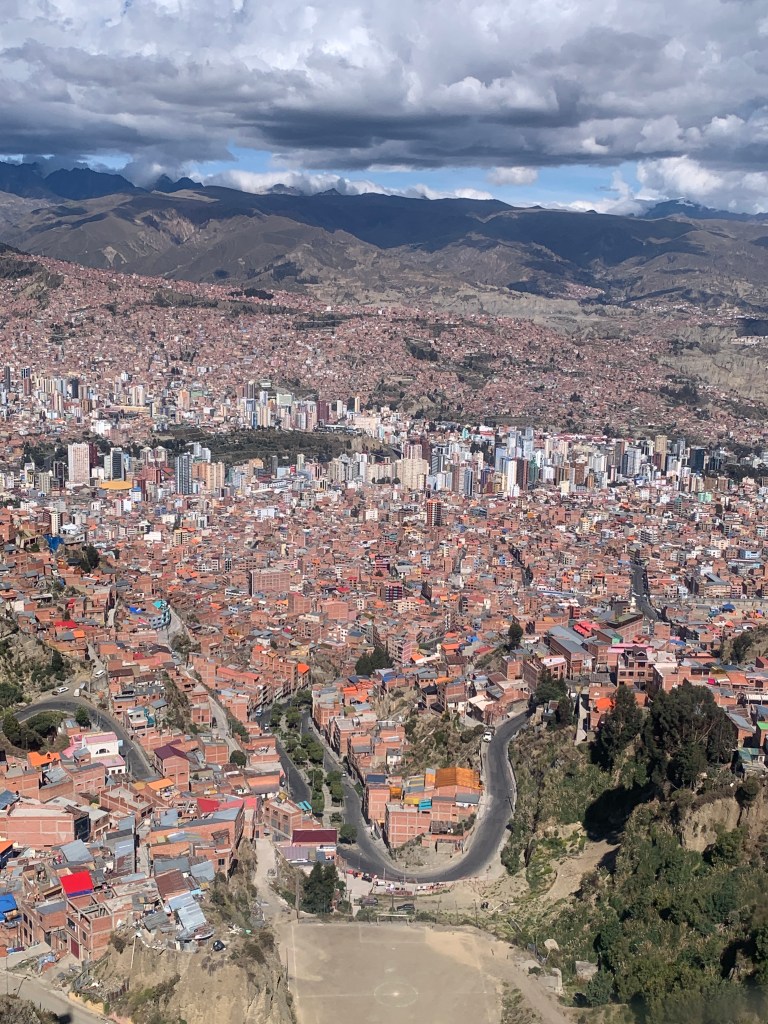
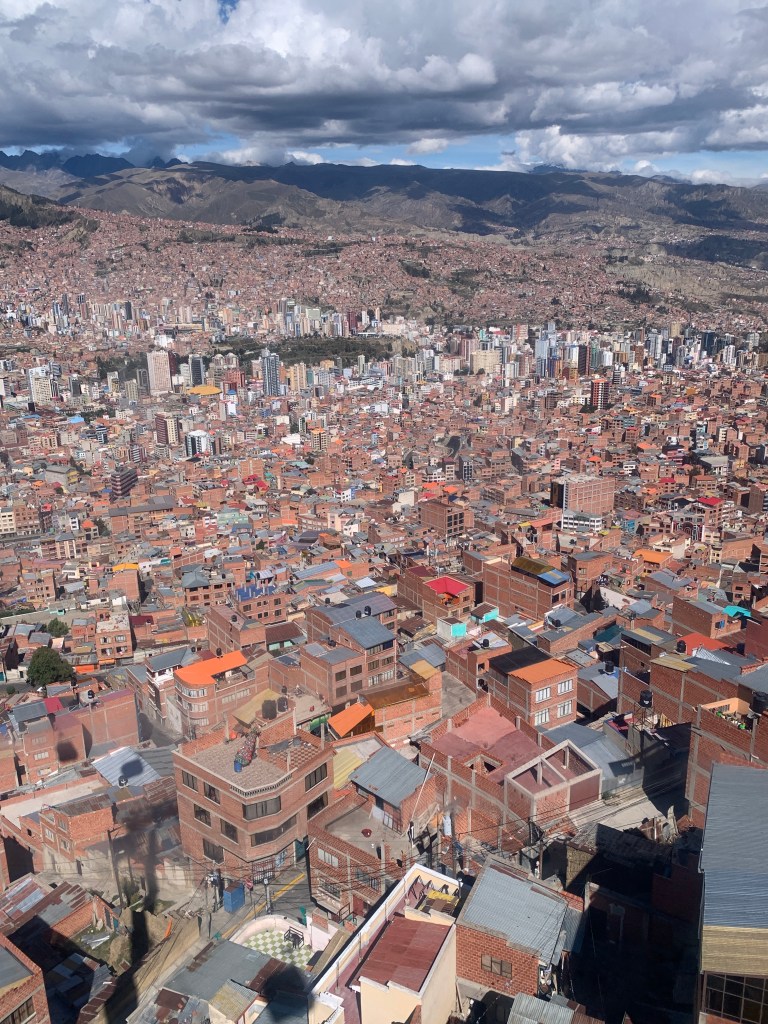
One of the most striking experiences came aboard the Teleférico, the world’s highest urban cable car system. Gliding up to El Alto, the city spread beneath me in dramatic layers. Once a peripheral settlement, El Alto became a powerful political force in the early 2000s during protests that reshaped Bolivia’s leadership.
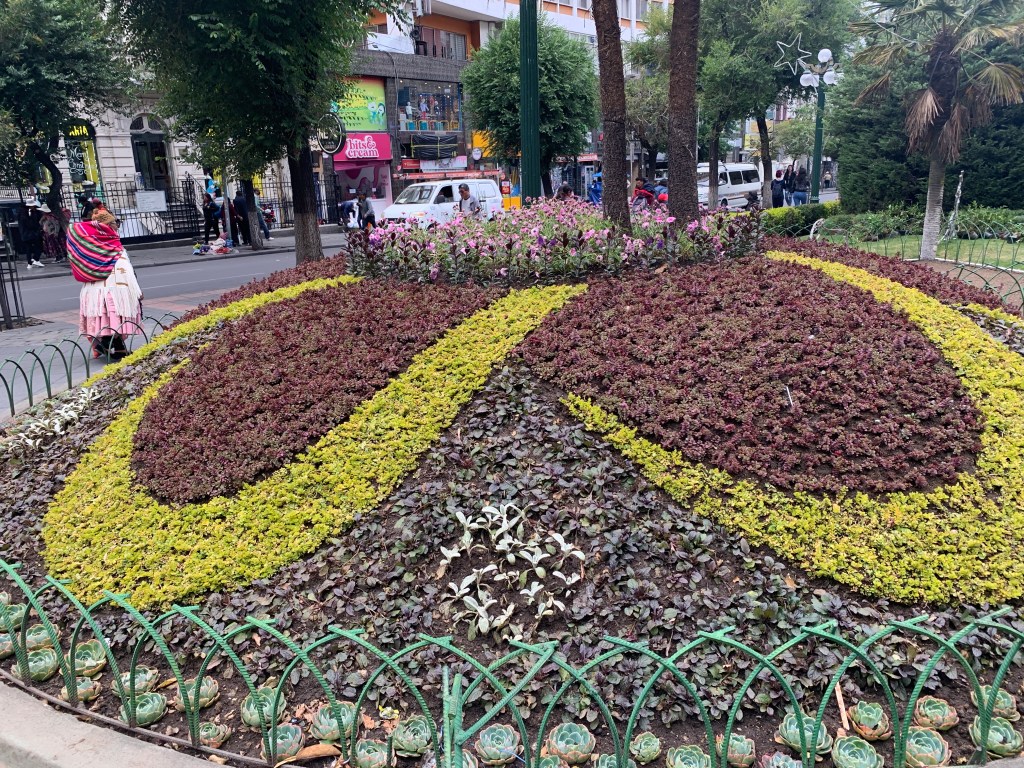
I finished the day walking along Avenida 16 de Julio, alive with commerce and motion. La Paz does not ease you in. It challenges, rewards, and stays with you. As a 90th country, it felt earned.










 yimga.blog
Leave a comment