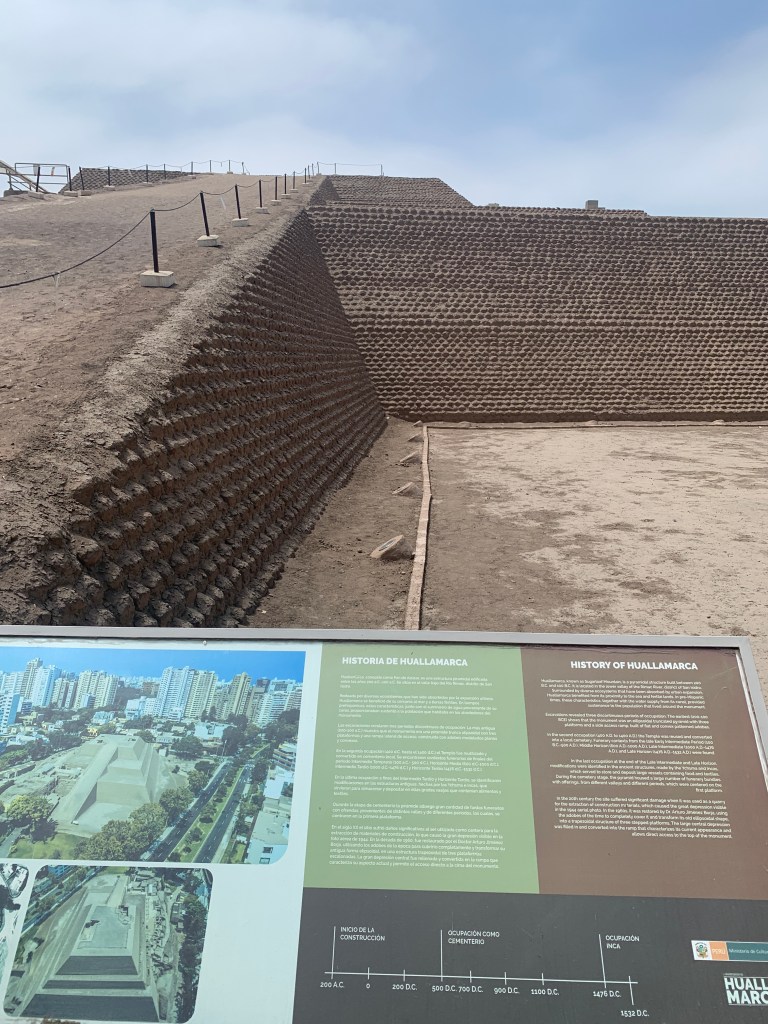
Lima unfolded as a city where ancient civilizations and colonial power coexist within the same blocks. I began at Huaca Huallamarca, a pre-Inca adobe pyramid rising unexpectedly among modern buildings. Dating back over a thousand years, the site reminds visitors that Lima was inhabited long before Spanish arrival. Standing at its base, it was striking to imagine ceremonies taking place here centuries before the city became a colonial capital.
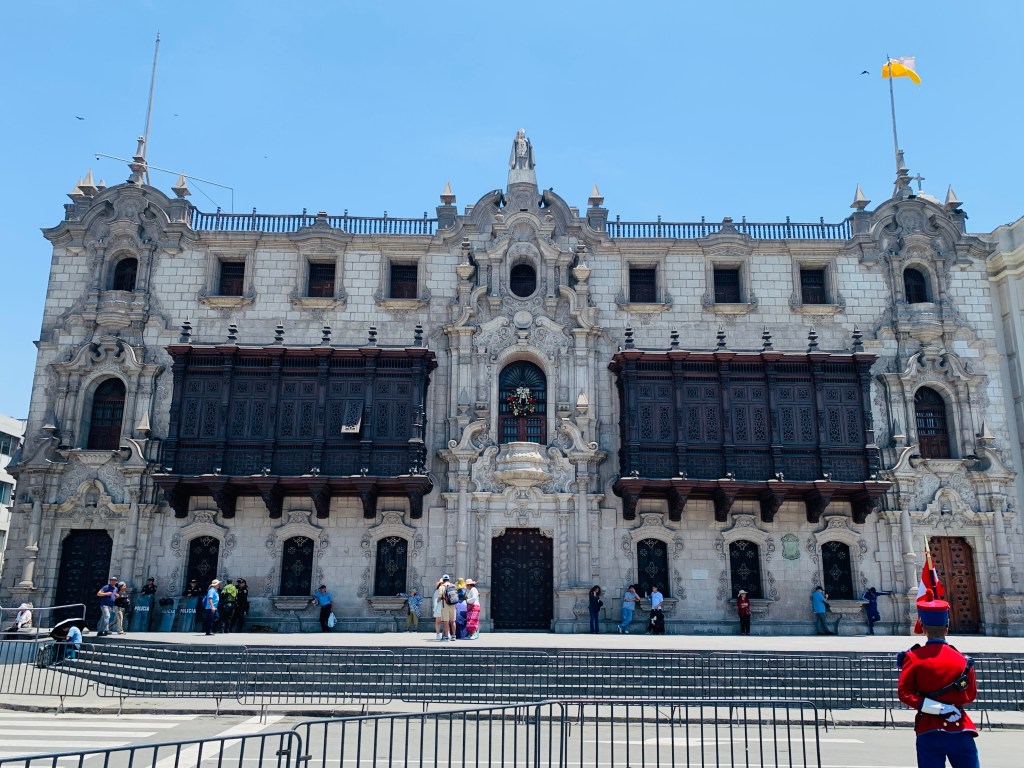
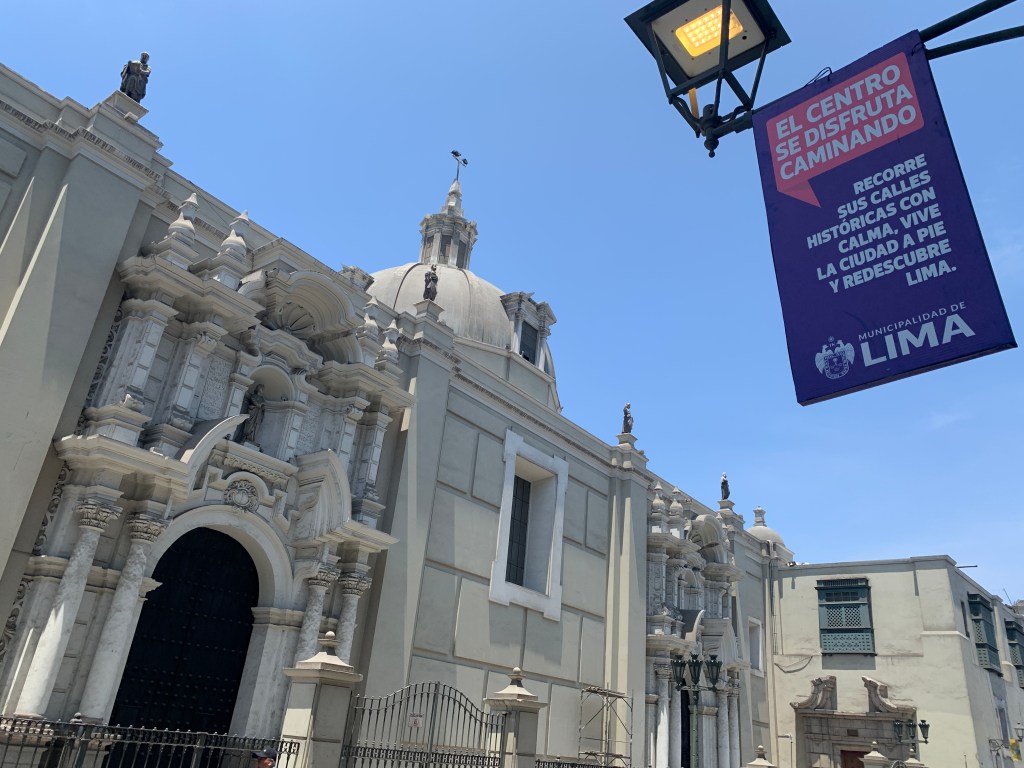
From there, I walked into the historic center, arriving at Lima Main Square, also known as the Plaza Mayor. This was the site where Francisco Pizarro founded Lima in 1535, declaring it the capital of Spanish rule in South America. Nearby, the House of Peruvian Literature offered a quieter space that honors writers who shaped national identity through words rather than conquest.
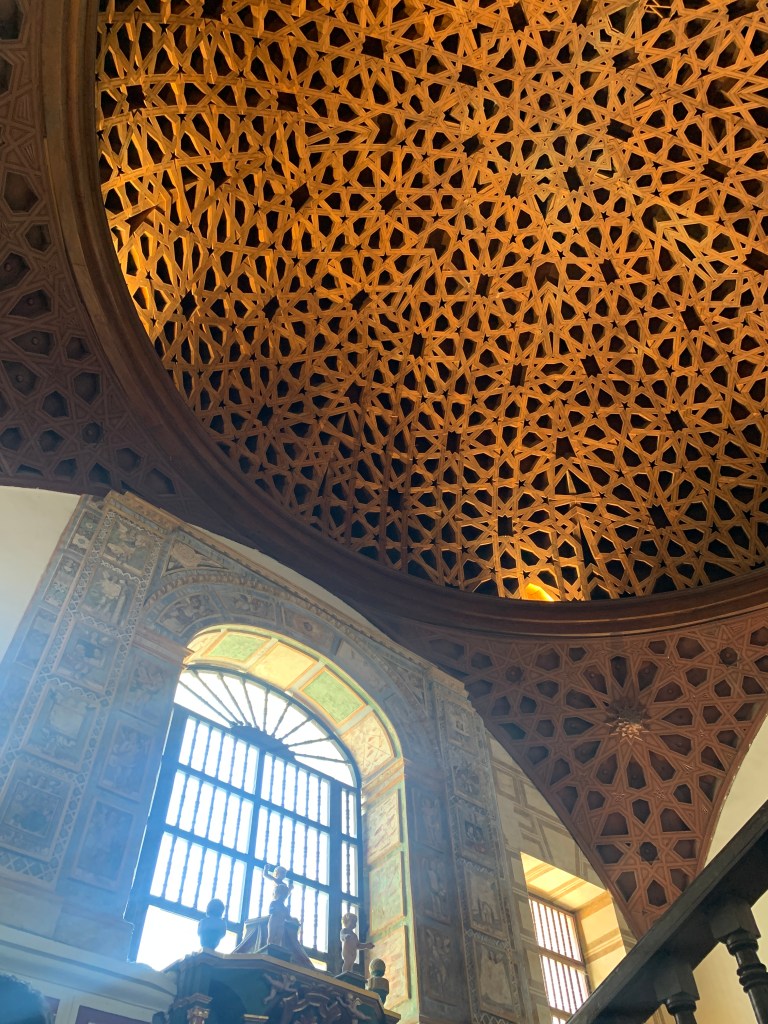
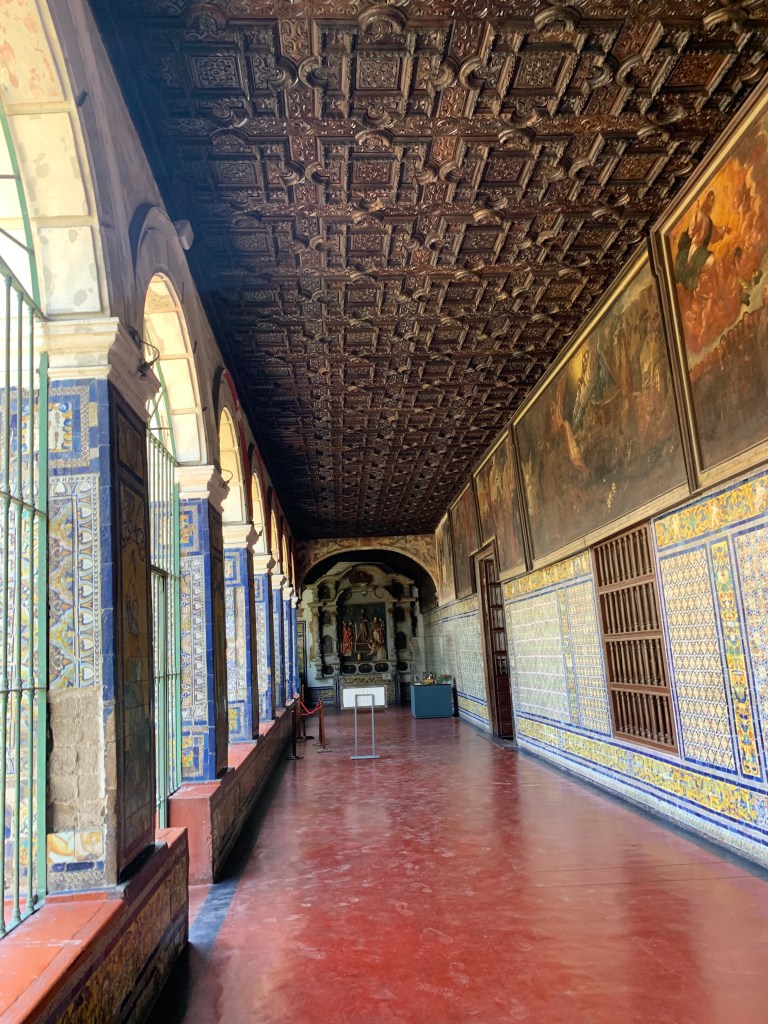
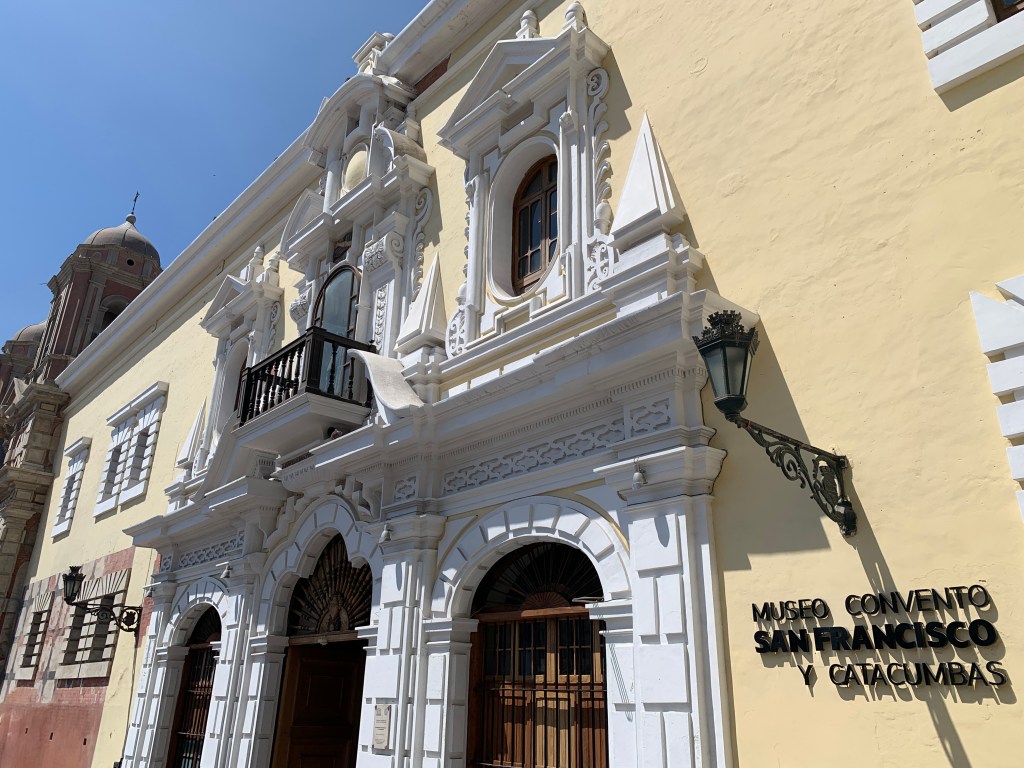
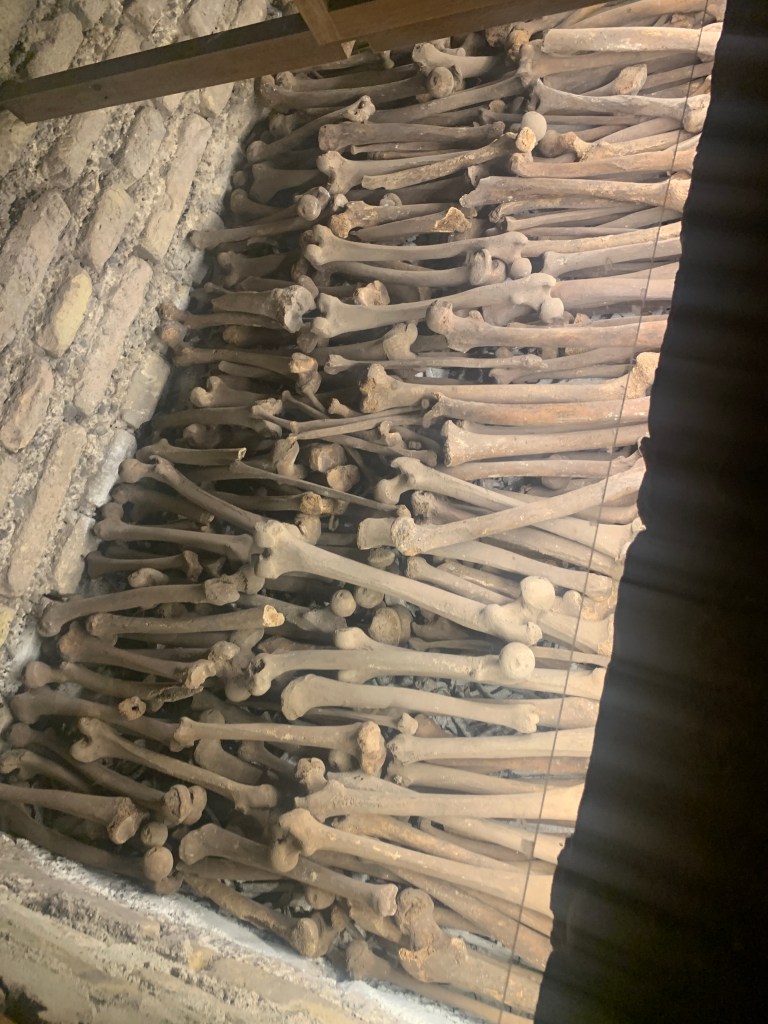
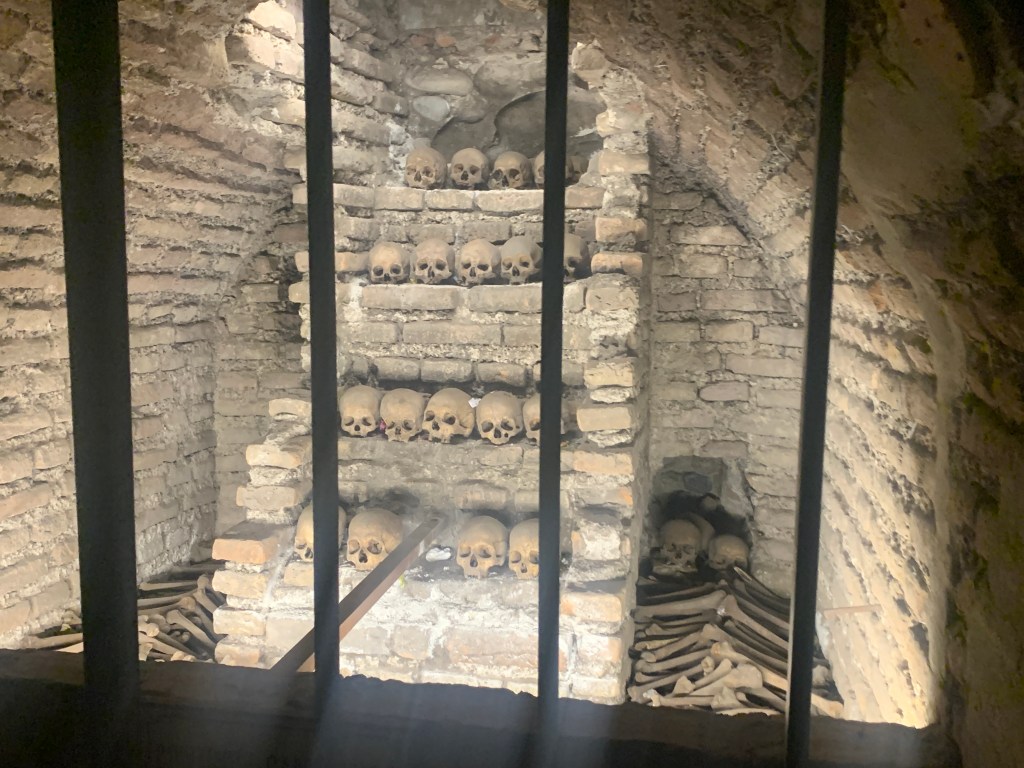
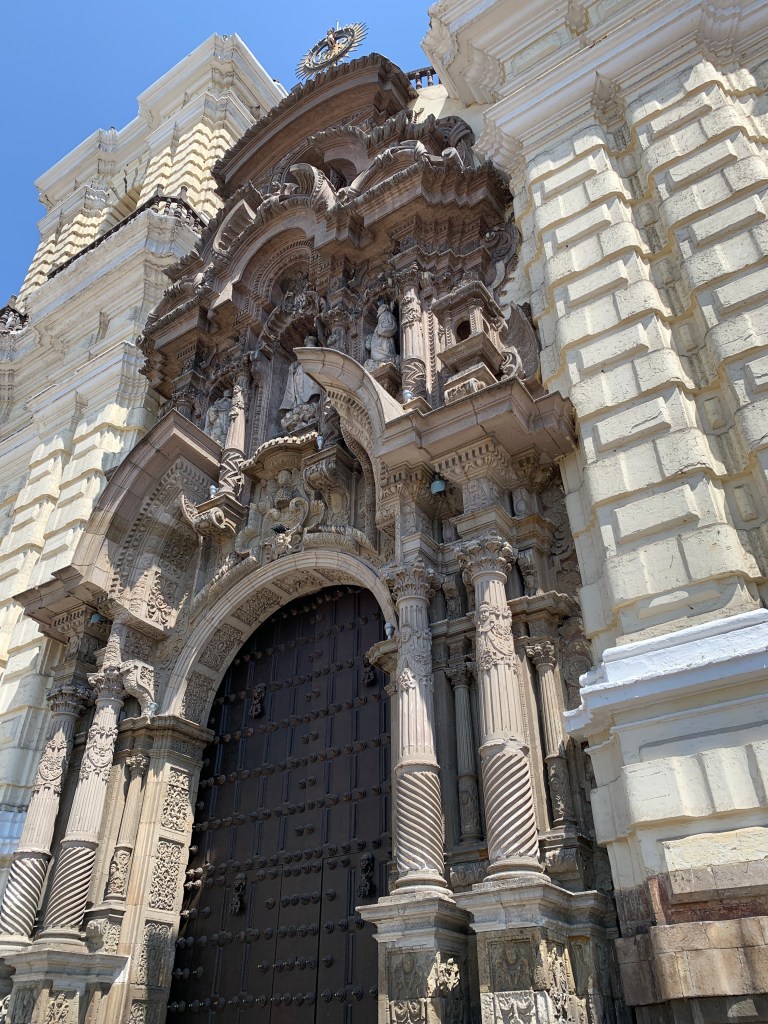
A visit to the Museo del Convento de San Francisco y Catacumbas brought a darker layer of history. Beneath the convent lie catacombs that once served as Lima’s main burial site during the colonial era. Thousands of bones are arranged with unsettling precision, reflecting both religious beliefs and limited burial space at the time. Above ground, the Basilica of Saint Francis and the adjacent Plaza Mayor de San Francisco stood calm and sunlit, masking what lies below.
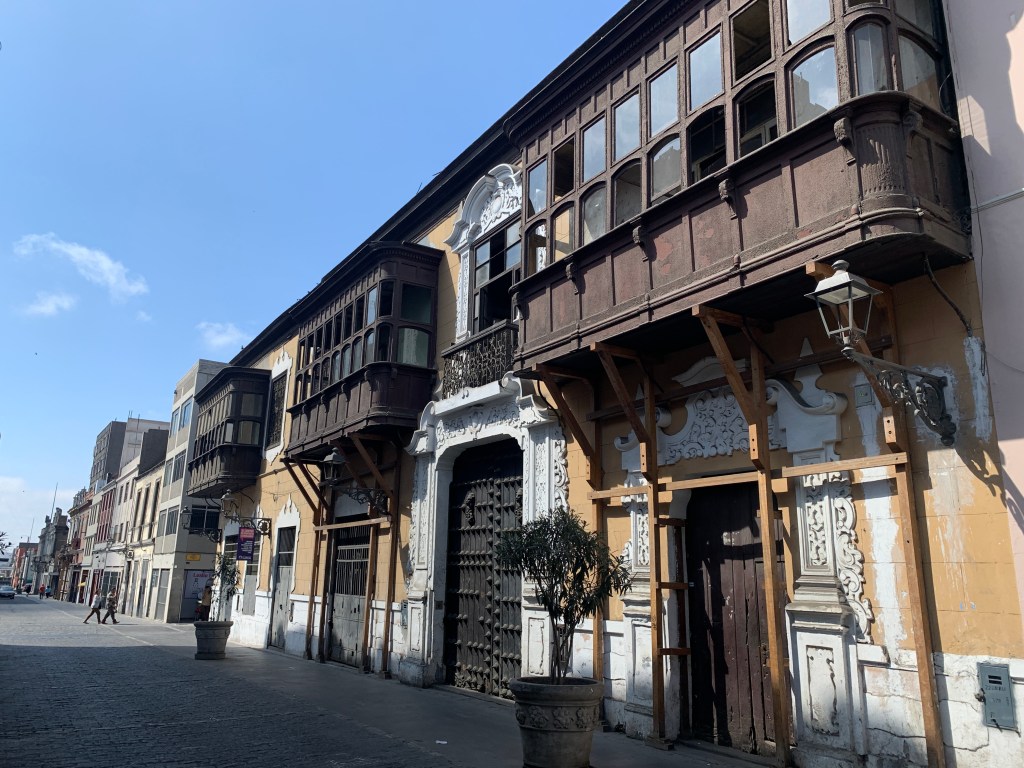
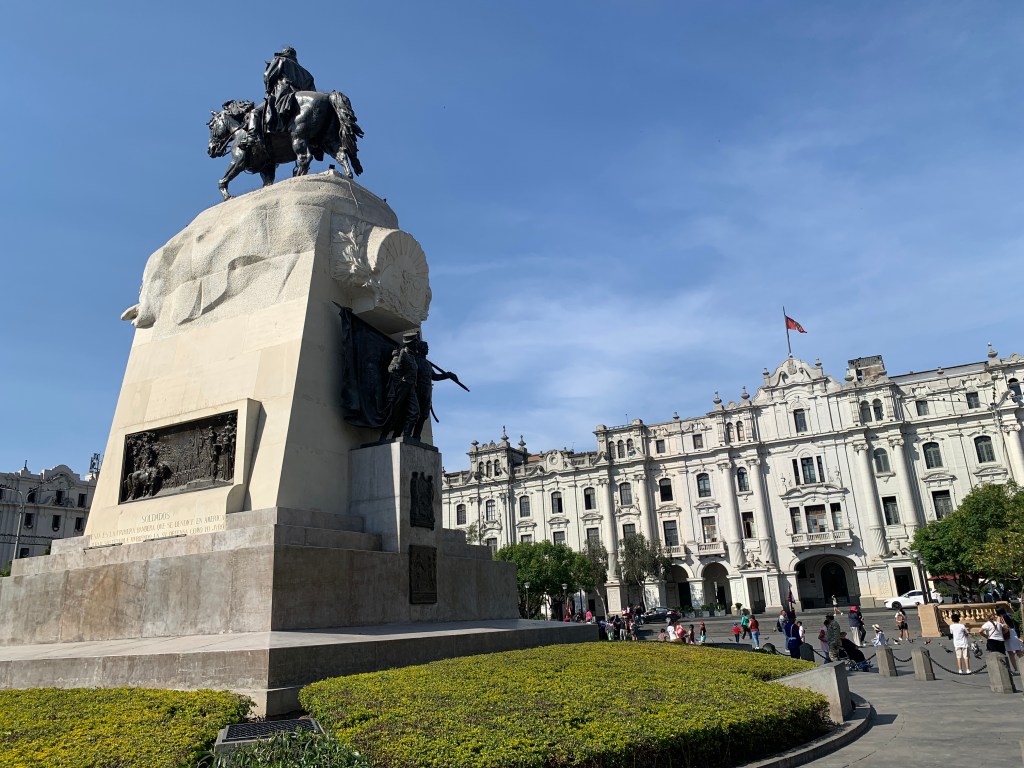
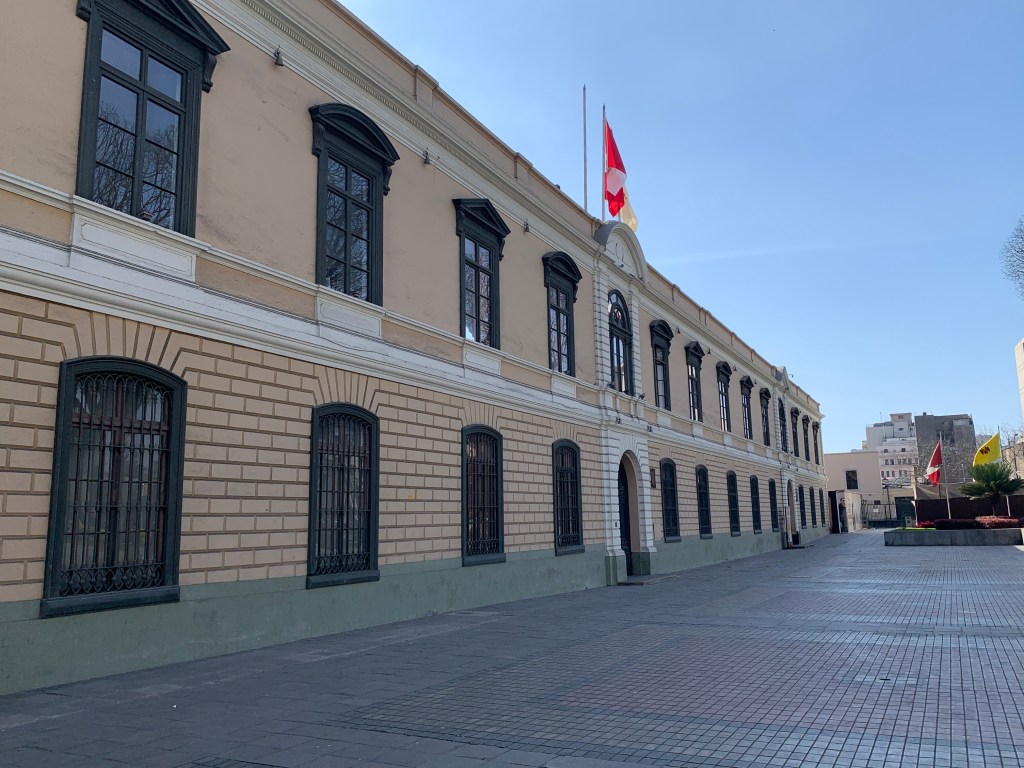
The nearby Church of La Merced displayed ornate religious art, while the Palacio de Torre Tagle impressed with its carved wooden balconies, a fine example of colonial residential architecture. At San Martin Square, named for the leader of Peru’s independence movement, the mood shifted to one of civic pride and reflection.
Later, I passed through Chinatown, a reminder of the Chinese migration that reshaped Peruvian culture and cuisine in the 19th century. I ended the day near Plaza Grau, honoring a naval hero whose legacy still resonates.










 yimga.blog
Leave a comment