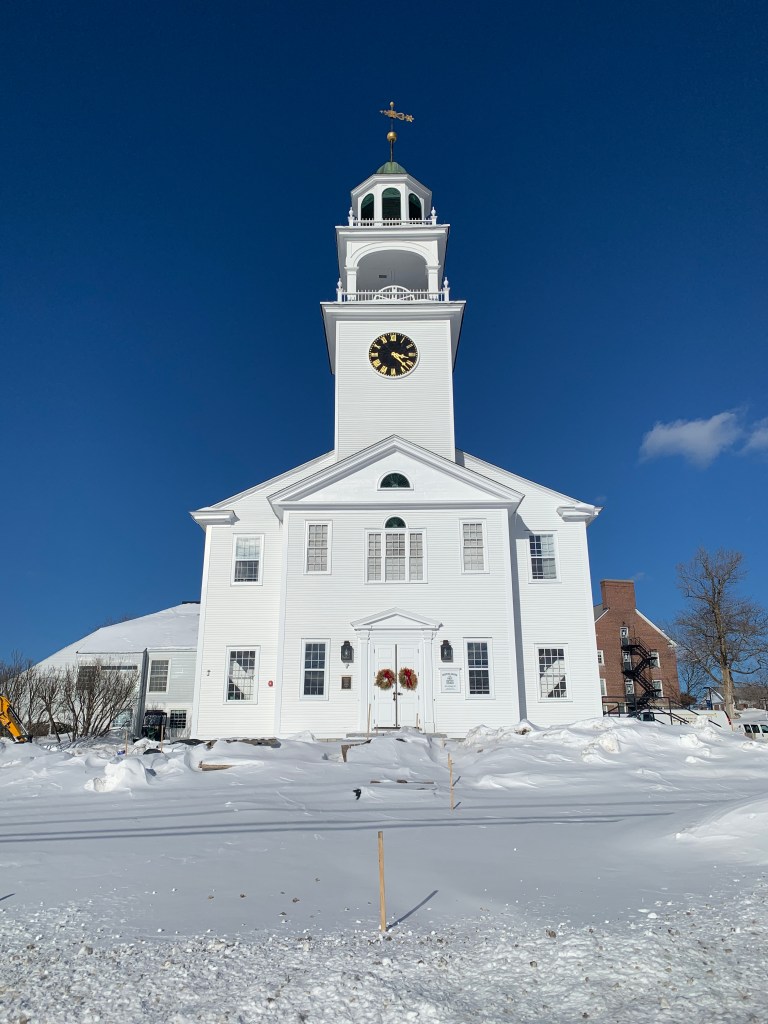
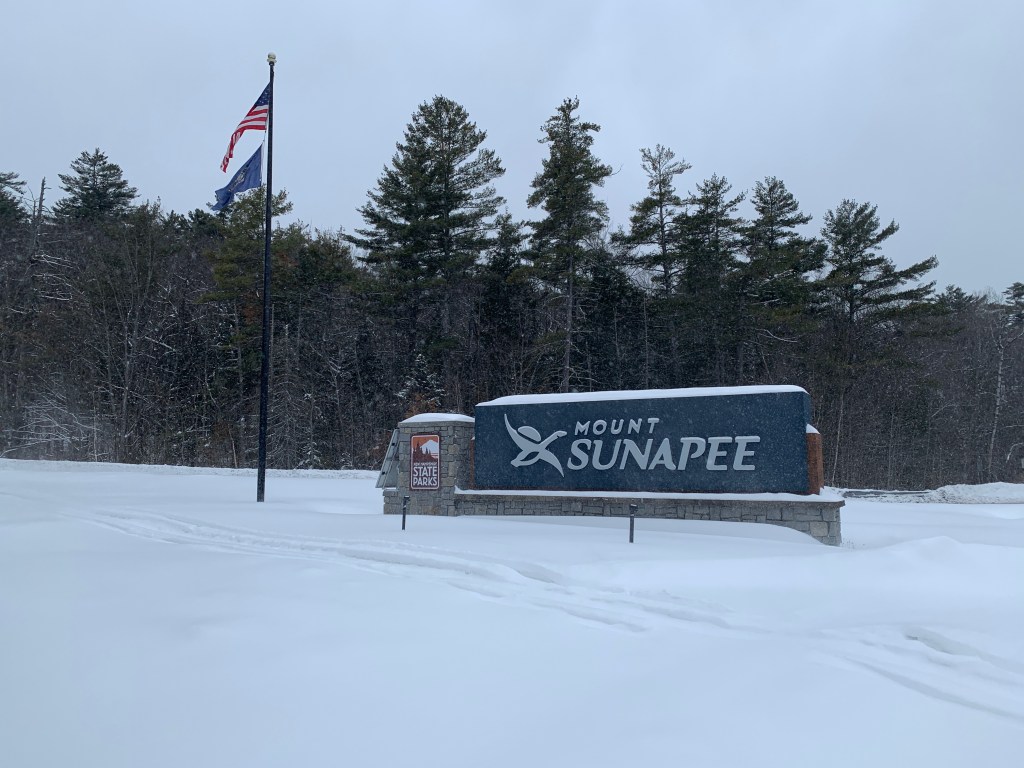
Sunlight poured over New London, New Hampshire, reflecting sharply off fields of fresh snow and casting long shadows across the hills. The air carried that clean winter clarity that makes every ridge line appear closer than it is. From the slopes of Mount Sunapee, skiers carved bright arcs into the white terrain, the summit offering sweeping views of frozen forests and distant peaks. Established as a ski area in 1948, Mount Sunapee has grown from a small rope tow operation into one of New Hampshire’s premier winter recreation sites.
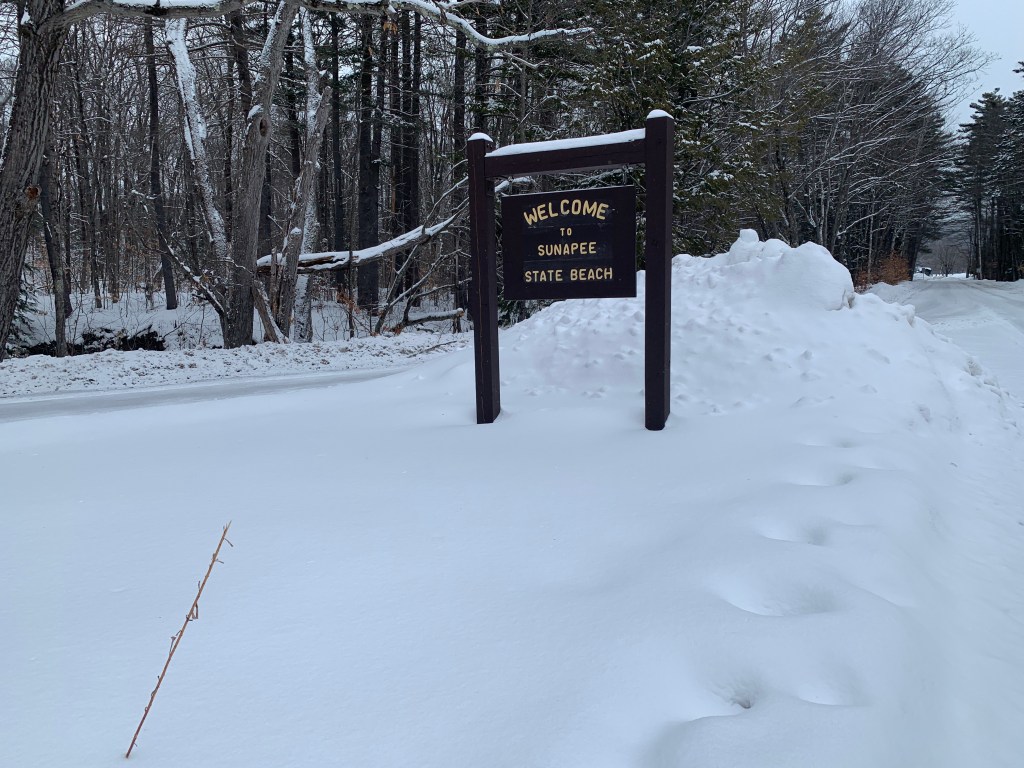
Mount Sunapee State Park lay quiet beneath deep snow, its trails transformed into corridors for snowshoers and cross-country skiers. The park’s land was once part of a much larger forest reserve movement in the early twentieth century, reflecting New Hampshire’s commitment to conserving public lands for recreation and watershed protection. That foresight is evident in the pristine shoreline of Lake Sunapee, now entirely snow-covered, appearing more like an open tundra than a lake. Formed by glacial retreat thousands of years ago, Lake Sunapee reaches depths of over 100 feet and has long attracted visitors seeking respite from city life.
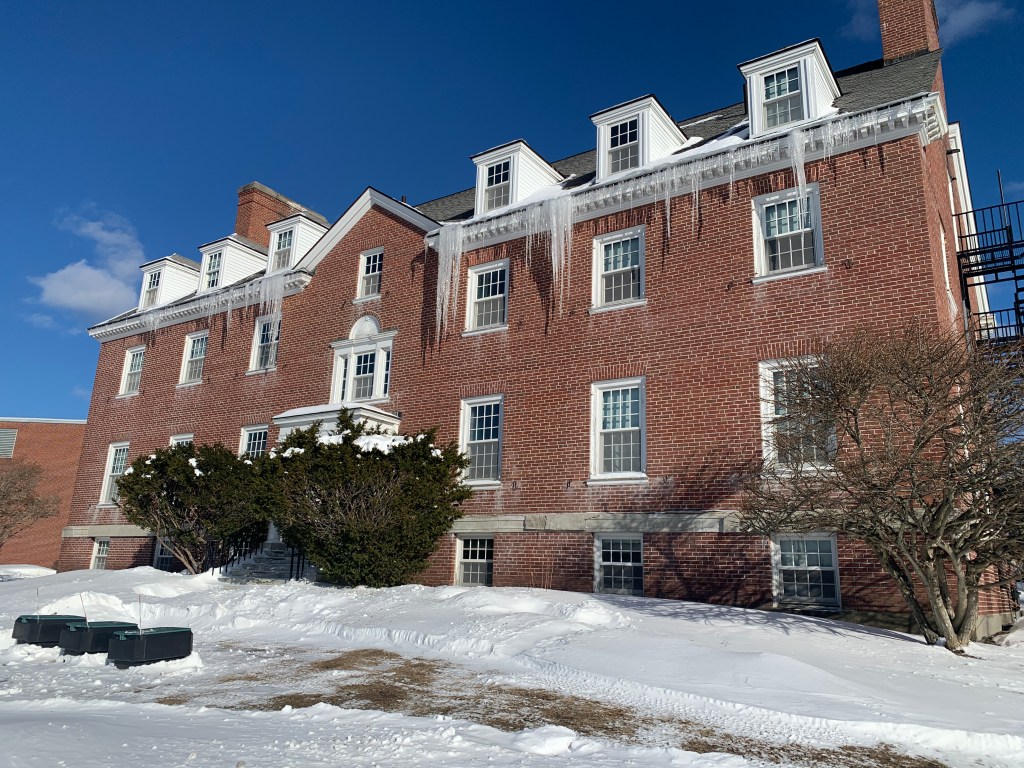
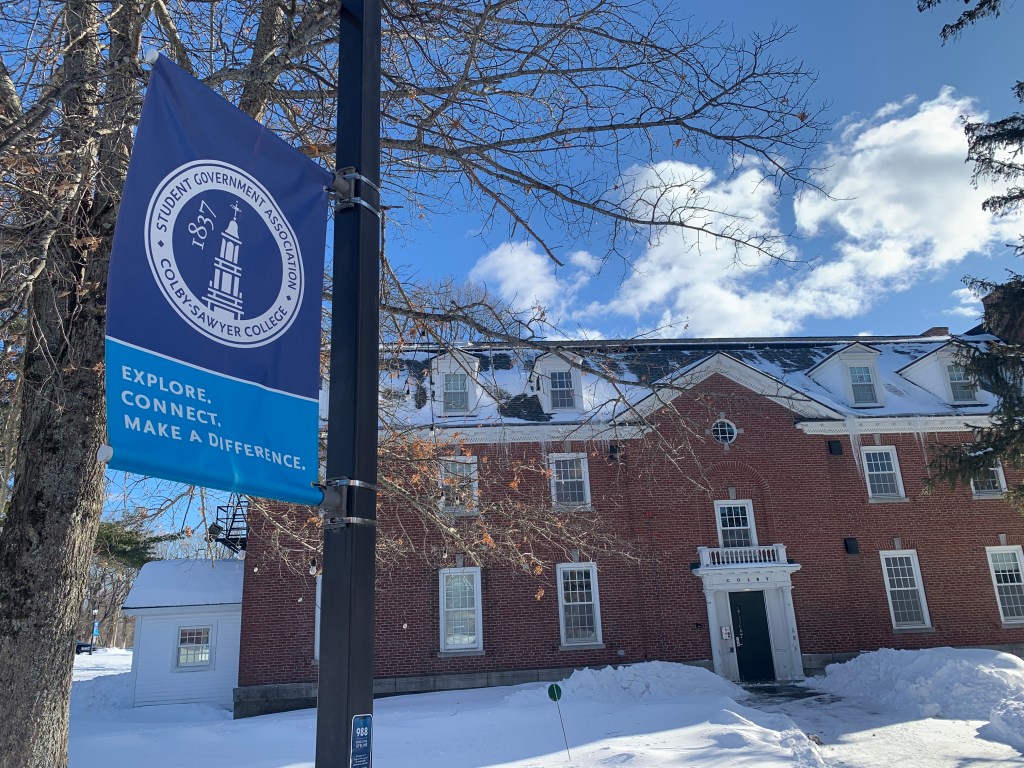
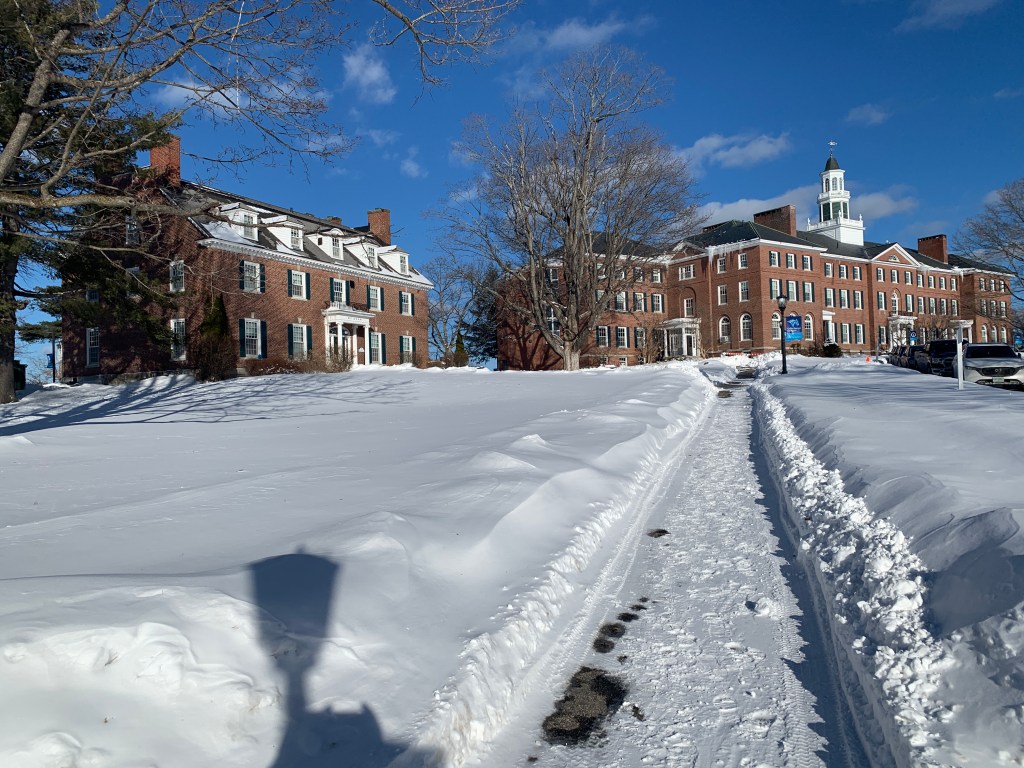
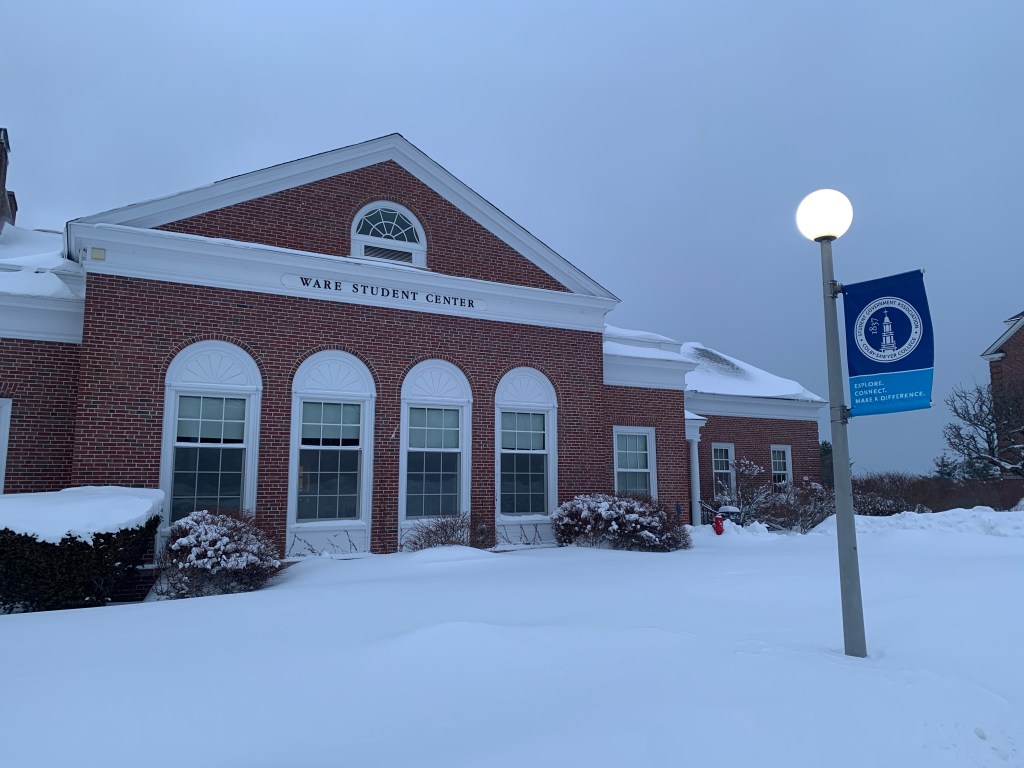
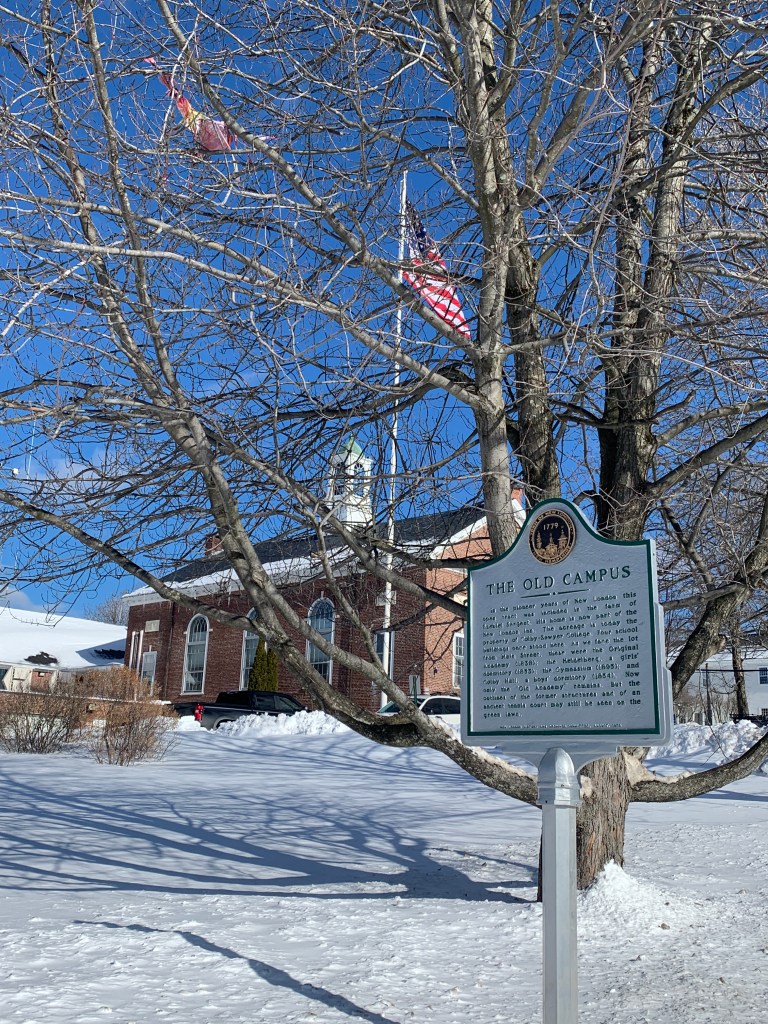
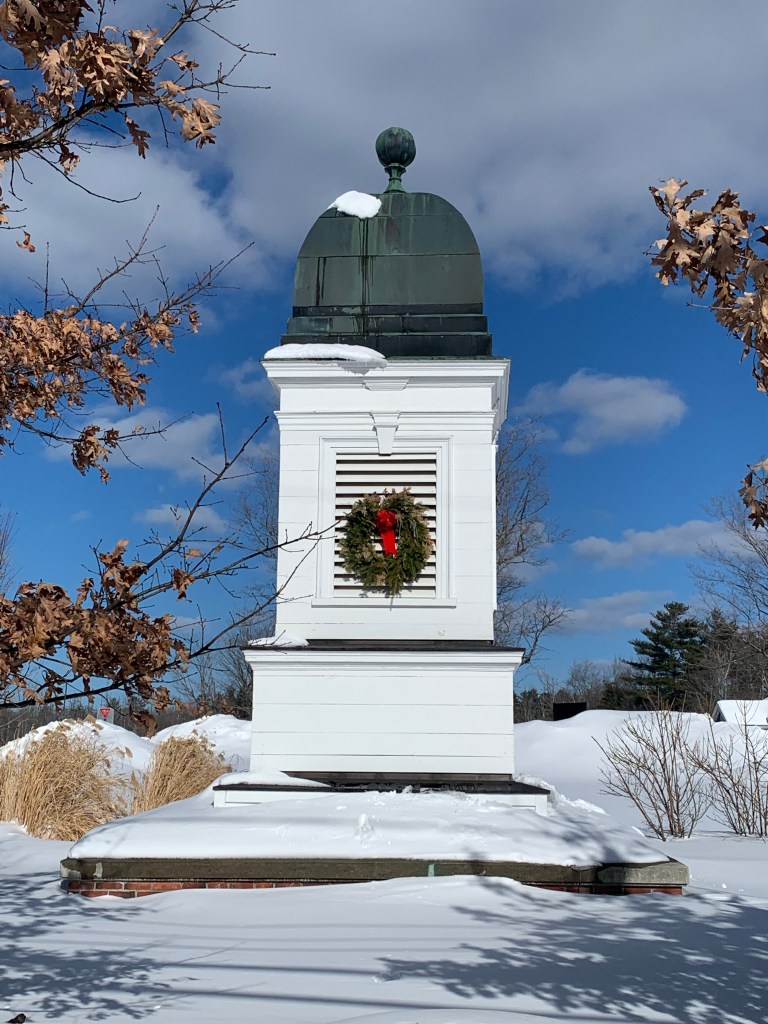
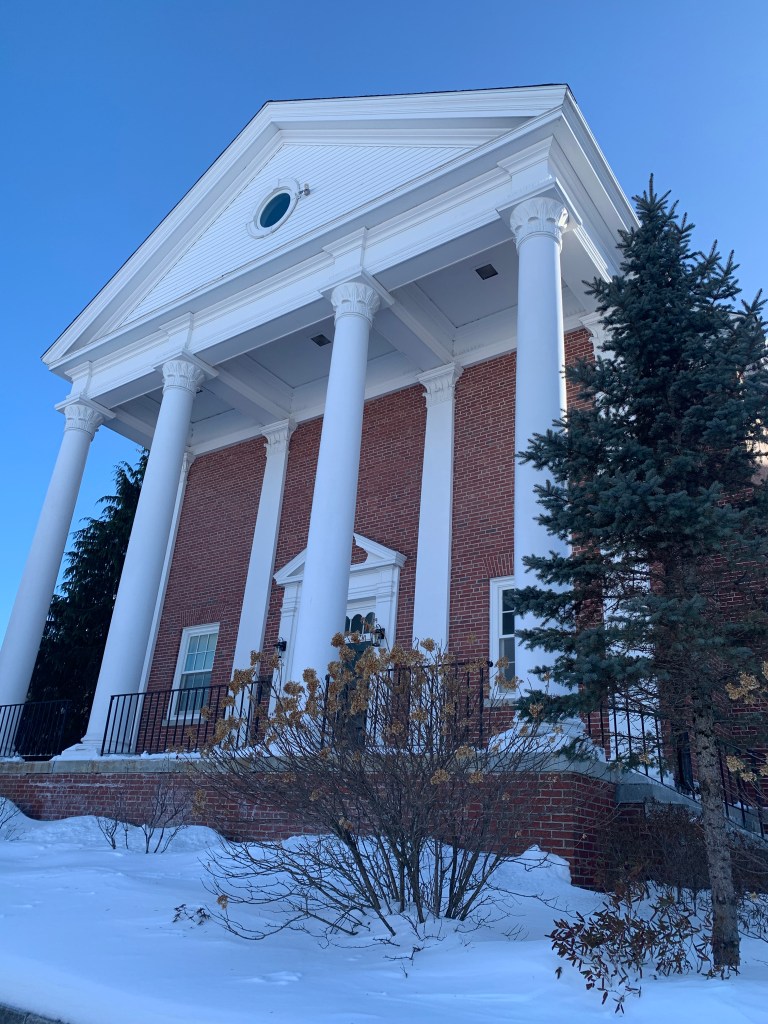
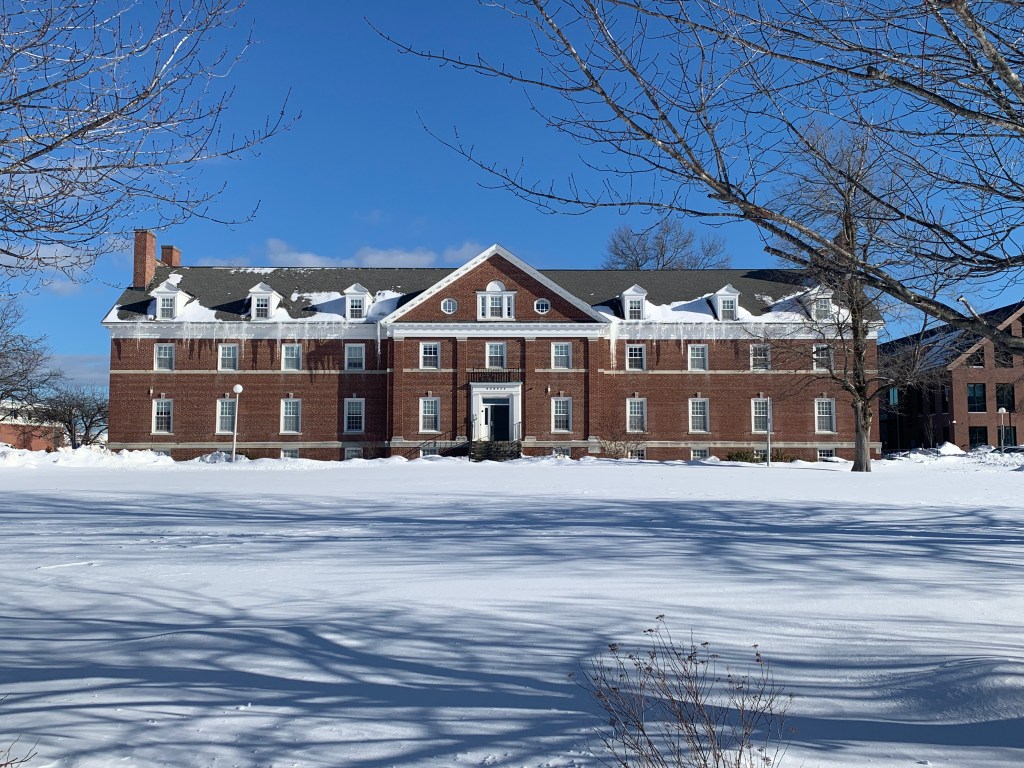
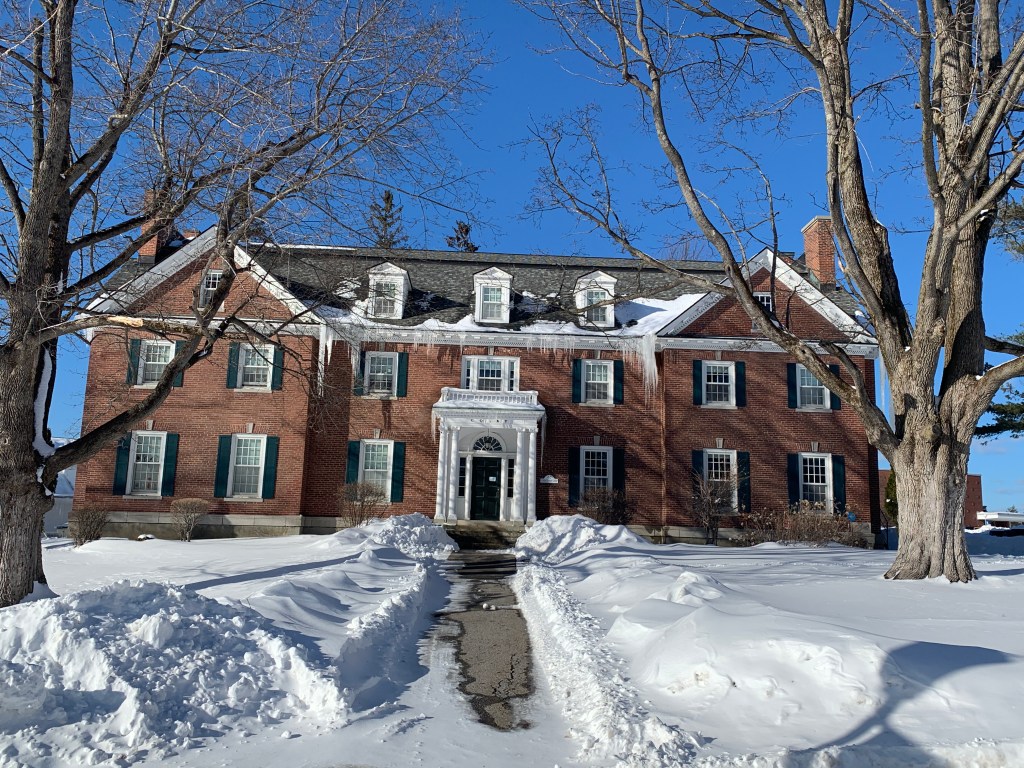
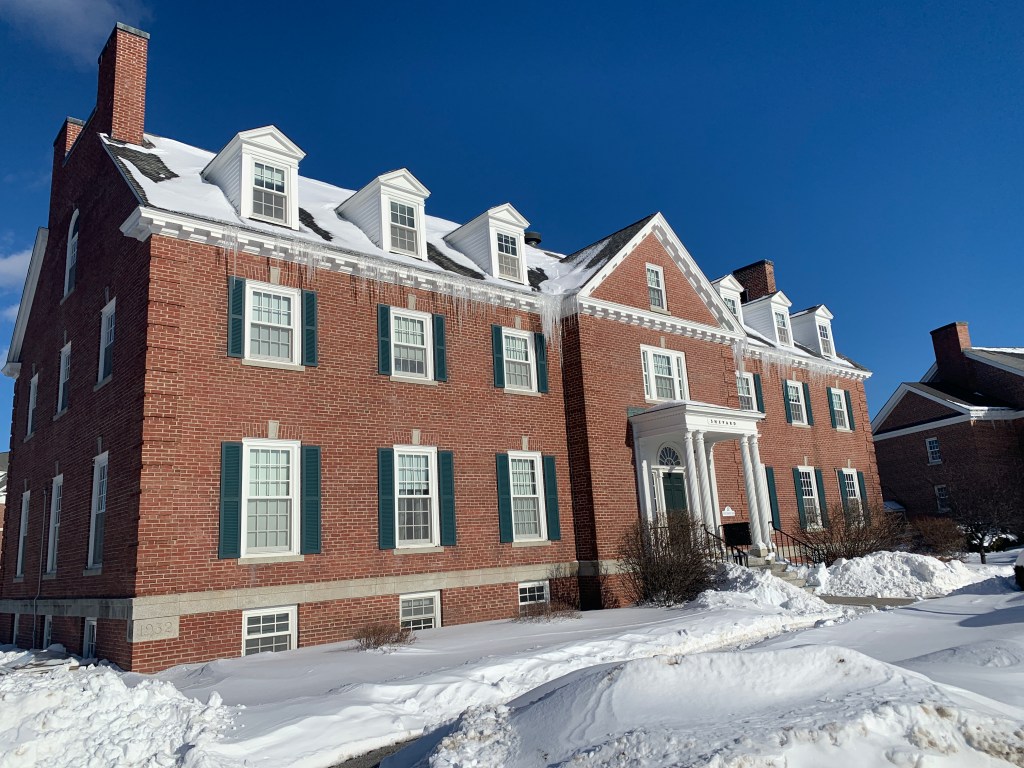
A walk through the campus of Colby-Sawyer College revealed brick buildings framed by frost and tall pines. Founded in 1837 as New London Academy, the institution began as a coeducational academy before evolving into a respected liberal arts college. Its long history mirrors the town’s steady development from rural settlement to educational center.
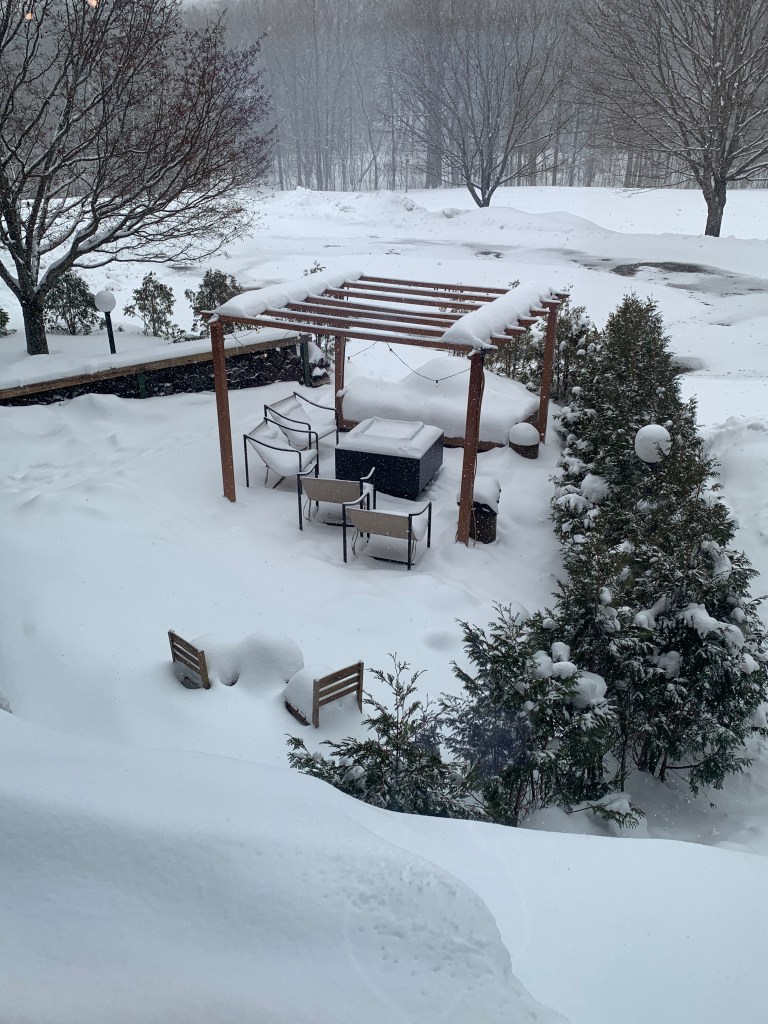
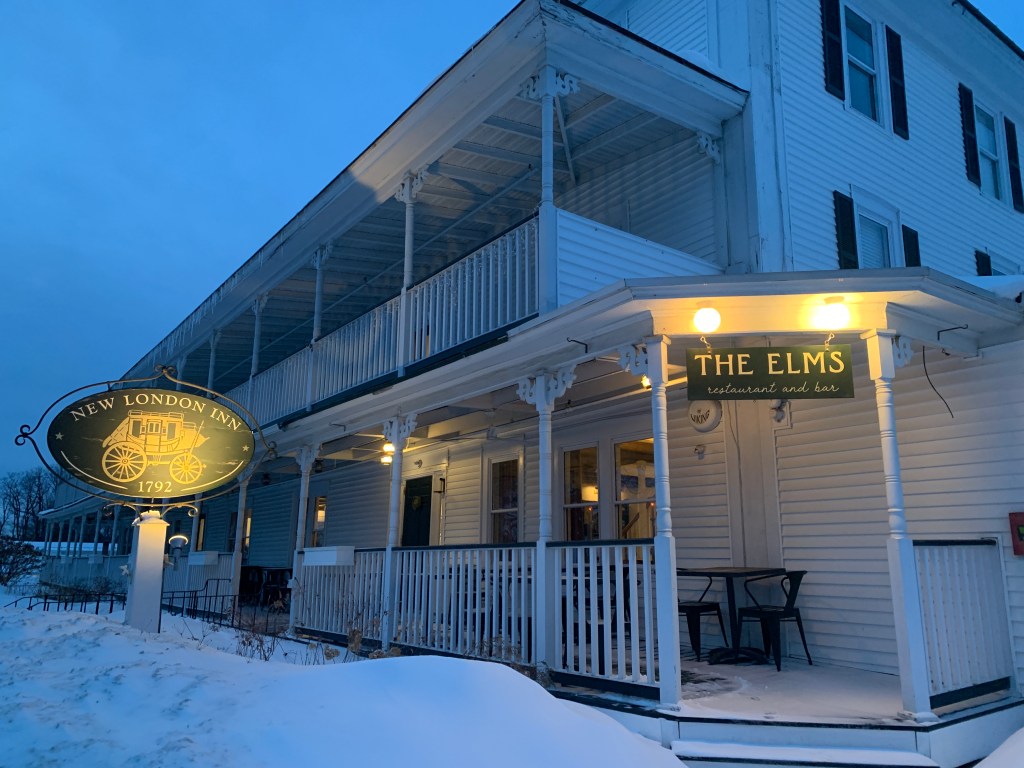
Evenings were spent at the New London Inn, whose origins trace back to 1792 when it served stagecoach travelers. Sitting by the fireplace after crisp days outdoors, it was easy to imagine earlier guests arriving by carriage rather than car, seeking warmth after traversing the same snow-laden landscape.

 yimga.blog
Leave a comment