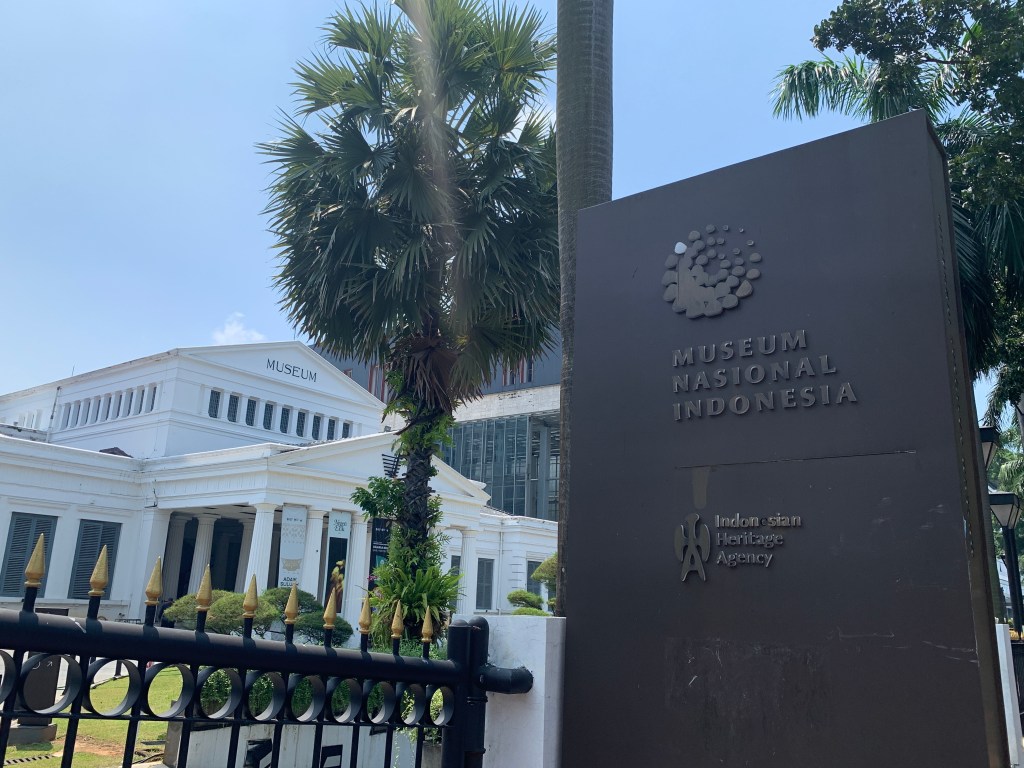
Humidity settles over Jakarta in a way that feels constant, wrapping the city in warmth as movement never seems to pause. The steps toward the National Museum of Indonesia ended in quiet disappointment, its doors closed for Eid Mubarak. Even so, the grounds hinted at its role as one of Southeast Asia’s most important museums, housing artifacts that trace Indonesia’s long and layered past.
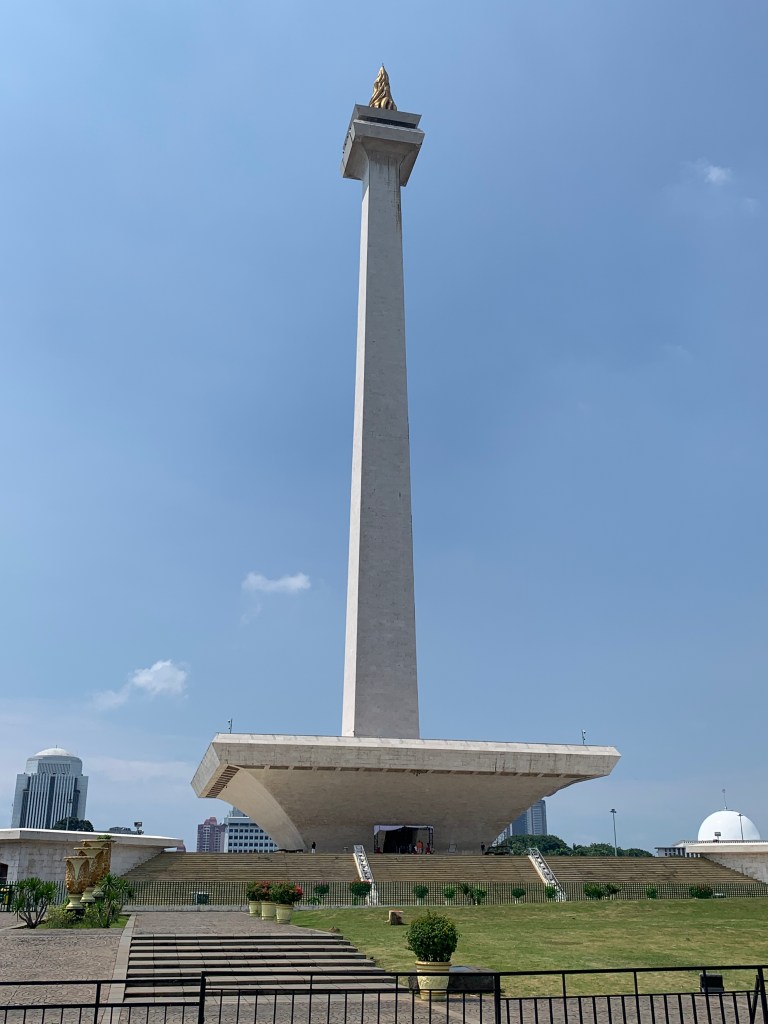
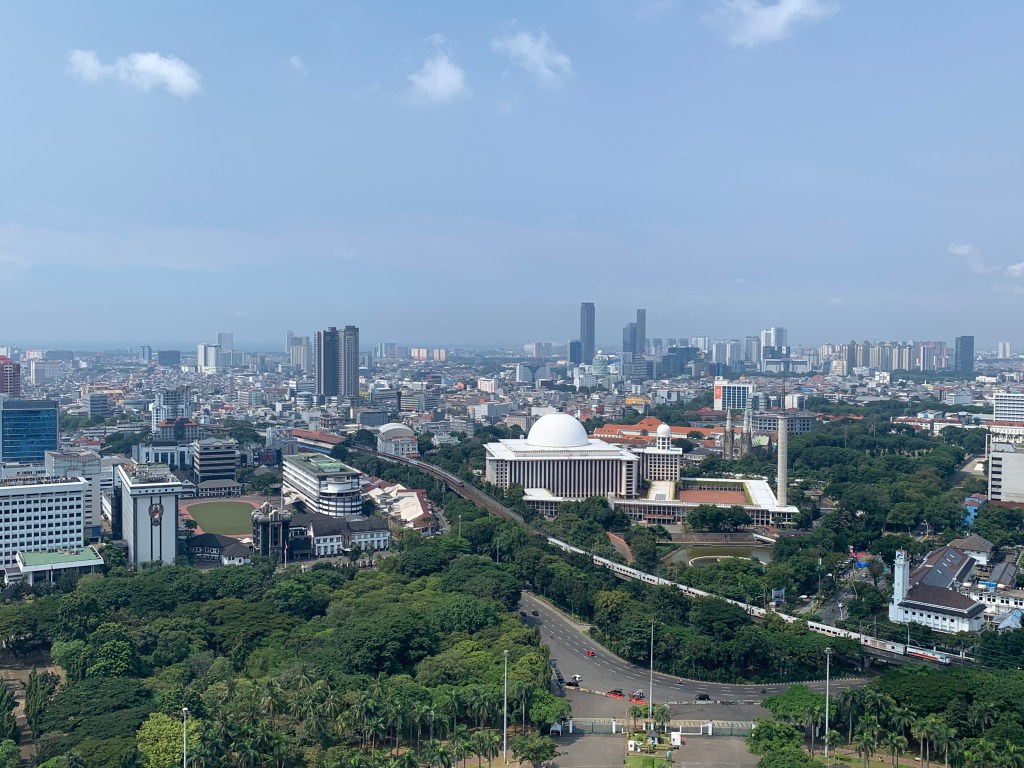
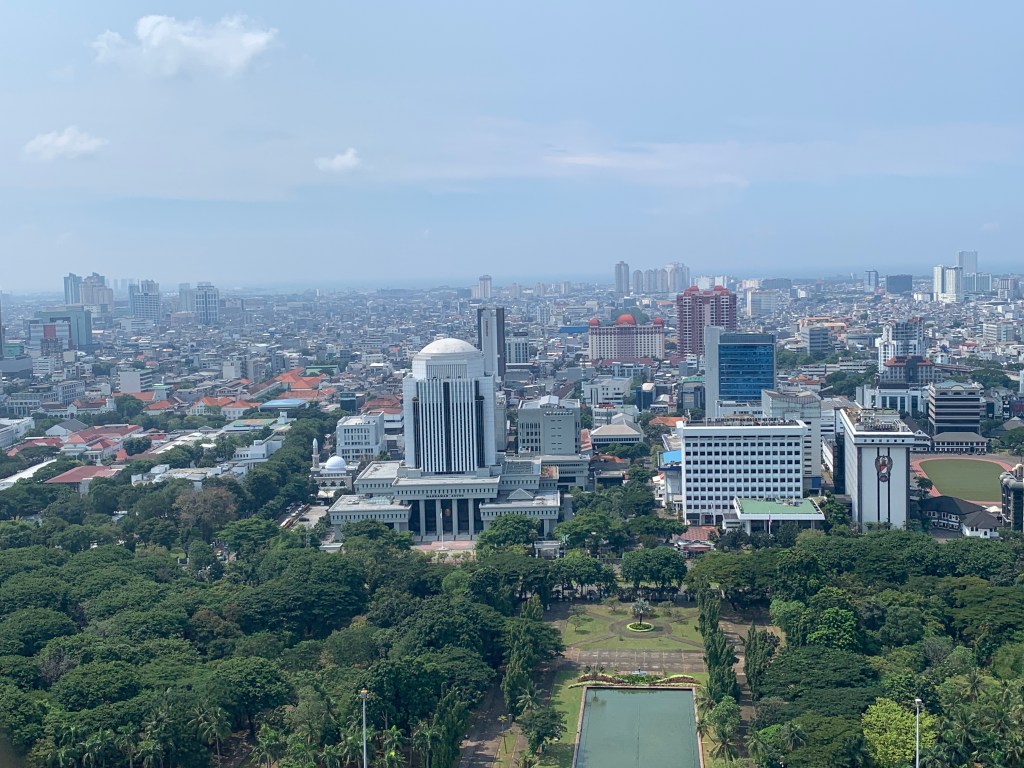
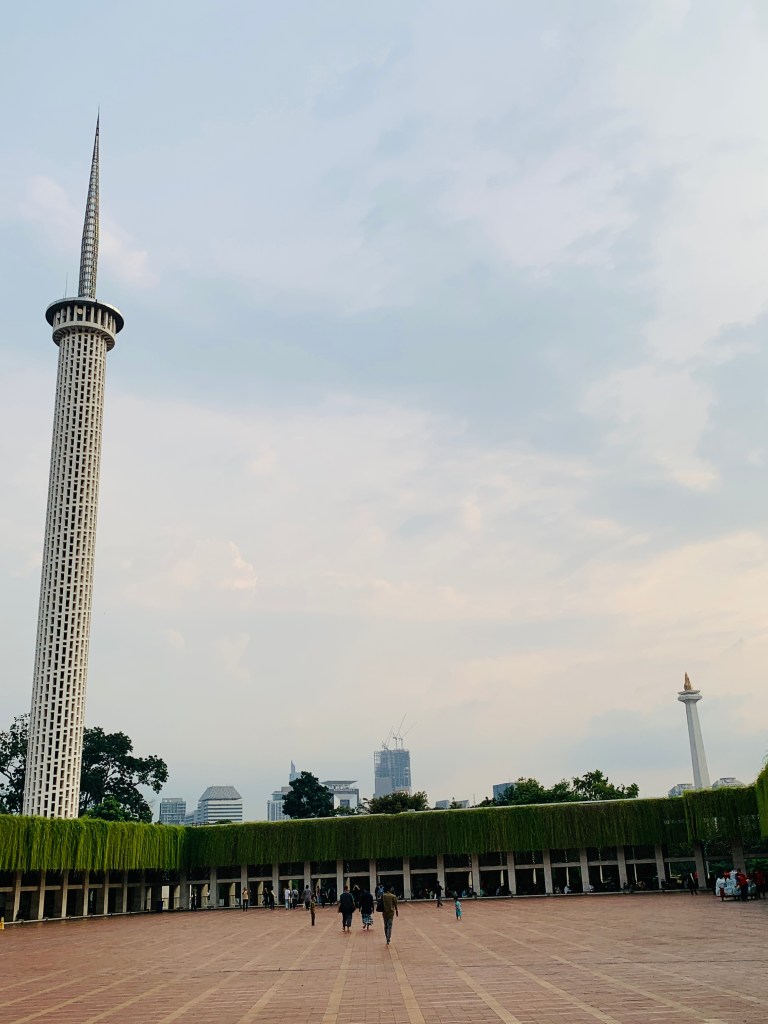
At the National Monument, the experience shifted. Rising 132 meters above the city, Monas was completed in 1975 to commemorate Indonesia’s struggle for independence. The climb to the top revealed a sweeping panorama, where dense neighborhoods, government buildings, and distant high-rises stretched in every direction.
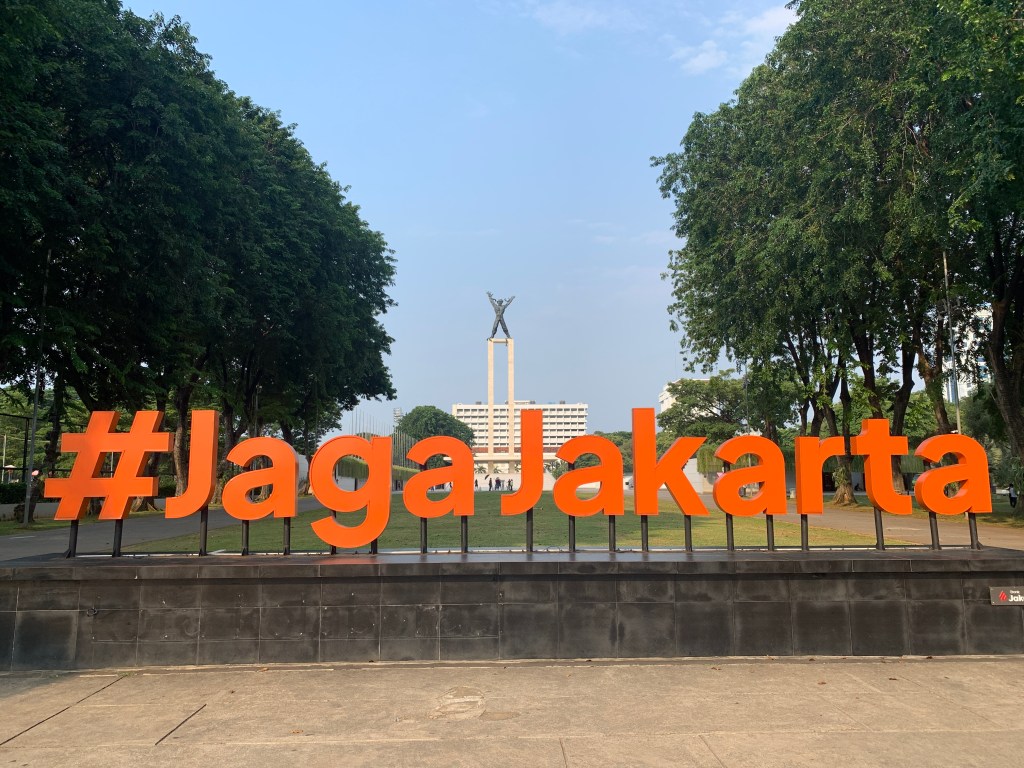
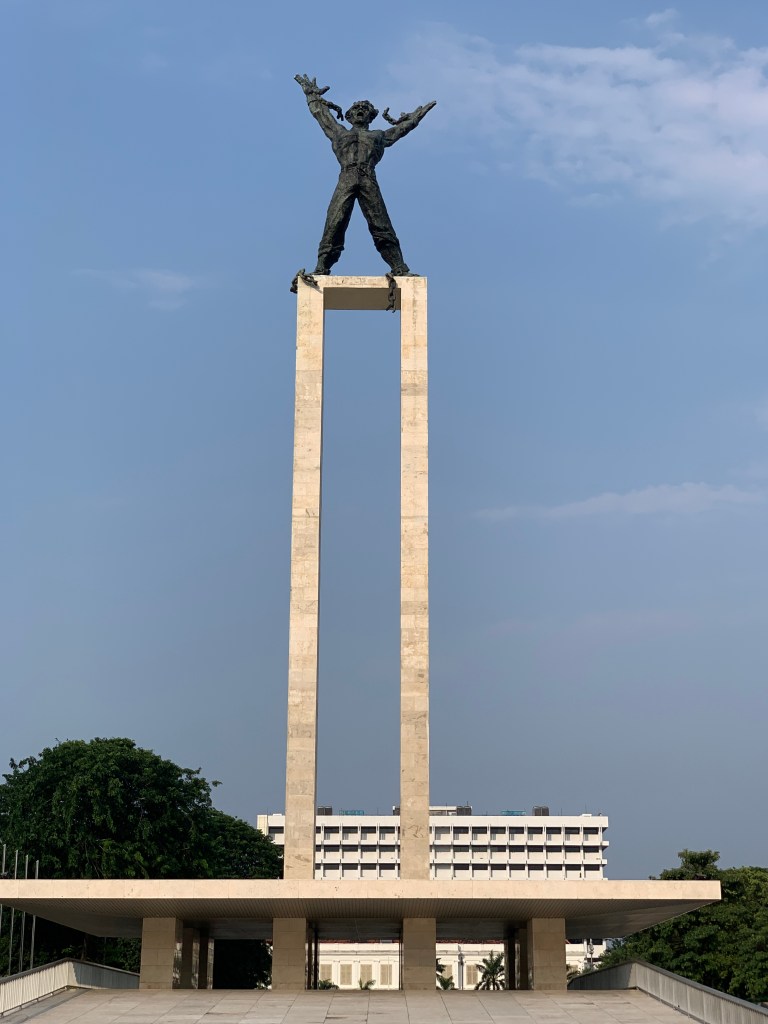
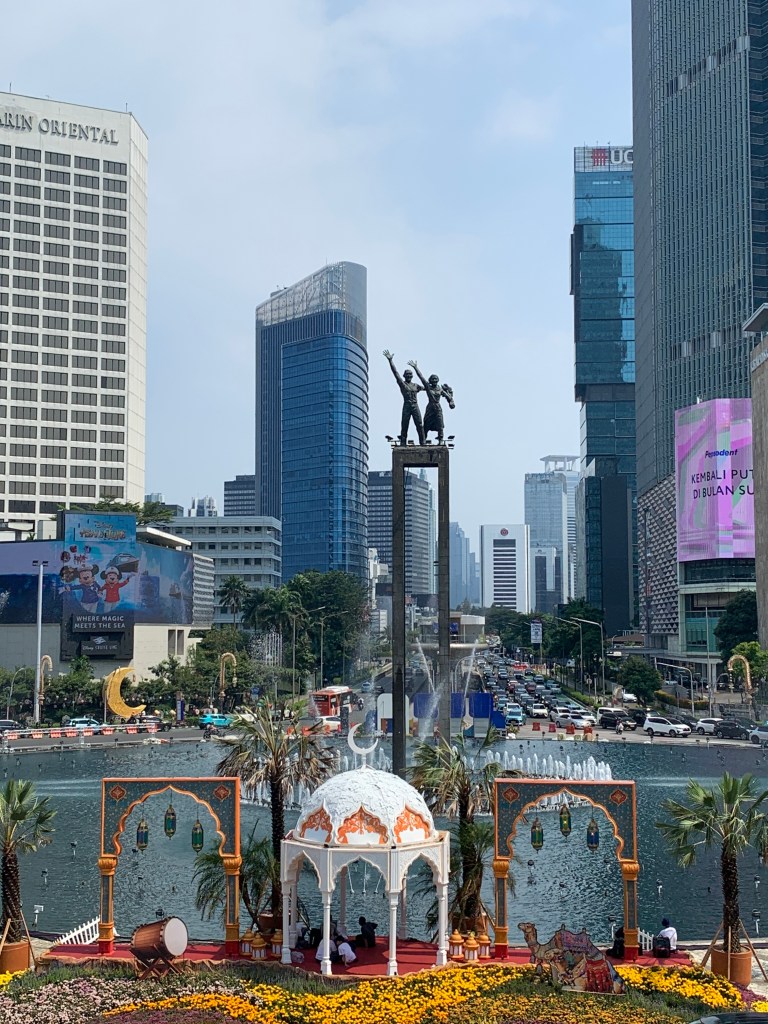
Nearby, Lapangan Banteng Park offered a quieter setting. The striking “Freedom” statue, showing a figure breaking chains, marks Indonesia’s liberation from colonial rule after centuries of Dutch control. It stands as a powerful visual reminder of resilience and change.
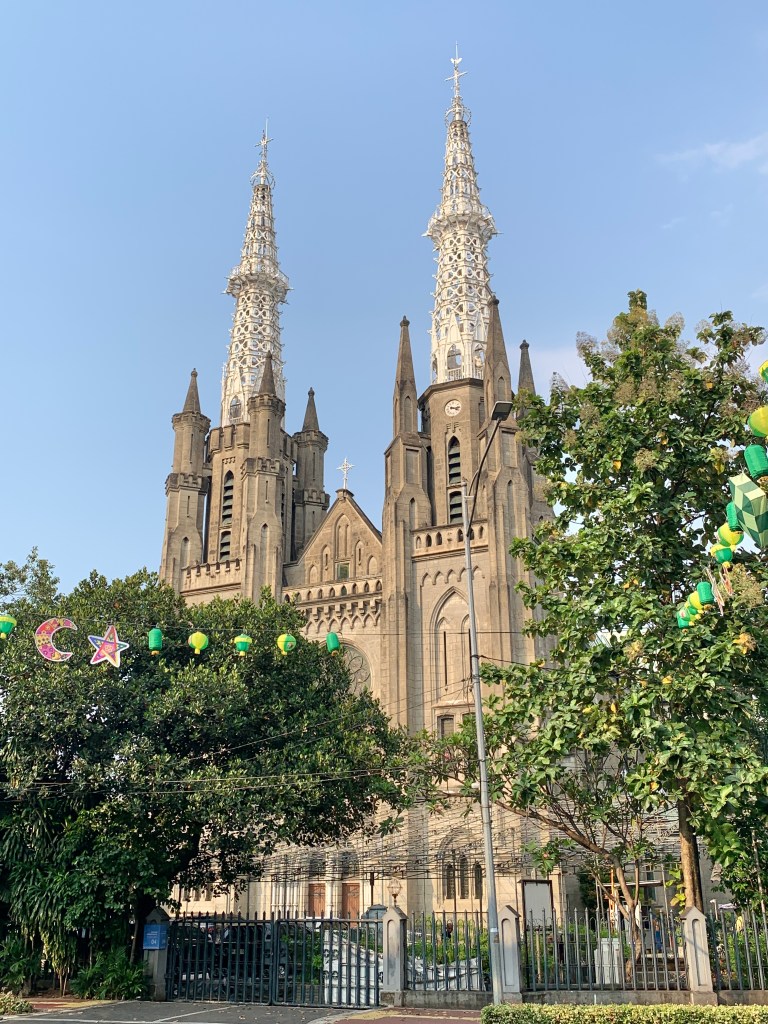
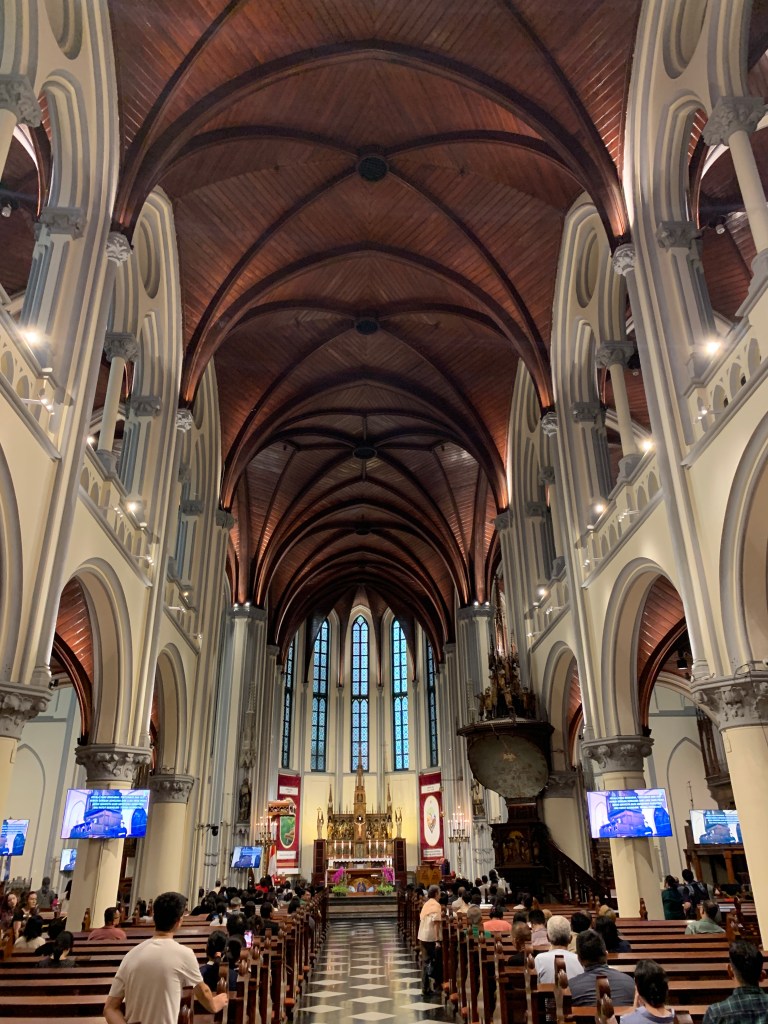
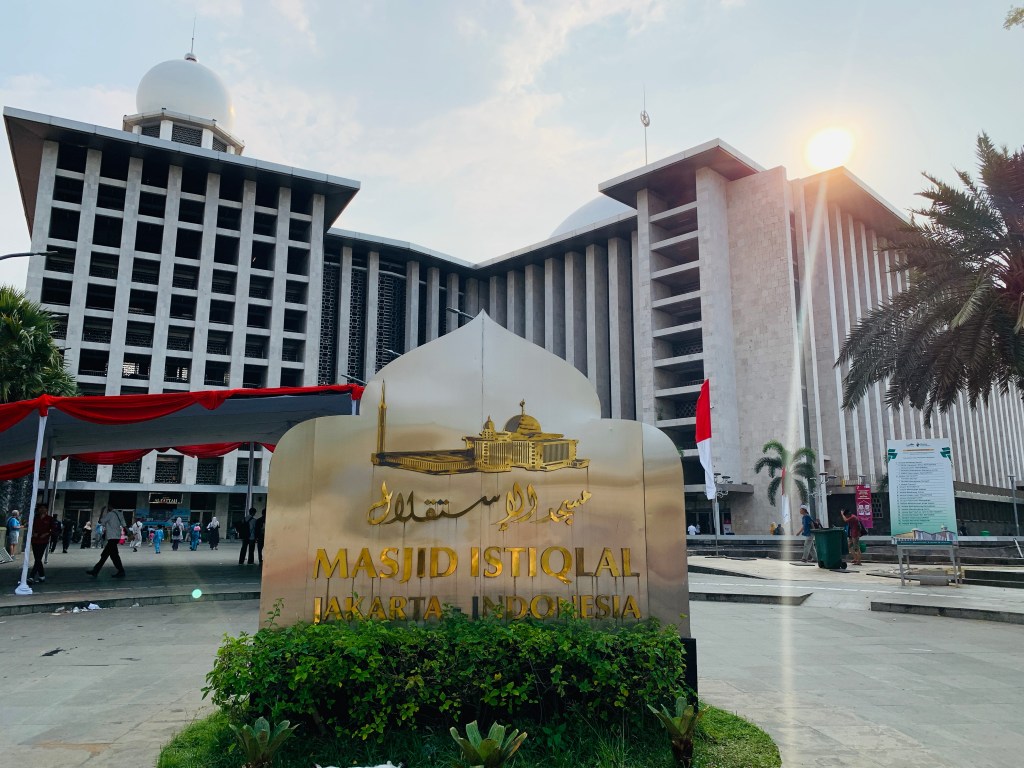
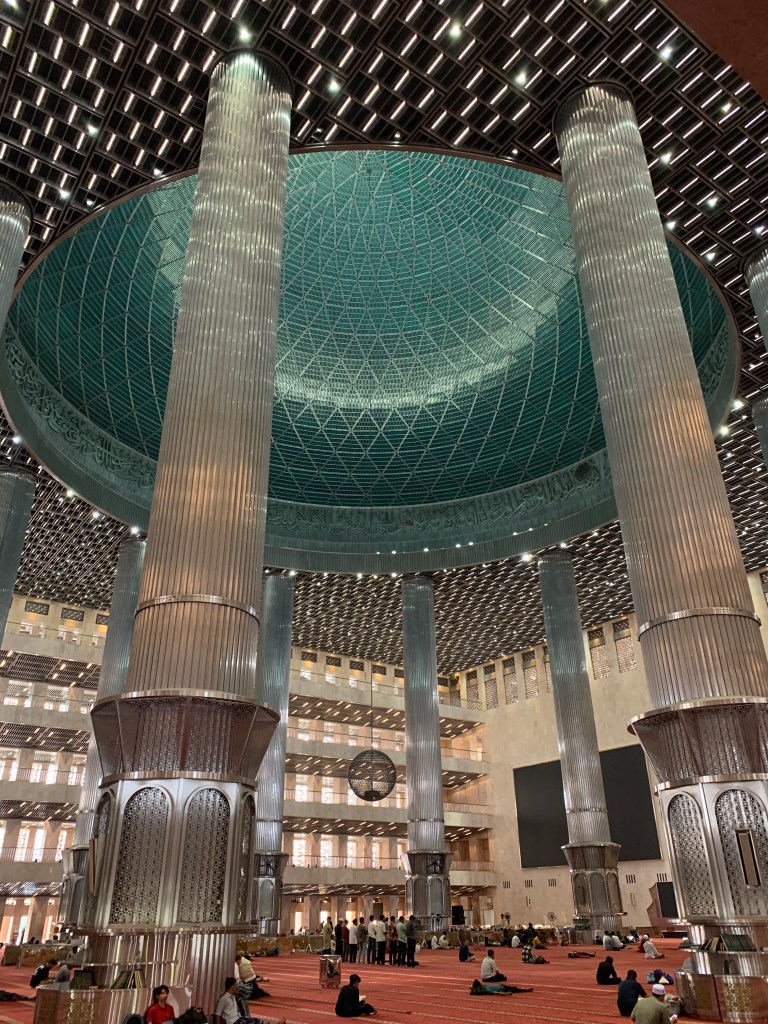
Inside the Istiqlal Mosque, the largest mosque in Southeast Asia, the atmosphere turned deeply reflective. Sitting on the carpet, still and grounded, created a rare pause in the city’s rhythm. Just across the street, the Church of Our Lady of the Assumption provided a contrasting but equally meaningful space. Built in 1901 during the Dutch colonial period, it reflects Jakarta’s diverse religious landscape, with both sites standing side by side in quiet coexistence.
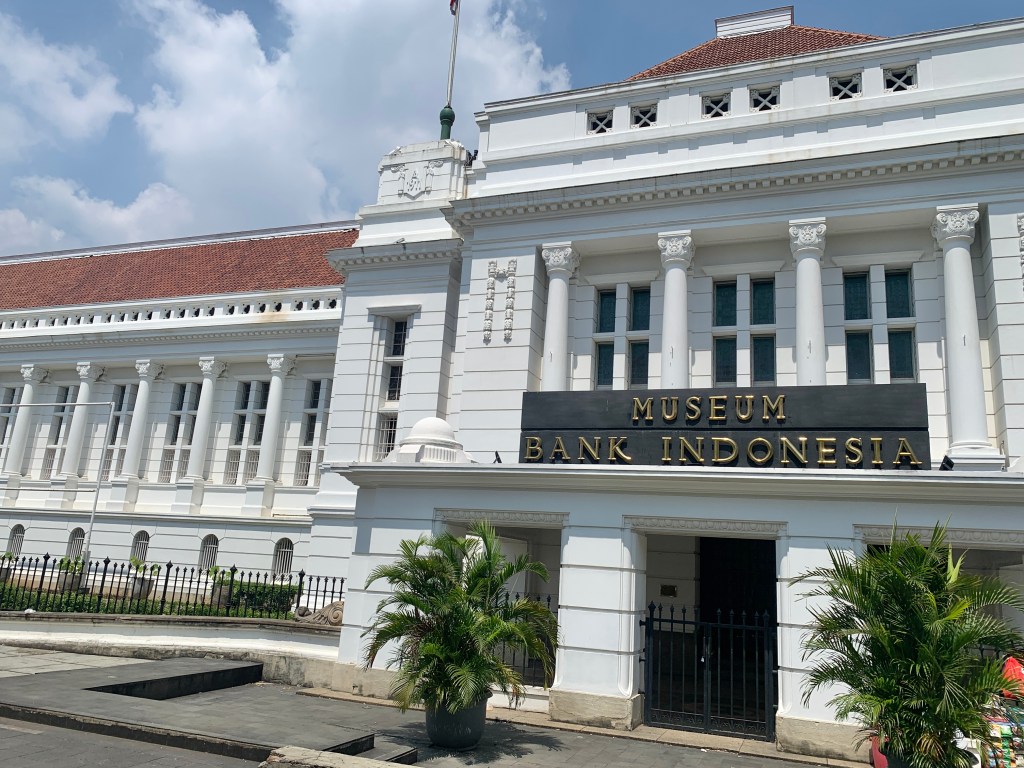
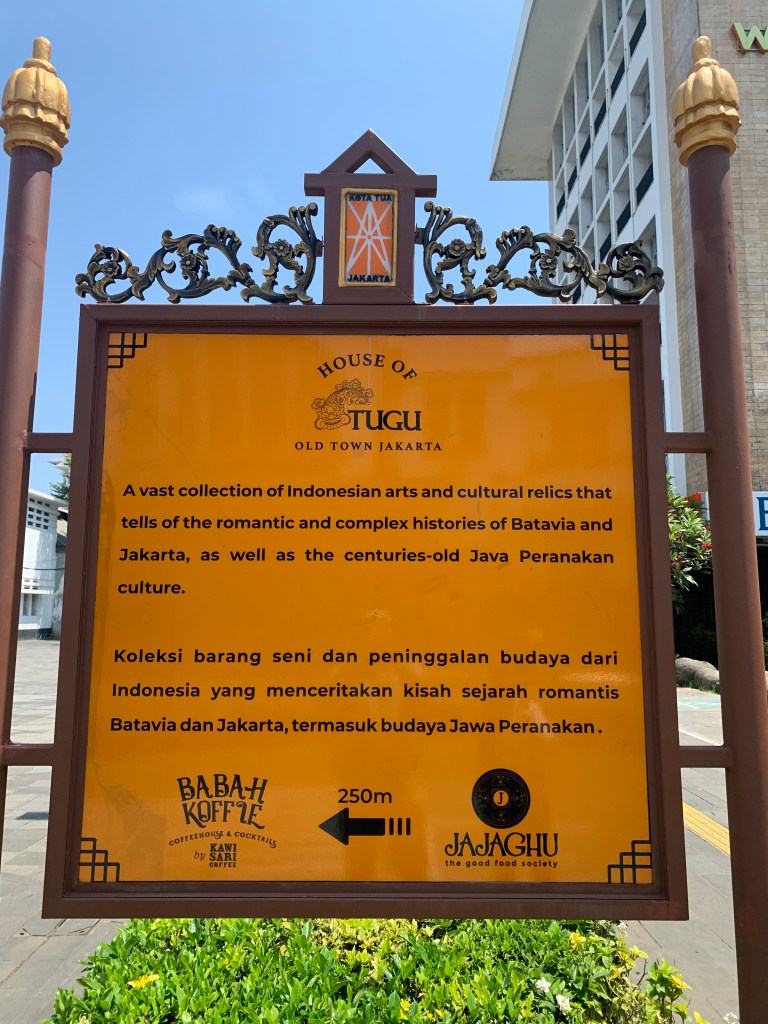
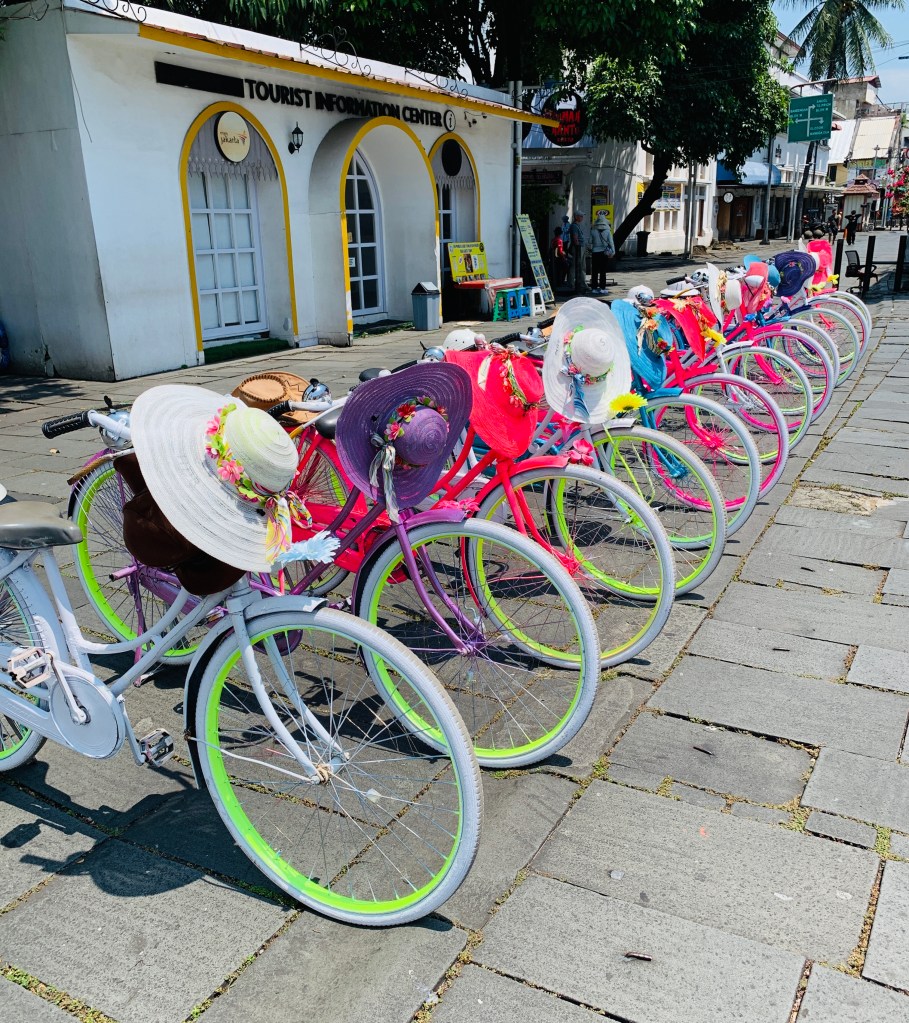
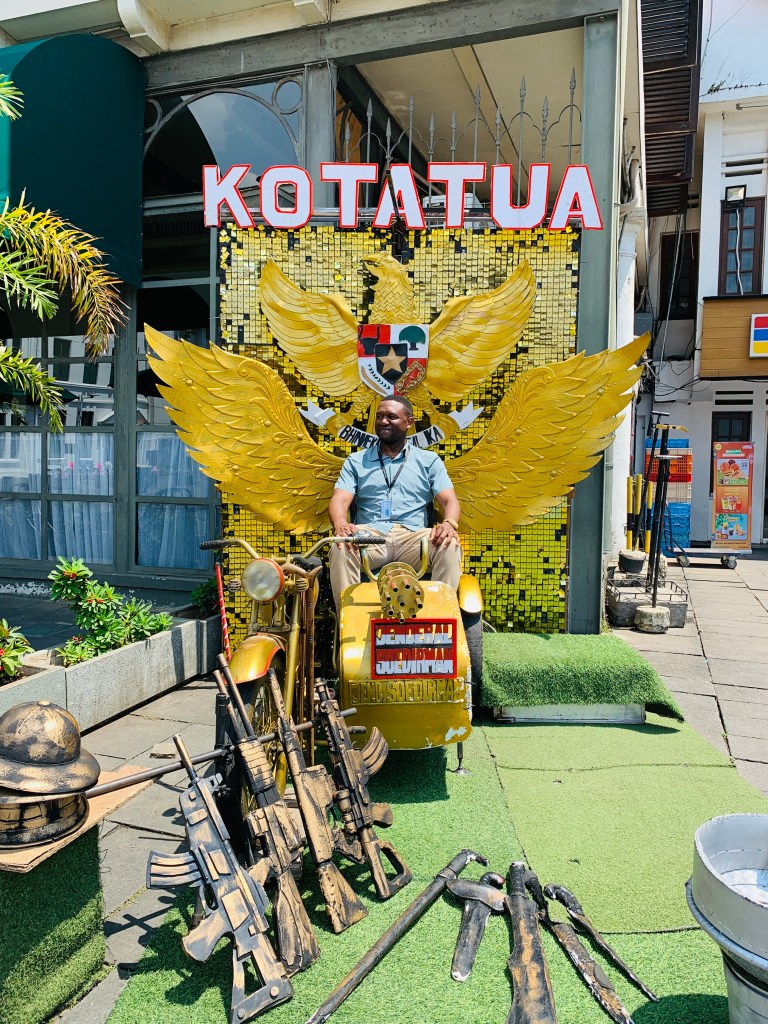
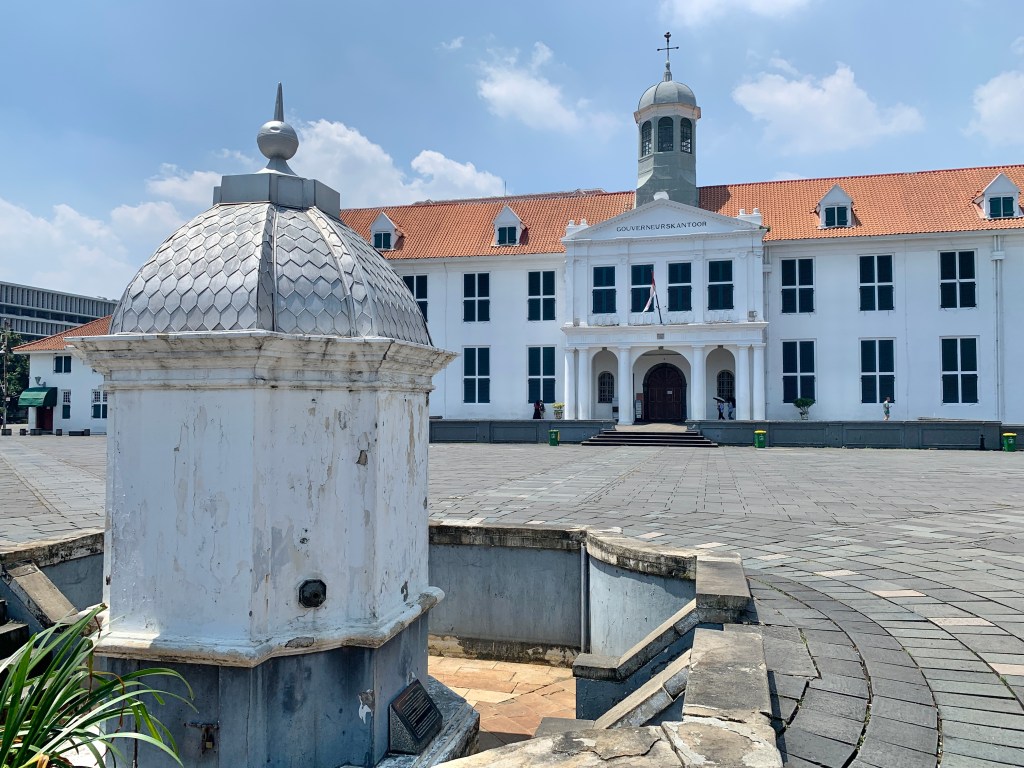
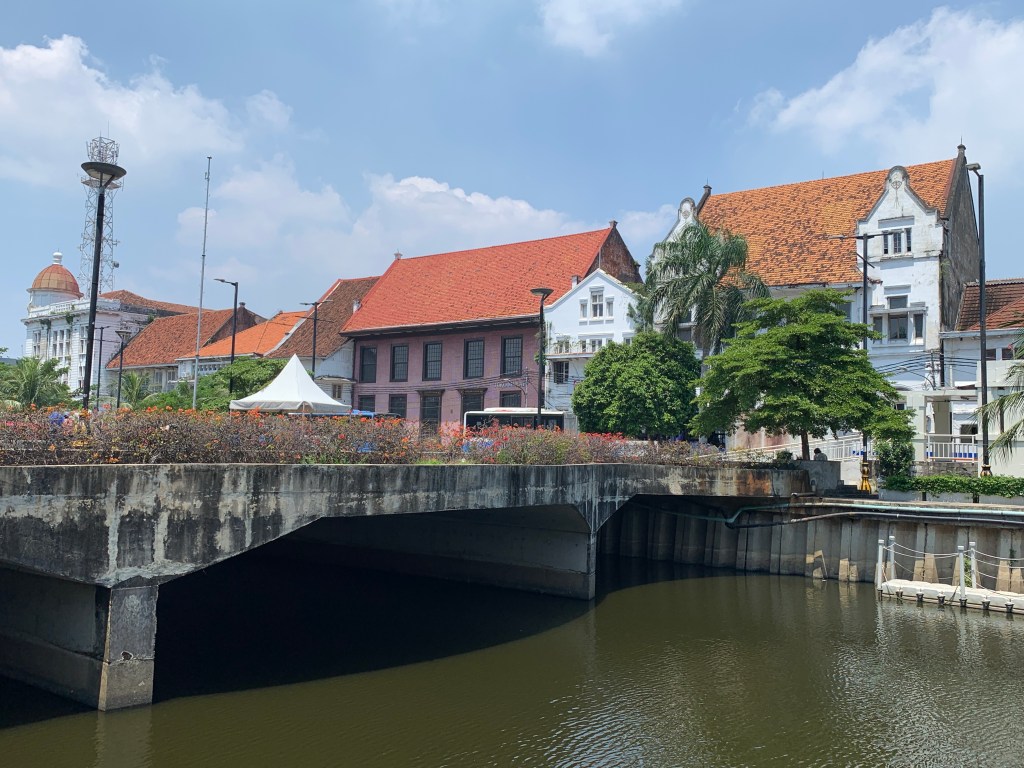
The following day shifted to Kota Tua Jakarta, where colonial buildings and cobblestone squares recall Batavia, the name used during Dutch rule. Returning later to the modern pace of Sarinah, the contrast between past and present became unmistakable.
 yimga.blog
Leave a comment