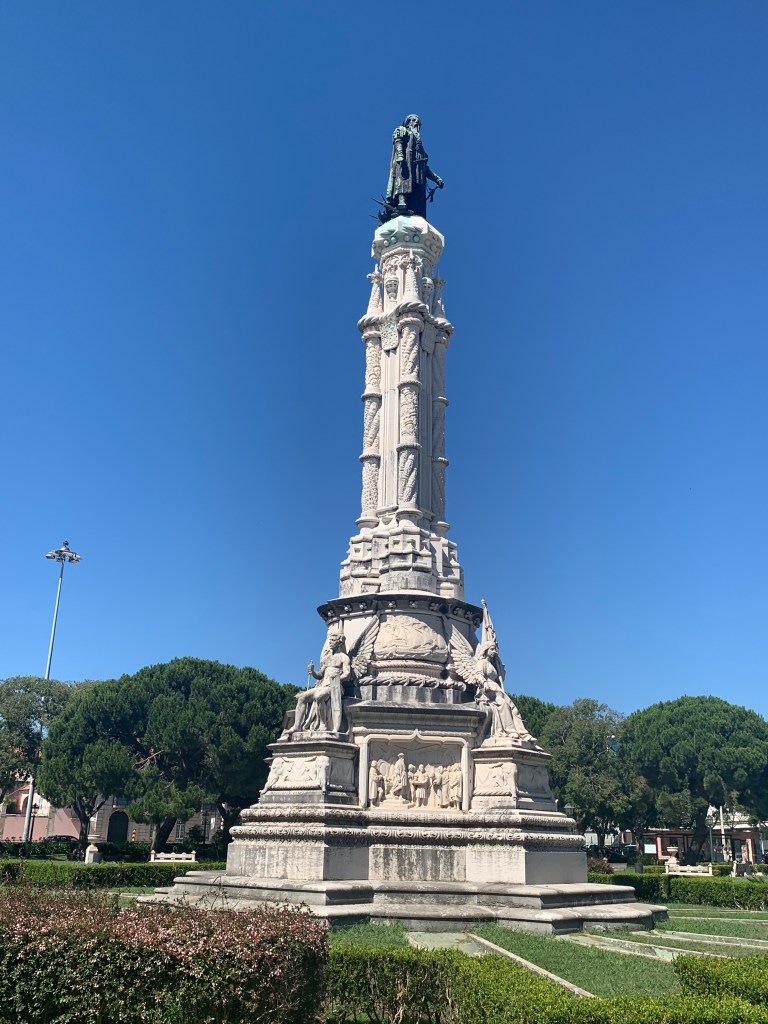
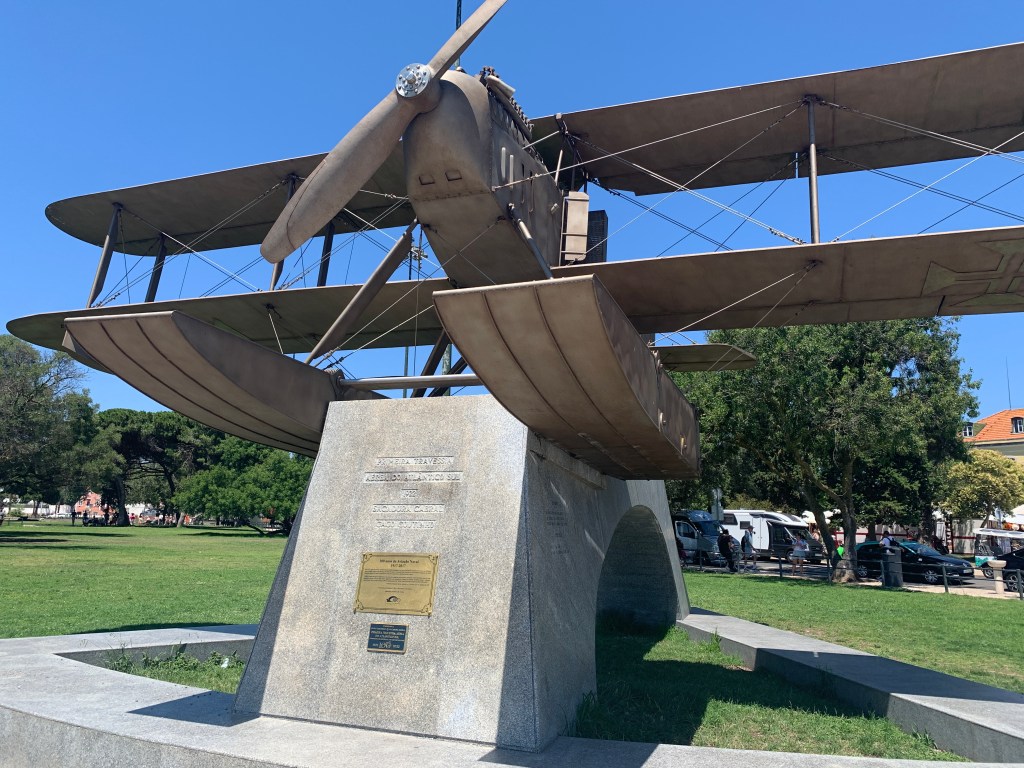
Exploring Belém, a district of Lisbon steeped in maritime history, was like walking through a living museum dedicated to Portugal’s Age of Discoveries. The area is rich with monuments and buildings that echo the past when explorers embarked on epic voyages, making it a focal point for anyone interested in history.
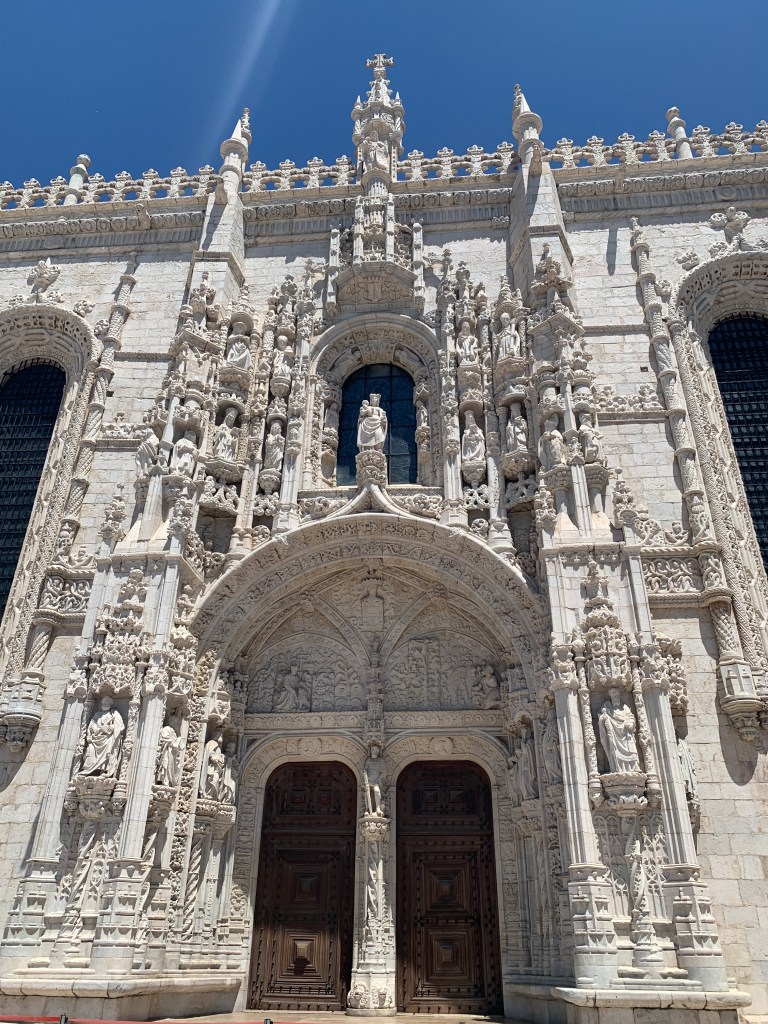
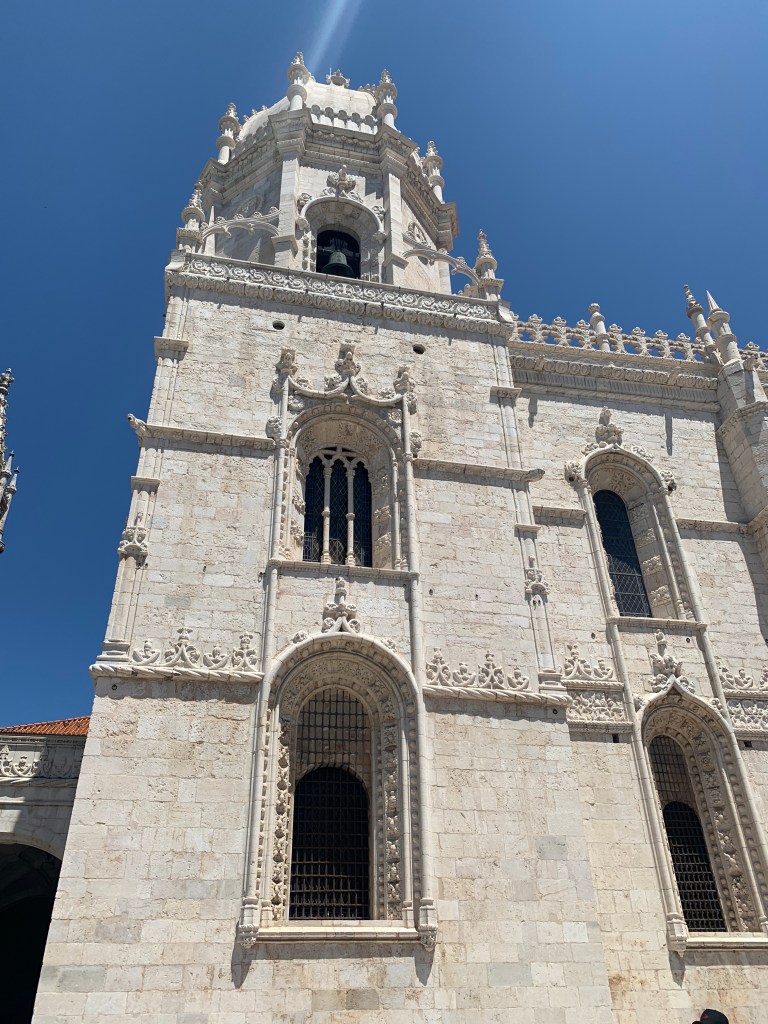
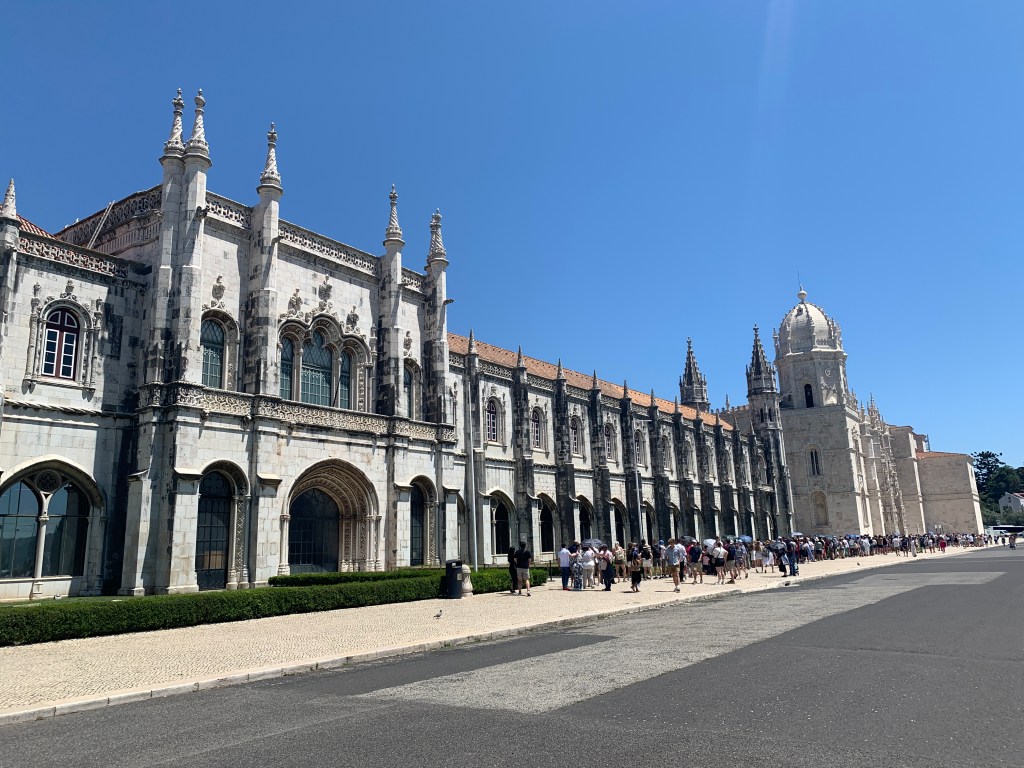
My first stop was the Jerónimos Monastery, a UNESCO World Heritage site, famous for its stunning example of Manueline architecture. This architectural style, unique to Portugal, incorporates maritime elements and representations of the discoveries made by Portuguese explorers. The monastery was built in the 16th century to commemorate Vasco da Gama’s voyage to India, and his tomb is situated just inside the entrance, serving as a reminder of his contributions to the era of exploration.
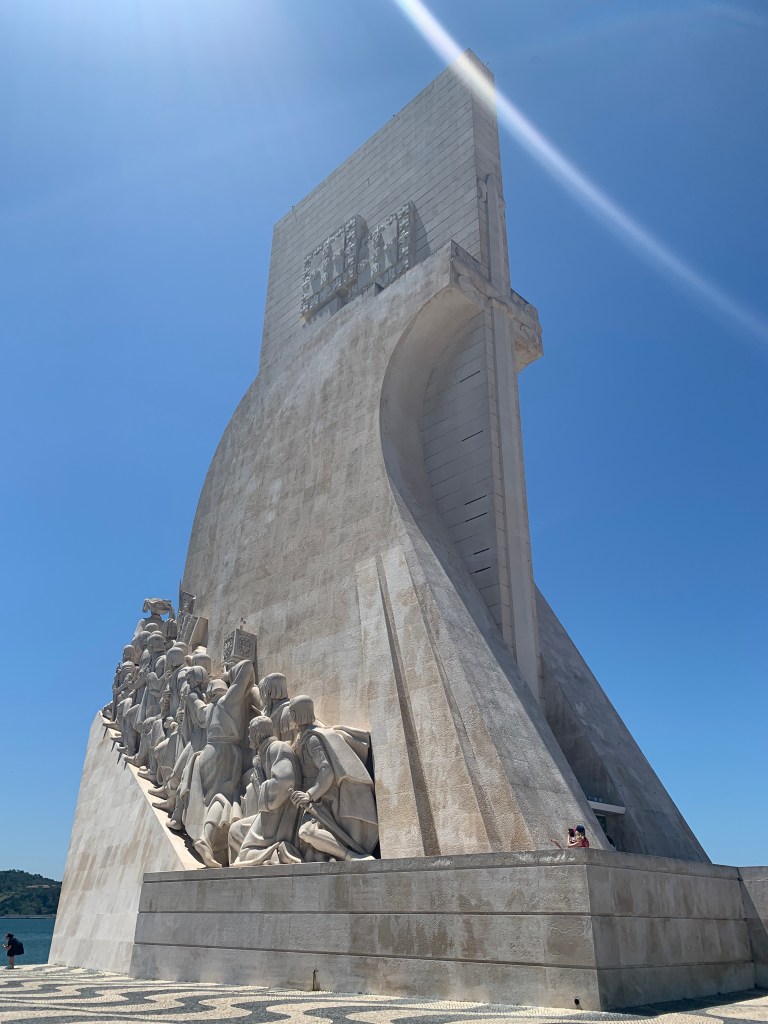
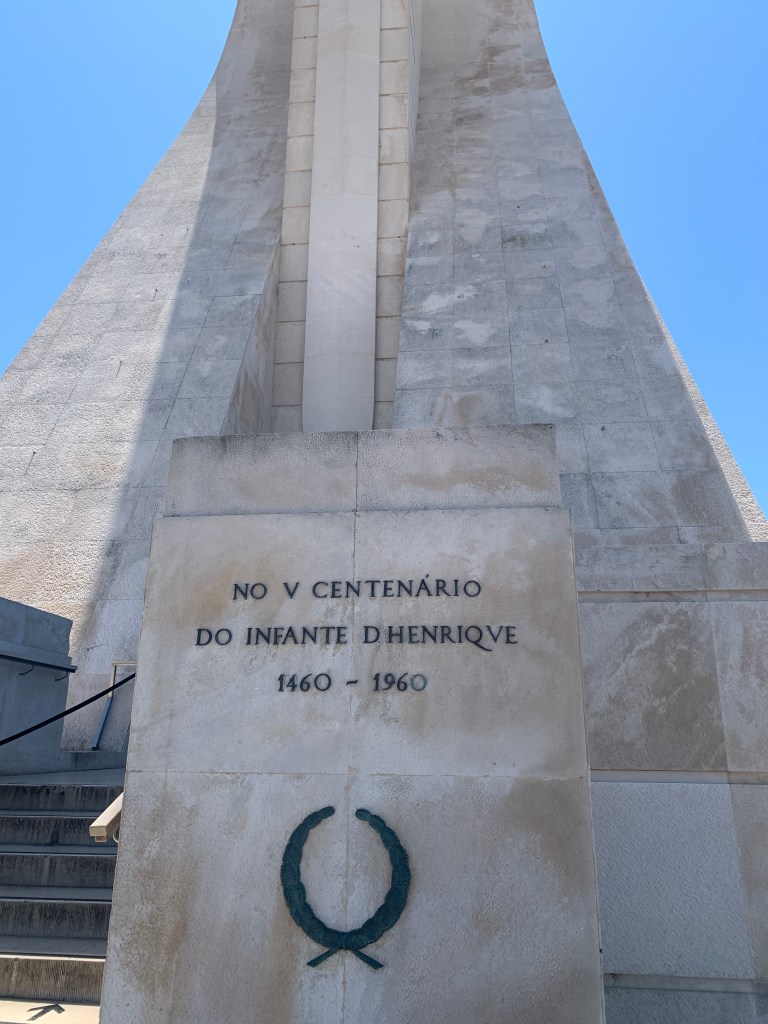
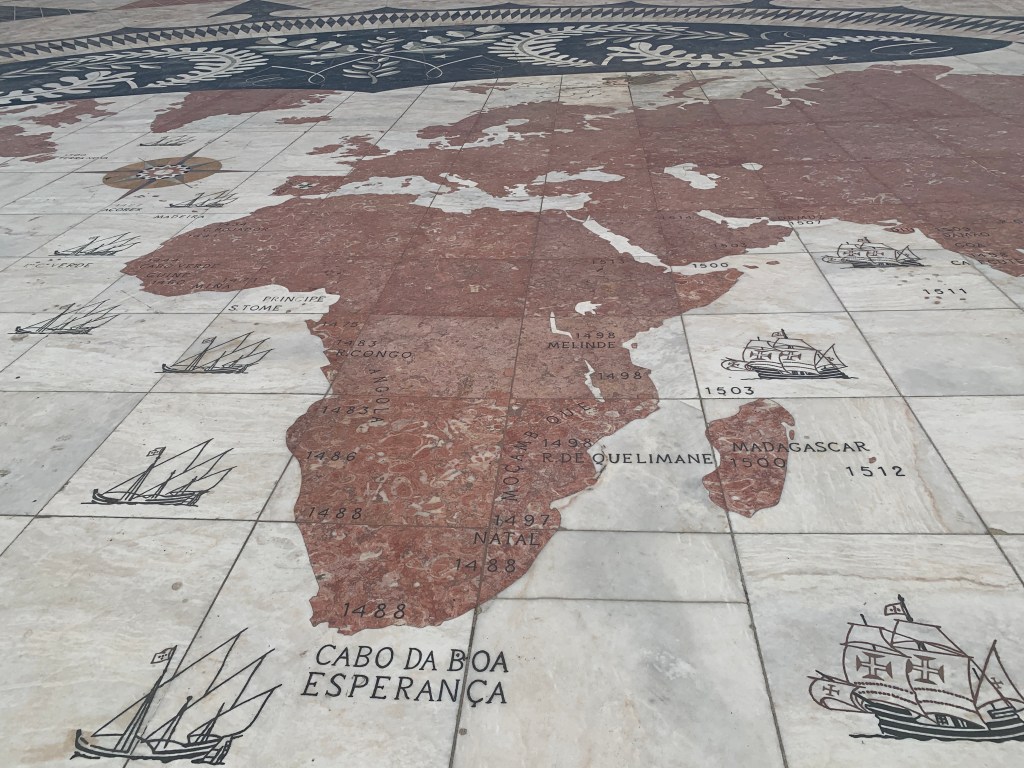
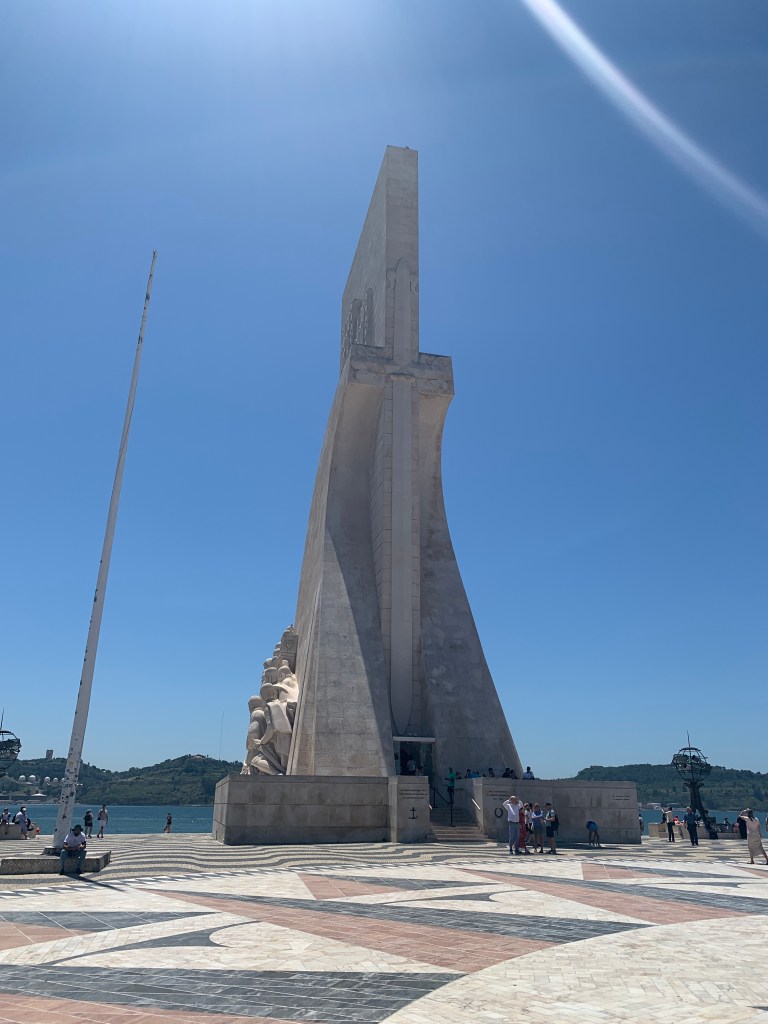
A short walk from the monastery brought me to the Monument to the Discoveries. Standing dramatically on the northern bank of the Tagus River, this monument celebrates the Portuguese who took part in the Age of Discoveries. Designed to resemble the prow of a ship, it features statues of important historical figures, including Henry the Navigator, who was instrumental in the early days of the Portuguese Empire.
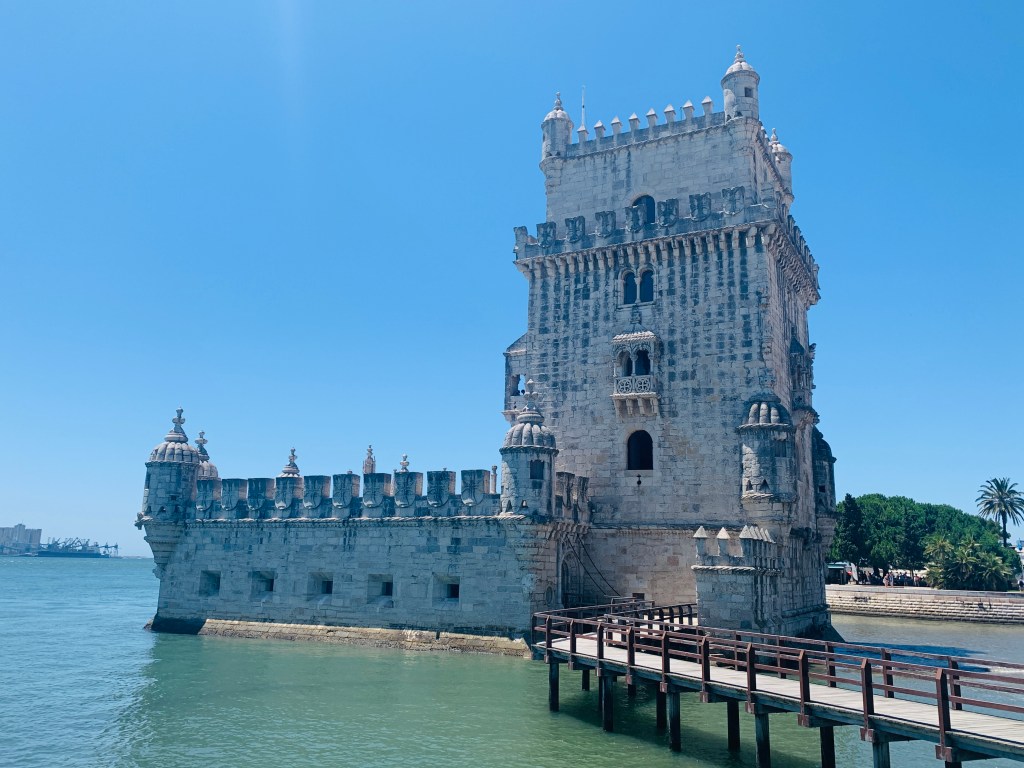
Nearby, the Belém Tower, built in the early 16th century, served as both a fortress and a gateway to Lisbon. It’s a symbol of the country’s expansive era, beautifully detailed and strategically located at the mouth of the Tagus River to guard the city from sea-bound invaders.
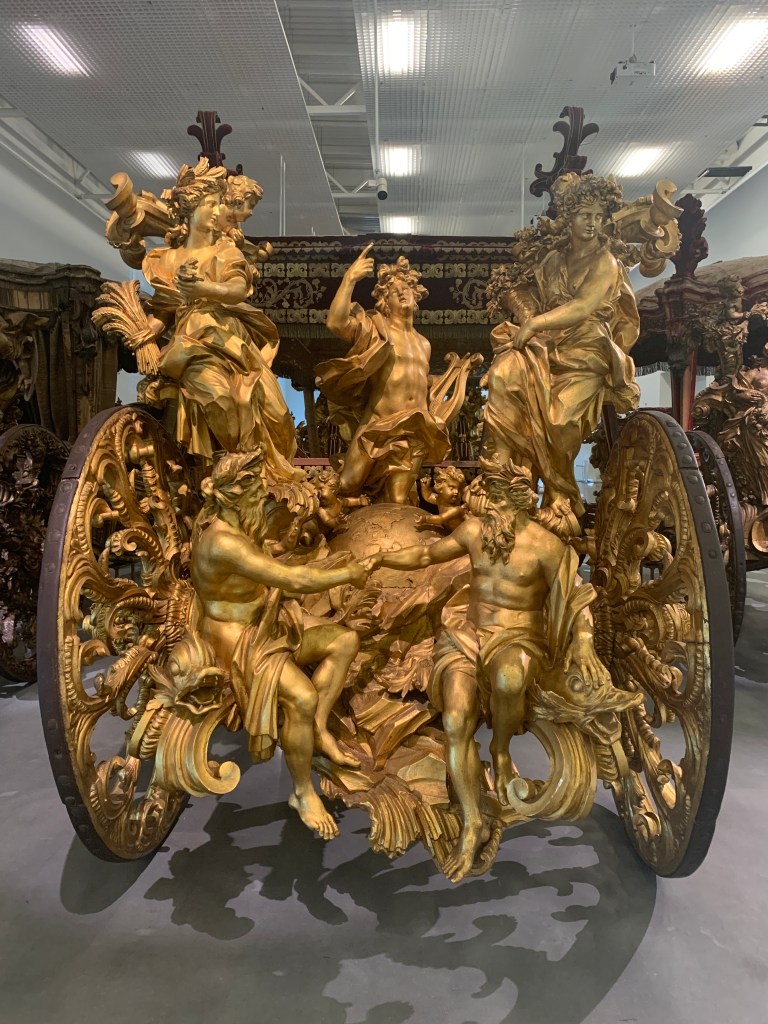
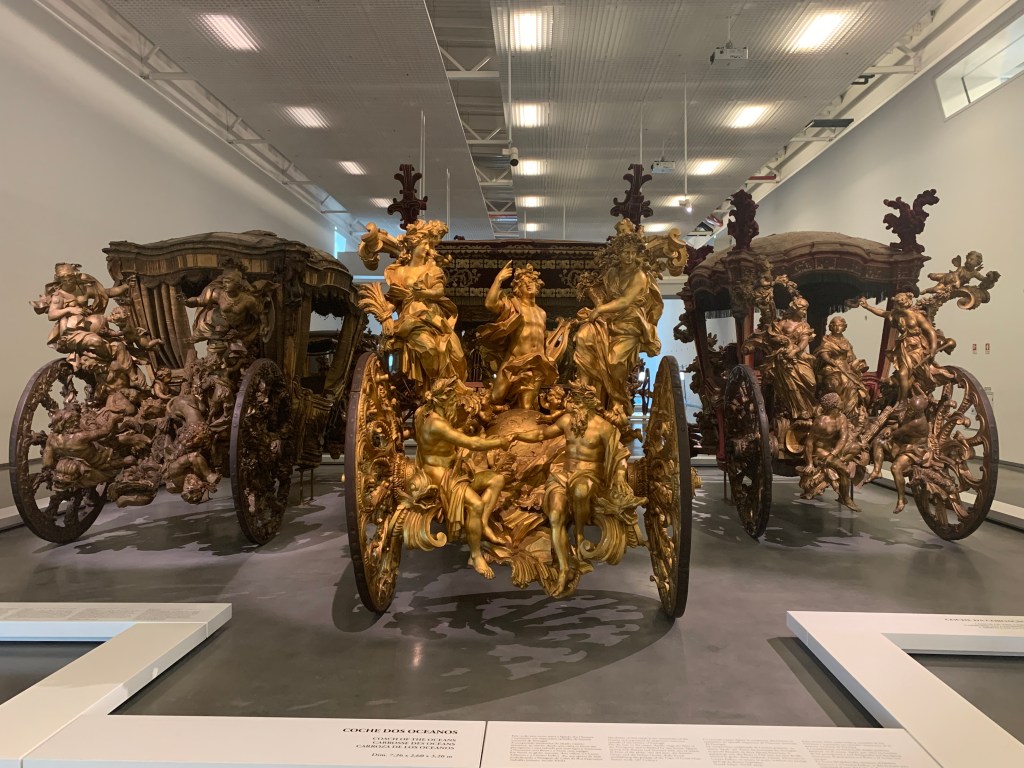
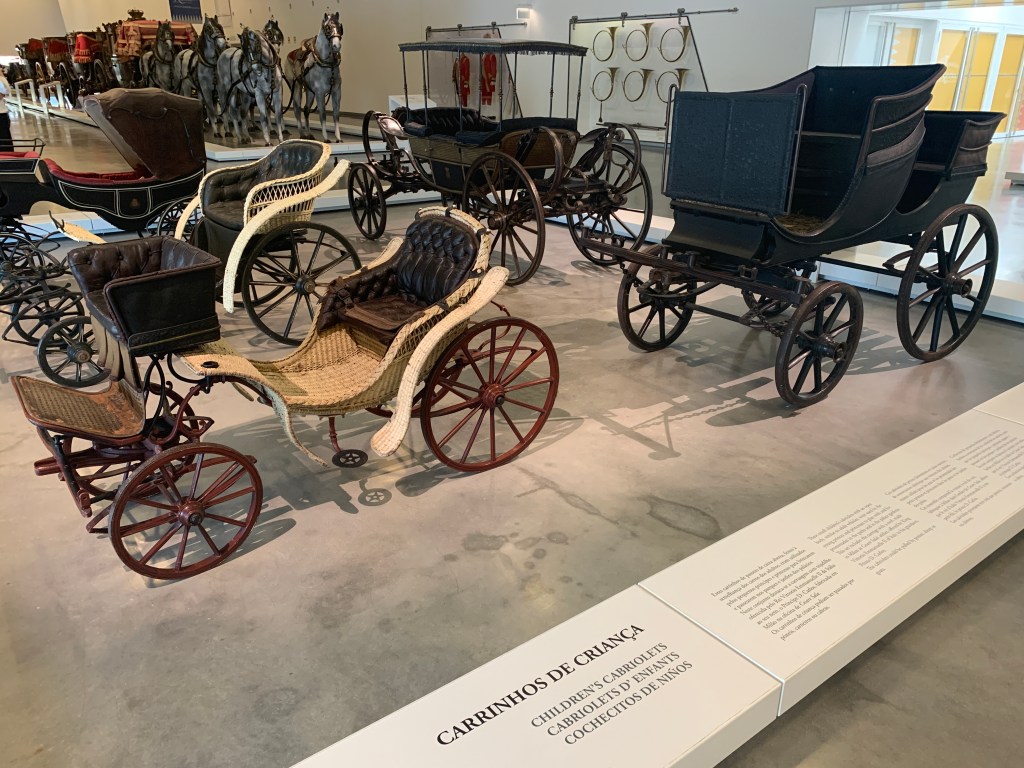
I ended my visit at the National Coach Museum, housing an extensive collection of historical carriages that are among the most luxurious and elaborately decorated in the world. These coaches, used by the European royalty and nobility, offer a glimpse into the opulent lifestyles of the past.
Belém is a treasure trove of history, where every monument and museum provides a deeper understanding of Portugal’s role in world history. The district combines this rich heritage with stunning views along the Tagus River, making it an unforgettable part of any visit to Lisbon.



Leave a Reply