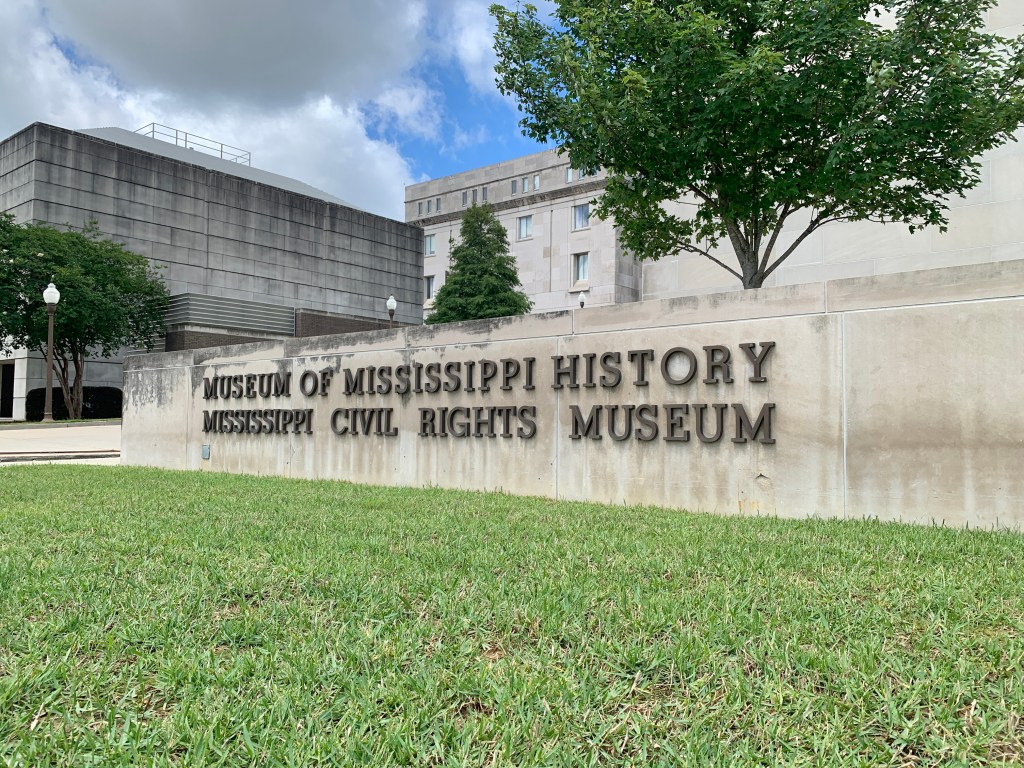
Warm southern air and deep layers of history define Jackson. Walking through the Museum of Mississippi History and the Mississippi Civil Rights Museum revealed stories that were both difficult and powerful. One exhibit recounted the 1964 Freedom Summer campaign, when civil rights workers and local activists risked their lives to register Black voters across Mississippi during one of the most dangerous chapters of the movement. The museum also reflected on the assassination of Medgar Evers in Jackson in 1963, an event that intensified national attention on the struggle for civil rights in the South.
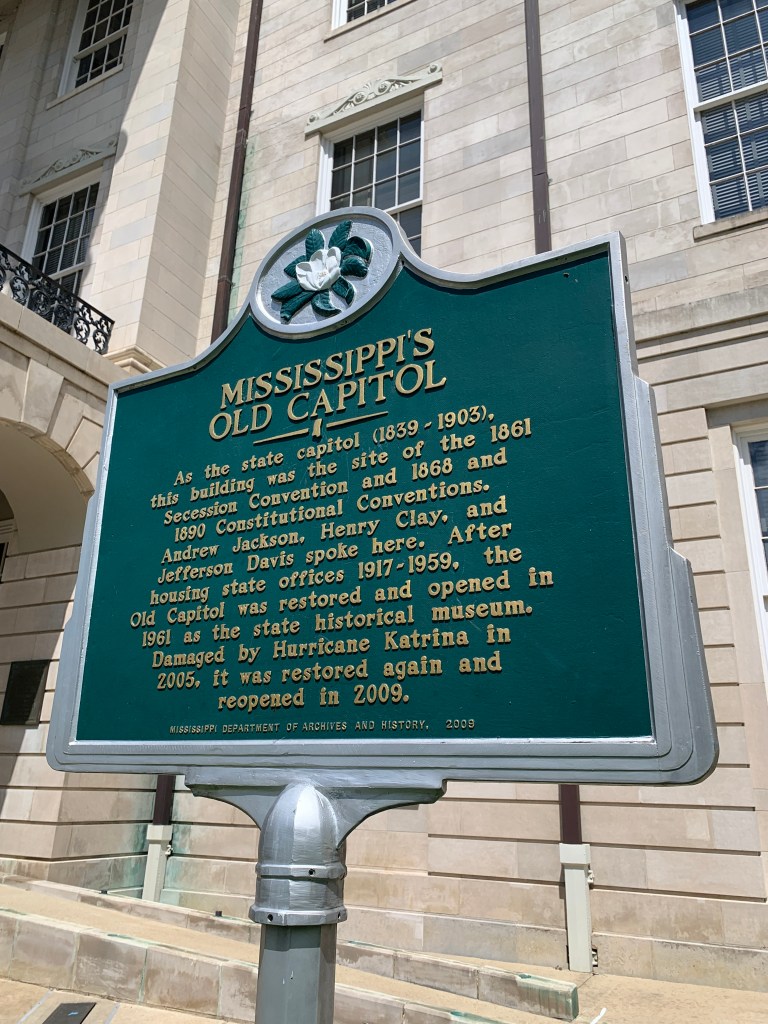
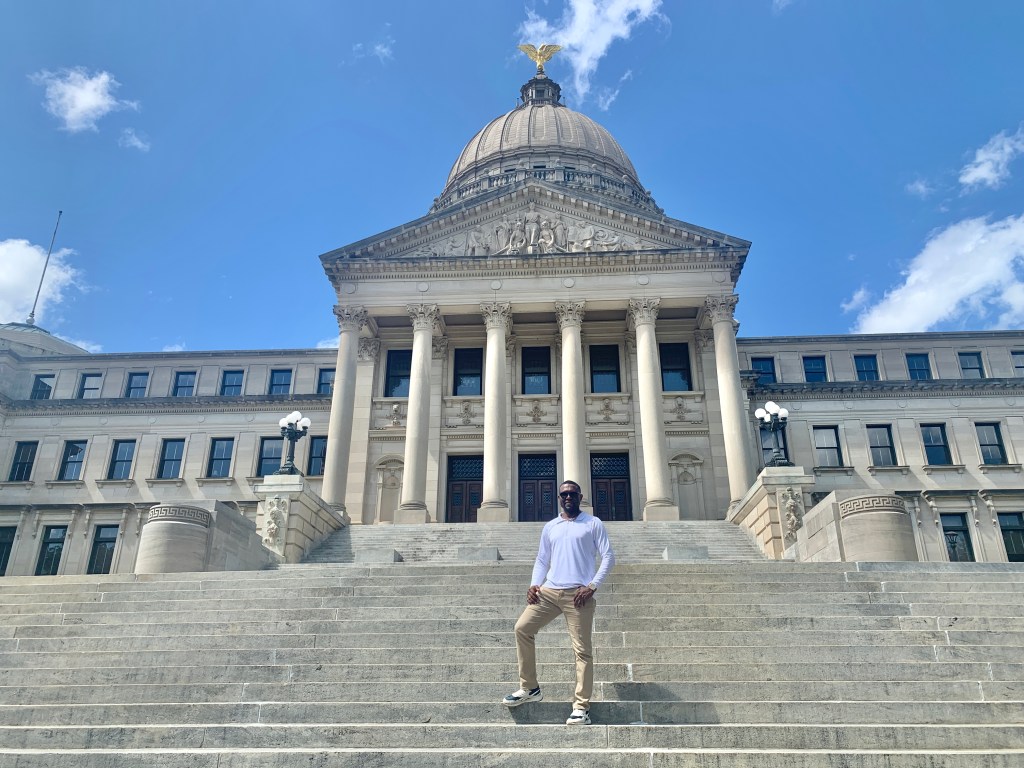
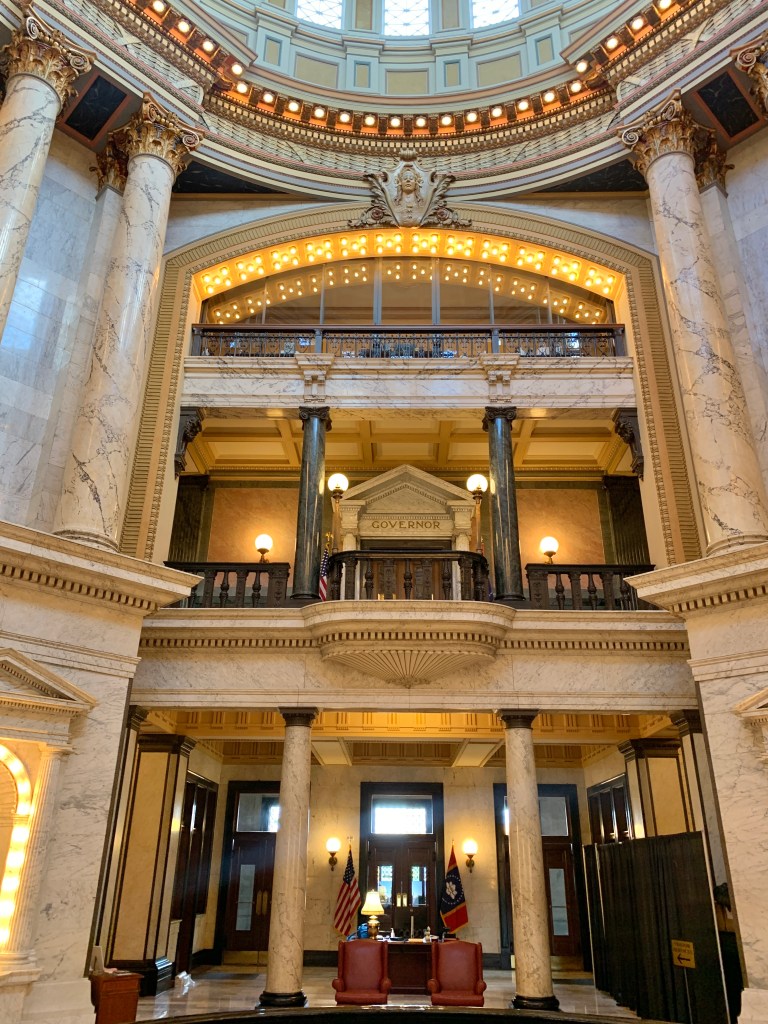
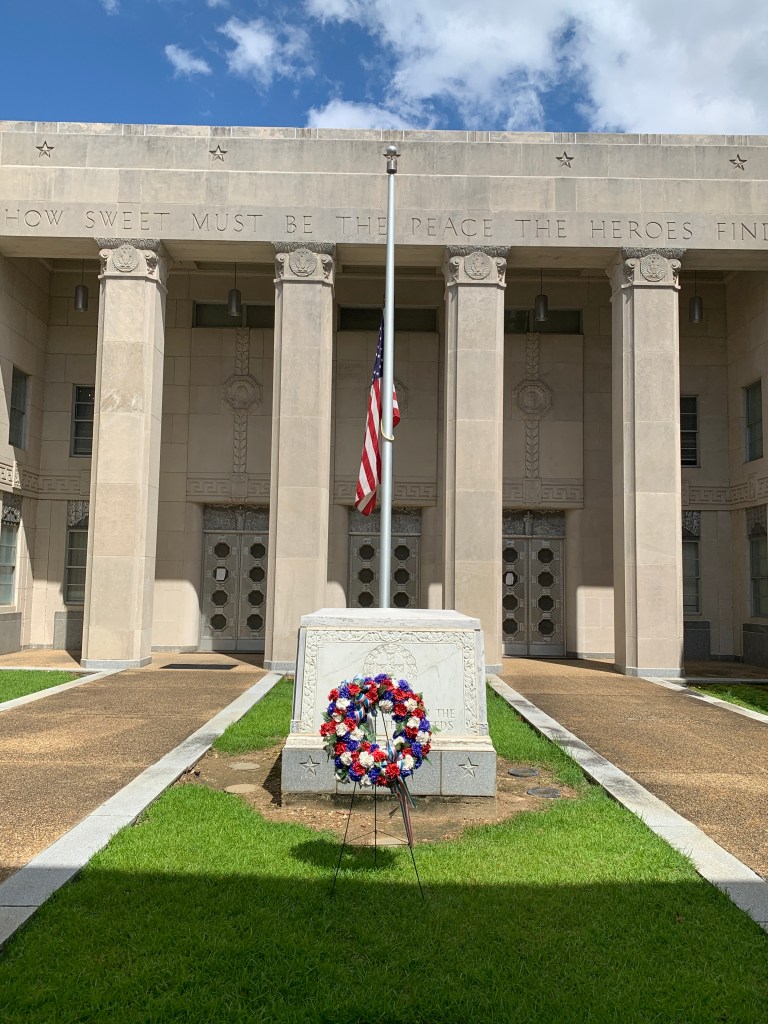
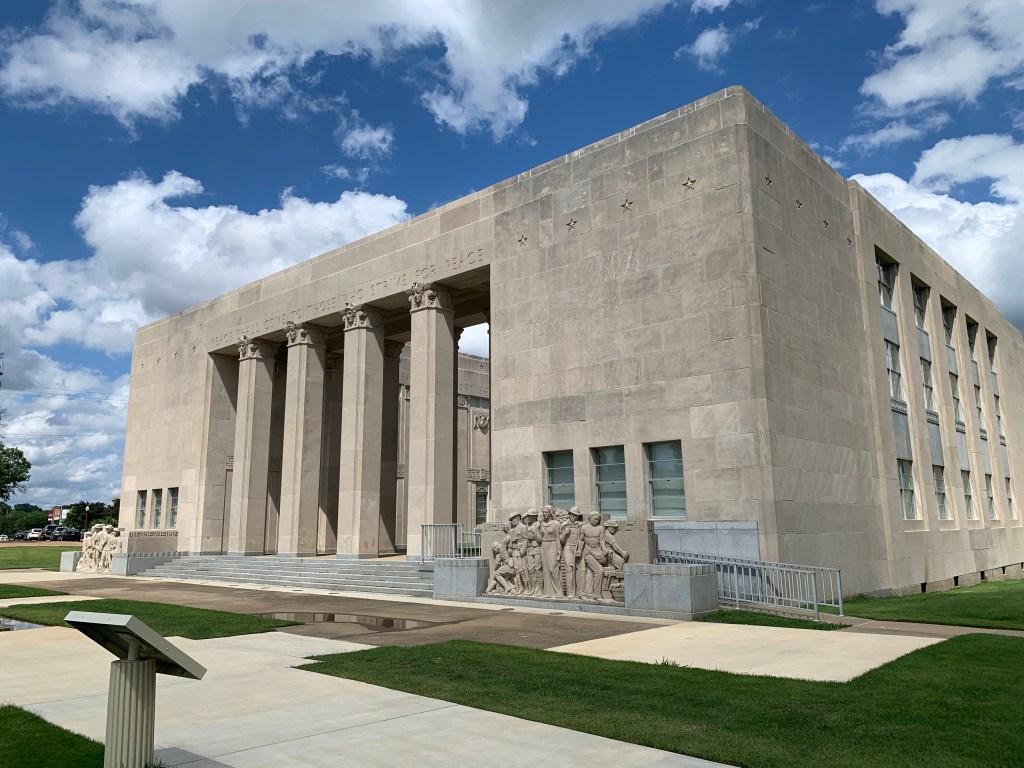
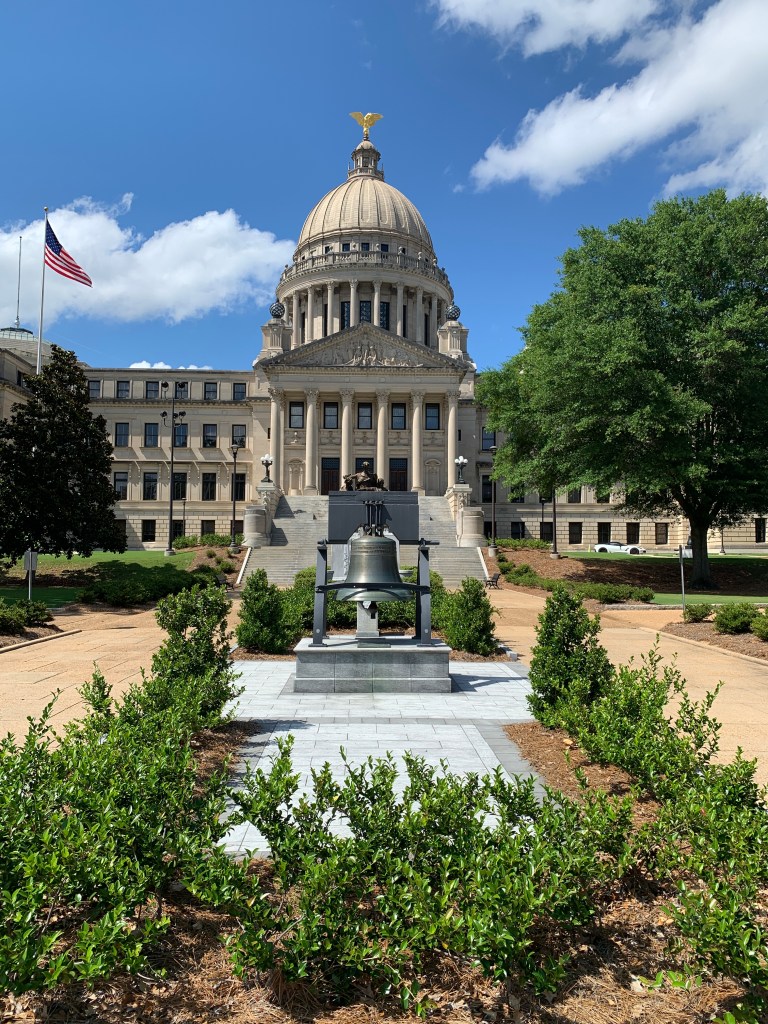
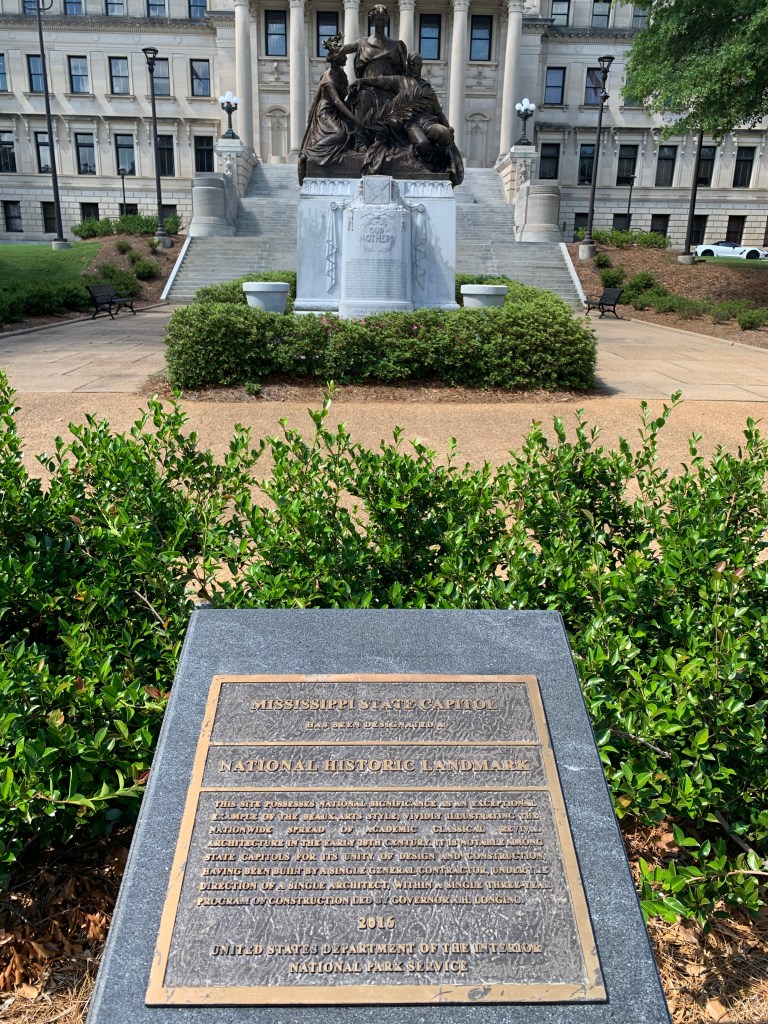
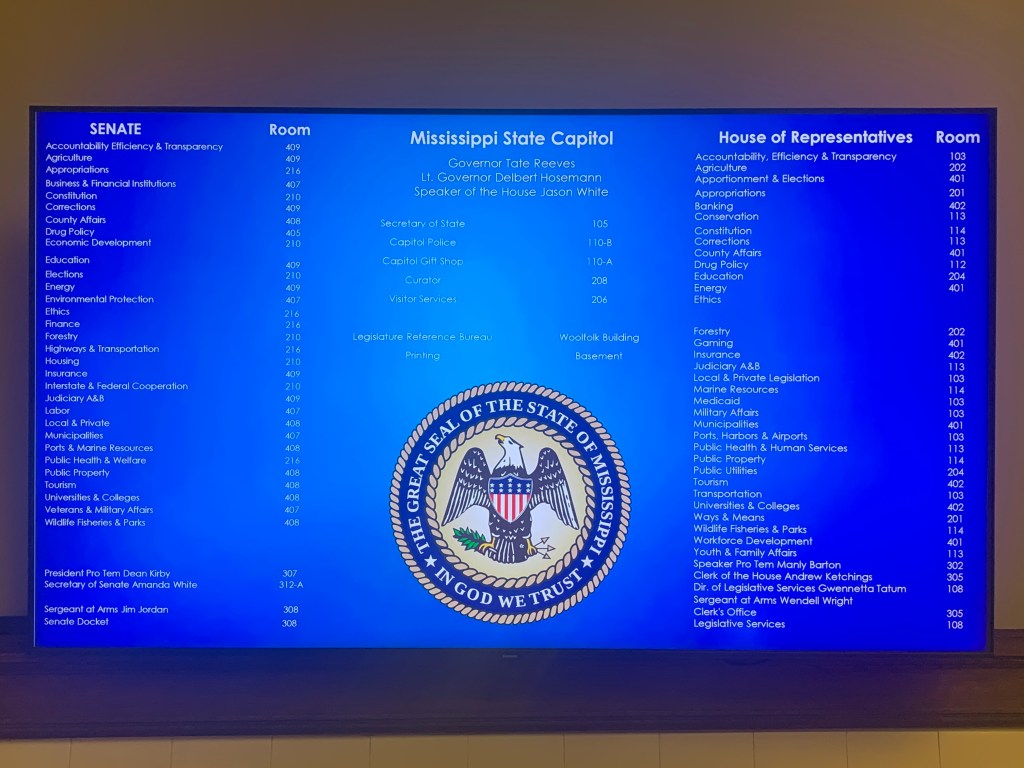
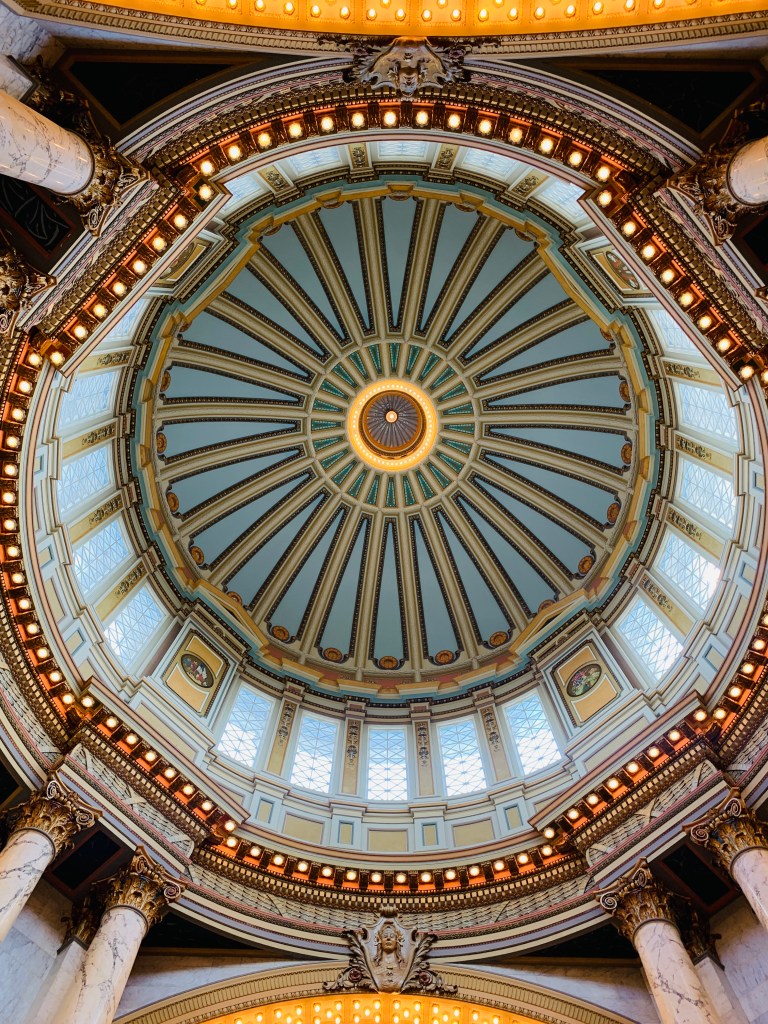
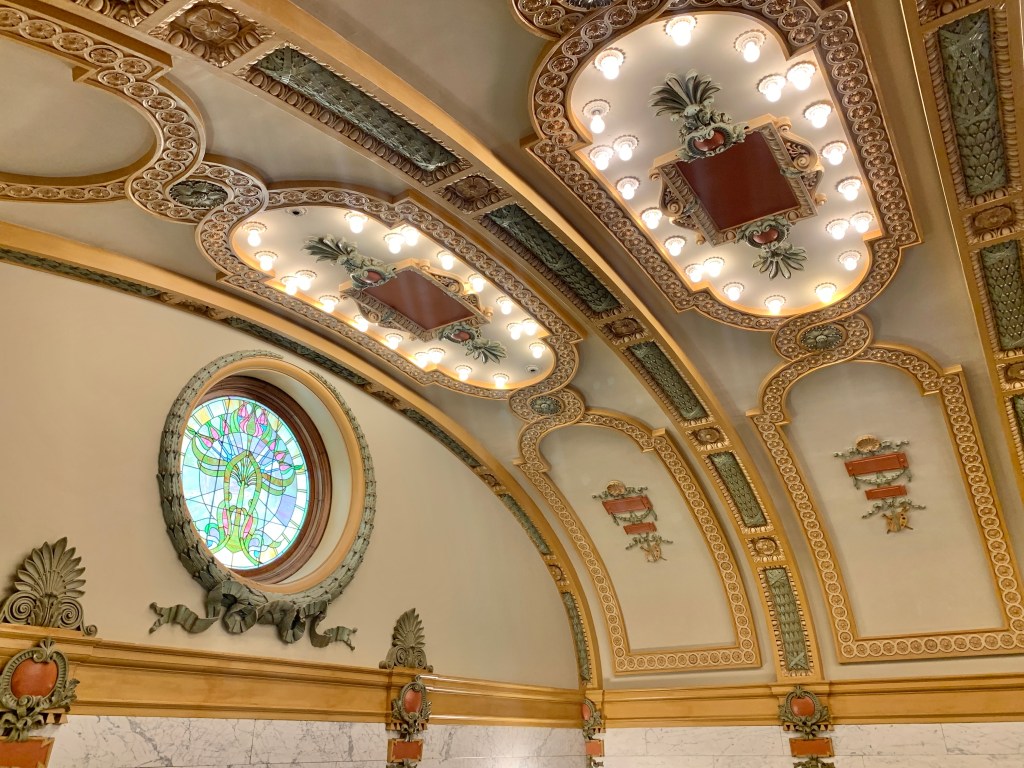
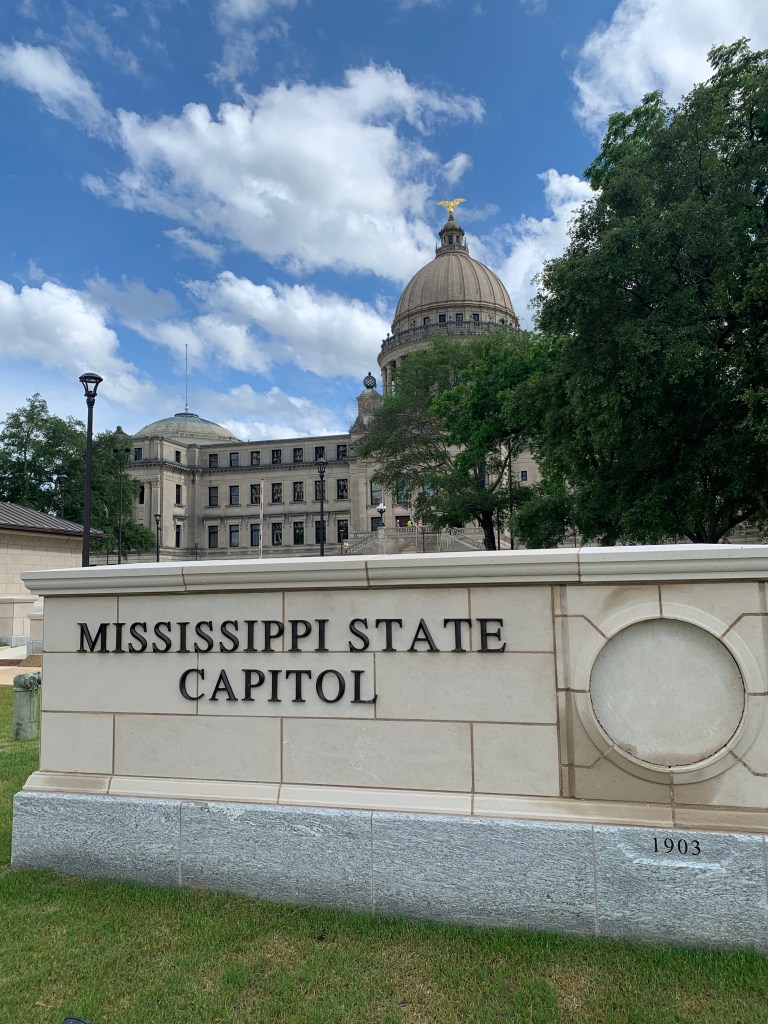
Nearby, the War Memorial Building stood with quiet dignity, while the Old Capitol Museum offered a closer look into Mississippi’s political past. Built in 1839, the Old Capitol served as the site where Mississippi voted to secede from the Union in 1861, a decision that permanently shaped the state’s history and role in the Civil War. A short distance away, the current Mississippi State Capitol contrasts sharply with the older structure. Completed in 1903, the Beaux-Arts style building features marble interiors, a massive dome, and remains the center of Mississippi’s state government.
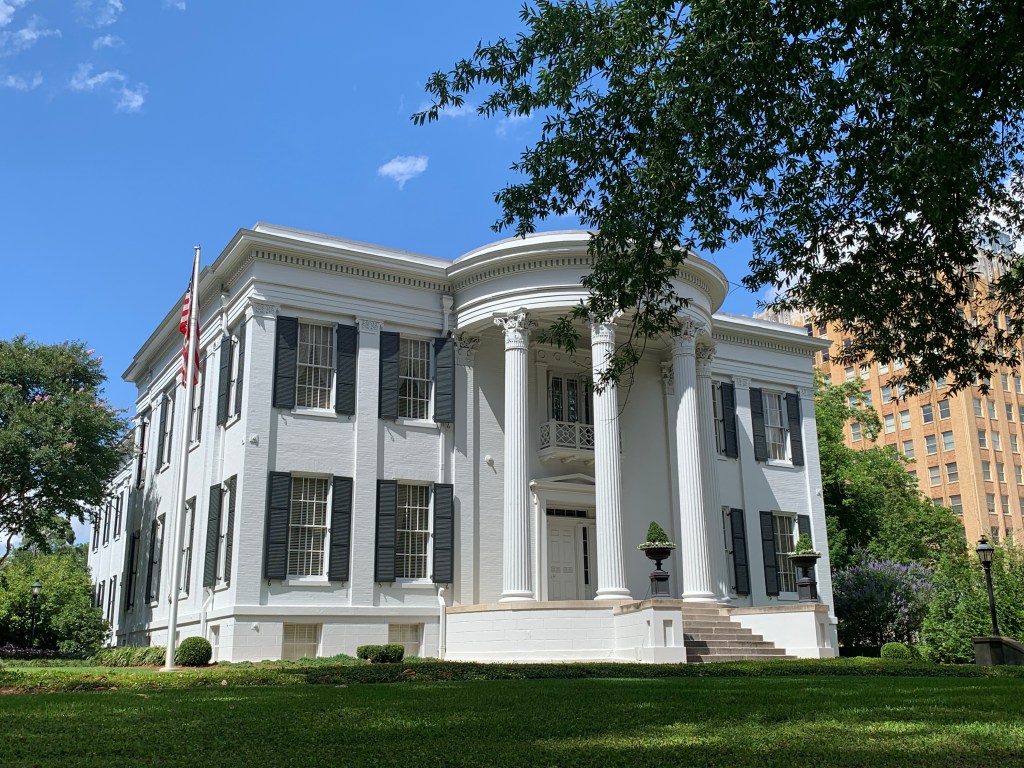
Driving past the Mississippi Governor’s Mansion brought another reminder of continuity. Completed in 1842, it remains the second-oldest continuously occupied governor’s residence in the United States.
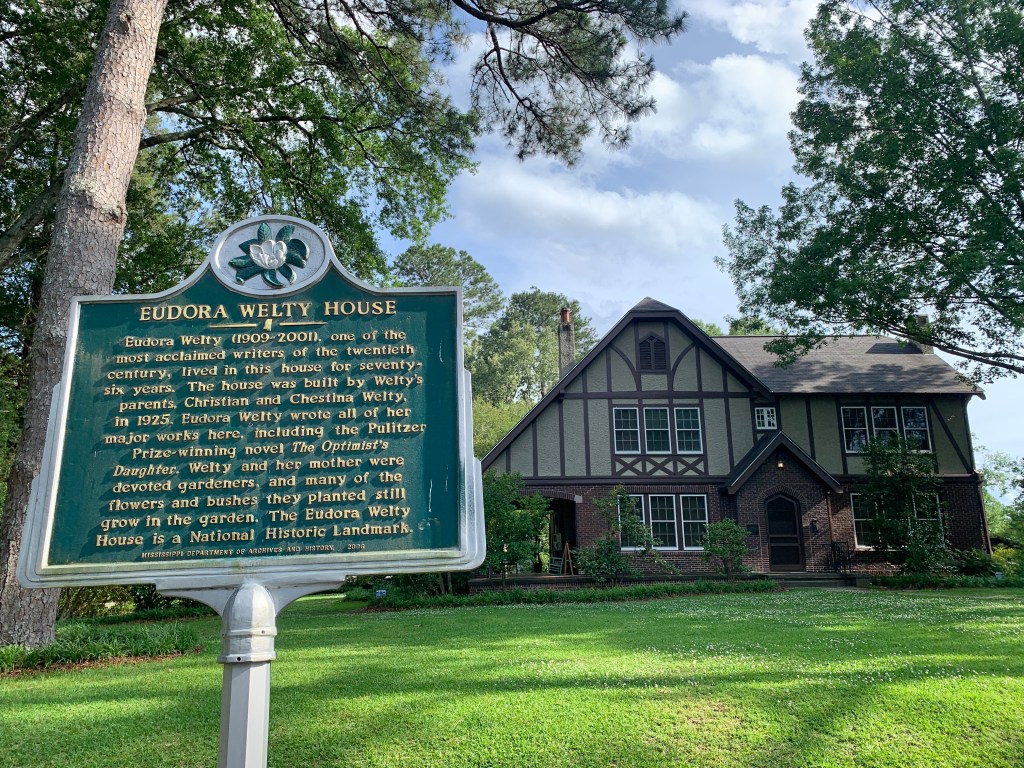
The atmosphere shifted at the Eudora Welty House & Garden, where the Pulitzer Prize winning author lived and wrote for decades. The preserved home felt personal and reflective, offering insight into one of the South’s most influential literary voices.
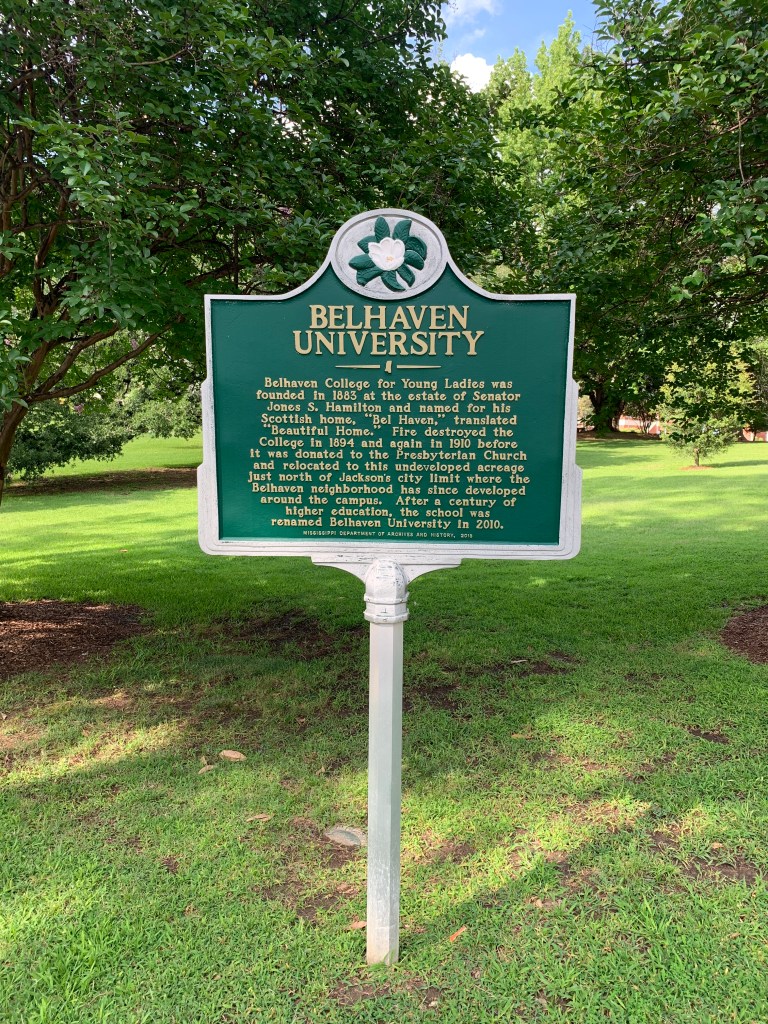
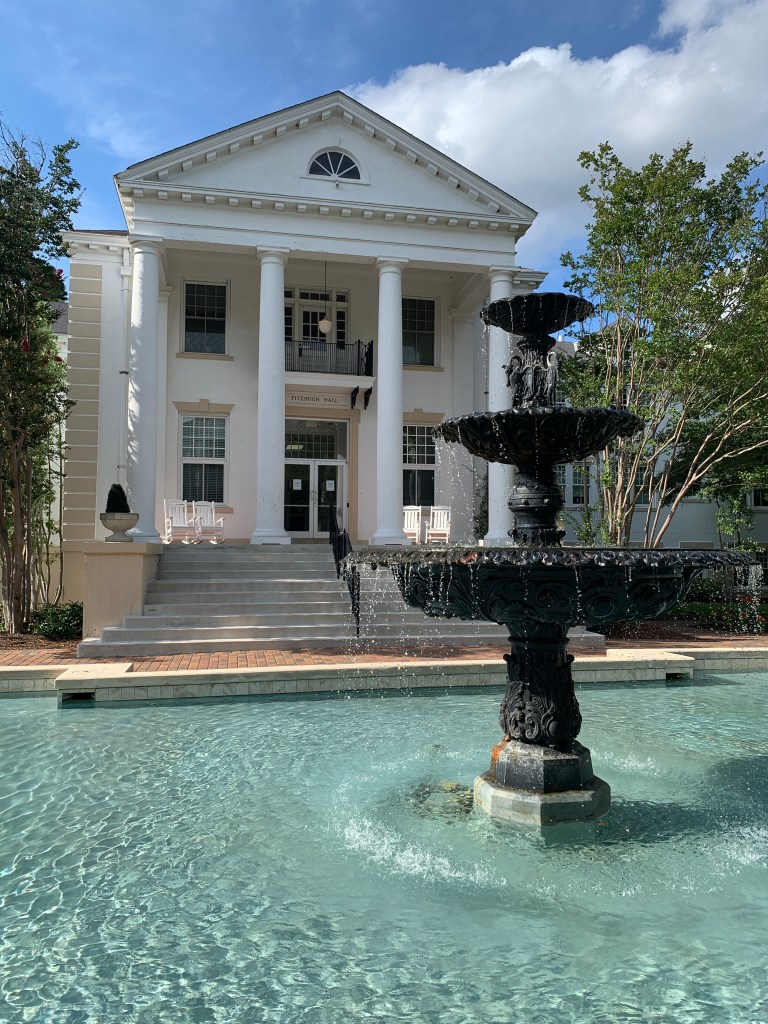
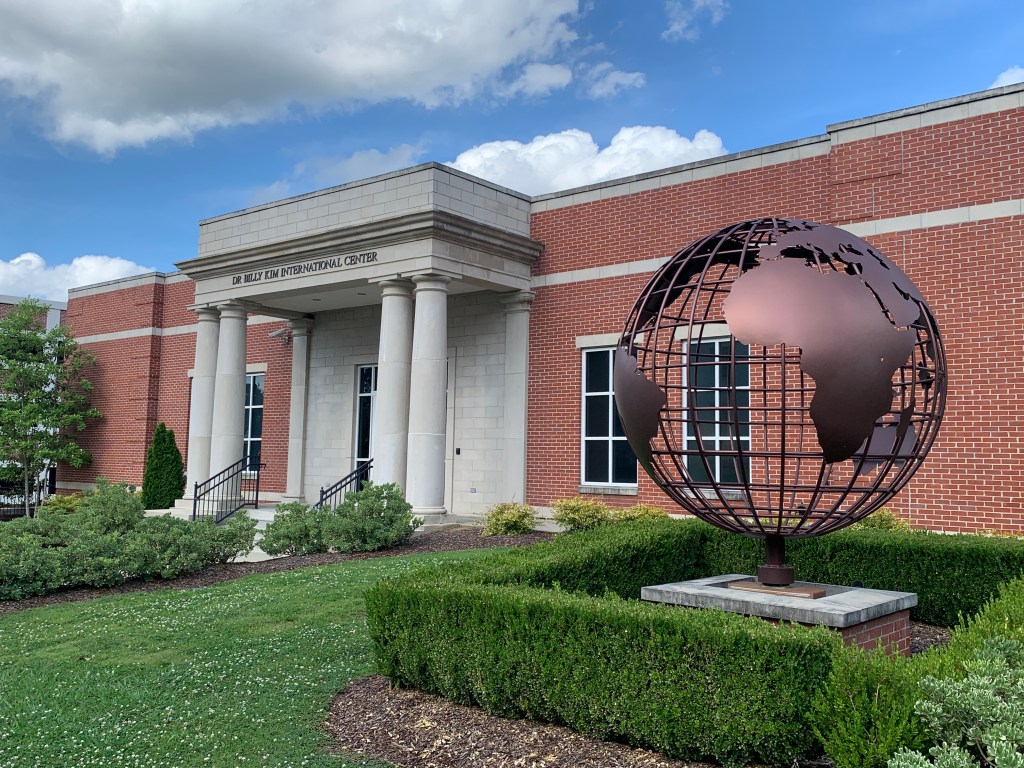
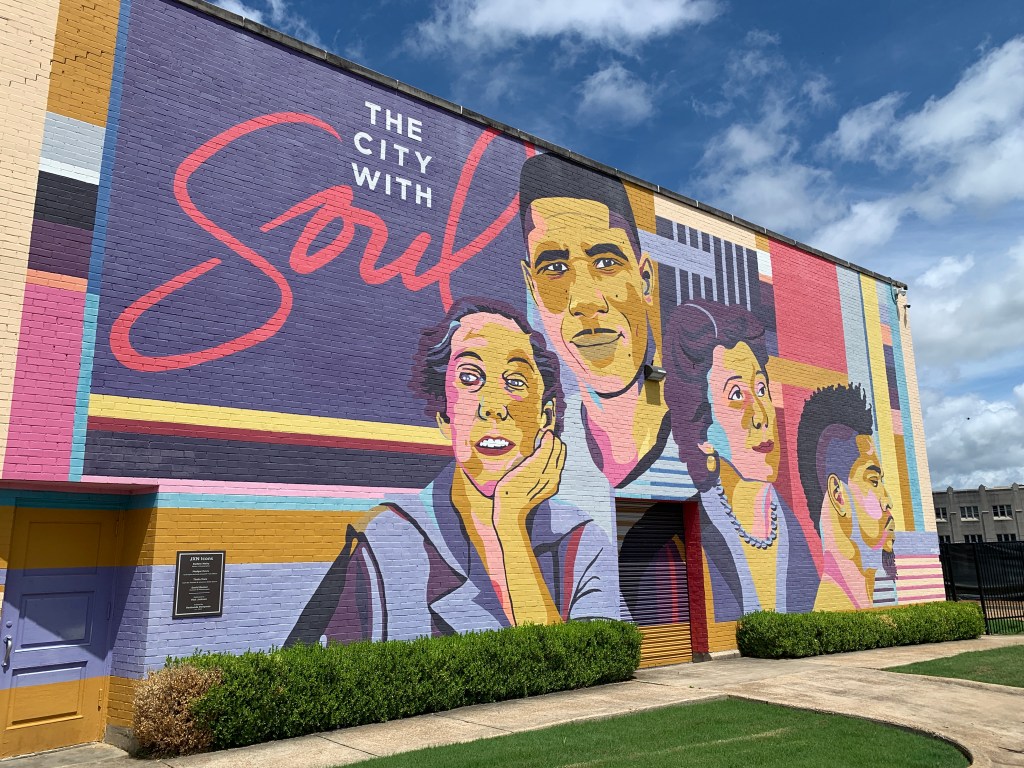
Around Belhaven University and the nearby Fondren district, Jackson revealed a more contemporary side through coffee shops, murals, and local businesses. Dinner at The Pig & Pint closed the evening with smoked barbecue and a lively atmosphere that captured the city’s blend of memory, resilience, and renewal.




Leave a Reply