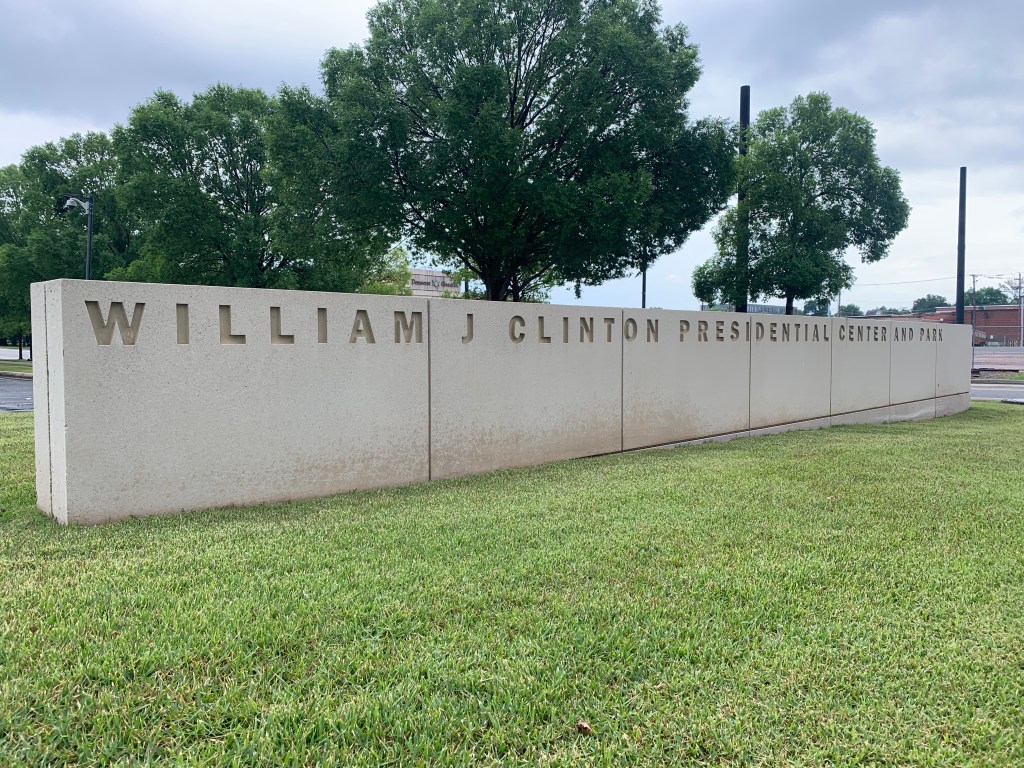
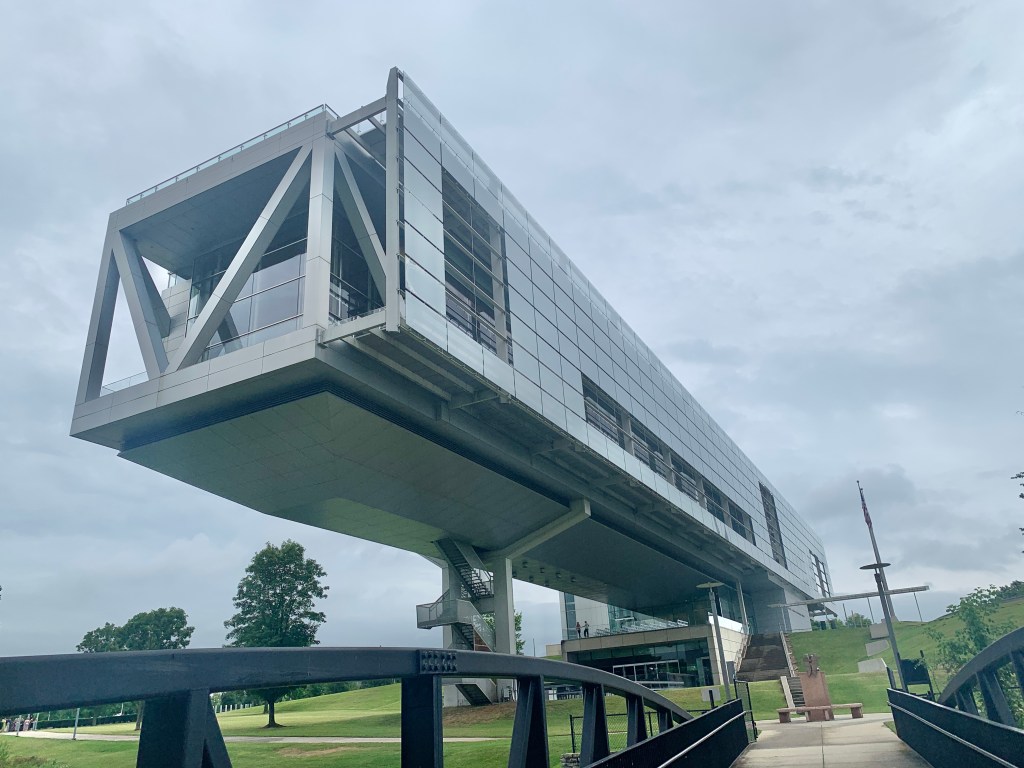
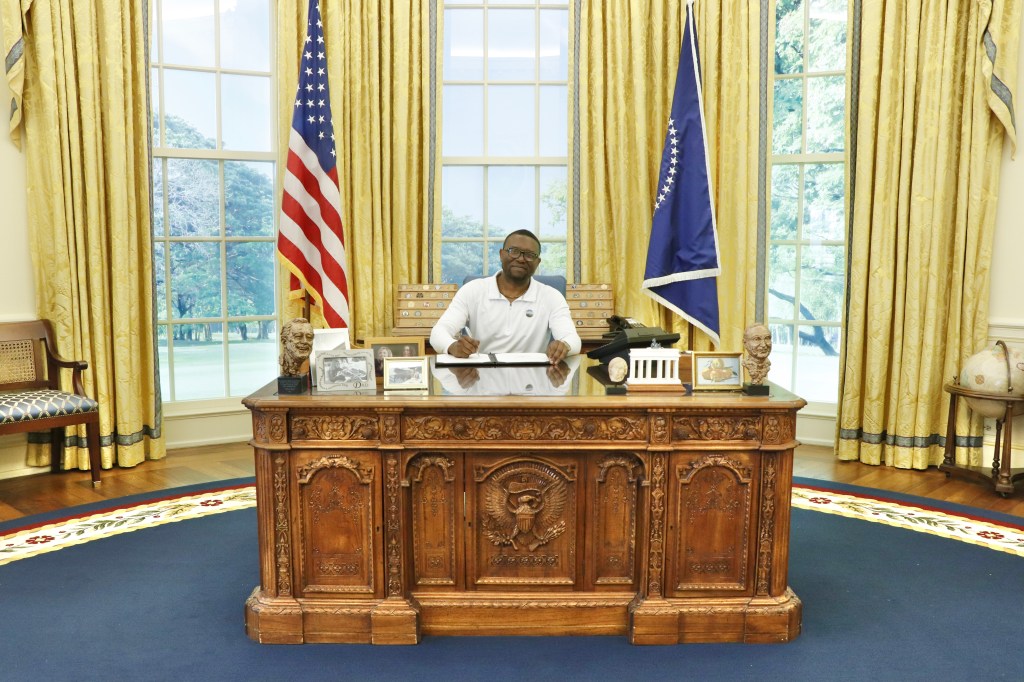
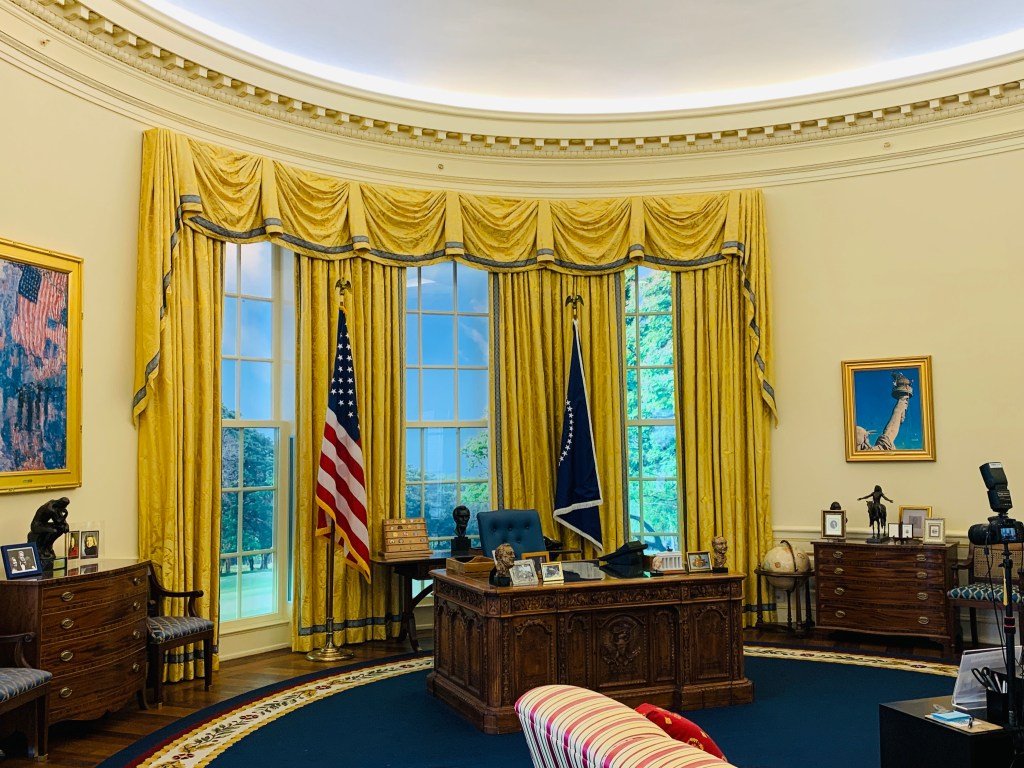
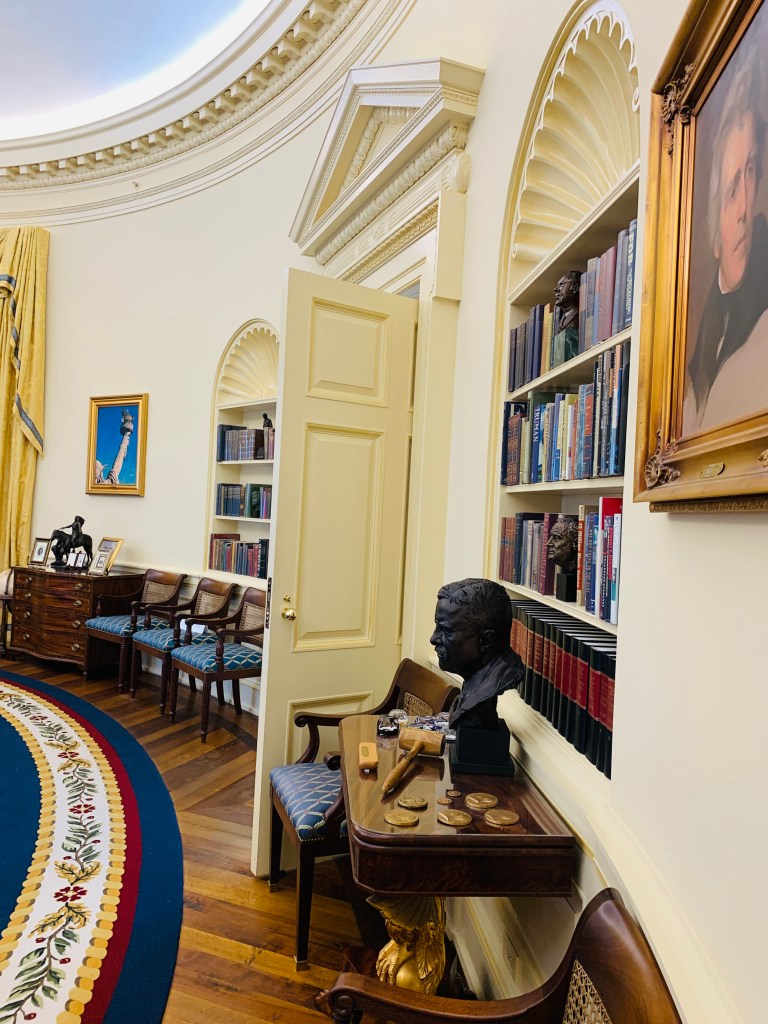
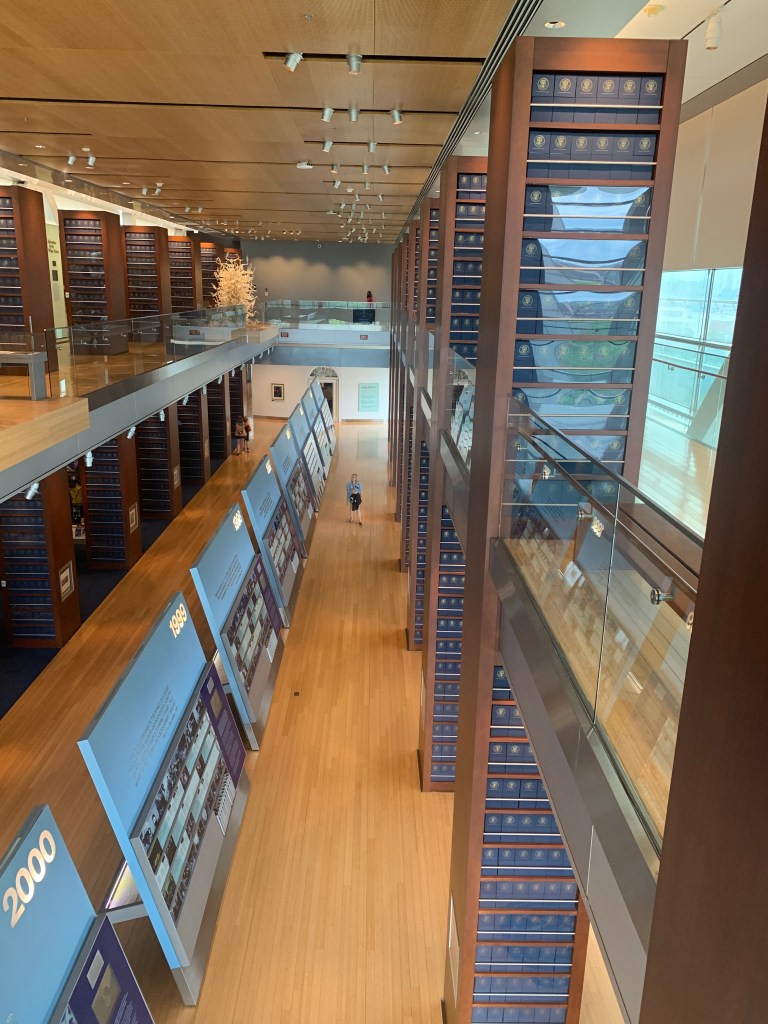
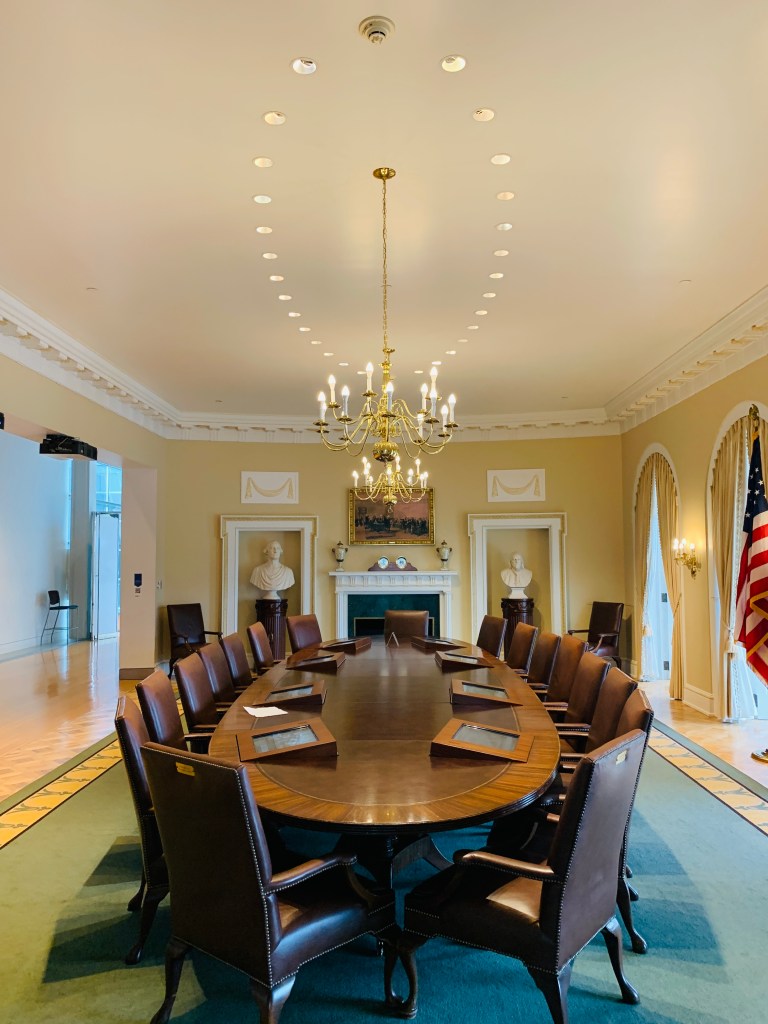
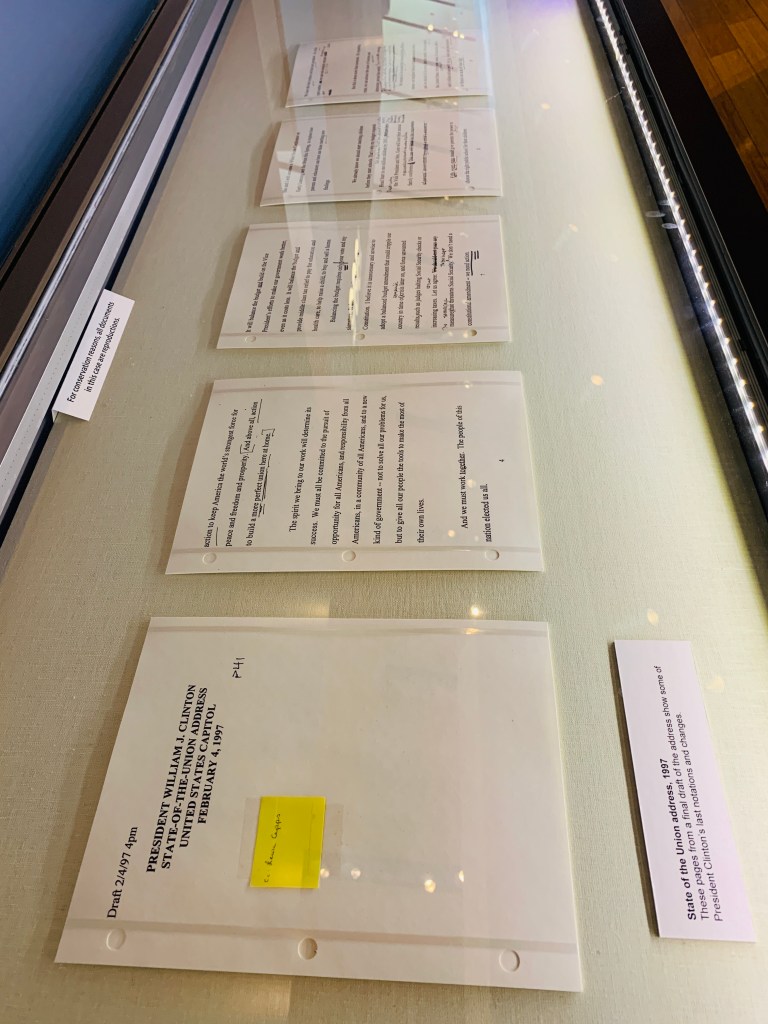
River air and layers of American history shape the atmosphere of Little Rock. Along the banks of the Arkansas River, the William J. Clinton Presidential Library and Museum stands as both an architectural landmark and a reflection of a transformative political era. Exhibits covering domestic policy, international diplomacy, and presidential decision-making offered insight into the administration of Bill Clinton, whose political career began in Arkansas before reaching the White House.
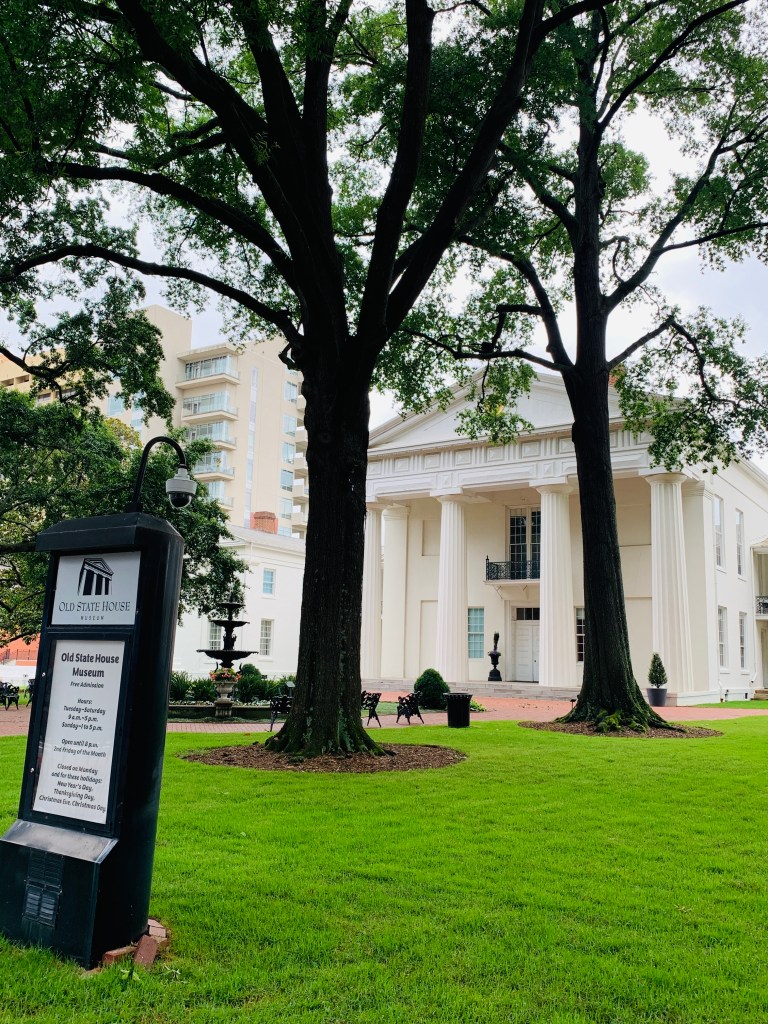
The nearby Old State House Museum carried a much older political legacy. Built in the 1830s, it served as Arkansas’s first state capitol and was the site of intense debates surrounding secession before the Civil War. It also witnessed political conflict during Reconstruction and later became connected to the rise of Governor Bill Clinton decades afterward.
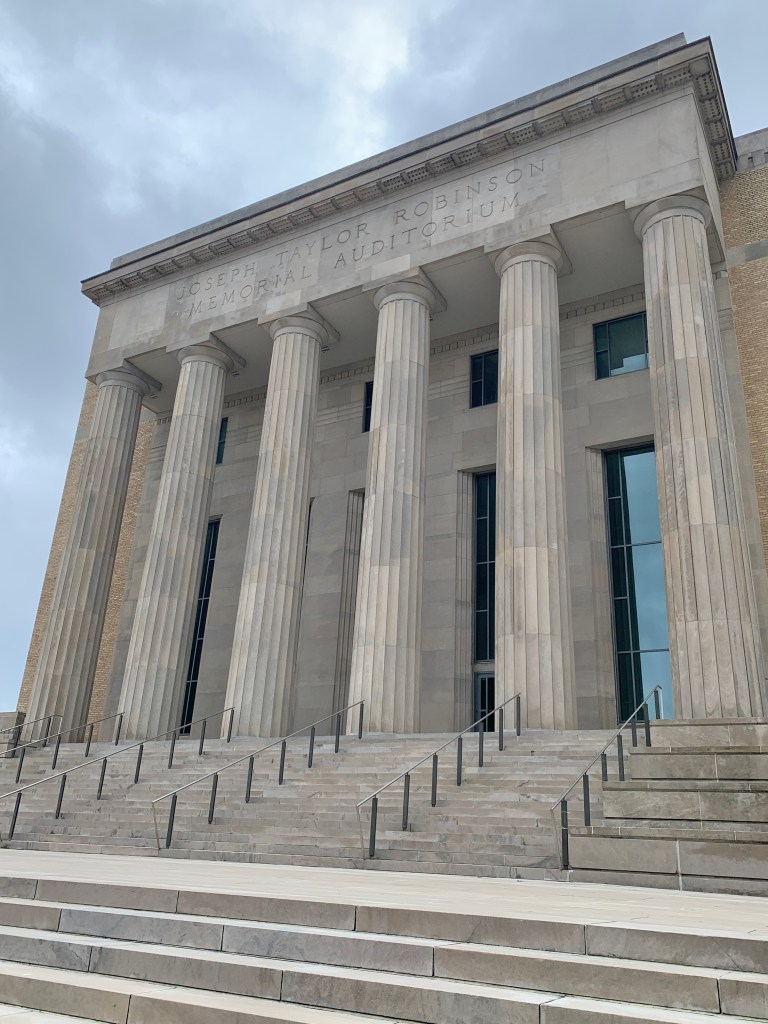
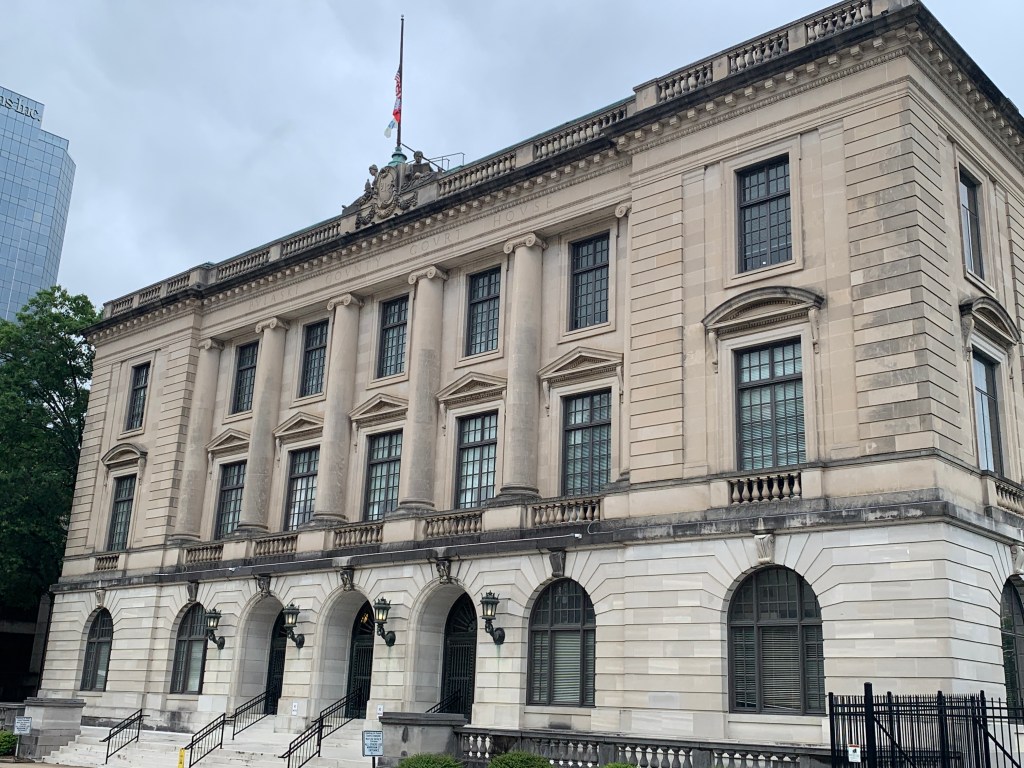
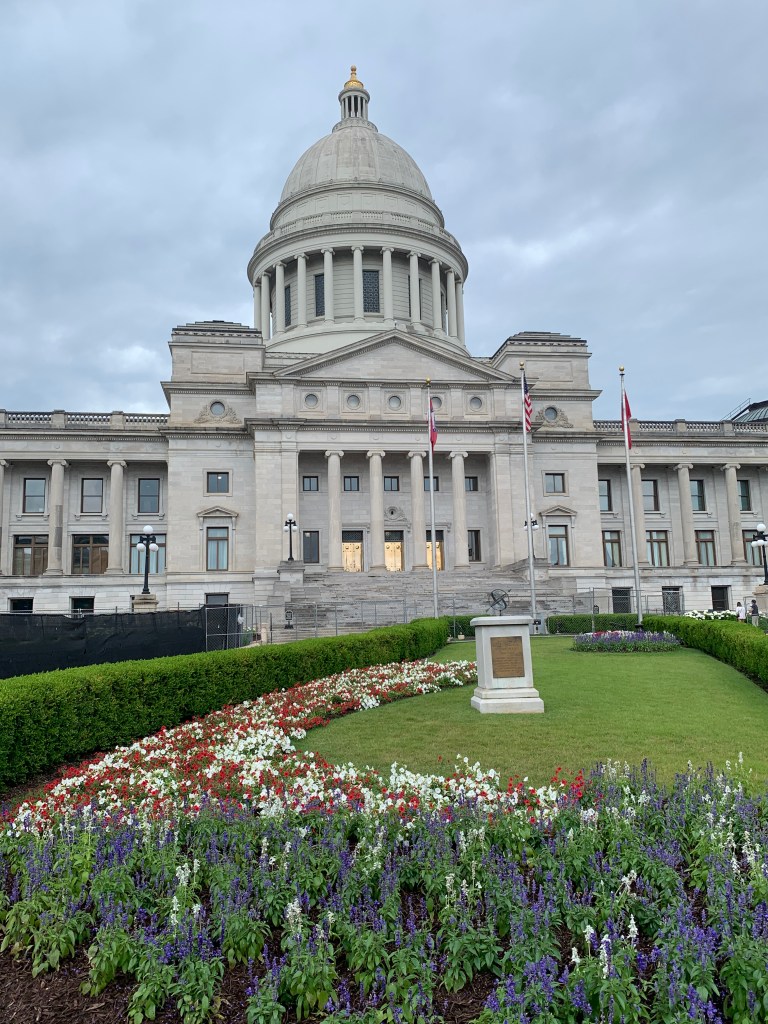
A short distance away, the Arkansas State Capitol rises prominently above the city. Completed in 1915 using marble and limestone, the building was modeled partly after the United States Capitol and reflects Arkansas’s early twentieth century ambitions and growth. Walking through its halls revealed a quieter side of state government, contrasting with the dramatic historical moments tied to the older capitol building.
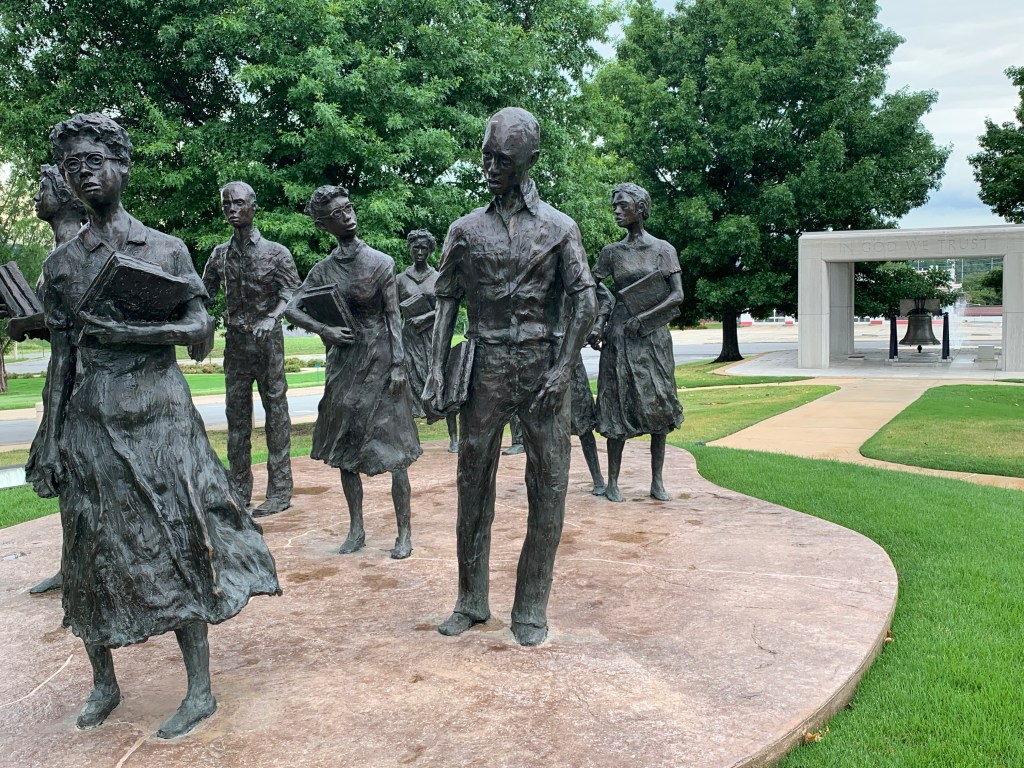
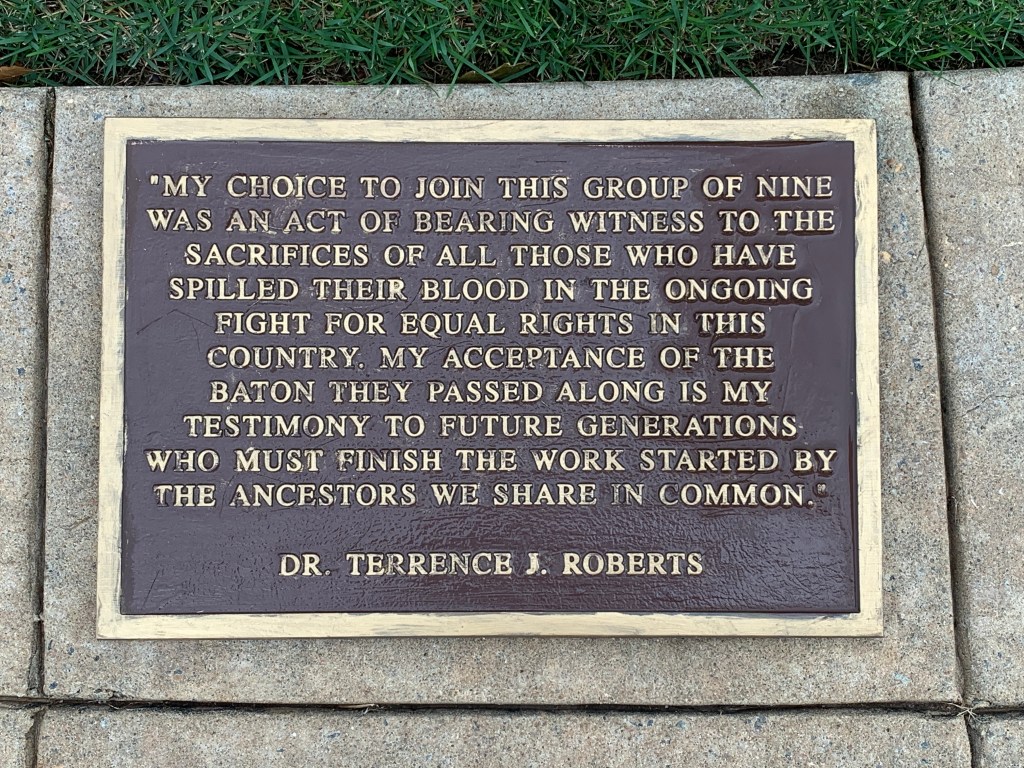
The most emotionally powerful stop came at the Little Rock Nine Monument. The monument honors the nine Black students who integrated Central High School in 1957 under federal protection after Arkansas Governor Orval Faubus attempted to block their entry. President Dwight D. Eisenhower ultimately sent the 101st Airborne Division to enforce desegregation, turning Little Rock into a defining battleground of the Civil Rights Movement.
Little Rock balances political memory, civil rights history, and Southern identity in ways that remain deeply visible throughout the city.


Leave a comment