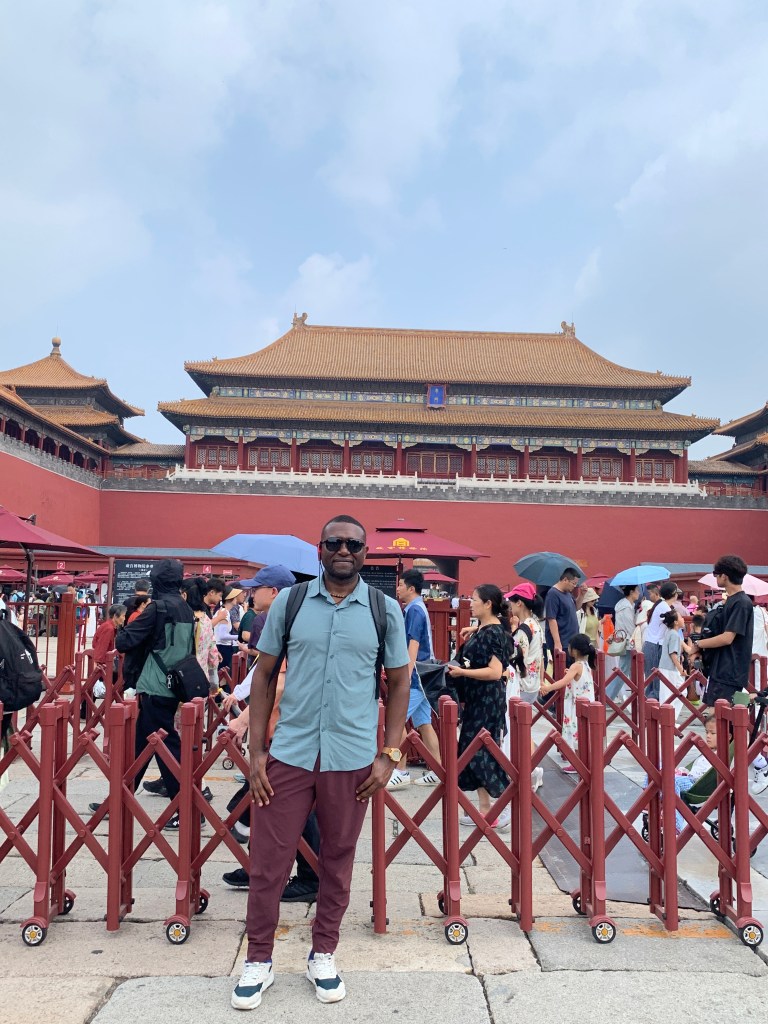
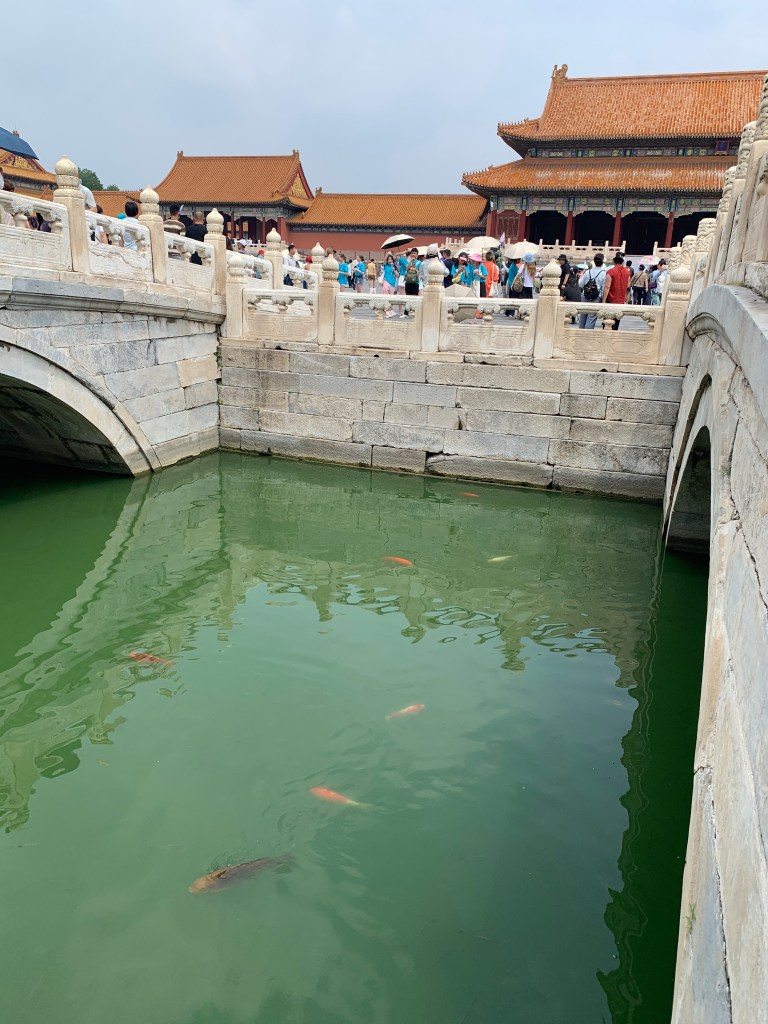
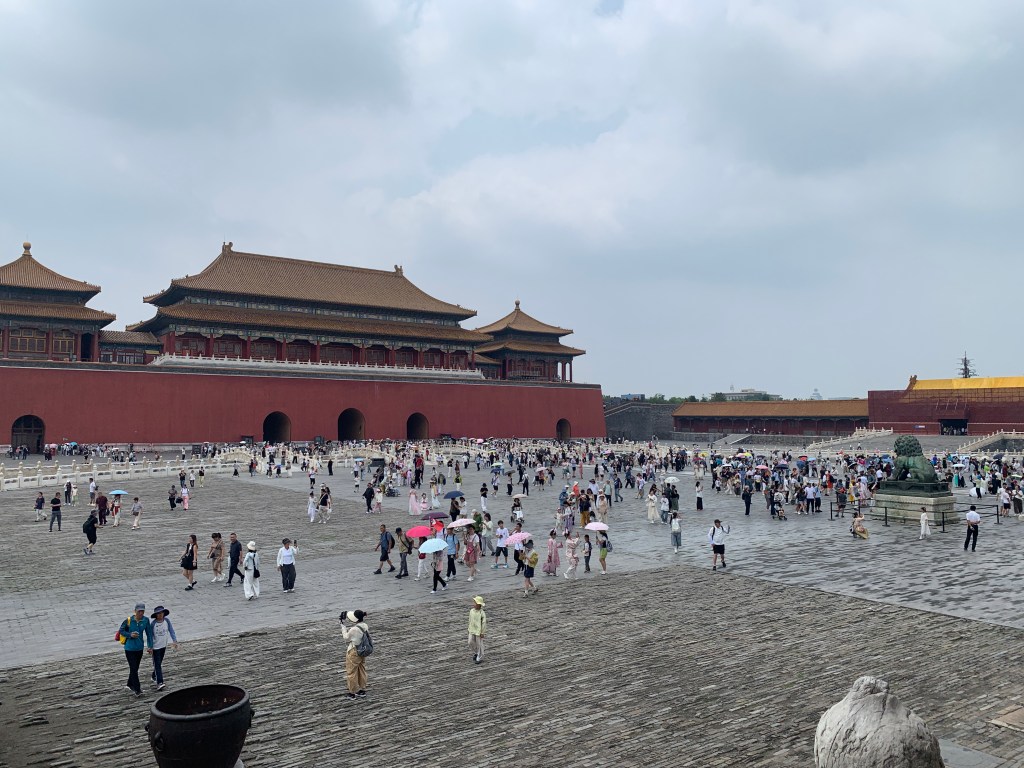
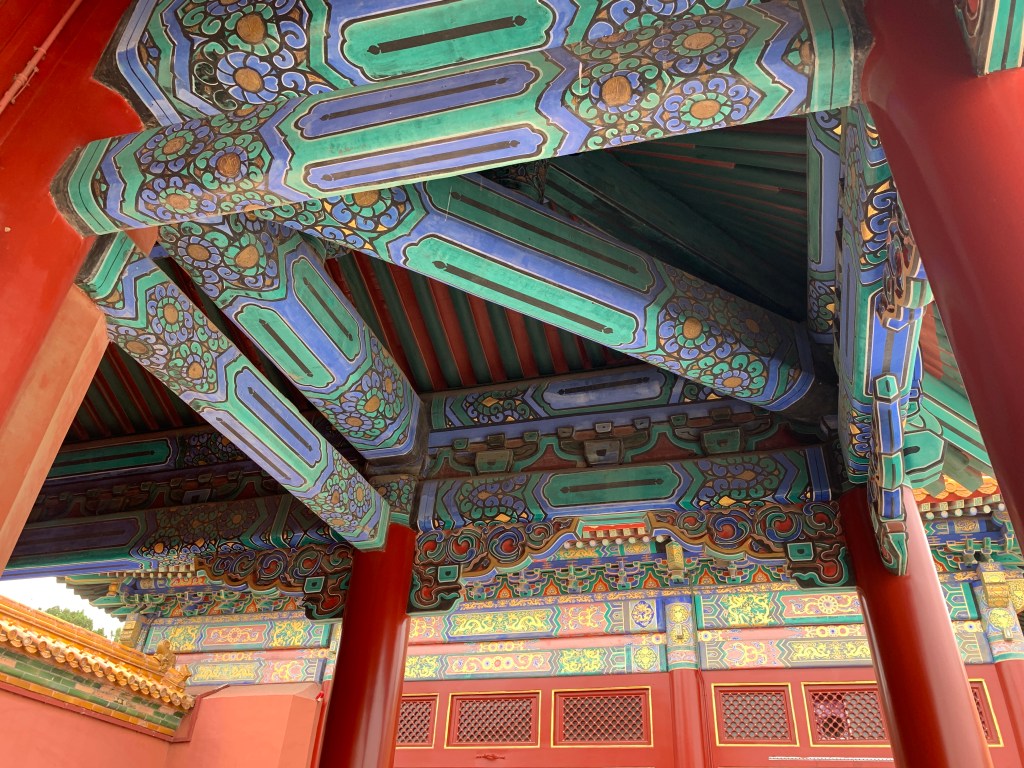
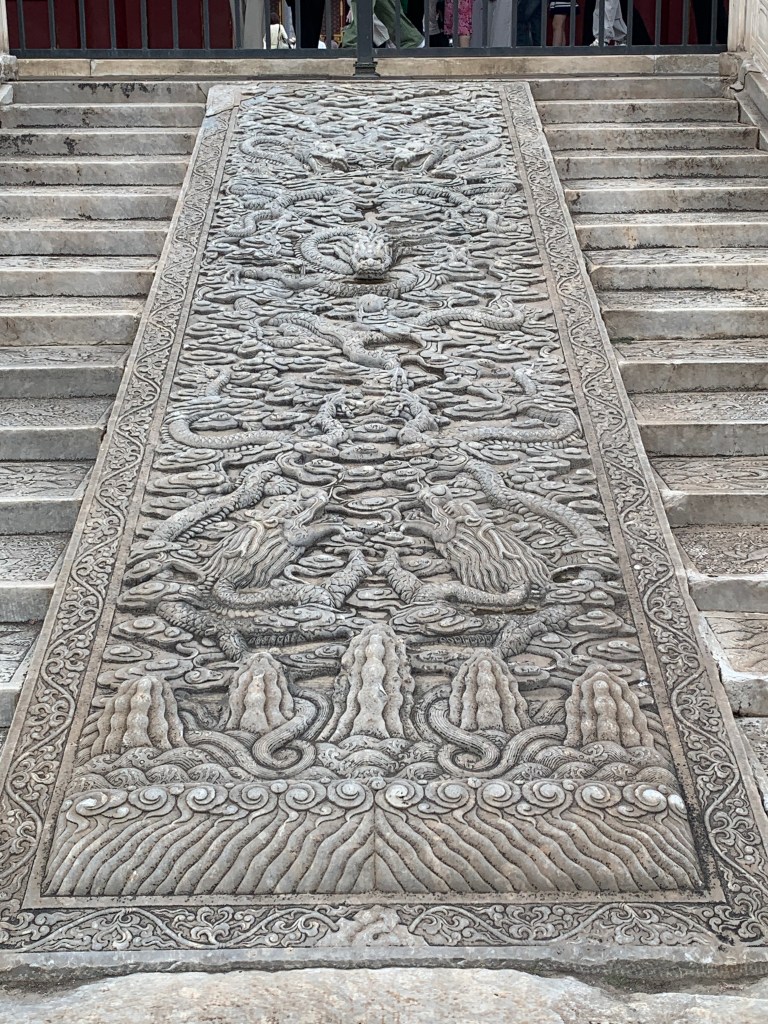
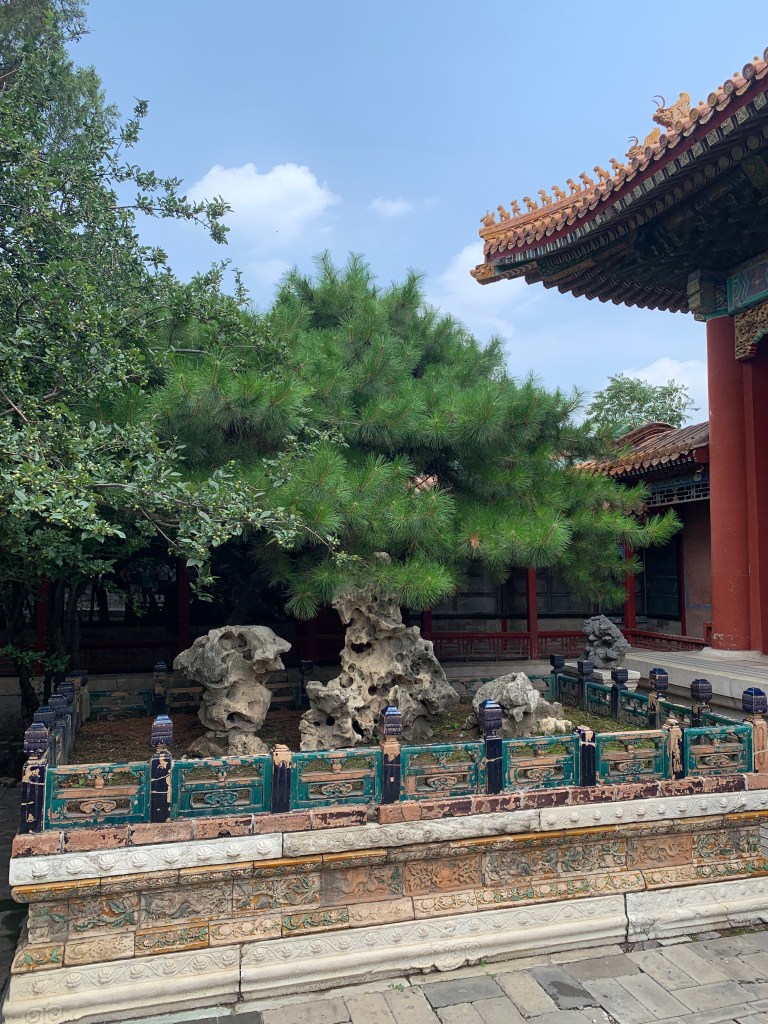
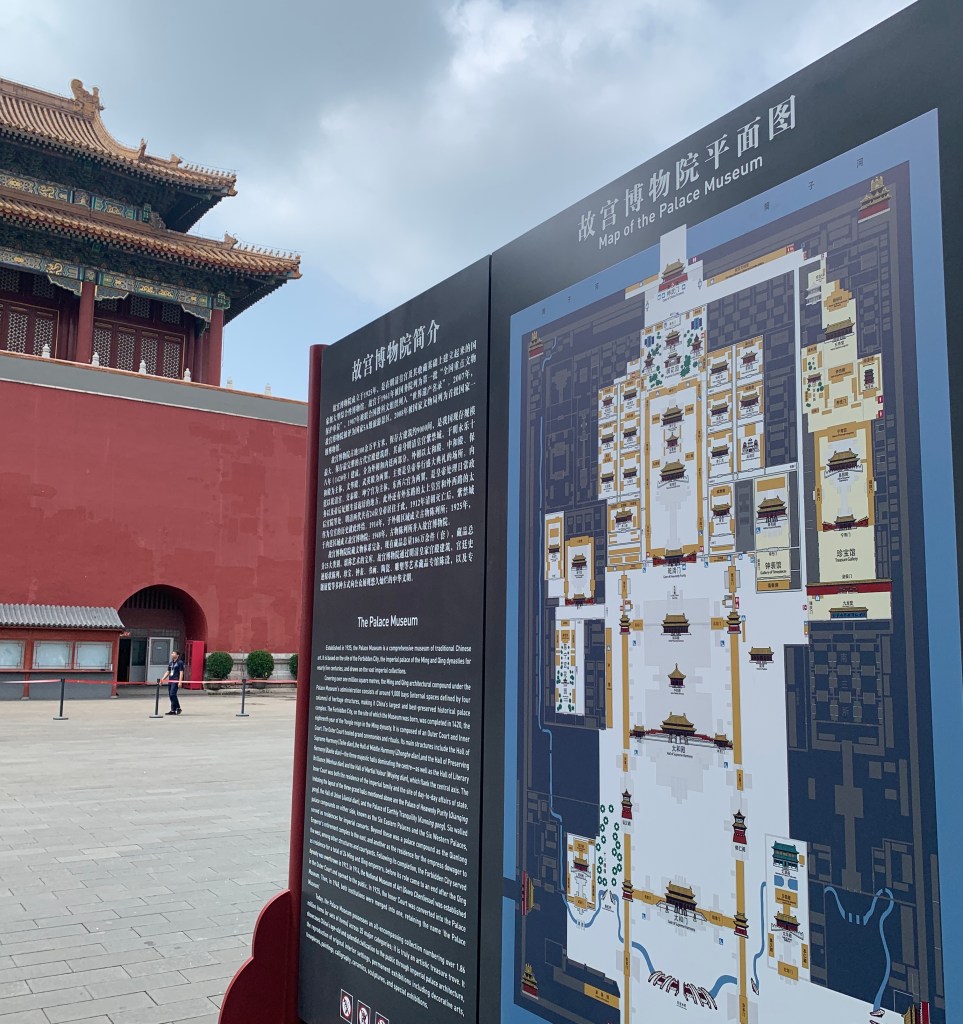
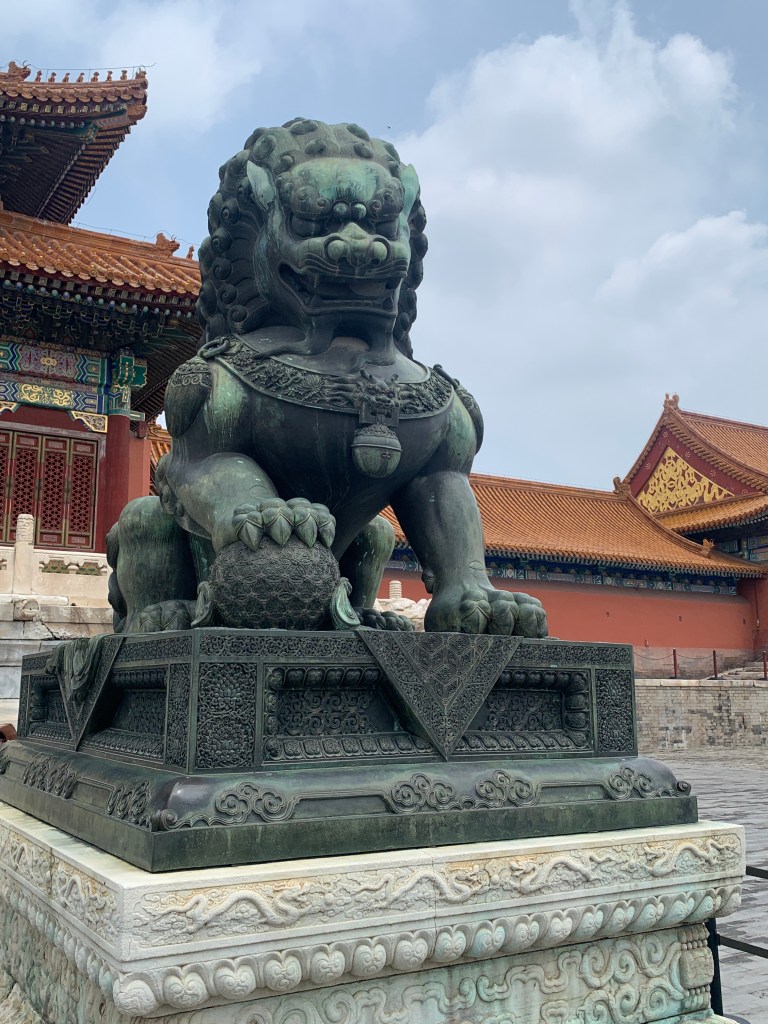
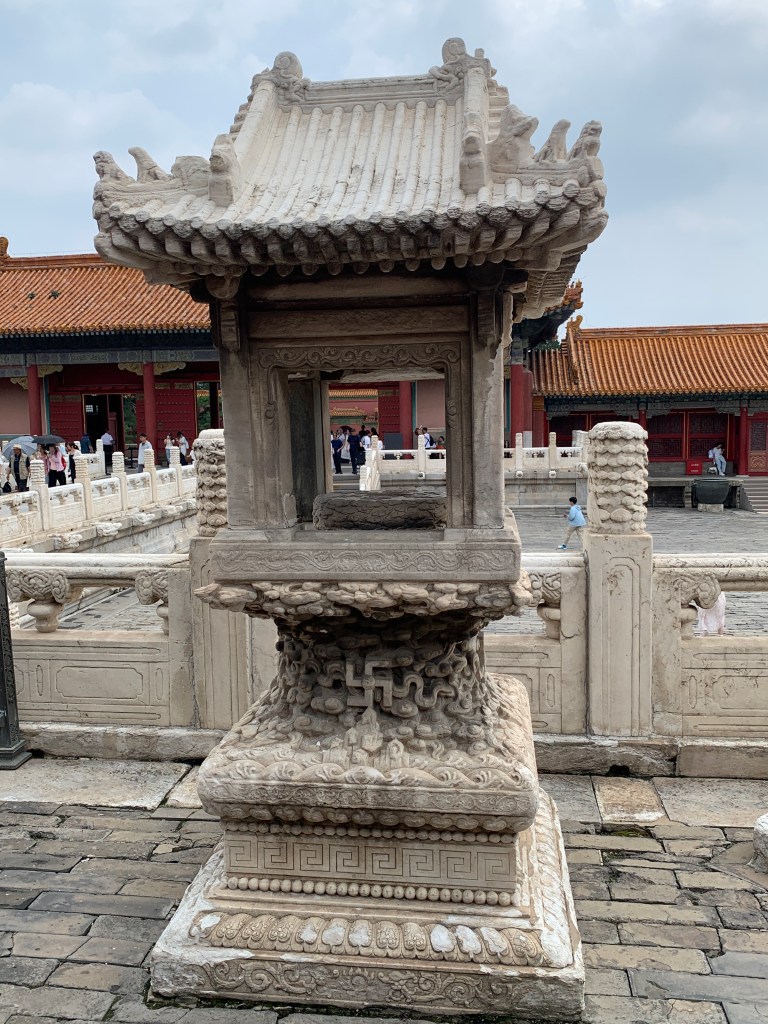
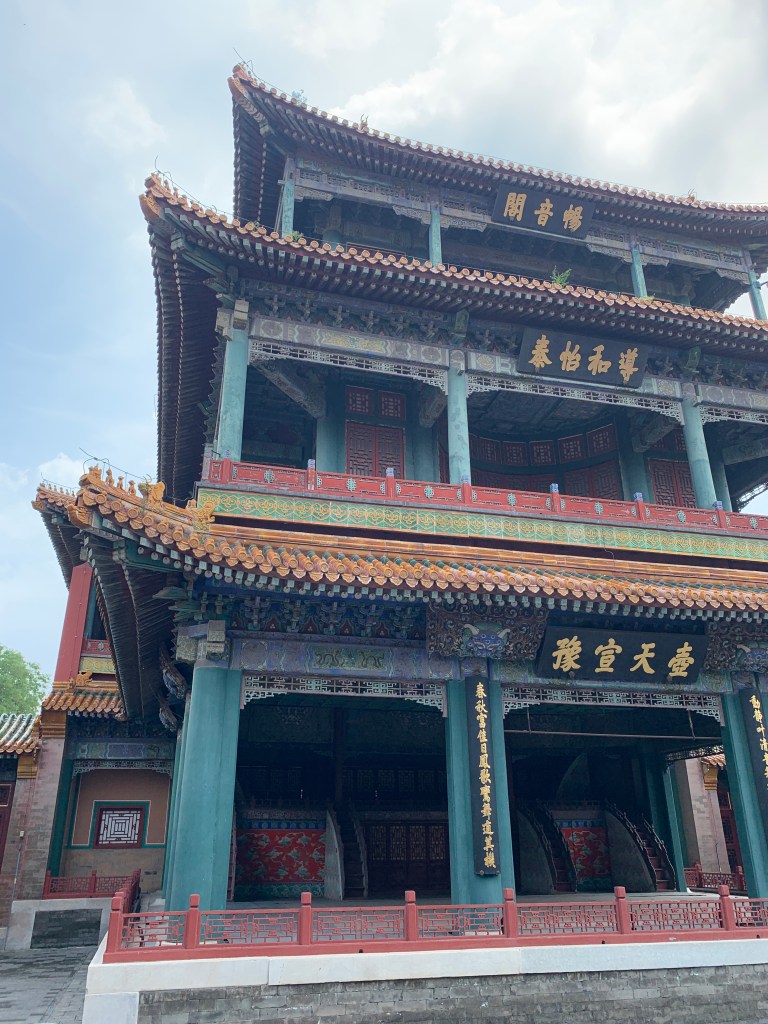
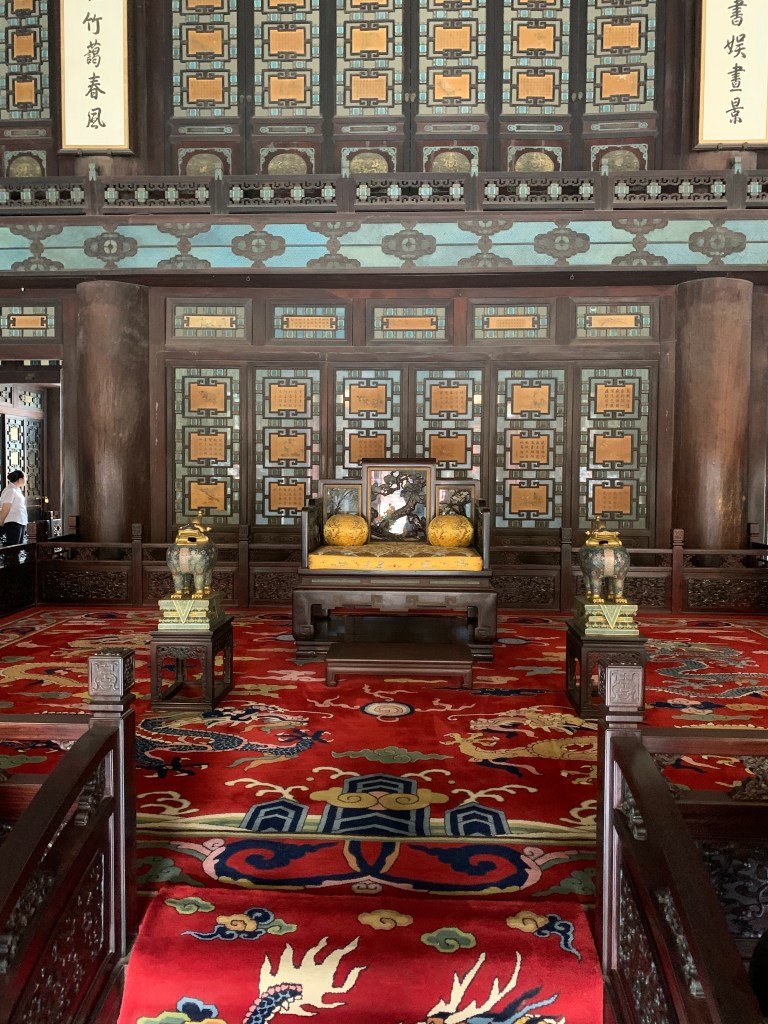
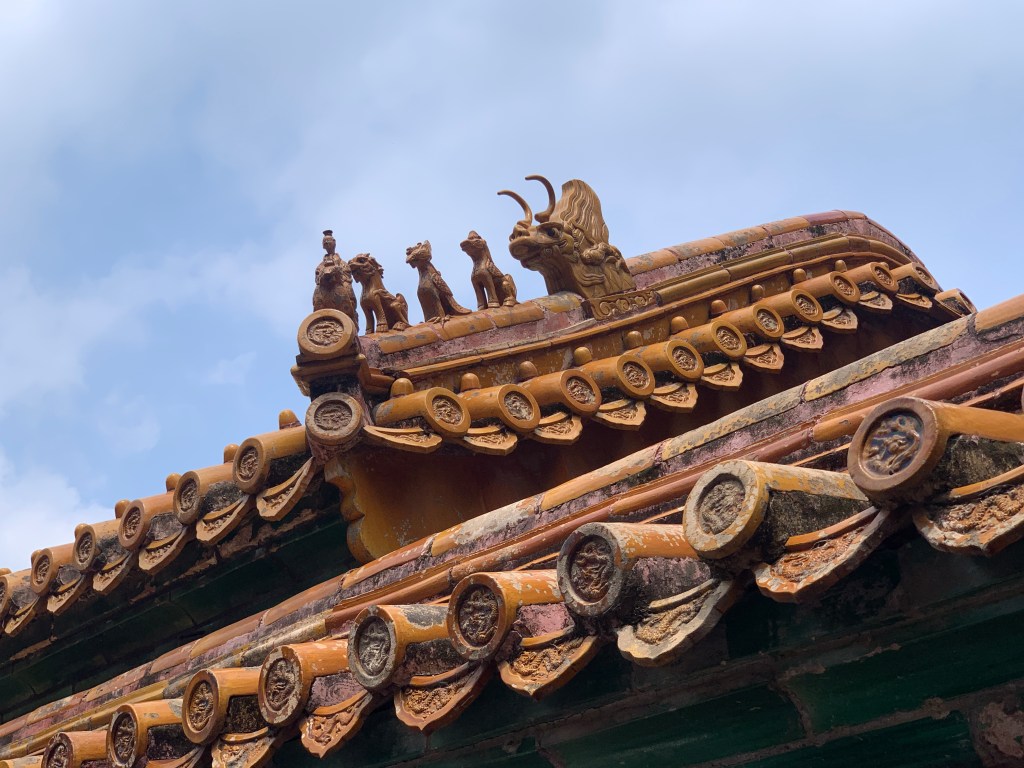
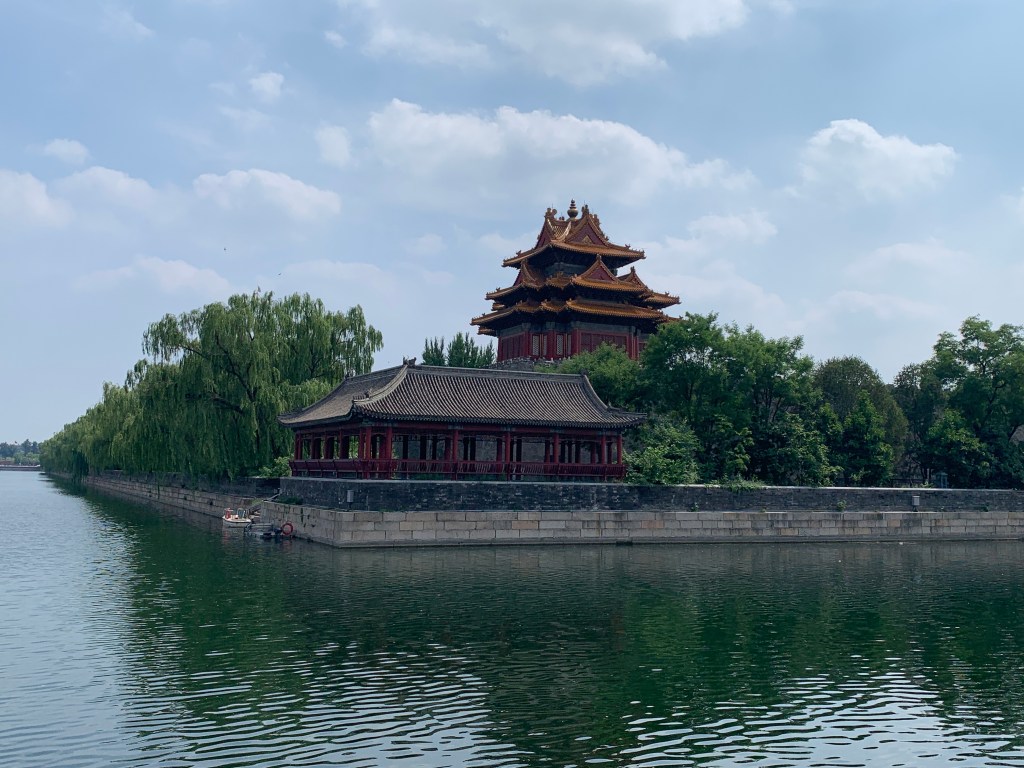
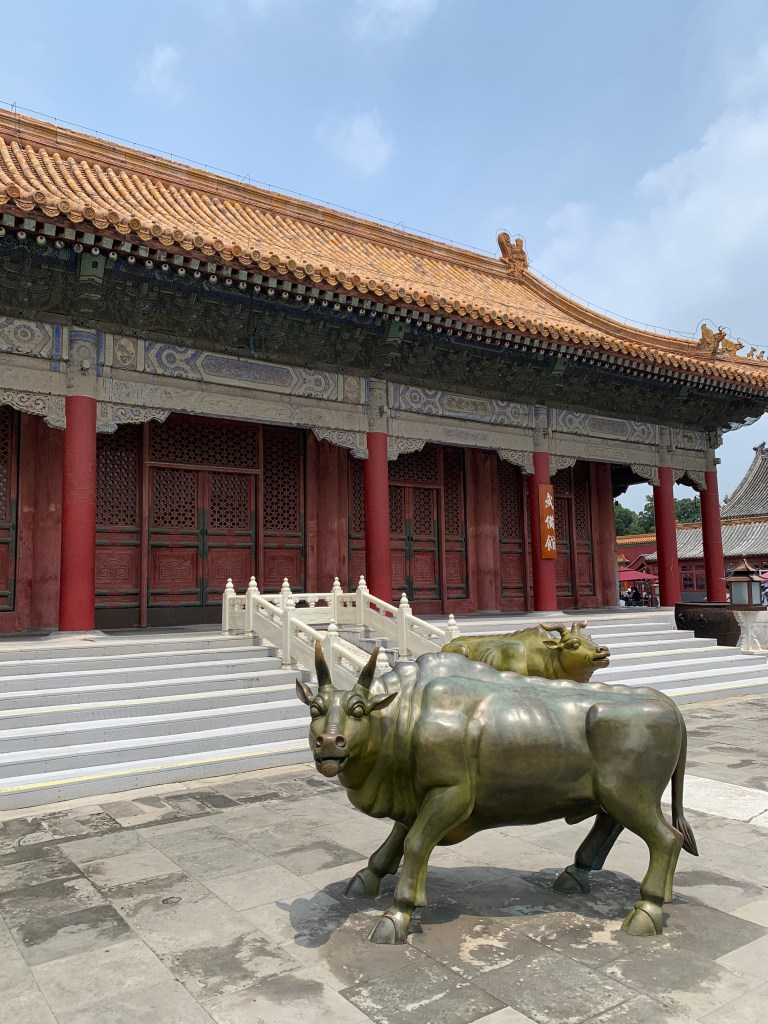
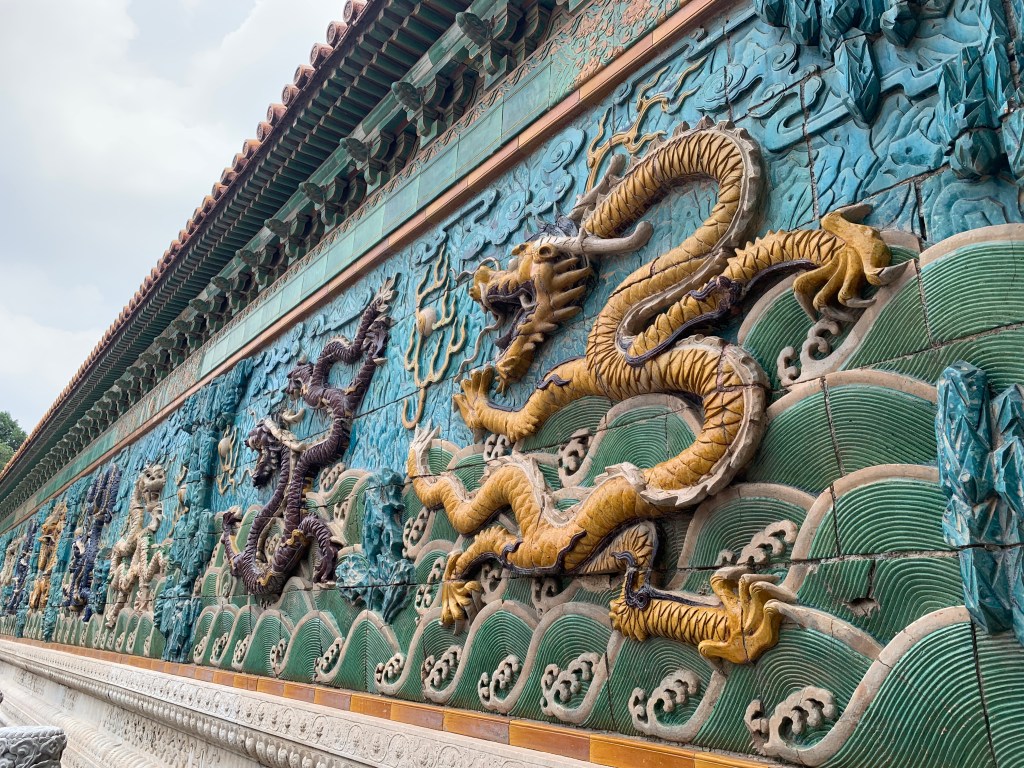
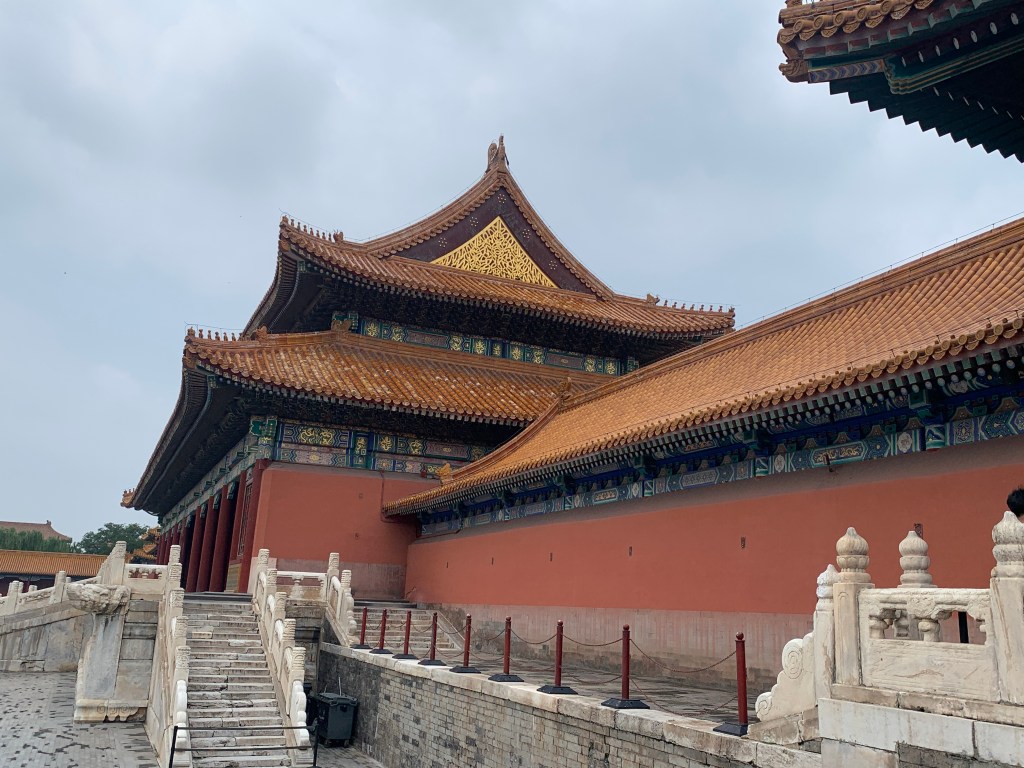
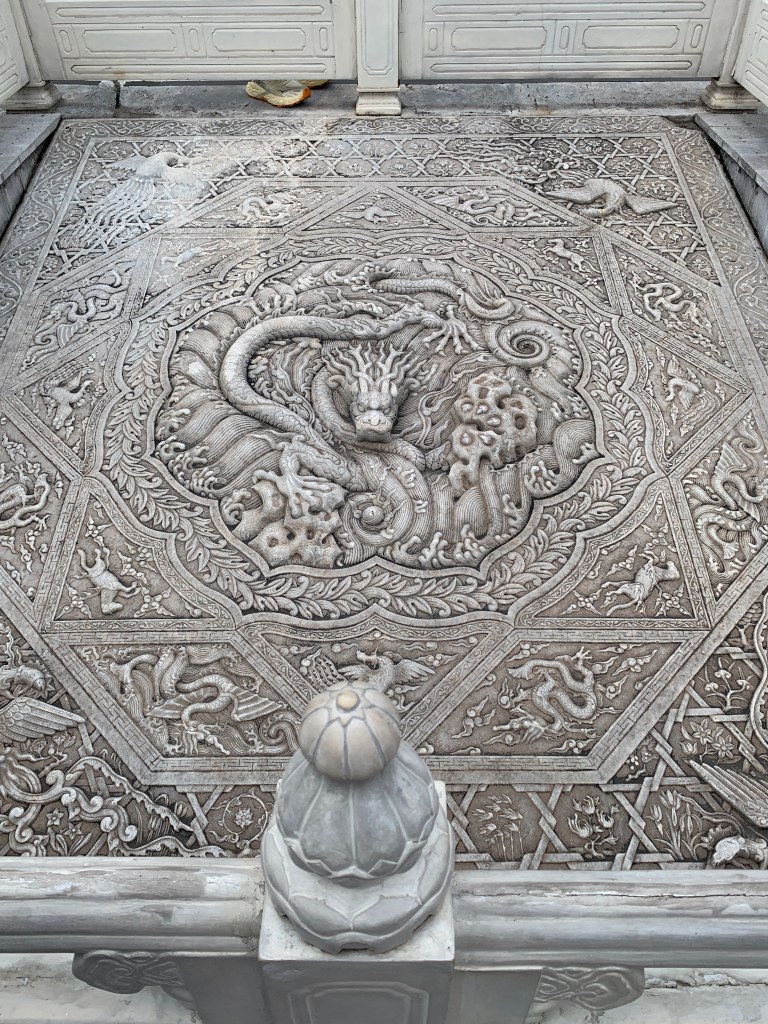
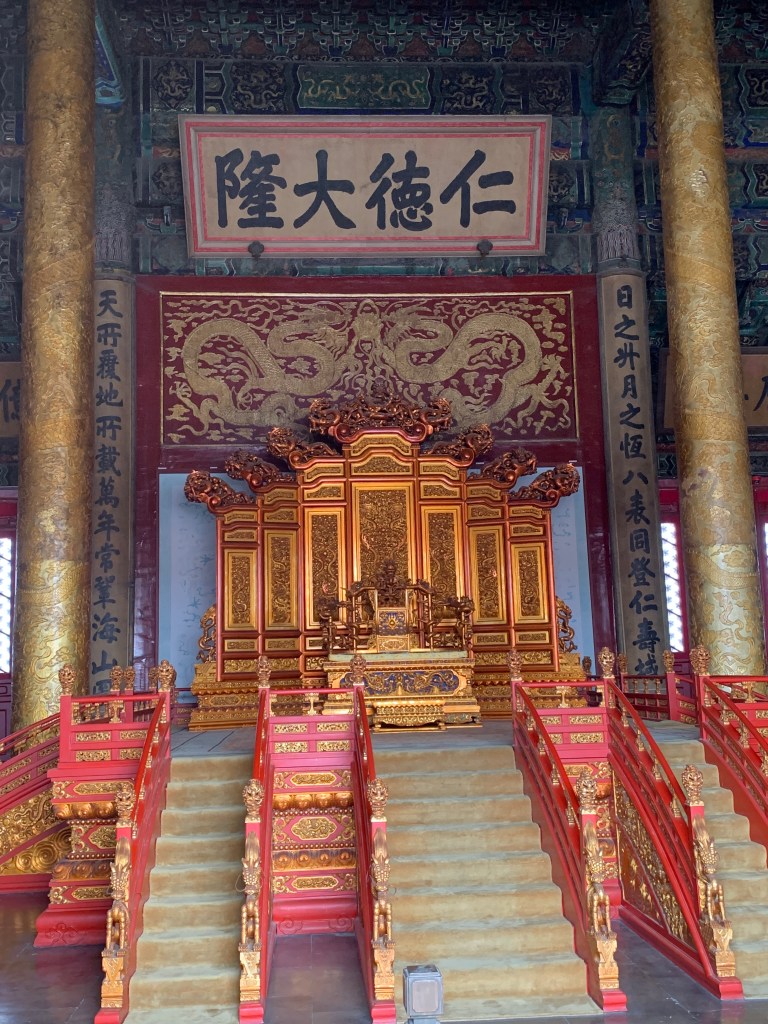
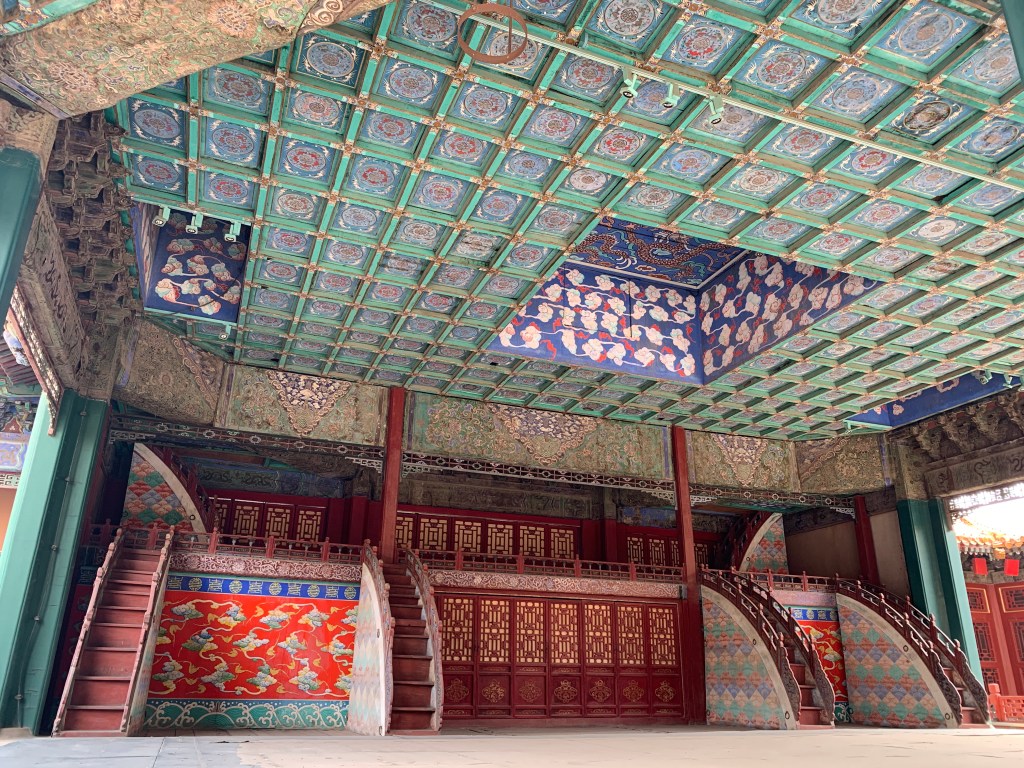
Ancient walls and imperial grandeur define the first impressions of Beijing. The city carries more than three thousand years of history, yet its most remarkable landmarks continue to shape its identity. Entering the Forbidden City felt like stepping into the political and ceremonial heart of imperial China. Constructed between 1406 and 1420 during the reign of the Yongle Emperor, the palace served as the residence of twenty-four emperors from the Ming and Qing dynasties for nearly five centuries. Passing through its vast courtyards and grand halls offered a sense of the immense authority once exercised within these walls.
One of the most fascinating stories surrounding the Forbidden City concerns the abdication of the last emperor, Puyi. Although the Qing dynasty ended in 1912, Puyi continued living inside the palace until 1924 before being expelled, marking the close of more than two thousand years of imperial rule in China.
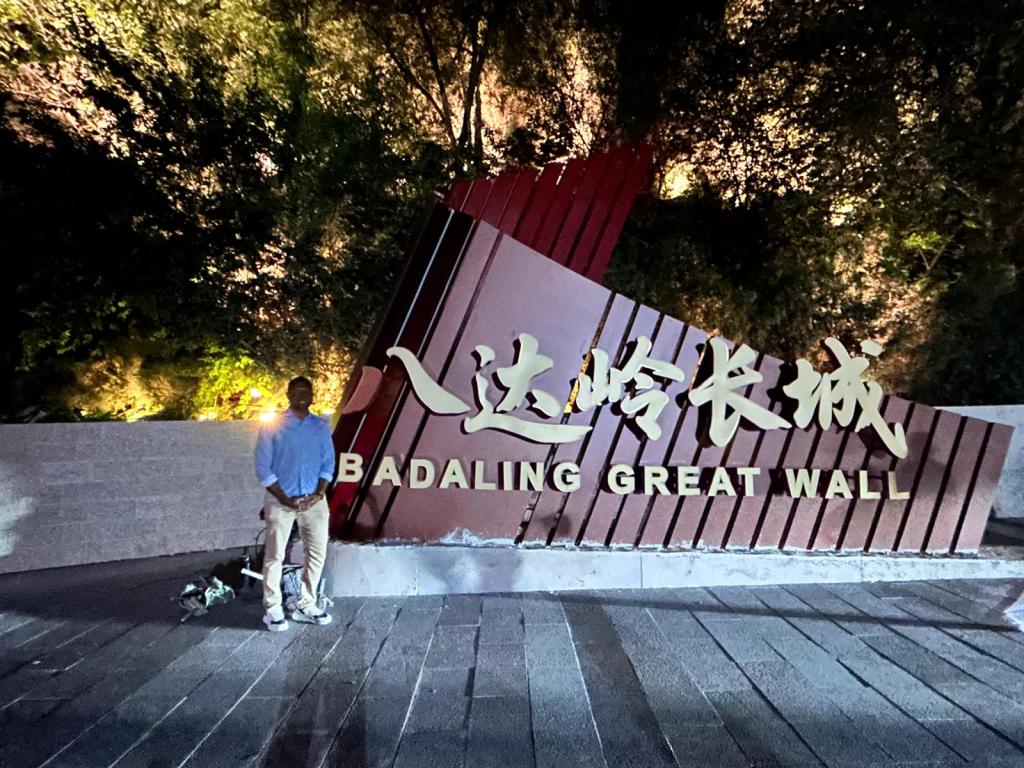
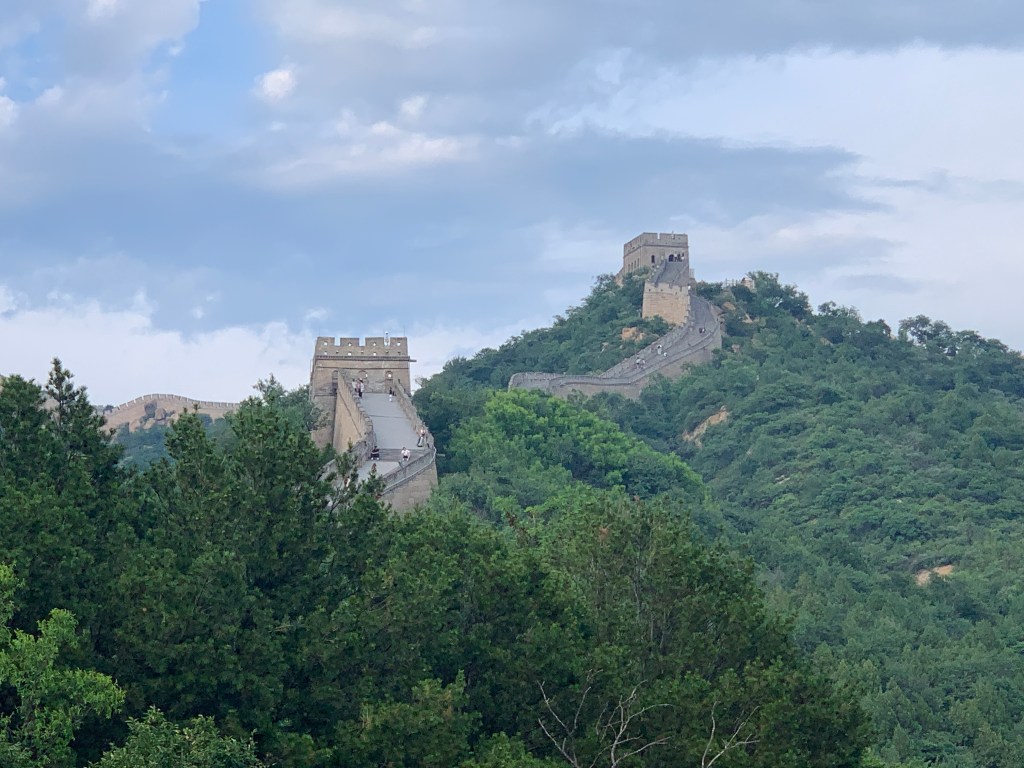
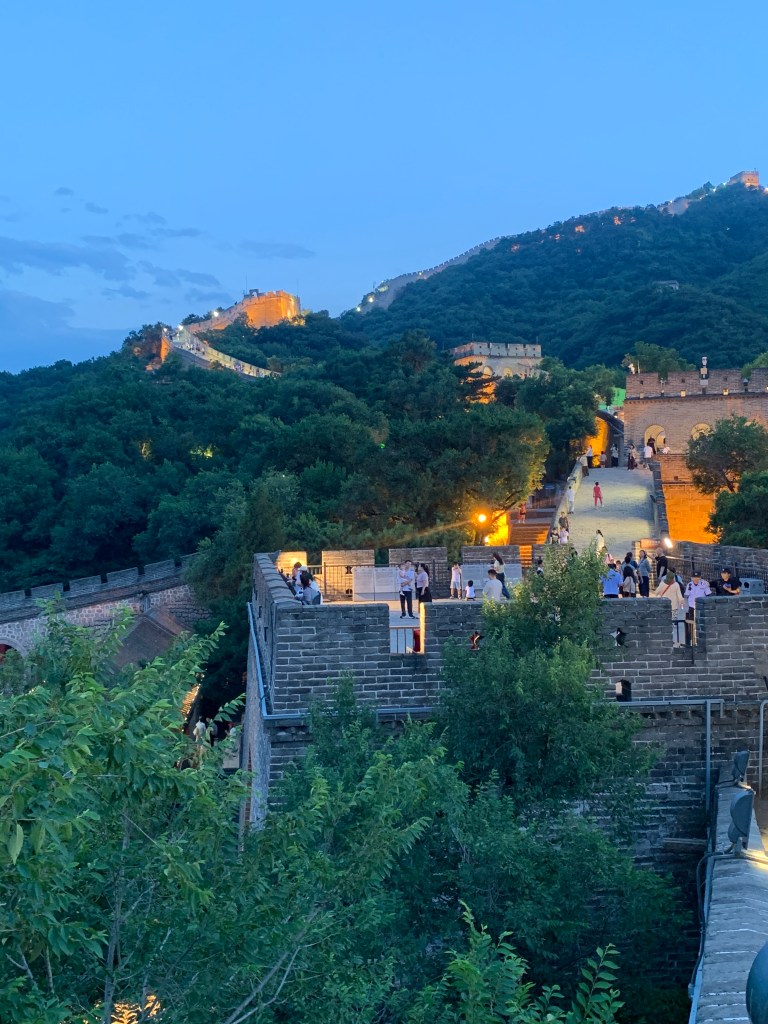
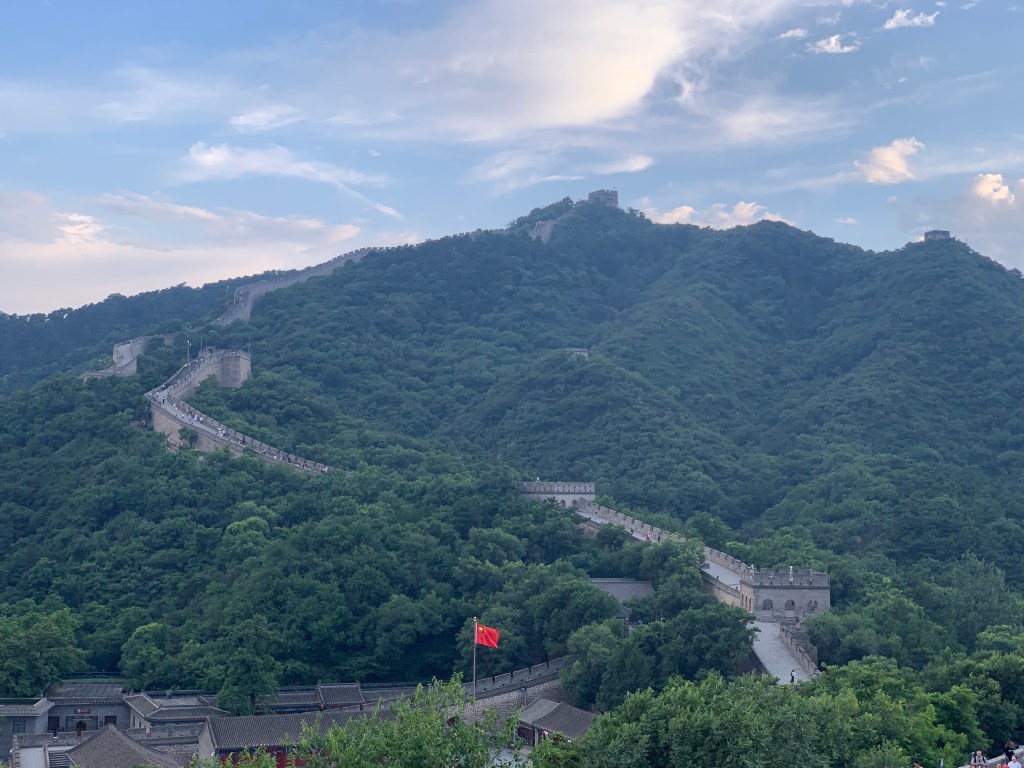
The following excursion to the Badaling Great Wall revealed a very different chapter of Chinese history. Stretching across rugged mountain ridges, the wall reflects centuries of military strategy and engineering. While earlier fortifications existed, much of the structure seen at Badaling today was built during the Ming dynasty to defend against northern invasions. Standing atop the wall, it was easy to appreciate both its defensive purpose and the extraordinary effort required to construct it across such challenging terrain.
From the heights of Badaling, the surrounding mountains seemed endless, contrasting with the ordered symmetry of the Forbidden City. Together, these landmarks reveal two defining elements of Beijing: imperial governance at its center and enduring national defense along its frontier.


Leave a Reply