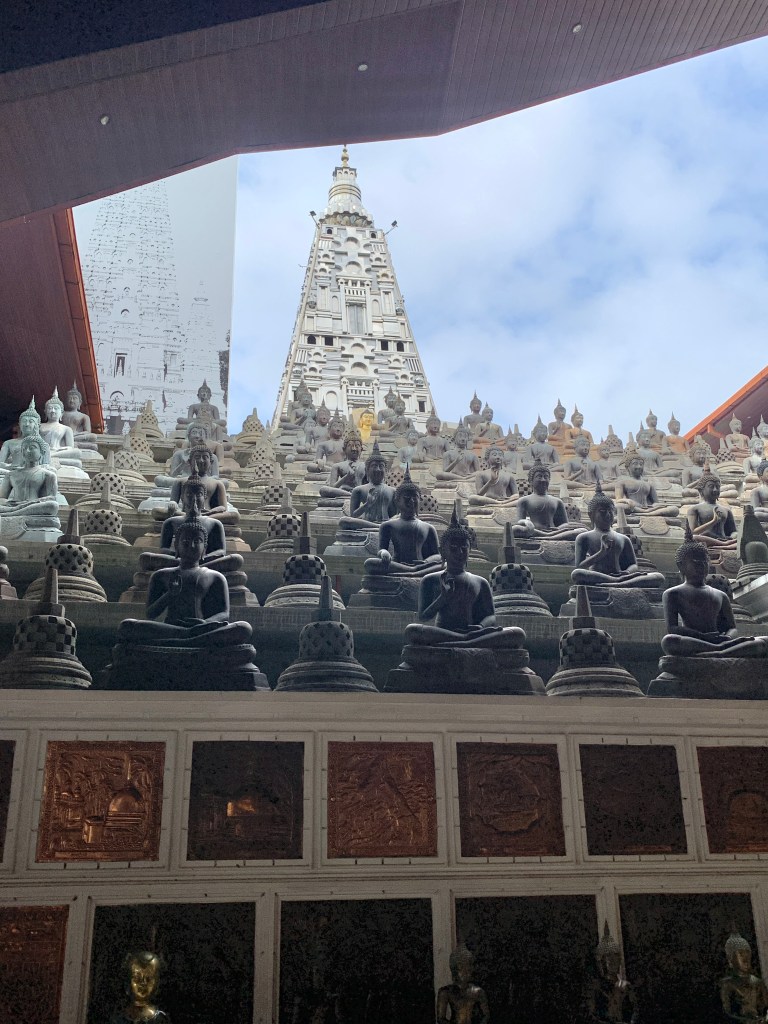
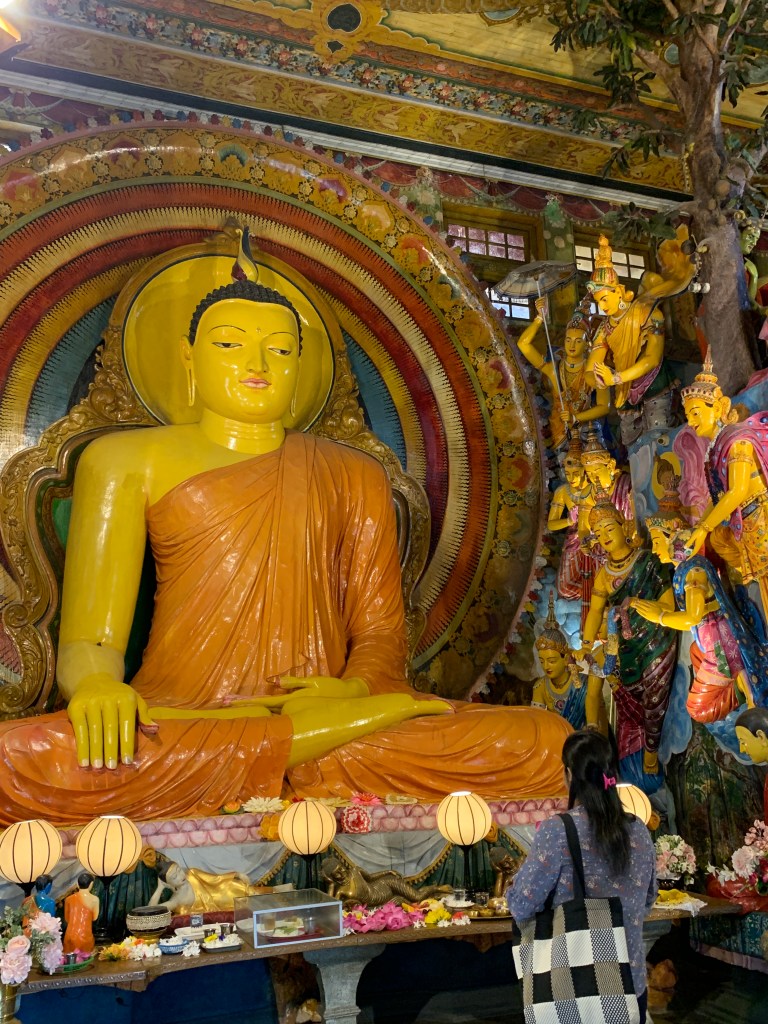
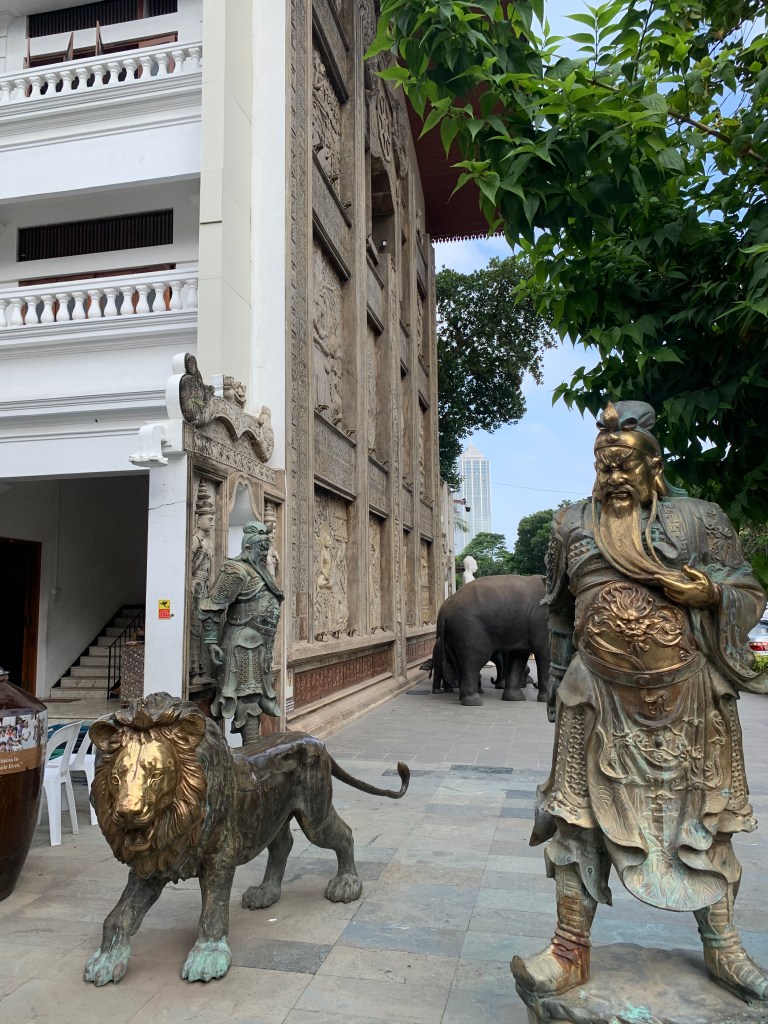
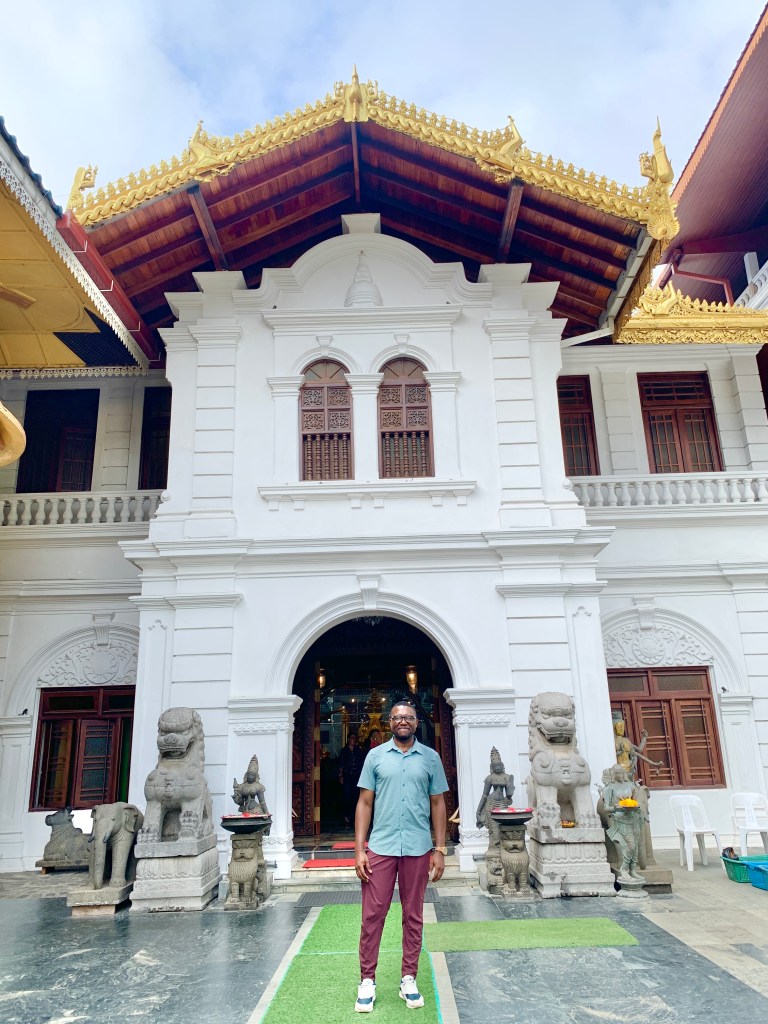
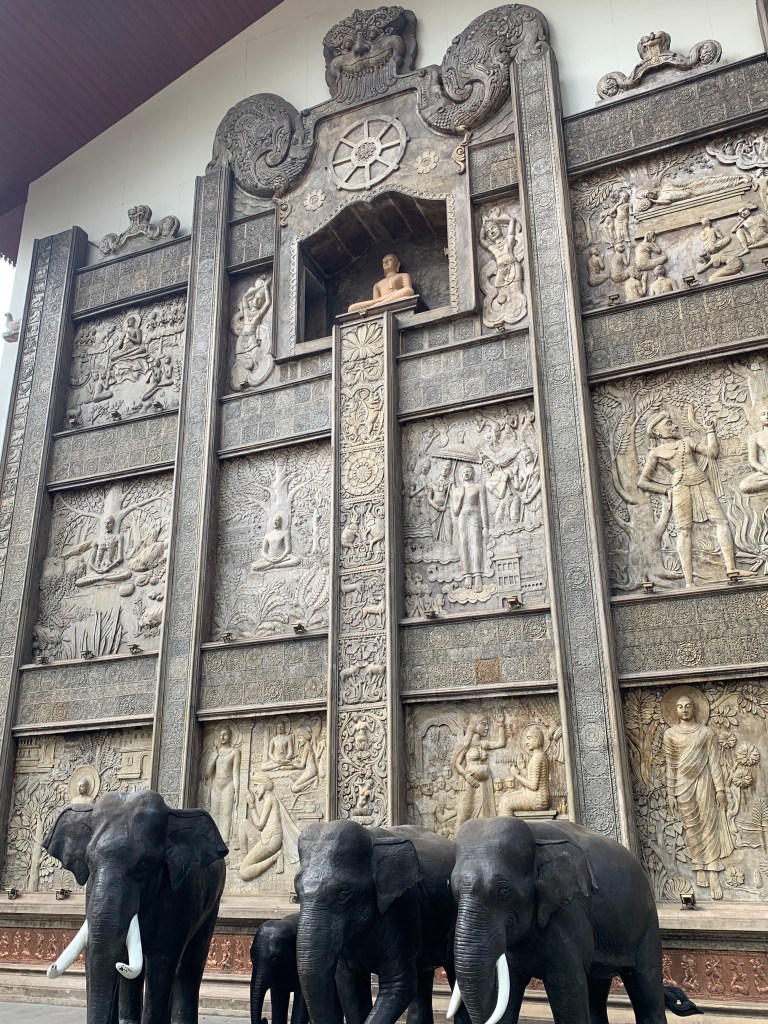
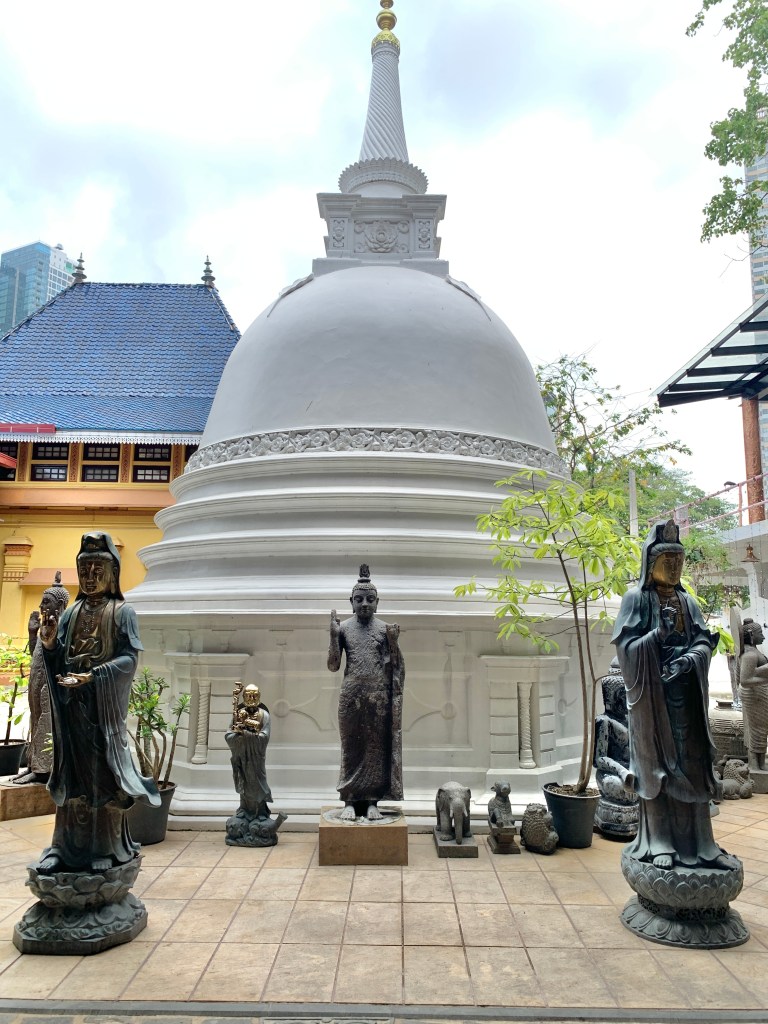
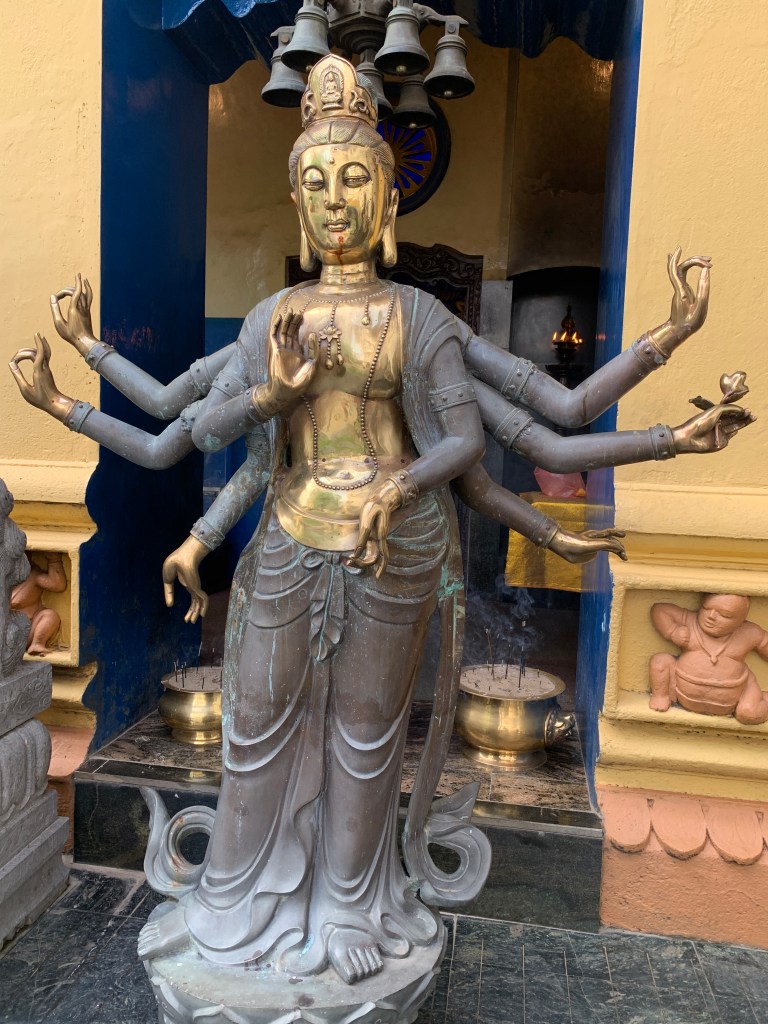
Ocean breezes and the constant rhythm of city life define Colombo. As Sri Lanka’s commercial capital, Colombo brings together centuries of trade, colonial history, and religious tradition within a remarkably compact area. The visit began at Gangaramaya Temple, where Buddhist statues, relics, and quiet courtyards offered a peaceful introduction to the city. The temple reflects Colombo’s enduring Buddhist heritage while serving as an active center of worship and education.
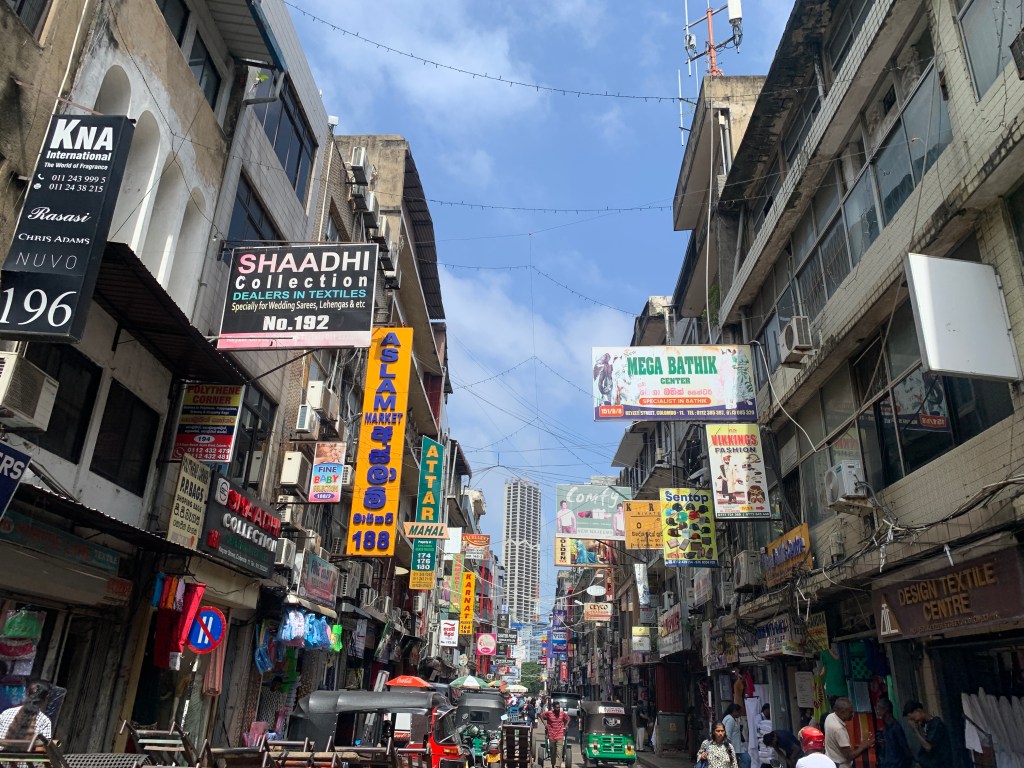
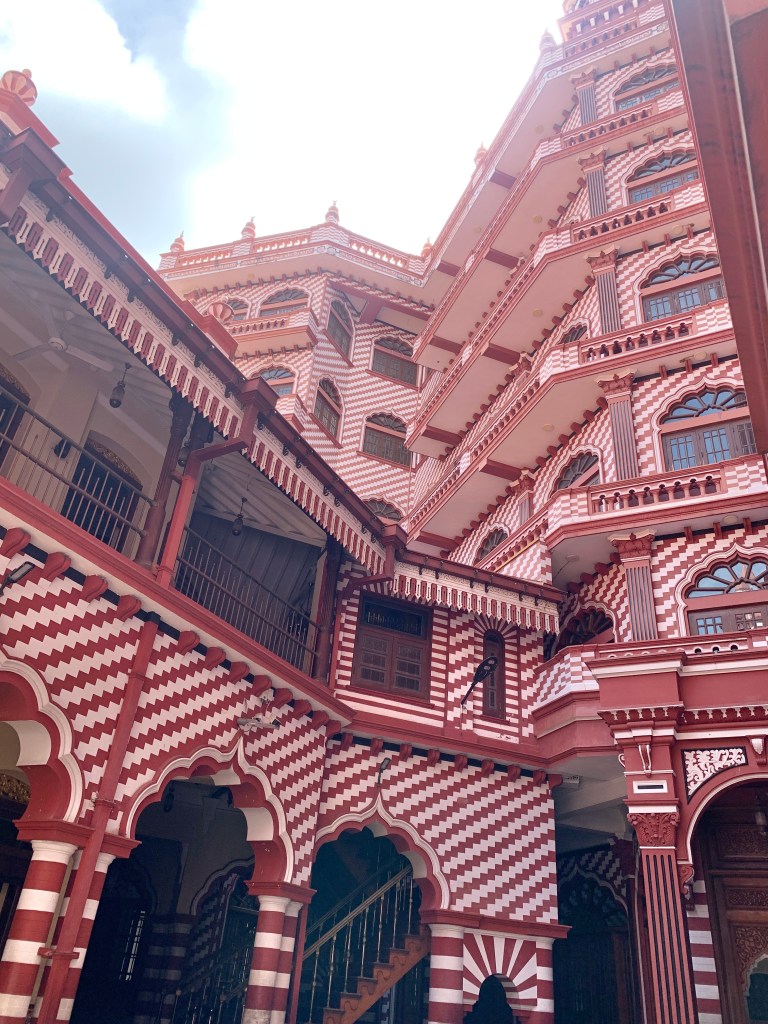
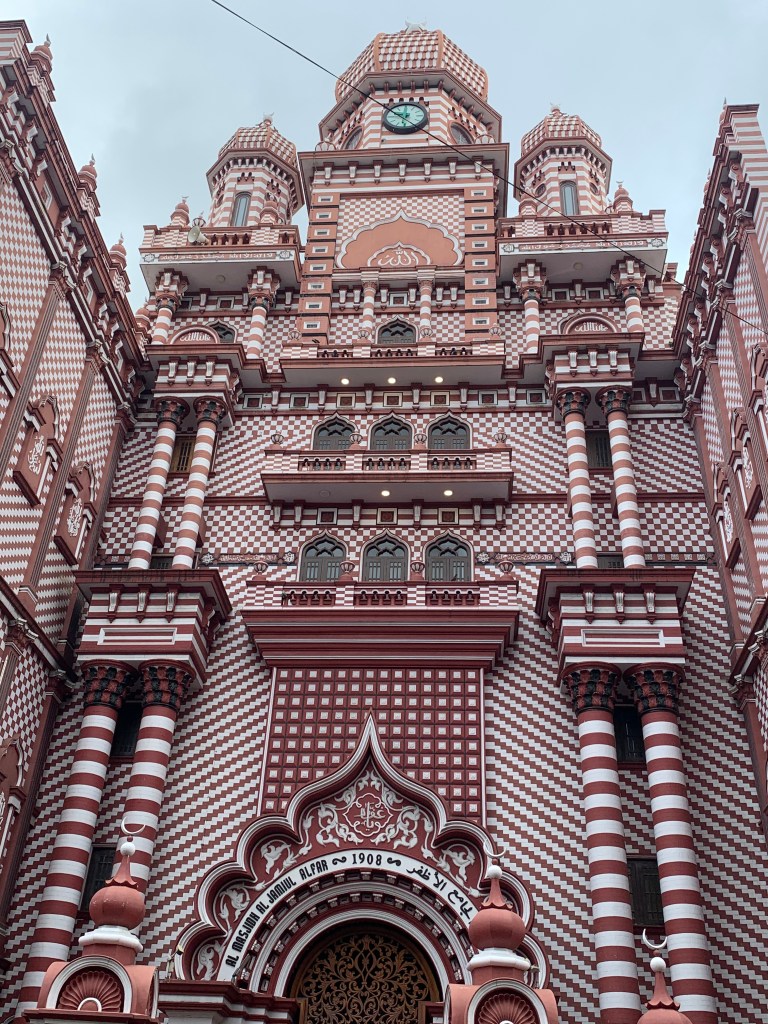
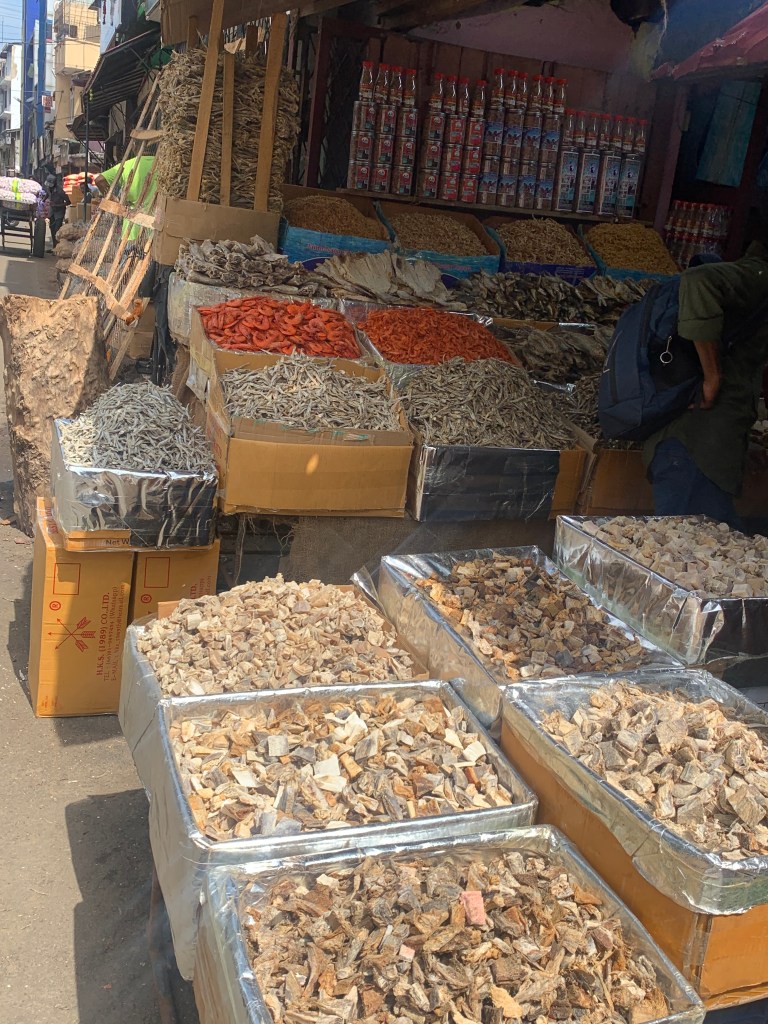
The pace changed dramatically in Pettah, where narrow streets overflowed with merchants, colorful storefronts, and the sounds of bargaining. Nearby, the striking red-and-white Jami Ul-Alfar Mosque has welcomed worshippers since 1909 and remains one of the city’s most recognizable landmarks.
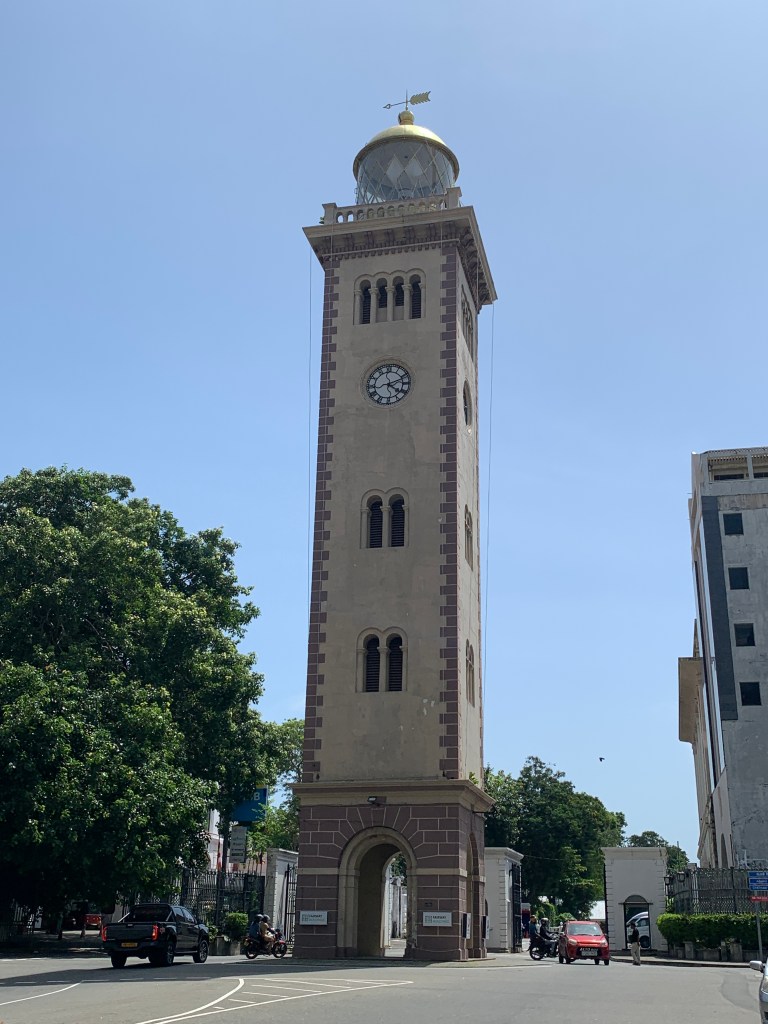
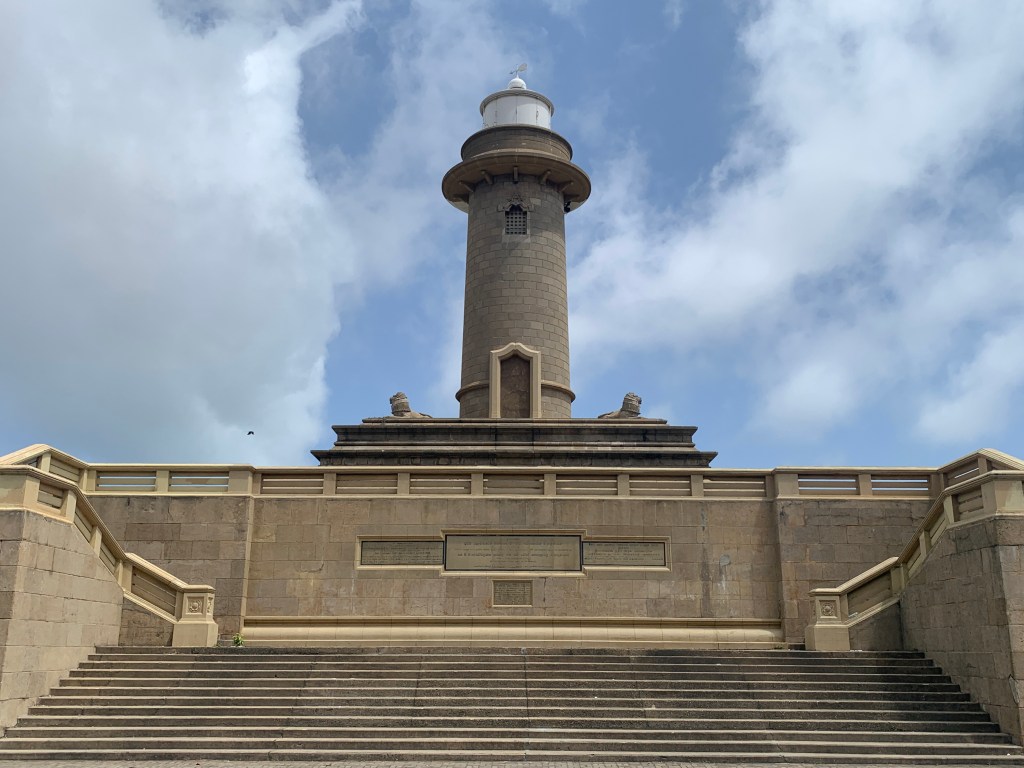
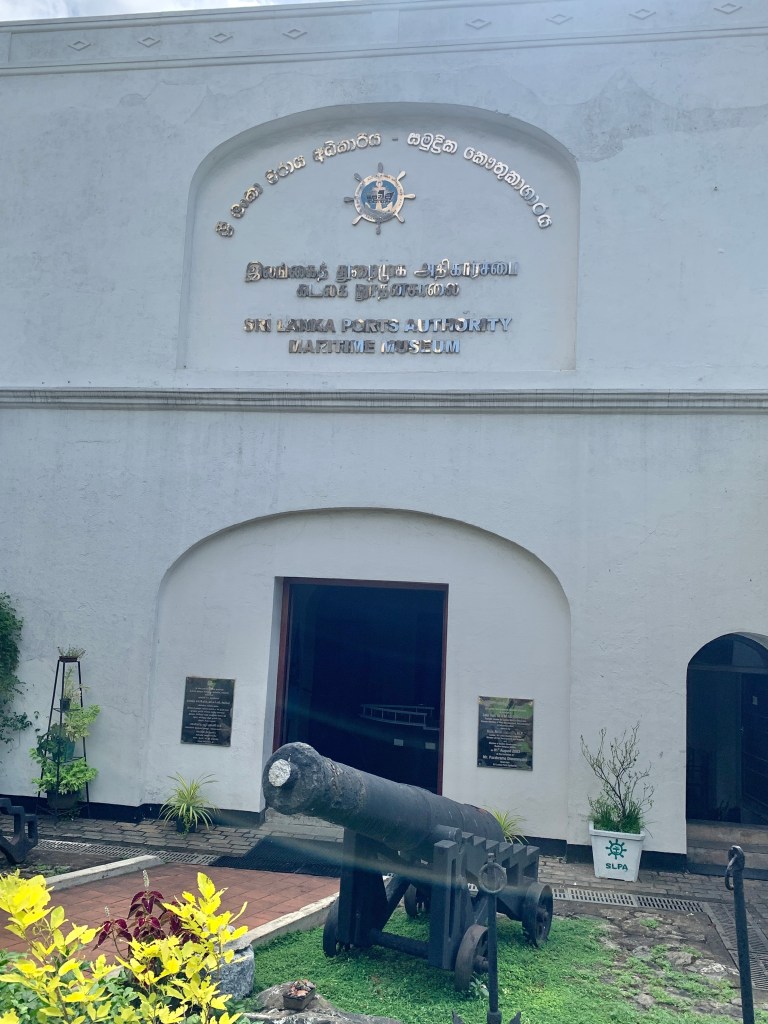
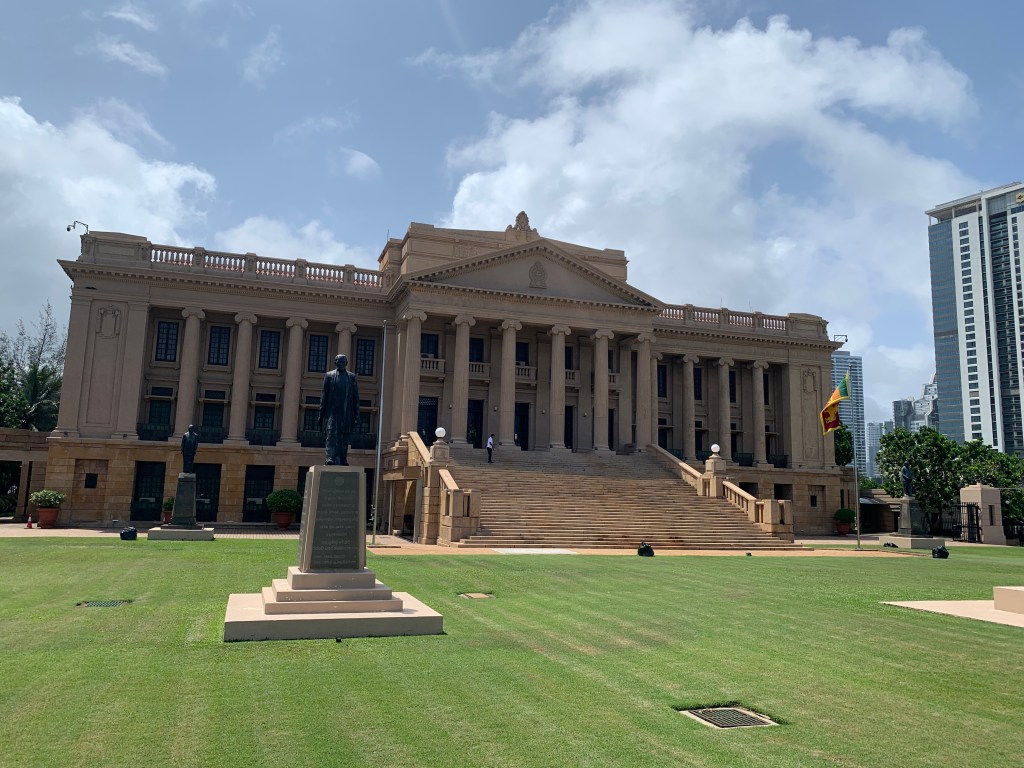
Walking through Colombo Fort revealed the city’s colonial legacy. Although originally fortified by the Portuguese in the 16th century, the Dutch later expanded the defenses before the British transformed the area into the island’s administrative and commercial center. Nearby, the restored Dutch Hospital, the elegant Cargills Building, the historic Old Parliament Building, and the city’s iconic Clock Tower each reflected different chapters of Colombo’s past.
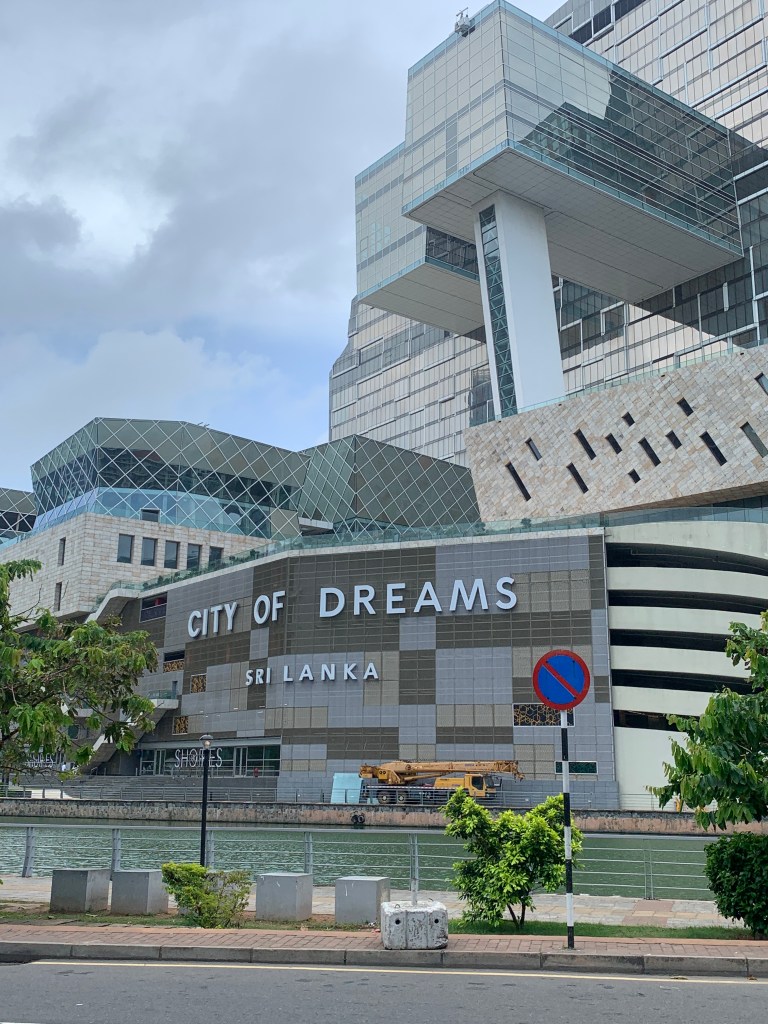
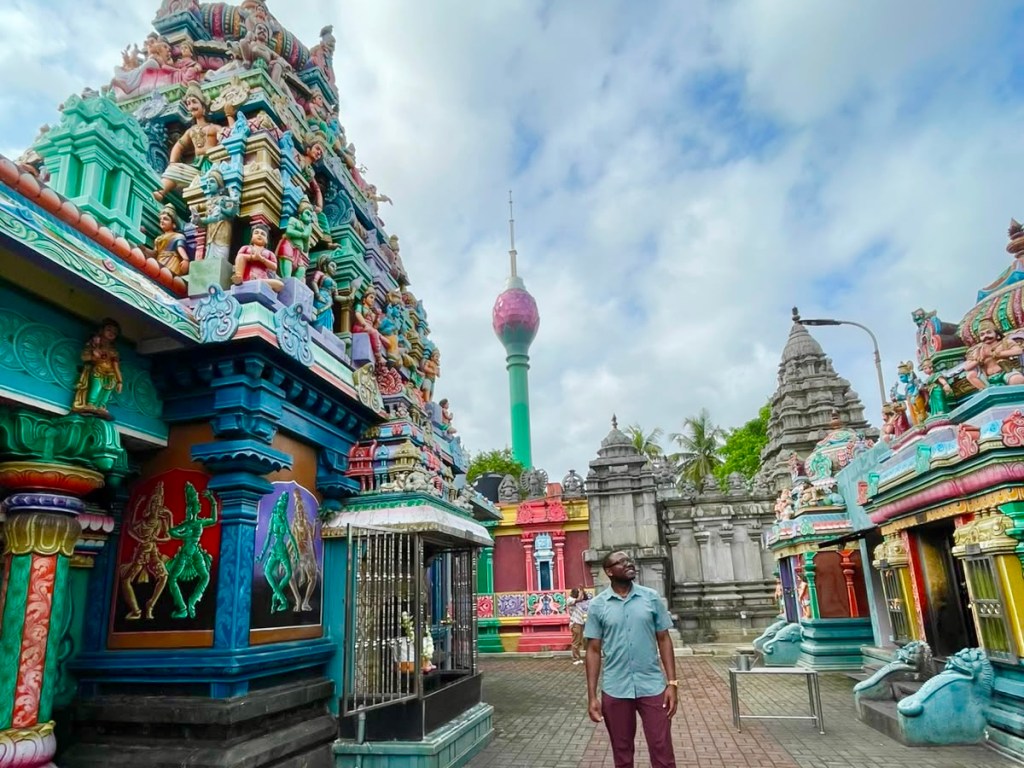
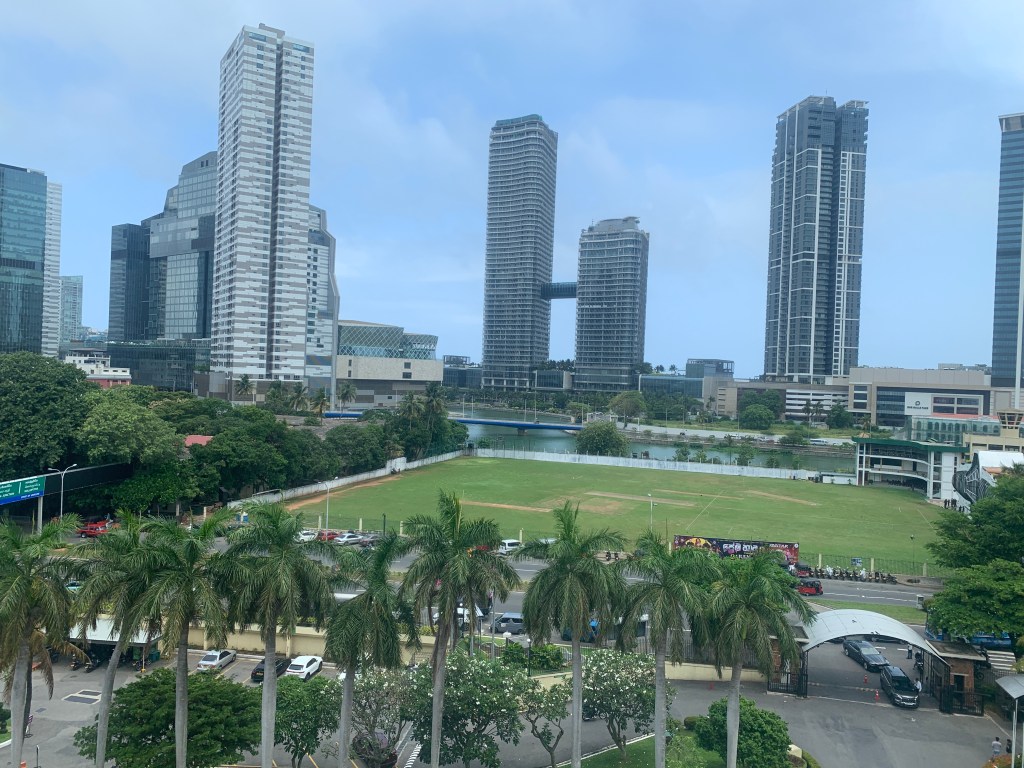
The afternoon continued with visits to Sri Ponnambalavaneswarar Temple and Sri Kathiresan Kovil, whose enduring traditions stand alongside modern development. From the observation deck of the Lotus Tower, Colombo stretched from the Indian Ocean to its expanding skyline.
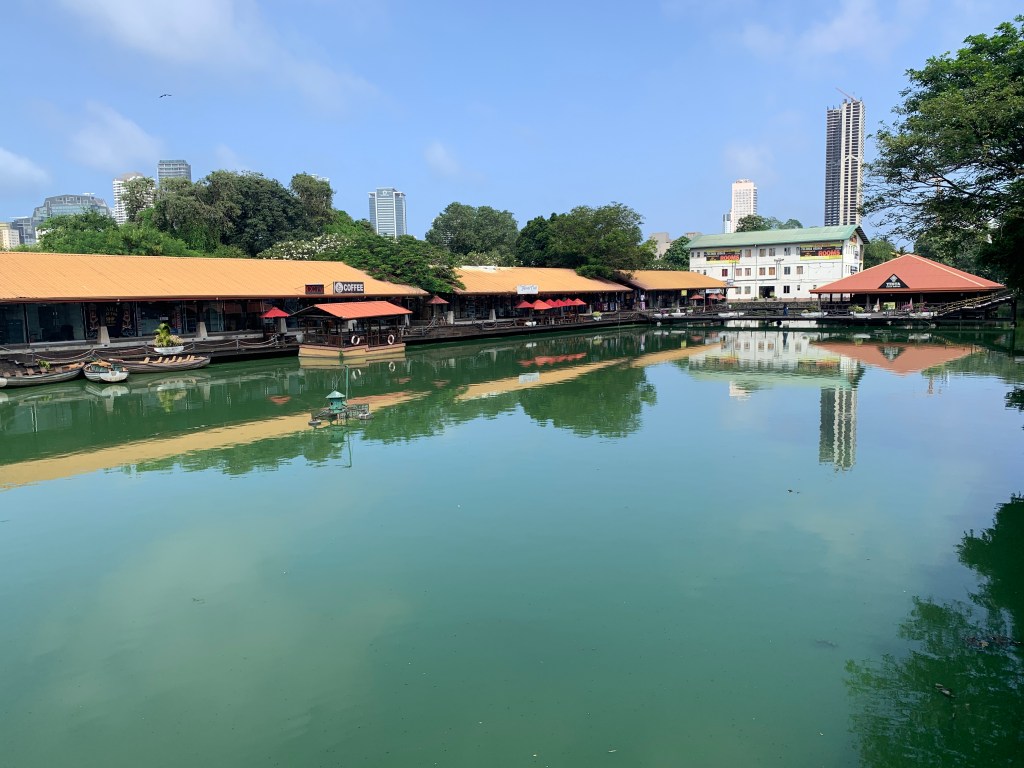
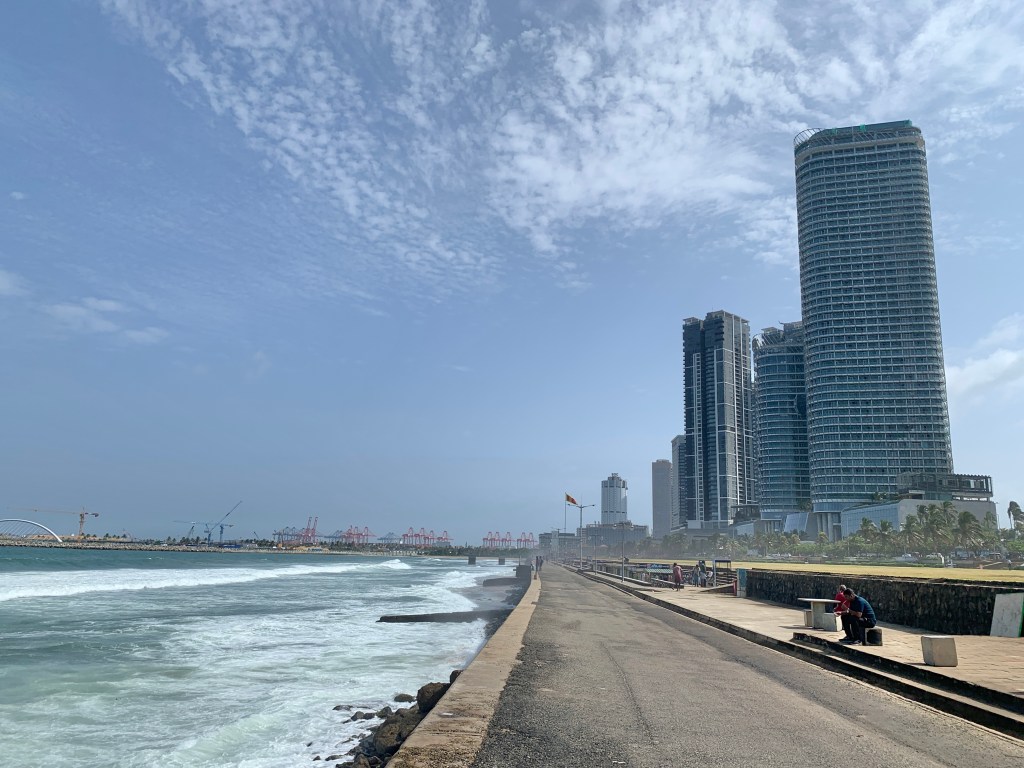
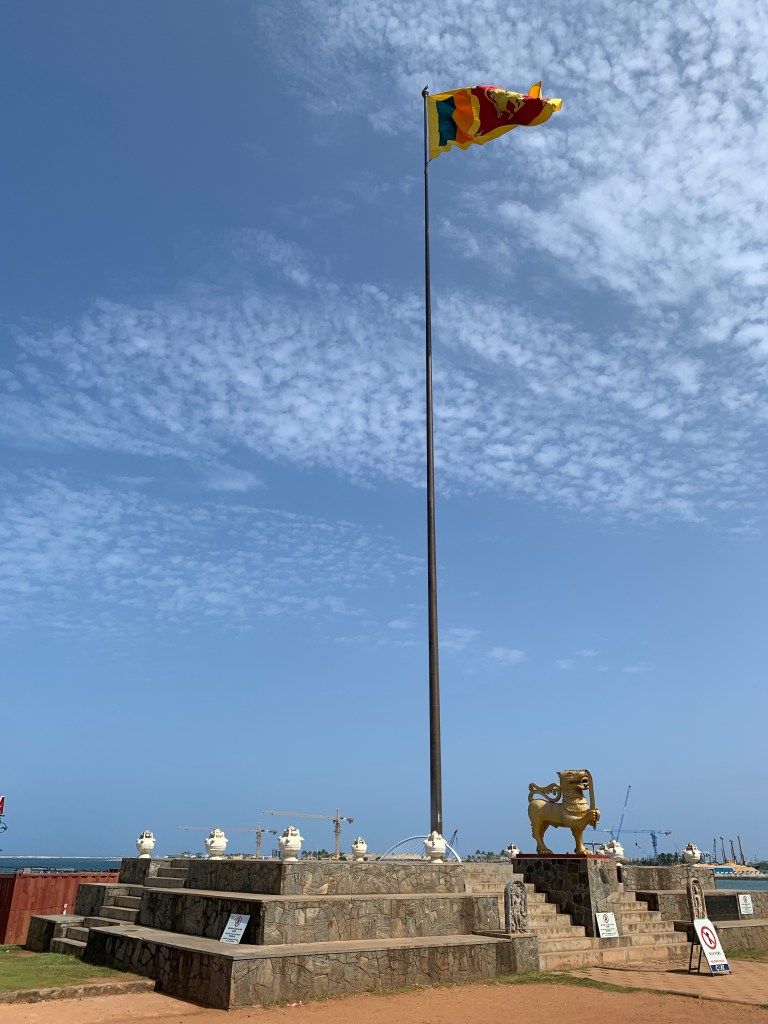
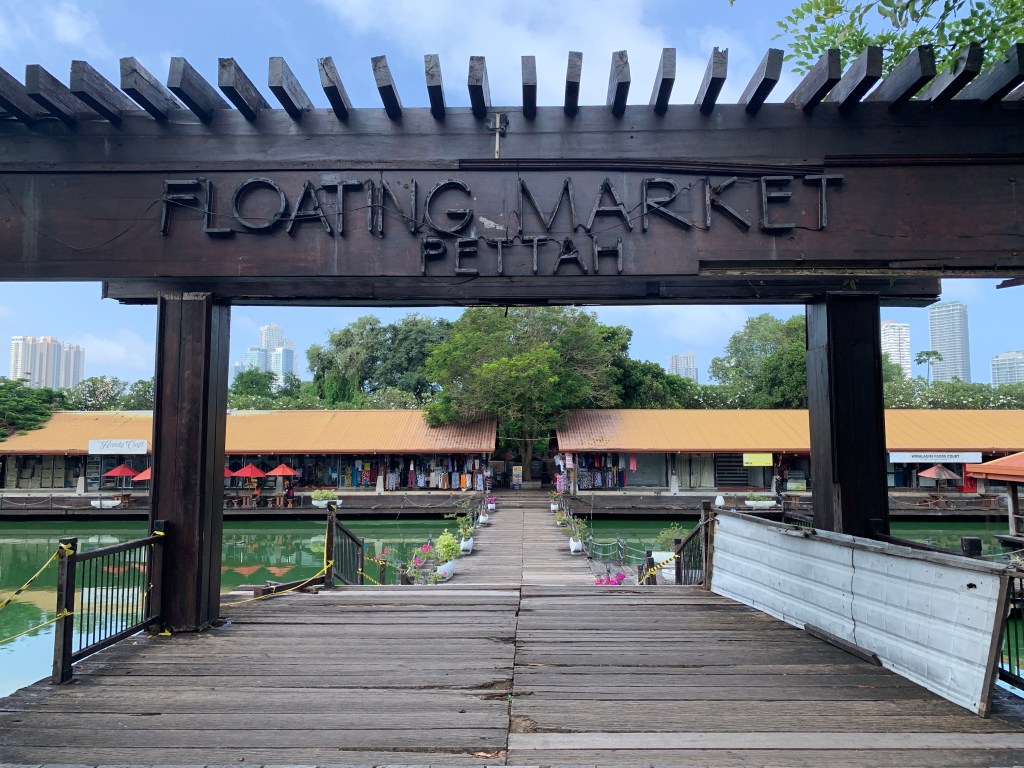
A quieter atmosphere returned at Viharamahadevi Park and Independence Memorial Hall, which commemorates Sri Lanka’s independence from Britain in 1948. As evening arrived, a walk past the Galle Face Green and the Pettah Floating Market offered a fitting conclusion.



Leave a Reply