The summer heat settled over Sioux Falls from the moment I arrived. Temperatures climbed well into the 90s, making every stretch outdoors feel longer than expected. Even so, the city rewarded every stop with stories that reached far beyond the prairie.
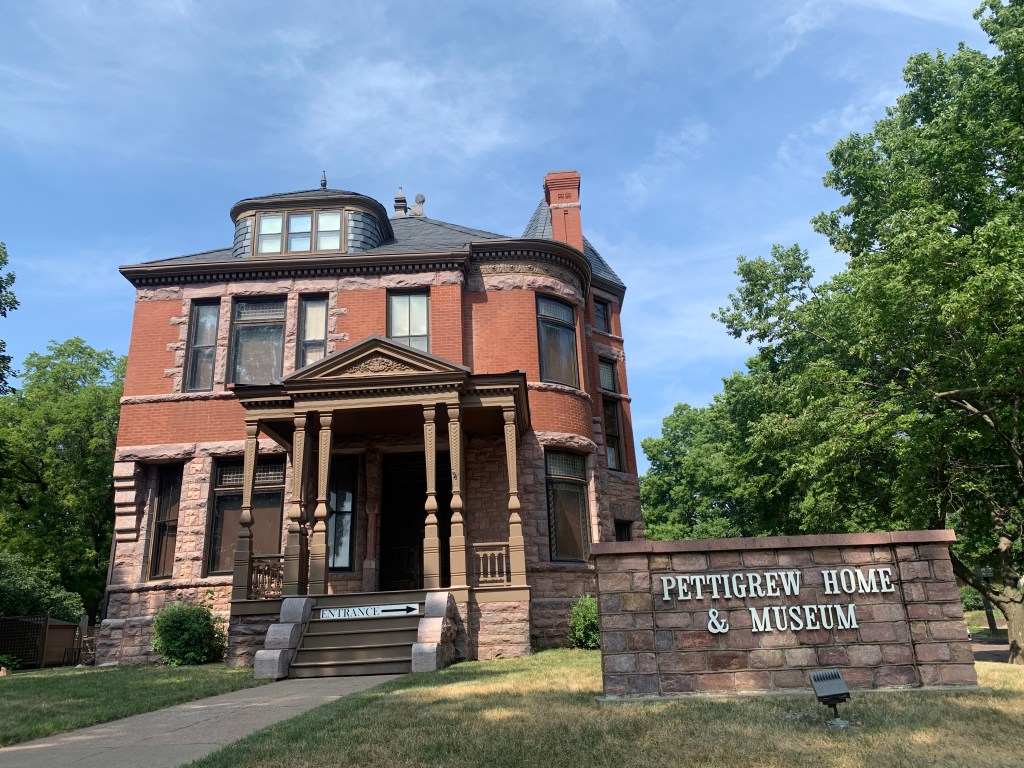
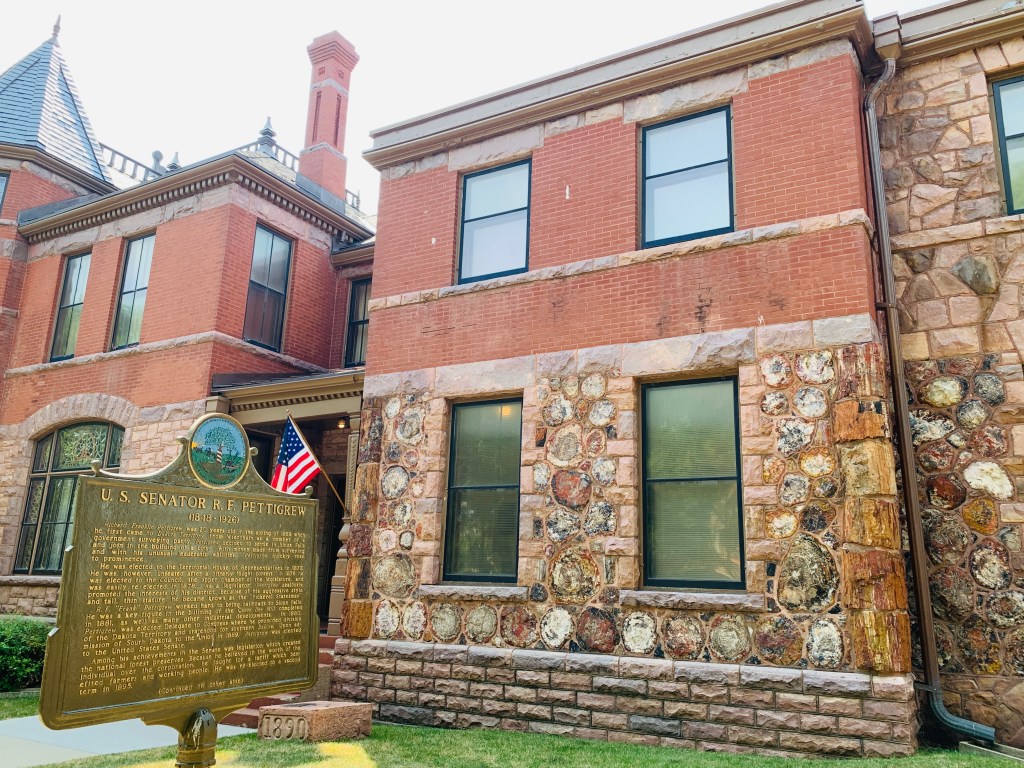
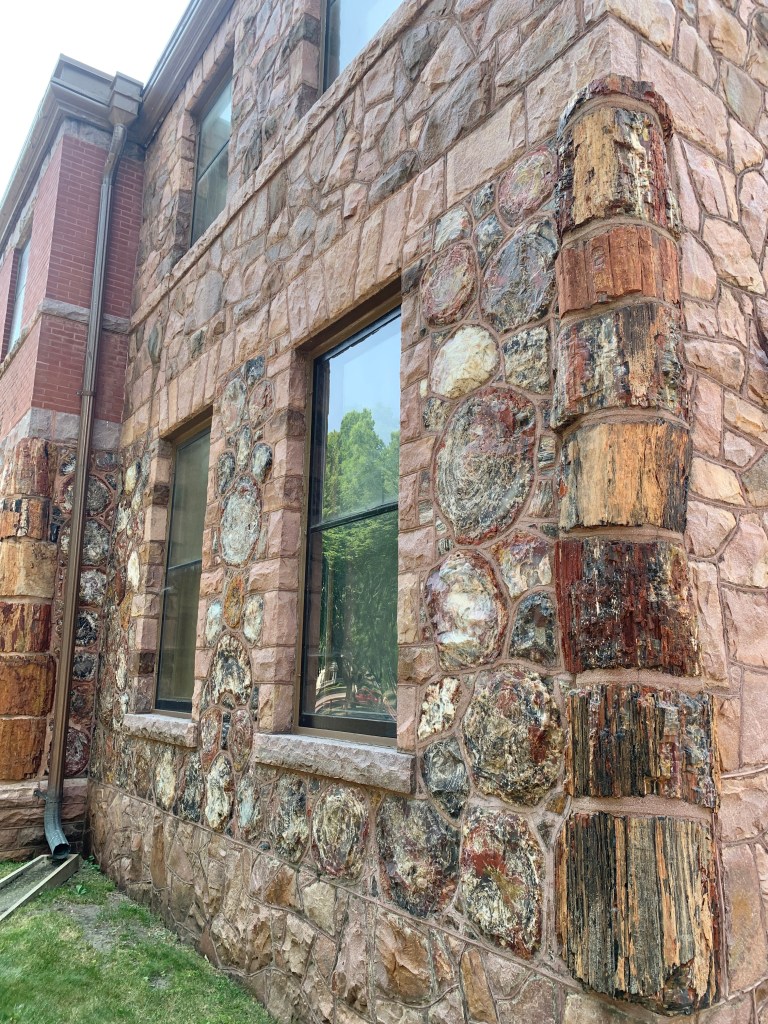
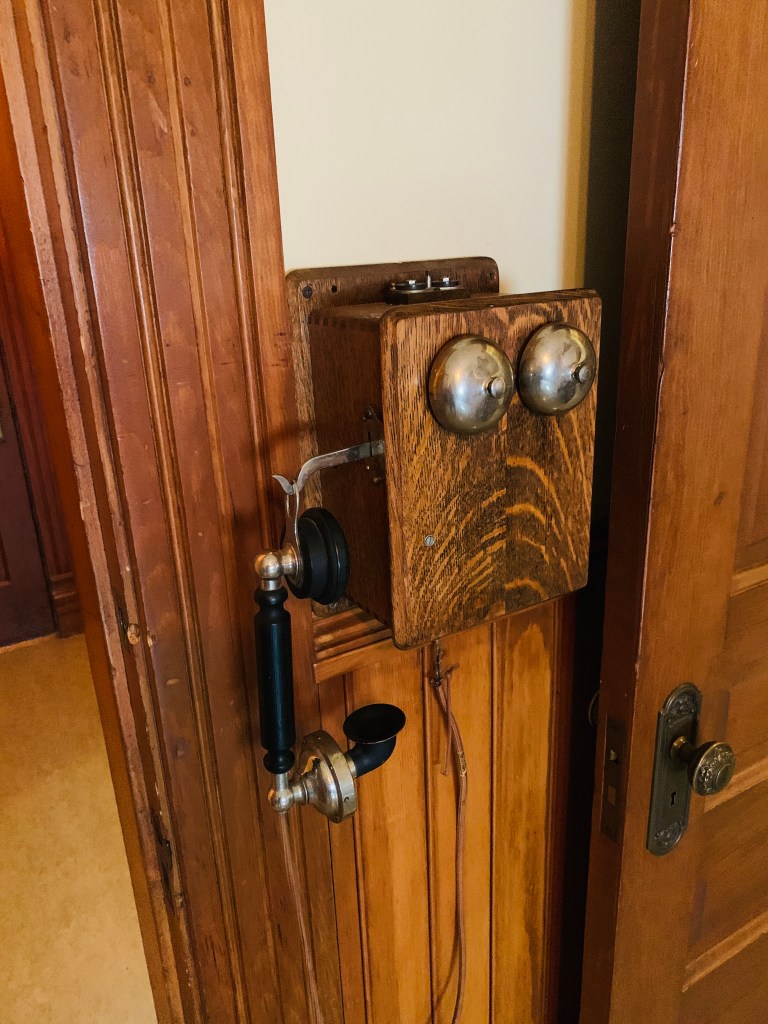
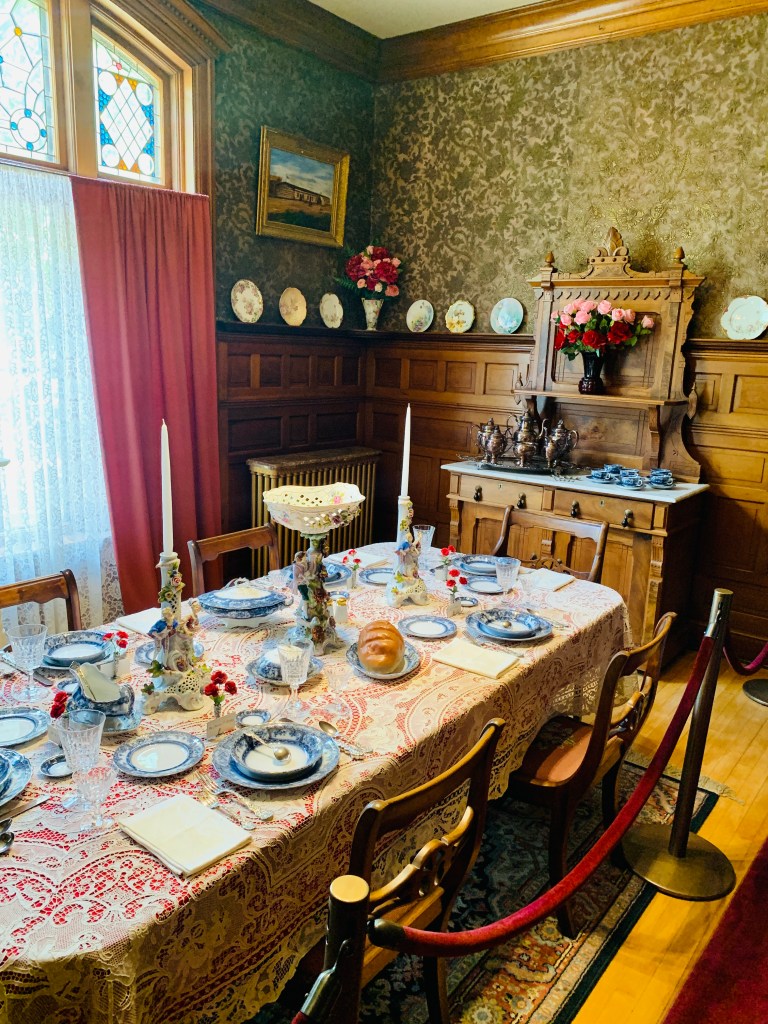
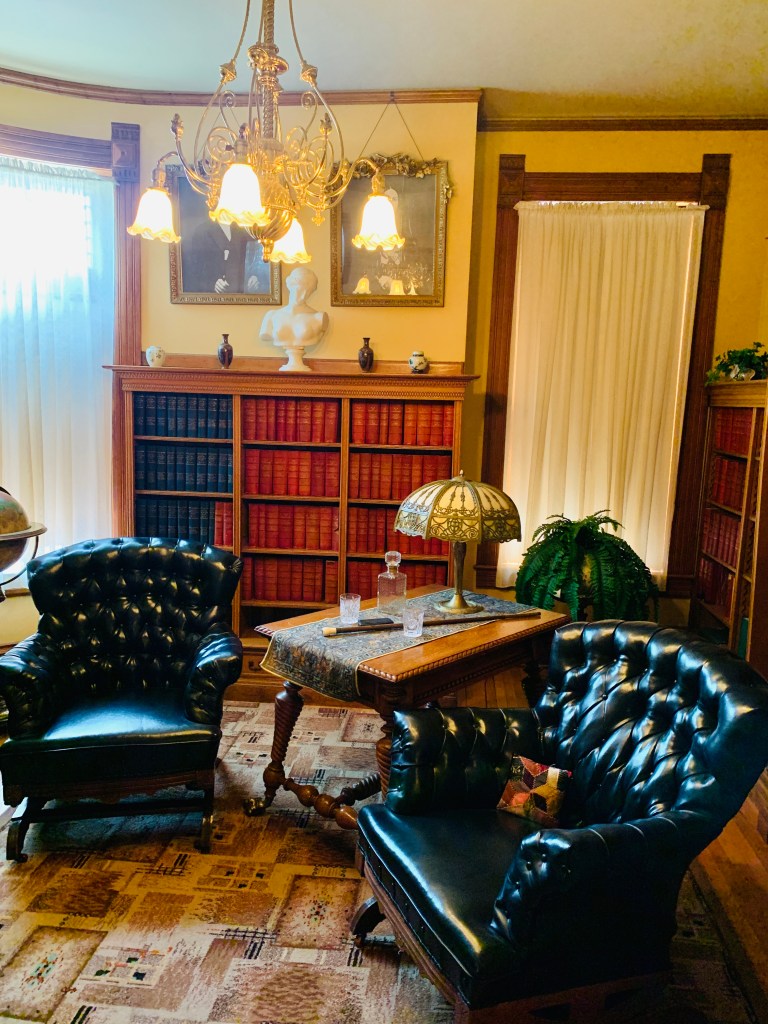
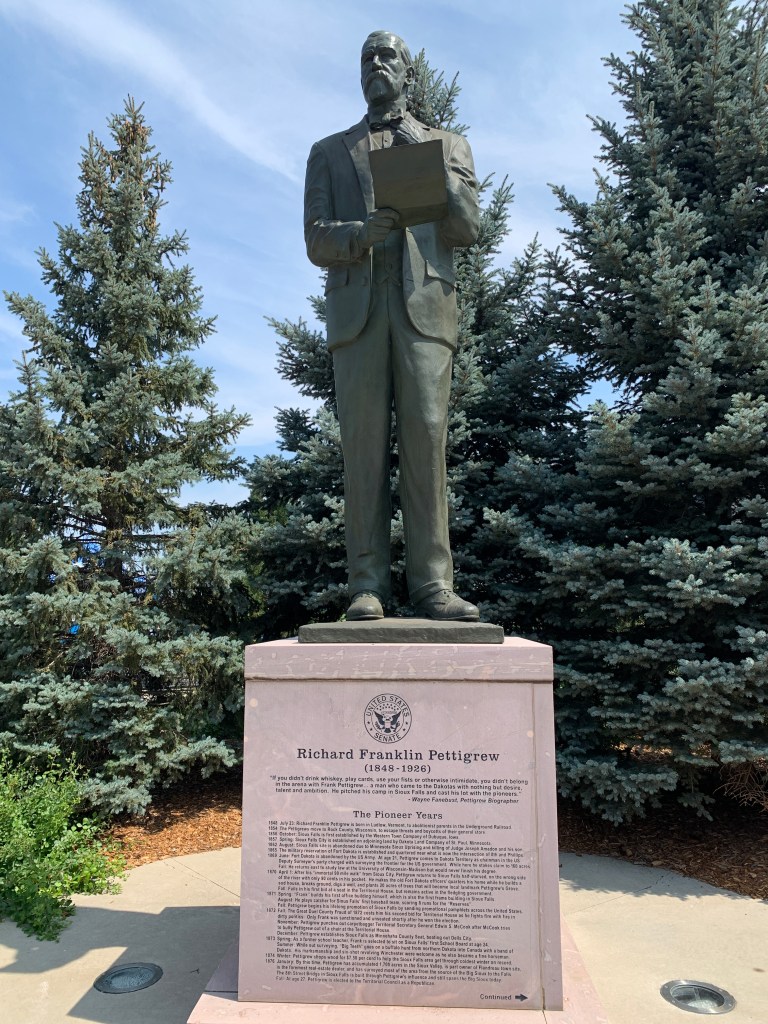
The first stop was the Pettigrew Home & Museum, the beautifully preserved home of Senator Richard Franklin Pettigrew. A lawyer, politician, and adventurer, Pettigrew amassed one of the Midwest’s most eclectic collections during his travels around the world. Walking through his home offered a glimpse into the ambitions of a man who helped shape South Dakota during its earliest years of statehood.
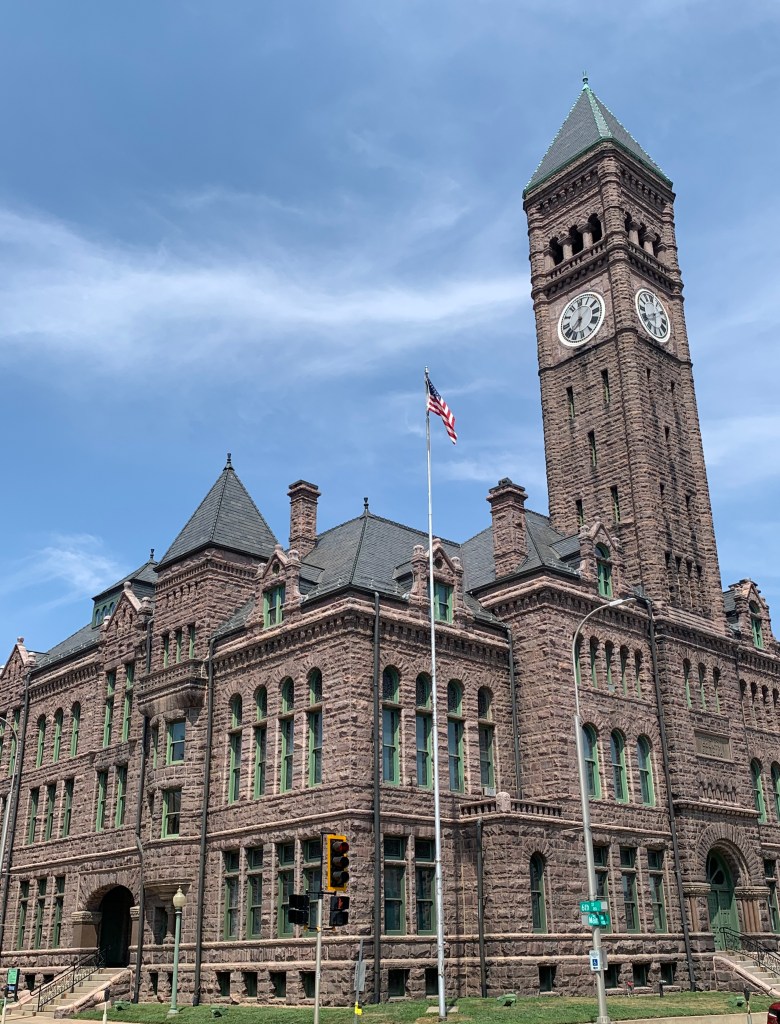
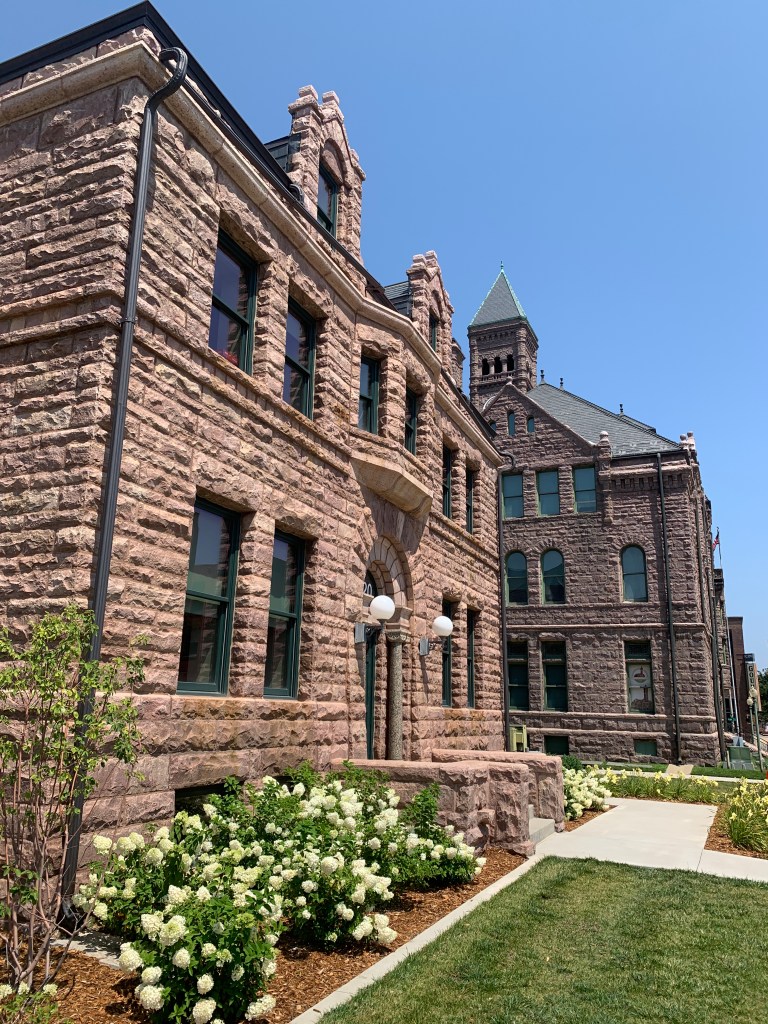
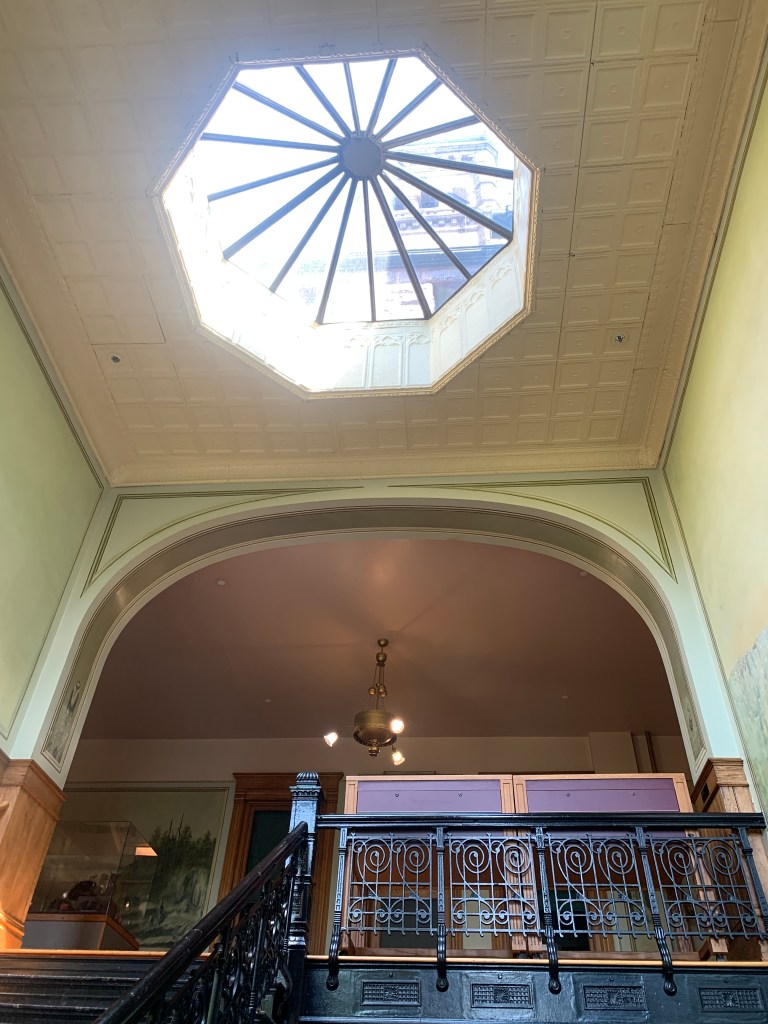
Nearby, the Old Courthouse Museum tells the story of the region’s settlement and growth. Built in 1893 from locally quarried quartzite, the building itself is one of the city’s architectural treasures. Its exhibits also recount the dramatic grasshopper invasions of the 1870s, when enormous swarms devastated crops across the Dakota Territory and tested the perseverance of early settlers.
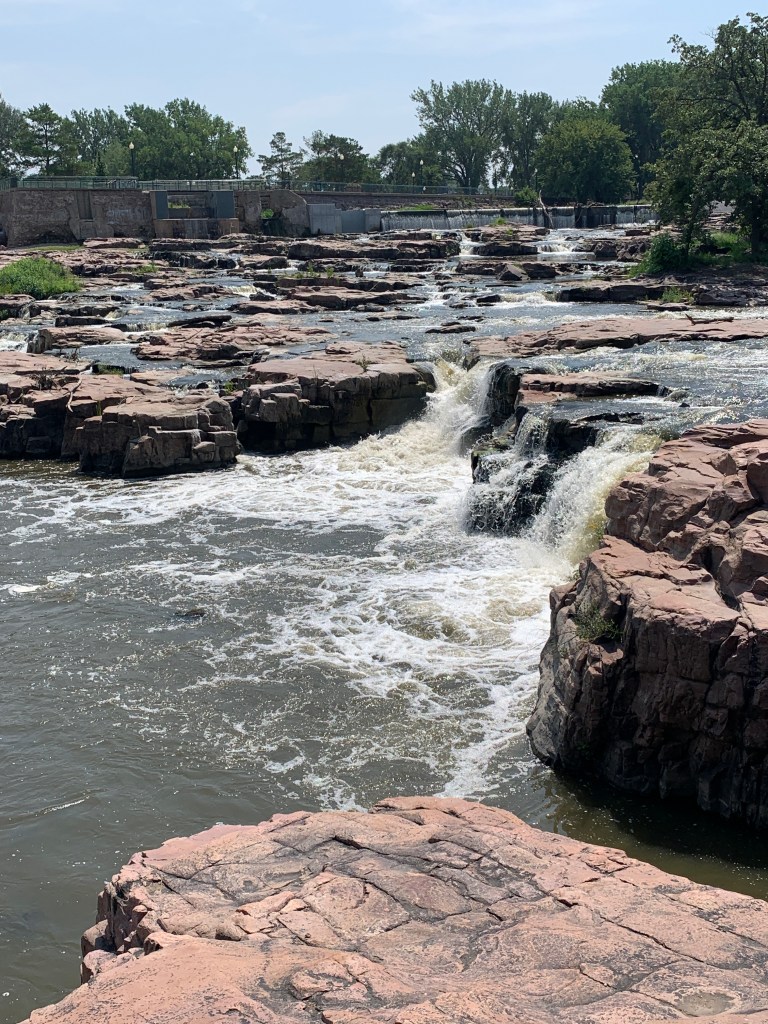
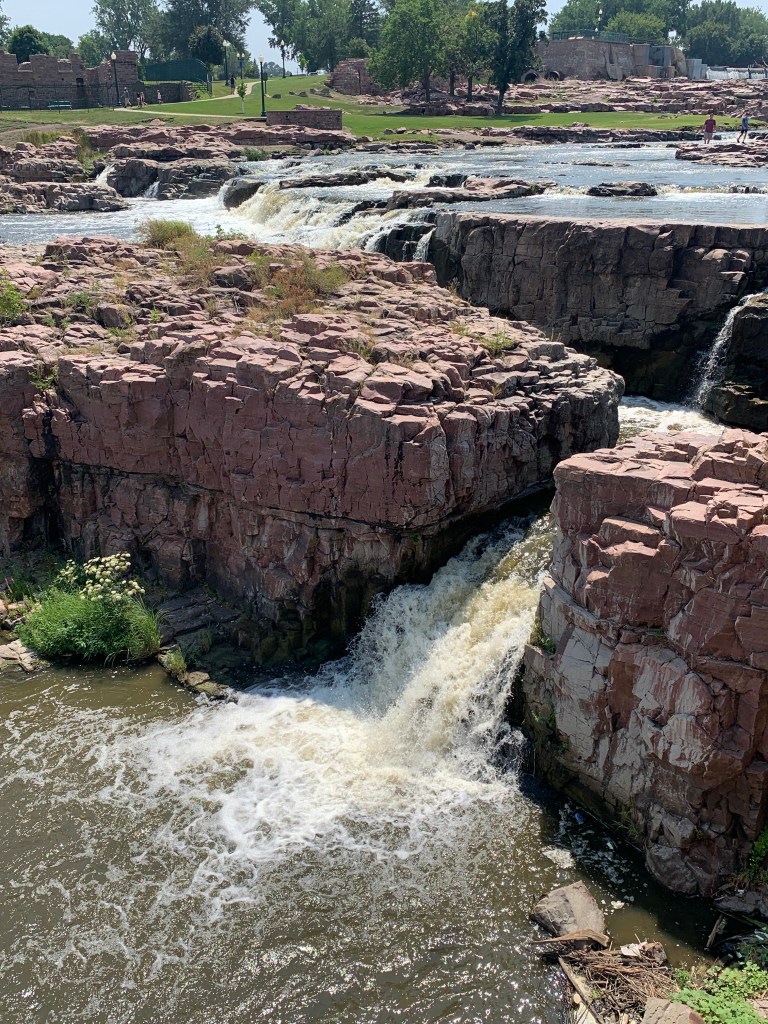
By afternoon, the sweltering heat made the cool mist of Falls Park especially welcome. The Big Sioux River plunges over pink quartzite ledges that are more than a billion years old, creating the waterfalls that gave the city its name. Indigenous peoples recognized this place as an important gathering site long before permanent European settlement.
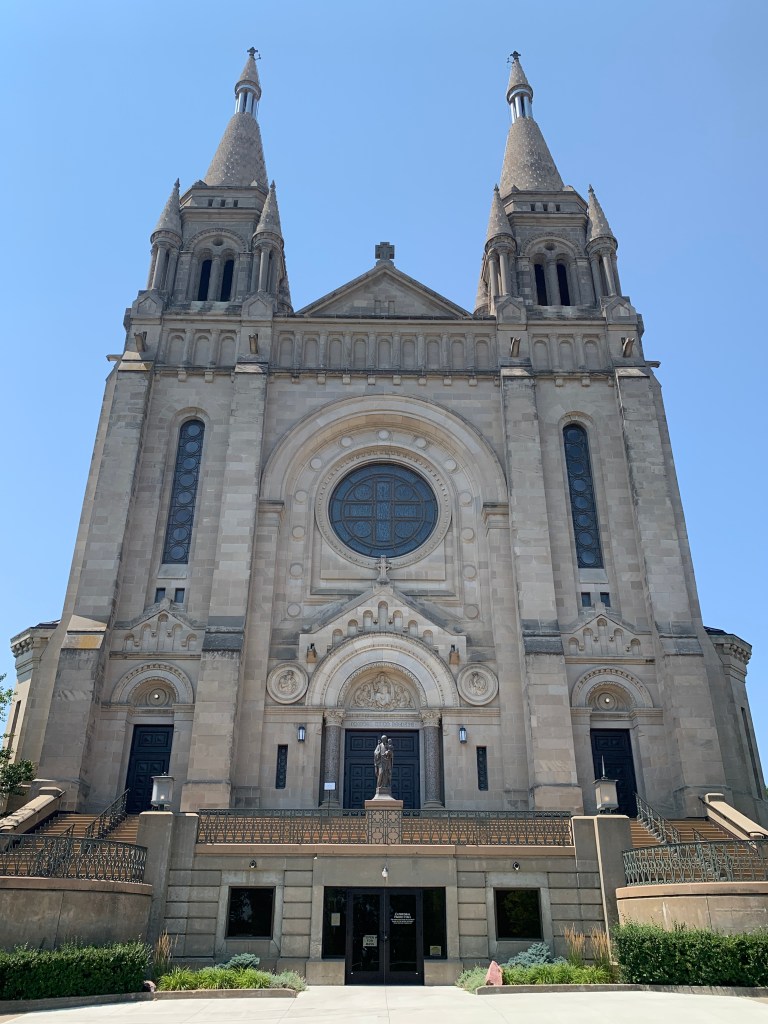
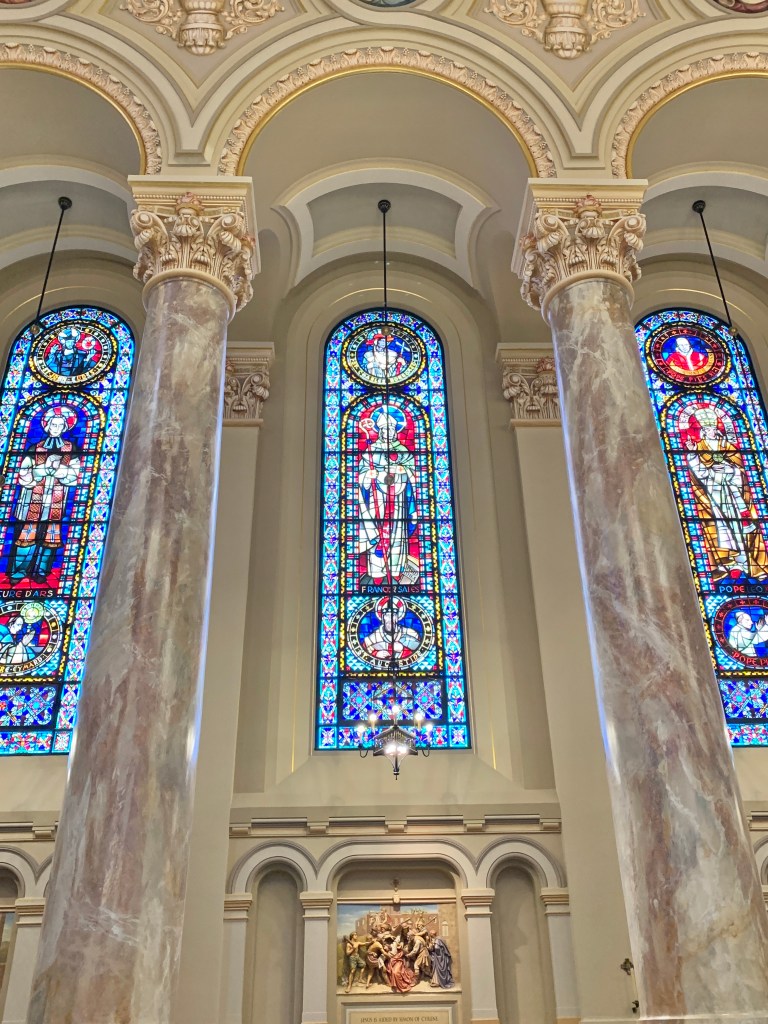
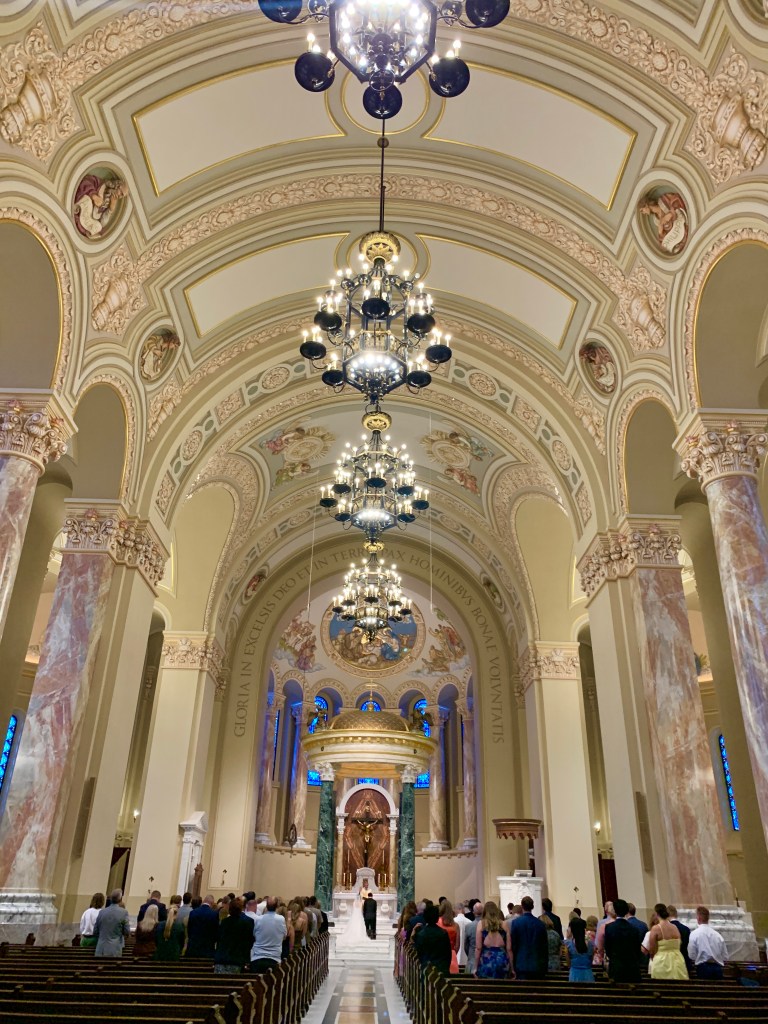
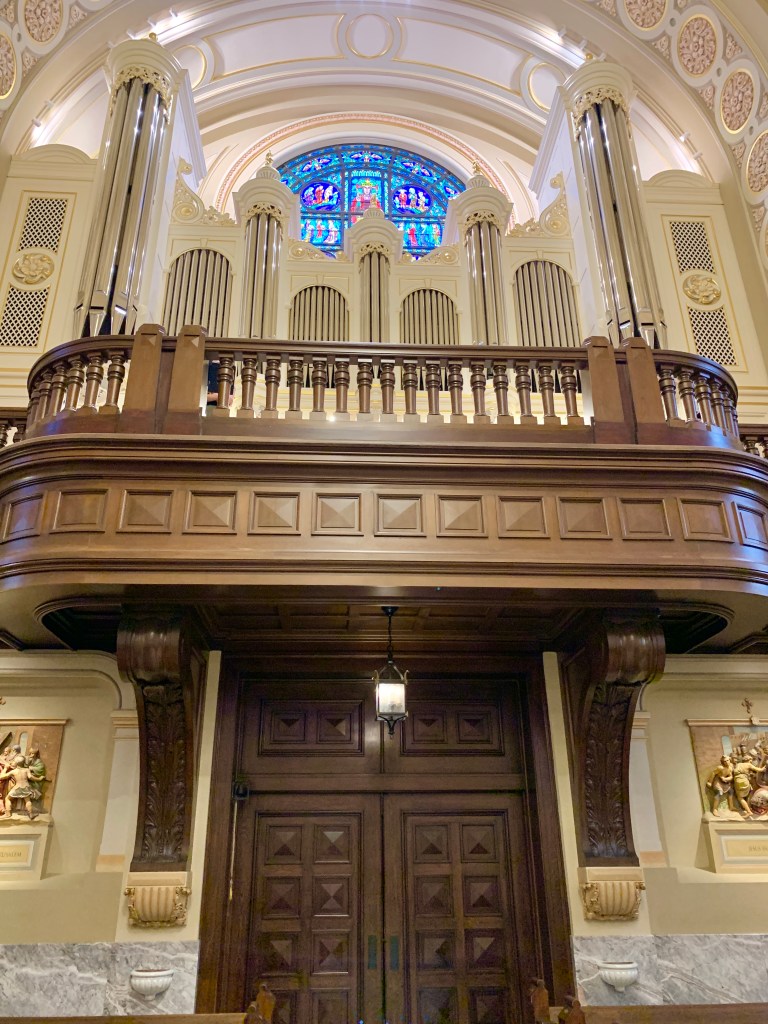
A stroll through Downtown Sioux Falls revealed colorful murals, restored storefronts, and welcoming cafés before ending at the magnificent Cathedral of Saint Joseph. Completed in 1919, its soaring twin spires dominate the skyline and reflect the optimism of a growing community.
Despite the oppressive heat, Sioux Falls left a lasting impression through its history and natural beauty.





Leave a comment