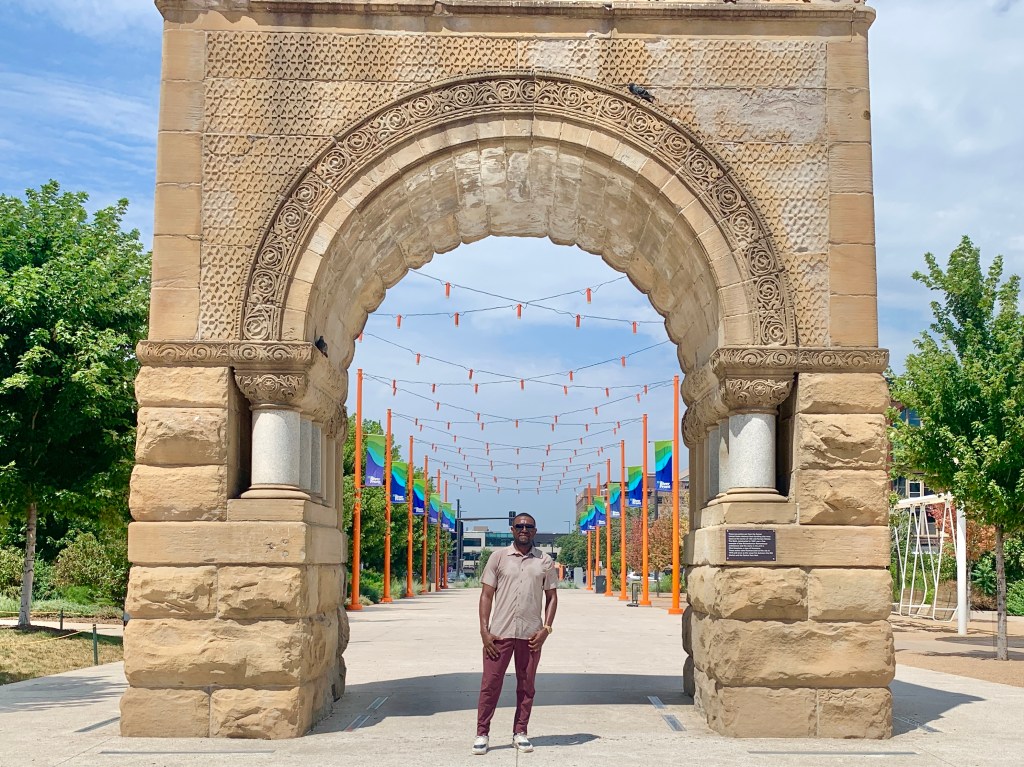
The heat was impossible to ignore. With temperatures reaching nearly 100 degrees, every step through Omaha called for frequent breaks in the shade and plenty of water. Even under the relentless summer sun, the city offered a fascinating mix of history, public spaces, and riverfront views.
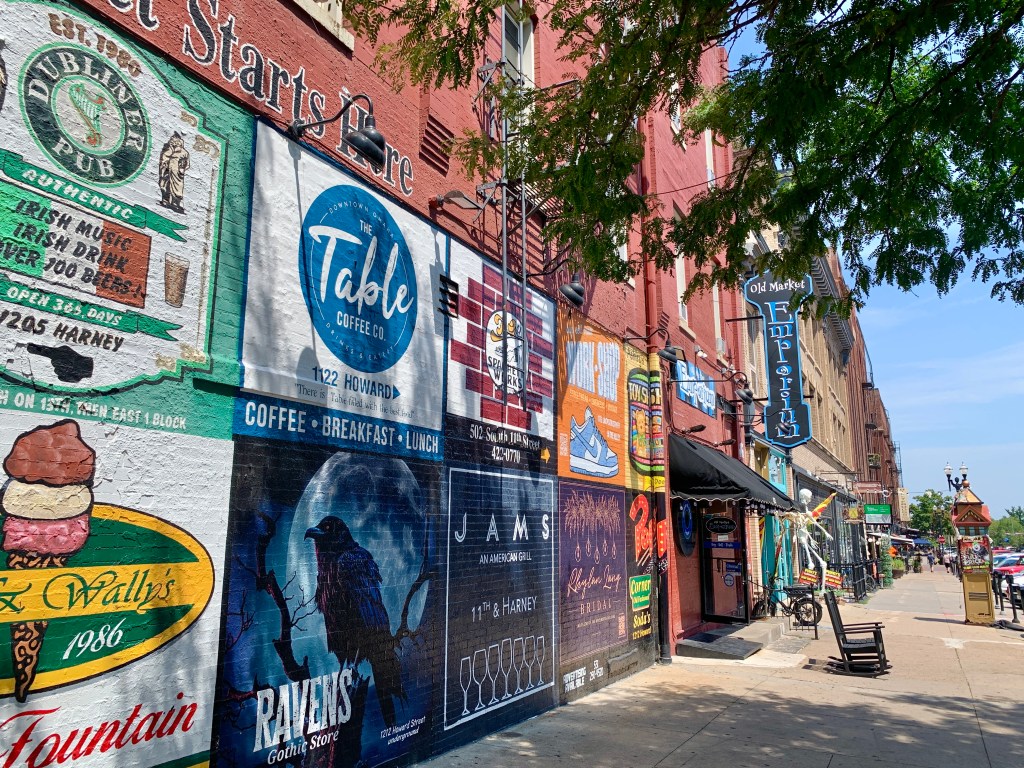
The morning began in Old Market, where brick streets, restored warehouses, and century-old buildings preserve the character of Omaha’s early commercial district. Once filled with produce markets, horse-drawn wagons, and wholesale merchants, the neighborhood has evolved into one of the city’s most recognizable destinations while retaining its historic charm.
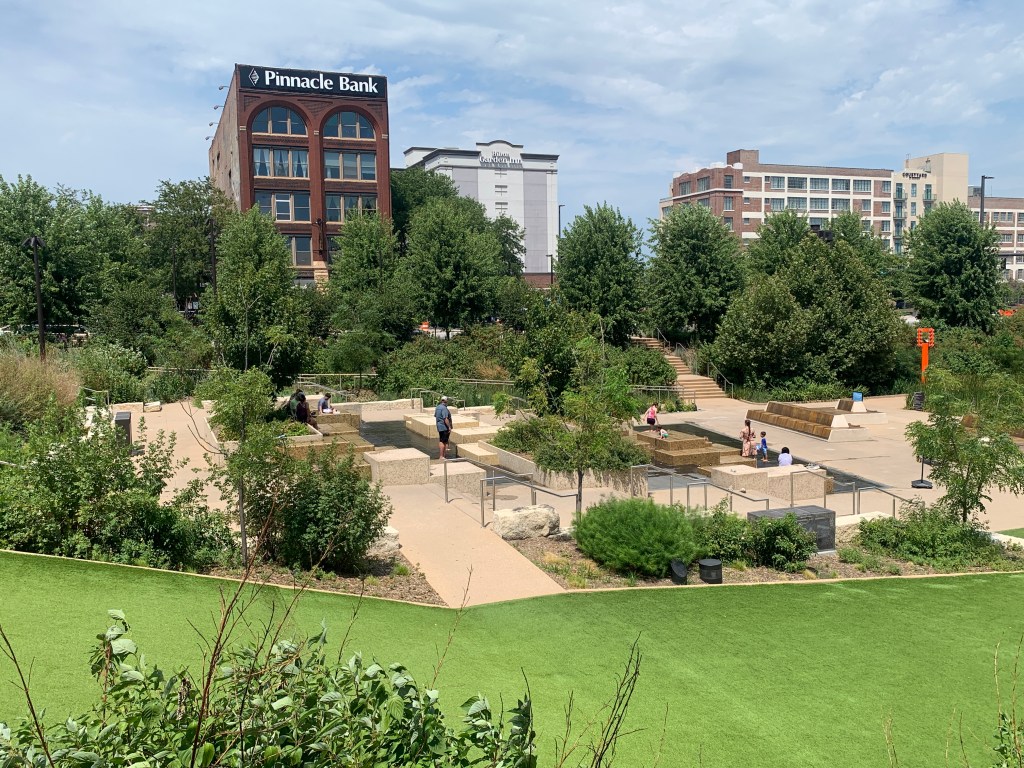
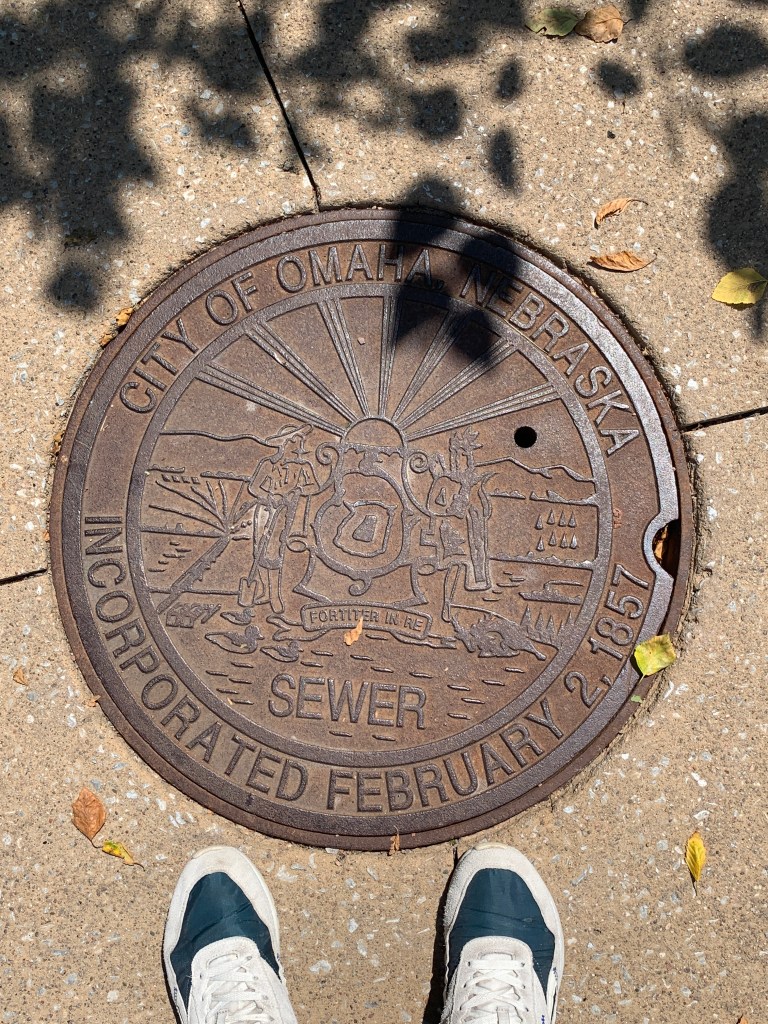
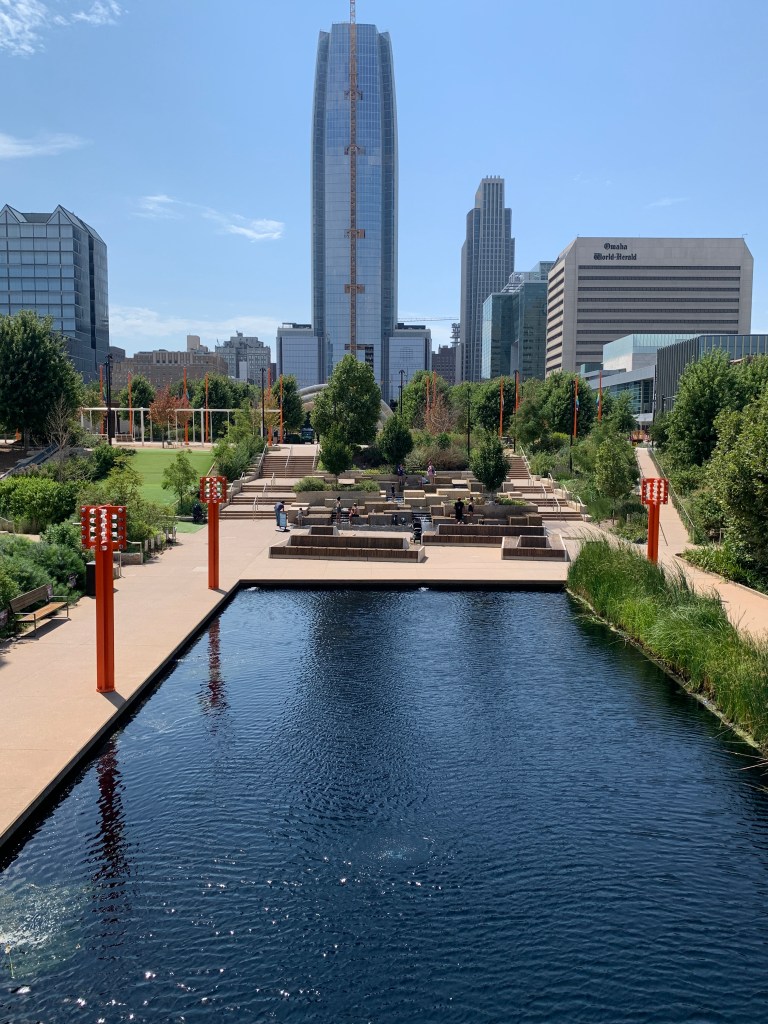
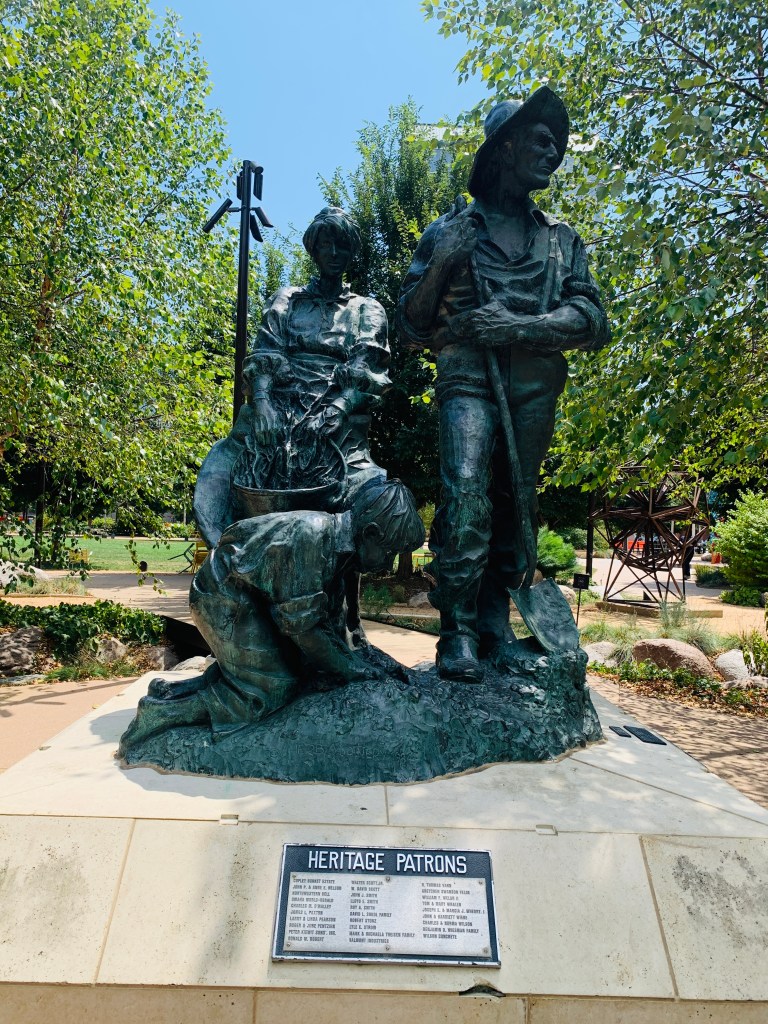
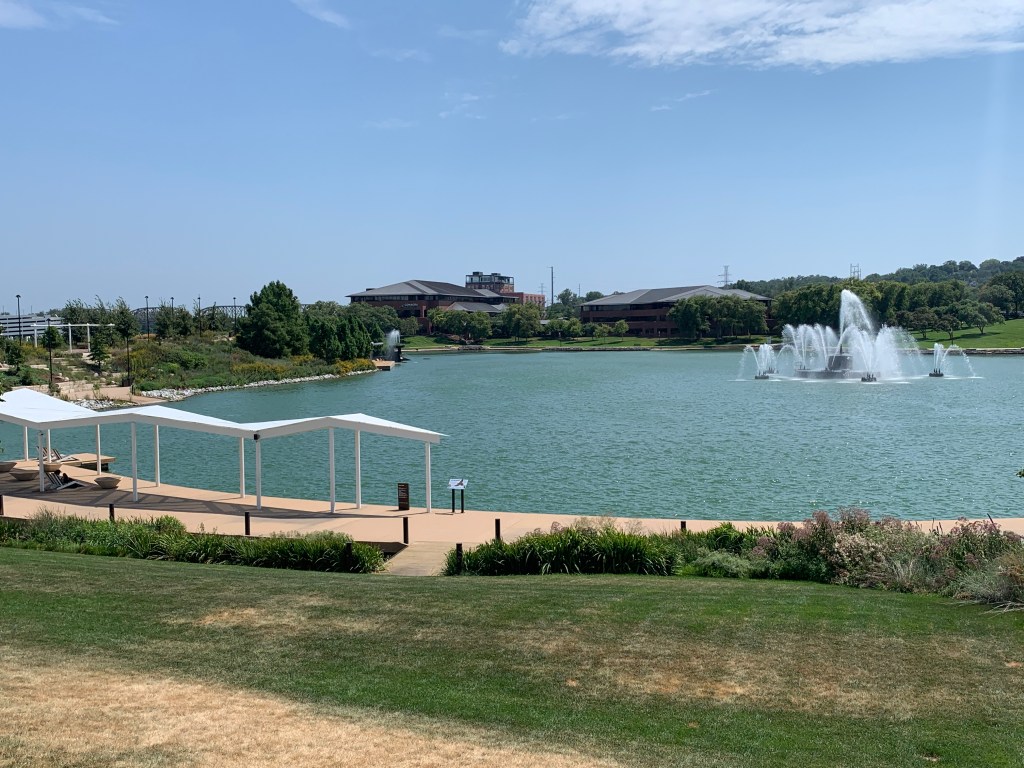
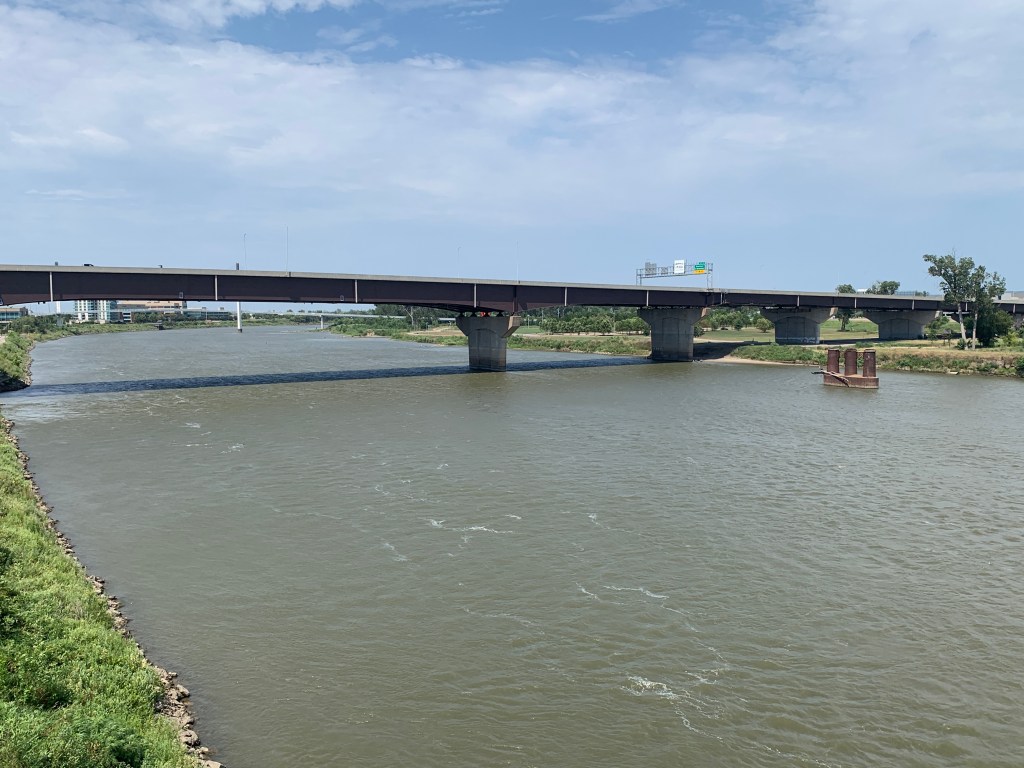
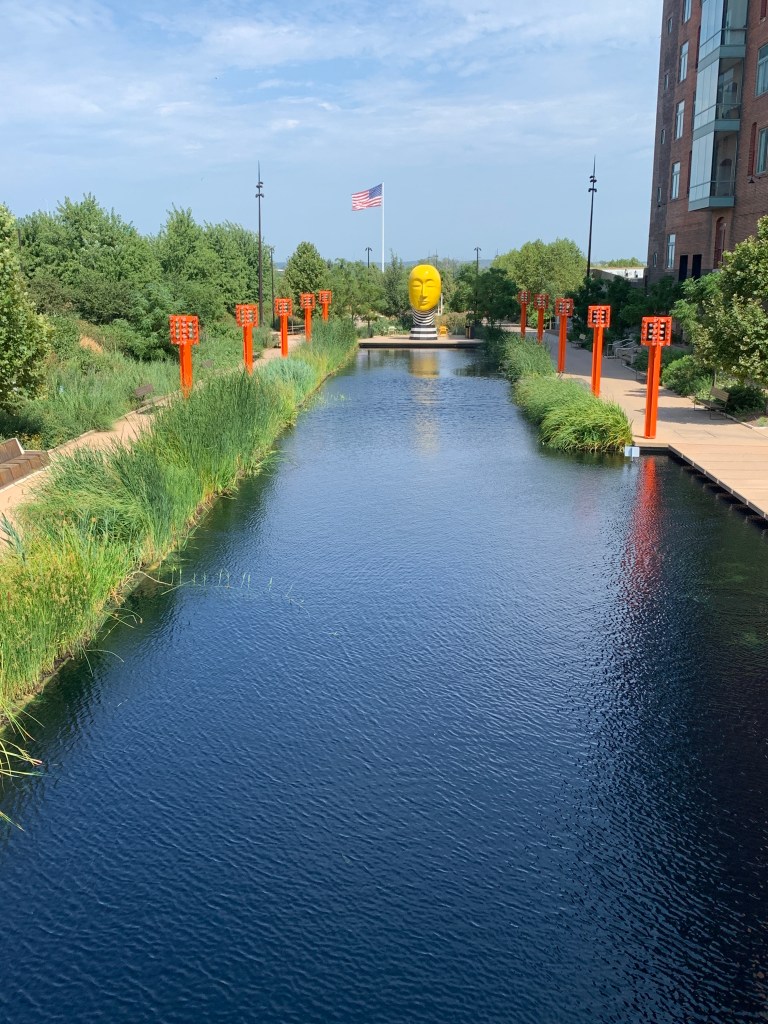
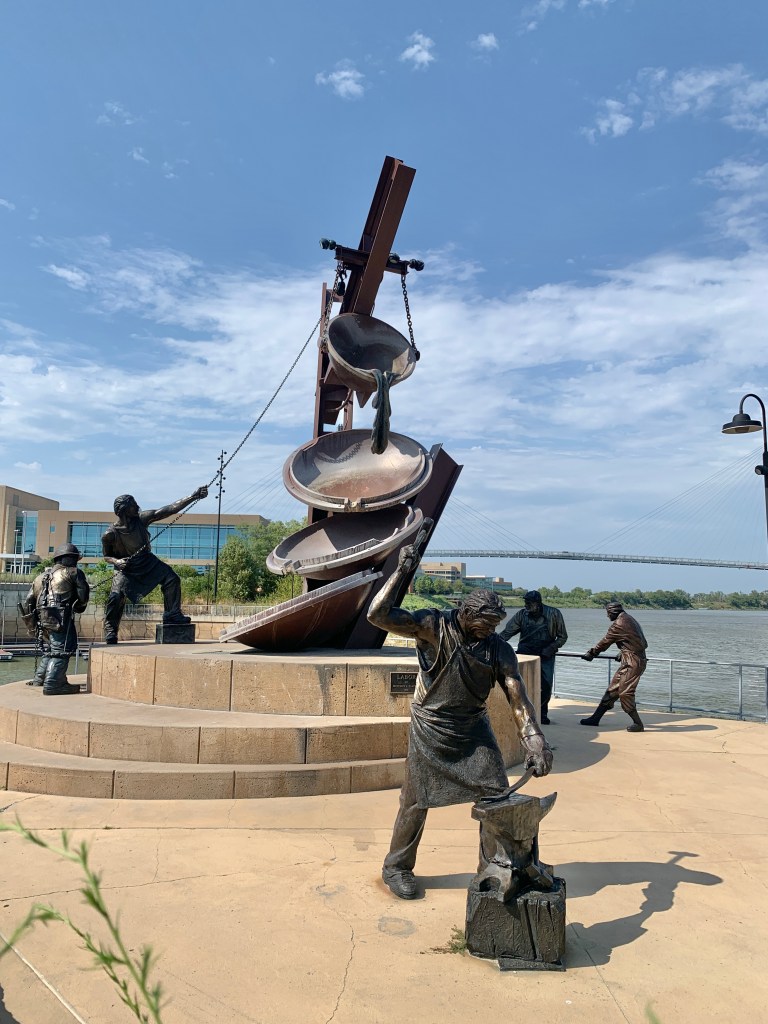
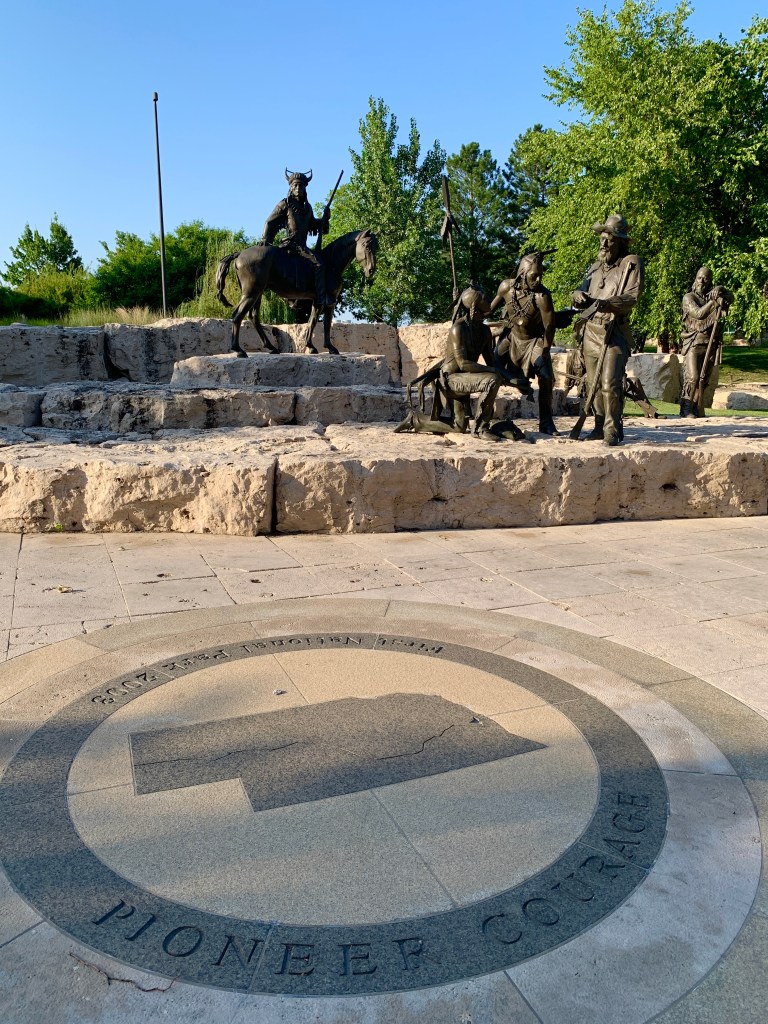
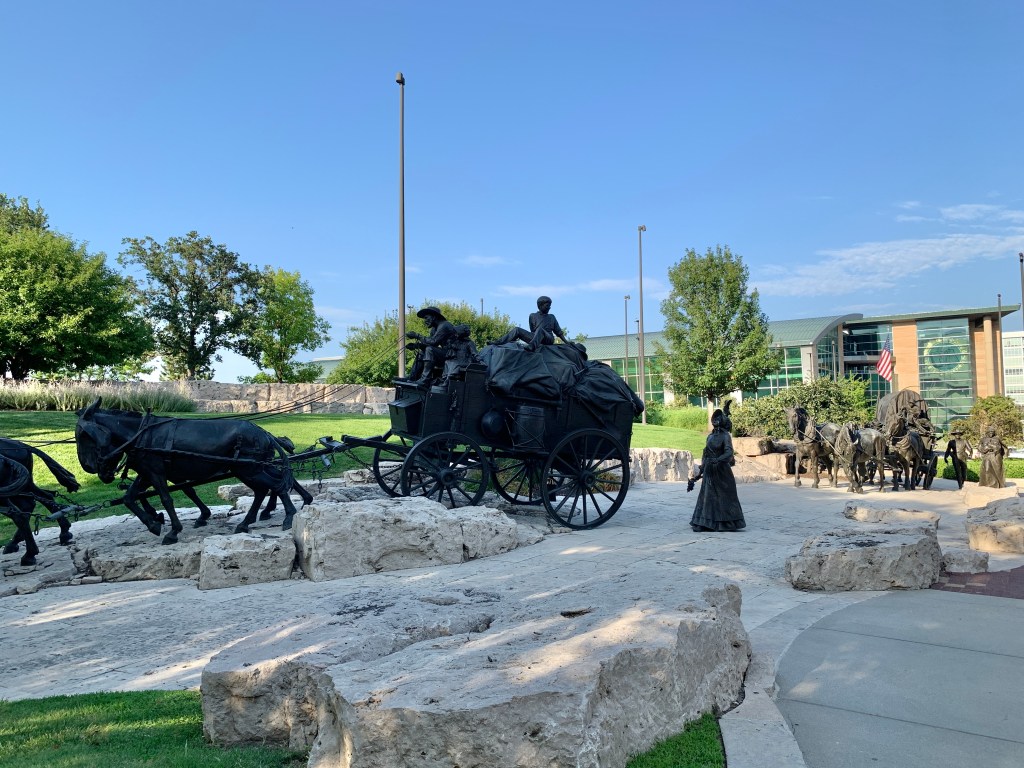
From there, I walked through Heartland of America Park and Lewis & Clark Landing along the Missouri River. The river has shaped Omaha since its founding in 1854 and served as a vital transportation route that helped transform the city into a major gateway for westward expansion. Nearby, the Lewis & Clark Interpretive Trail and Visitor Center recounts the Corps of Discovery expedition. In 1804, Meriwether Lewis and William Clark camped near present-day Omaha while making their historic trek to the Pacific Ocean, recording observations that expanded the nation’s understanding of the American West.
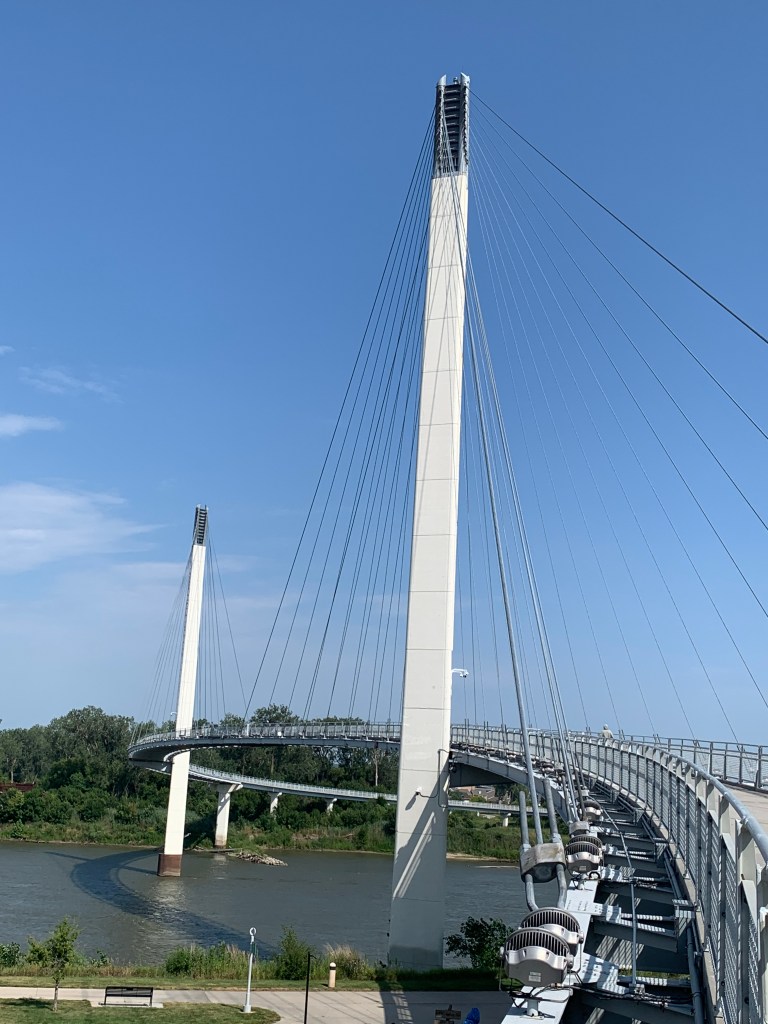
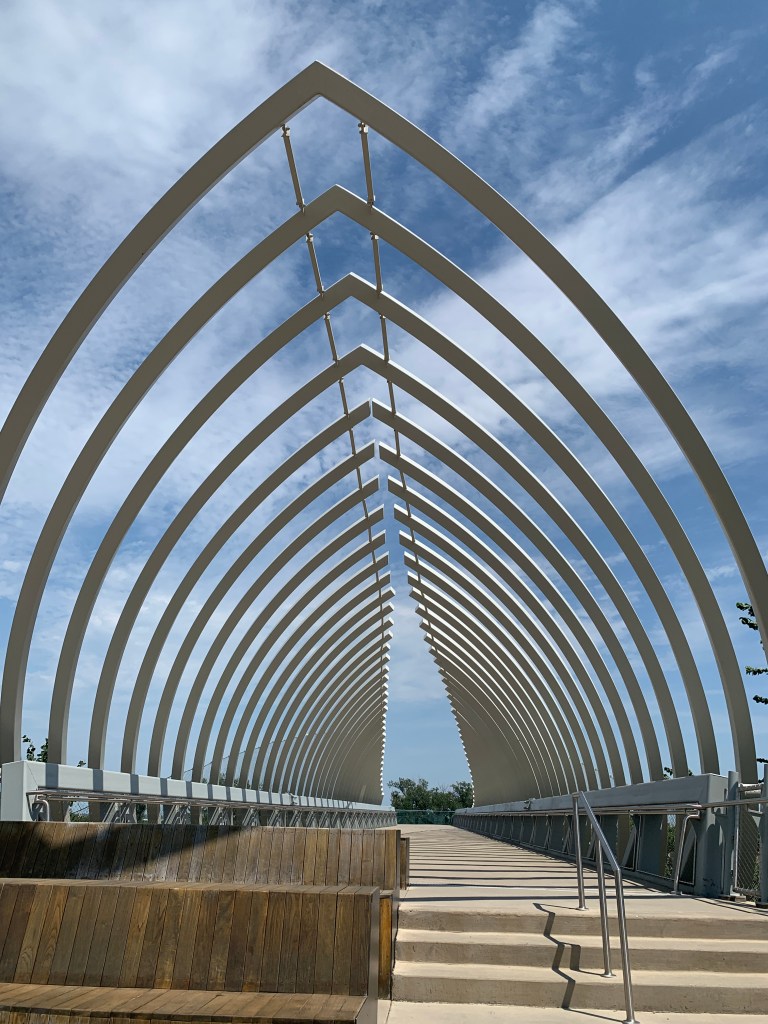
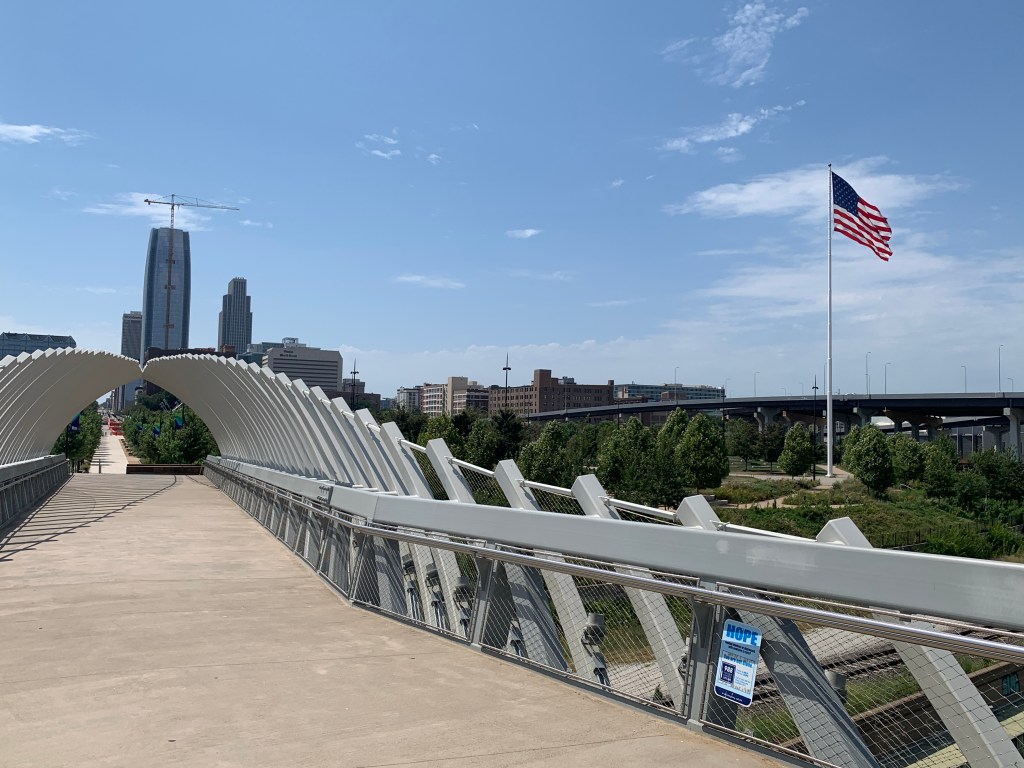
Crossing the Bob Kerrey Pedestrian Bridge brought a welcome breeze despite the scorching afternoon. Standing over the Missouri River with one foot in Nebraska and the other in Iowa made for a memorable moment and a unique photo opportunity.
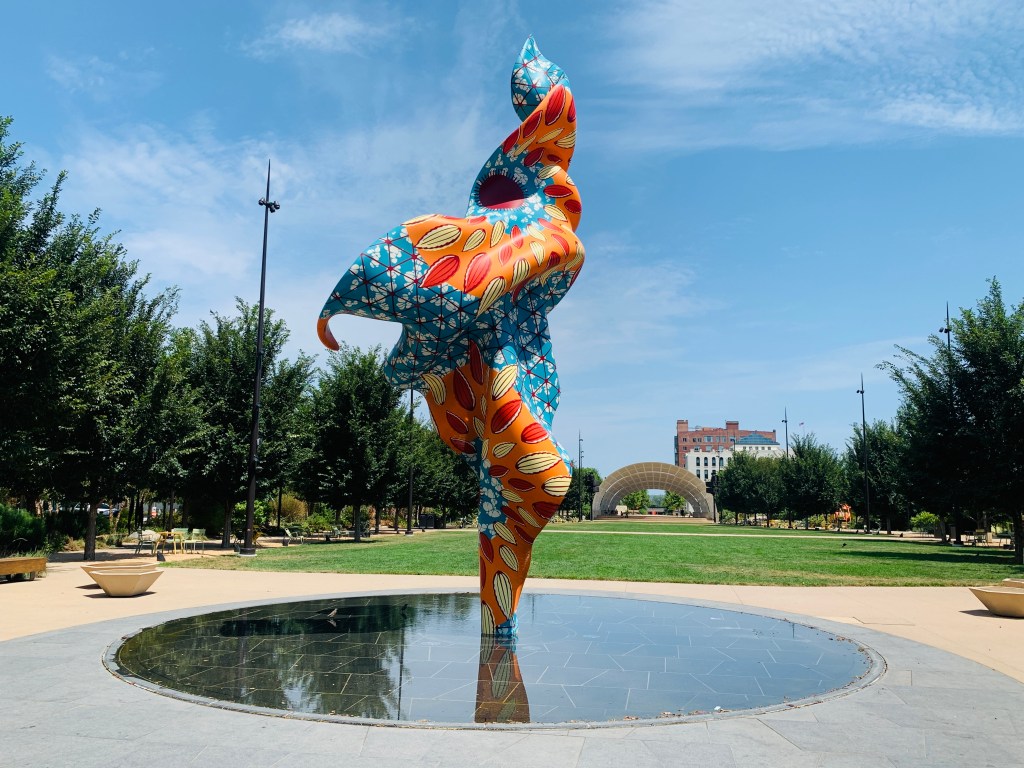
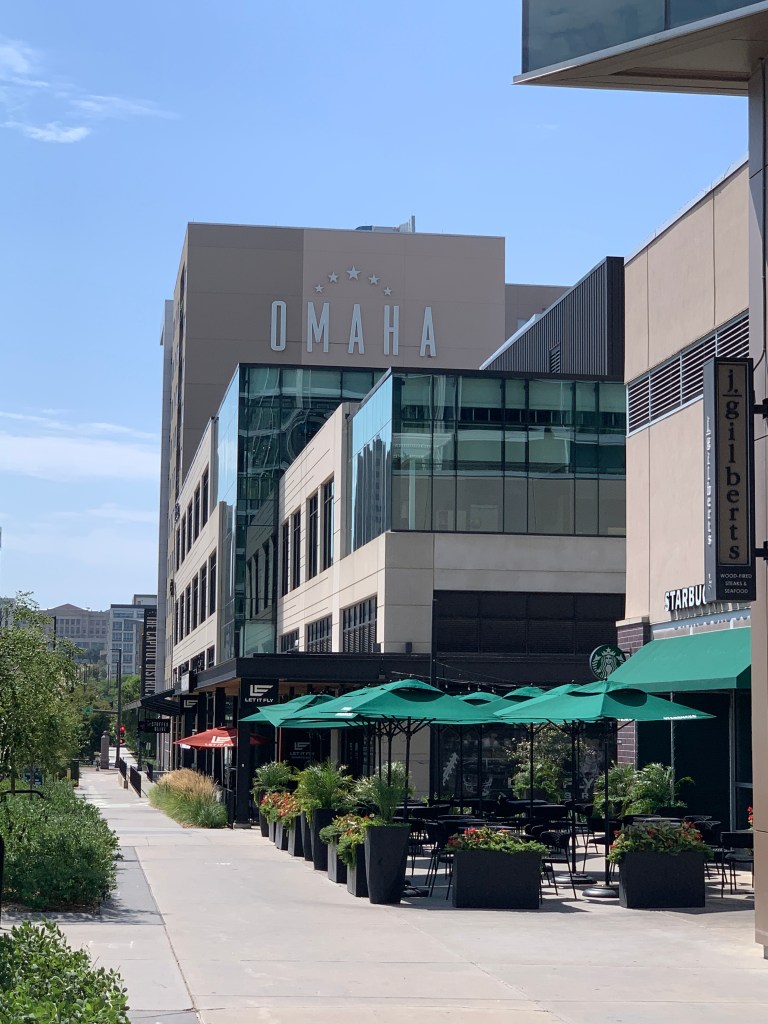
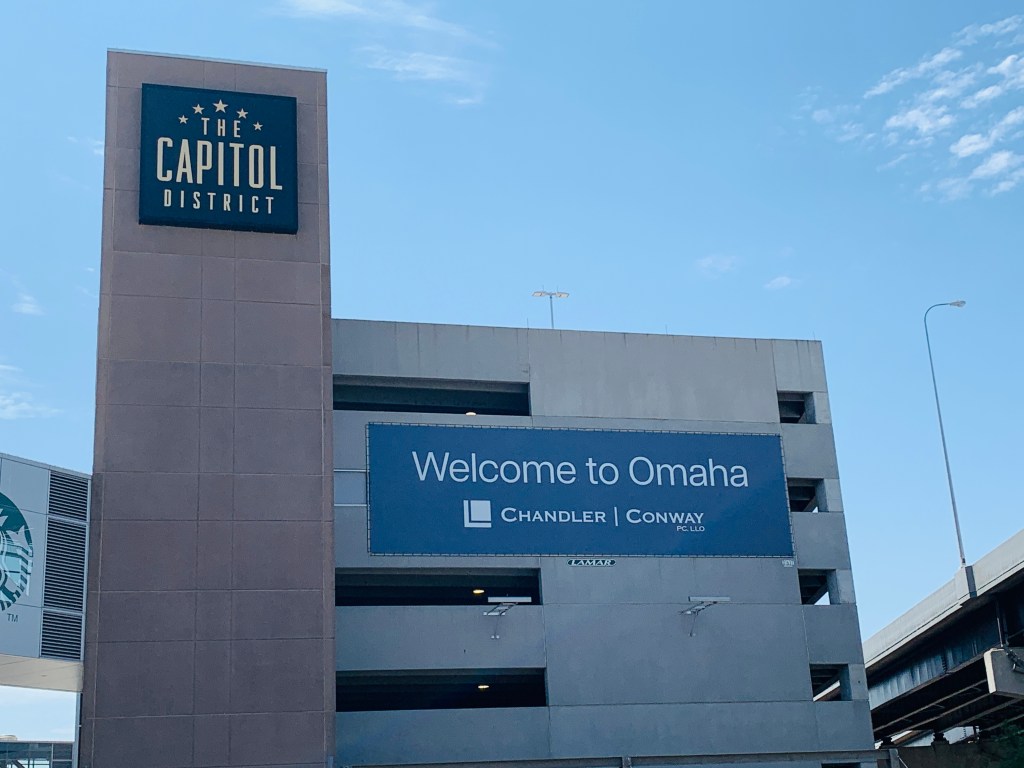
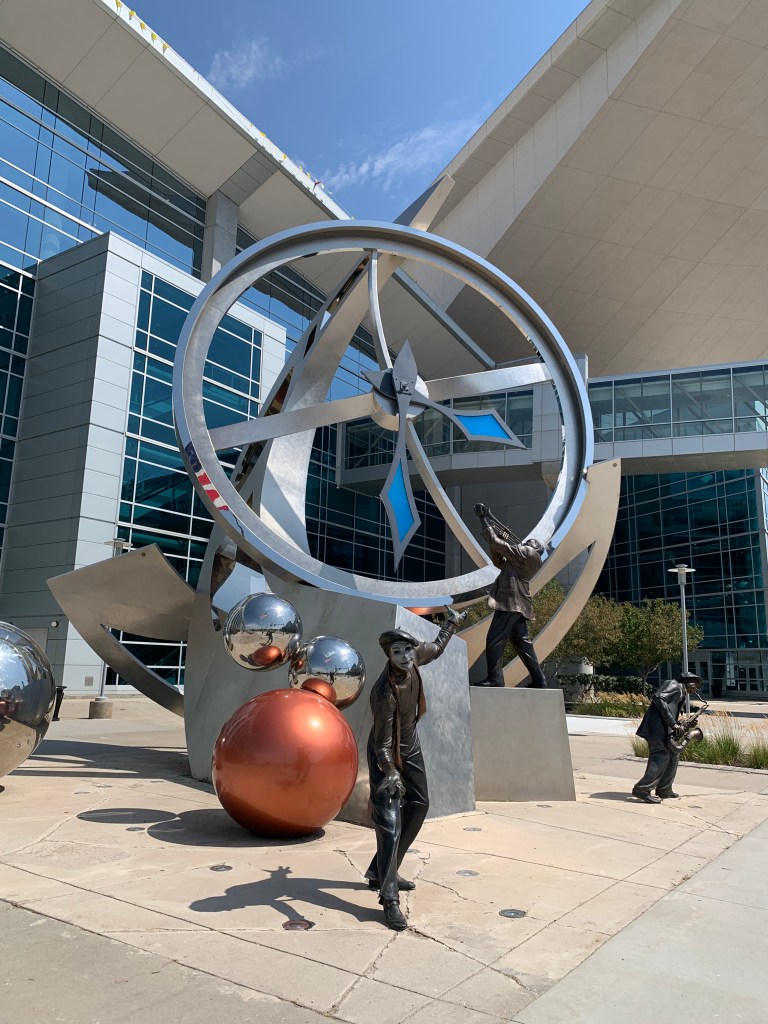
The day concluded in Capitol District, where restaurants and gathering spaces contrasted with the historic streets visited earlier. Omaha balances its frontier heritage with modern development remarkably well. Even in triple-digit heat, its riverfront, history, and welcoming atmosphere made every stop worthwhile.


Leave a comment